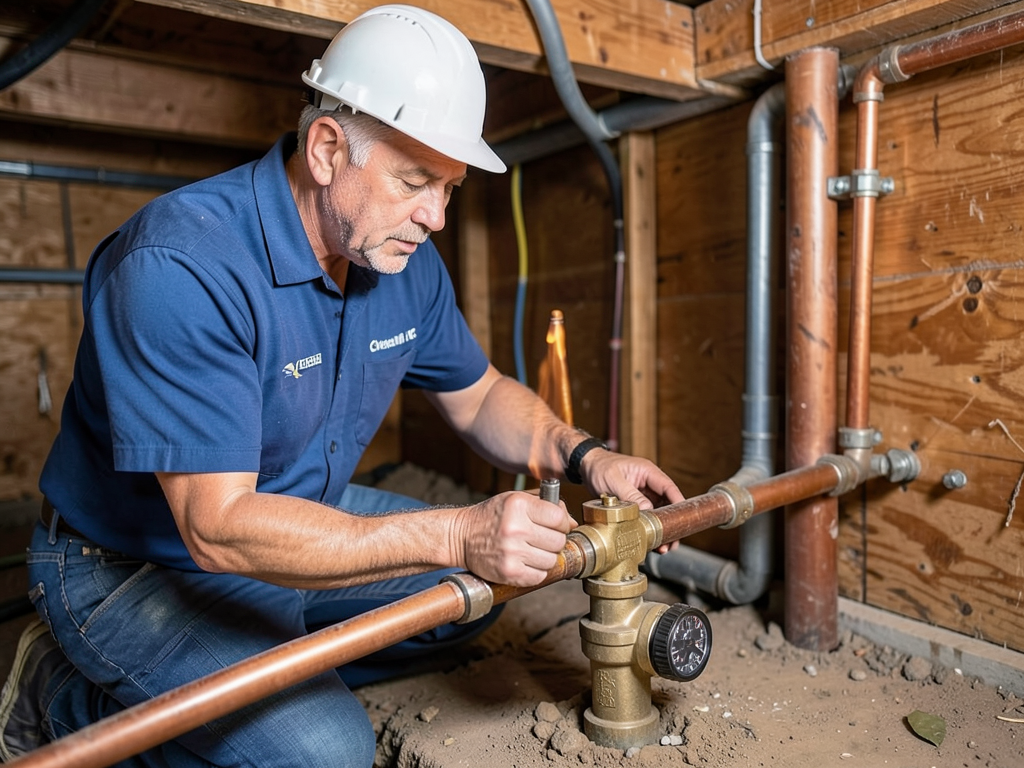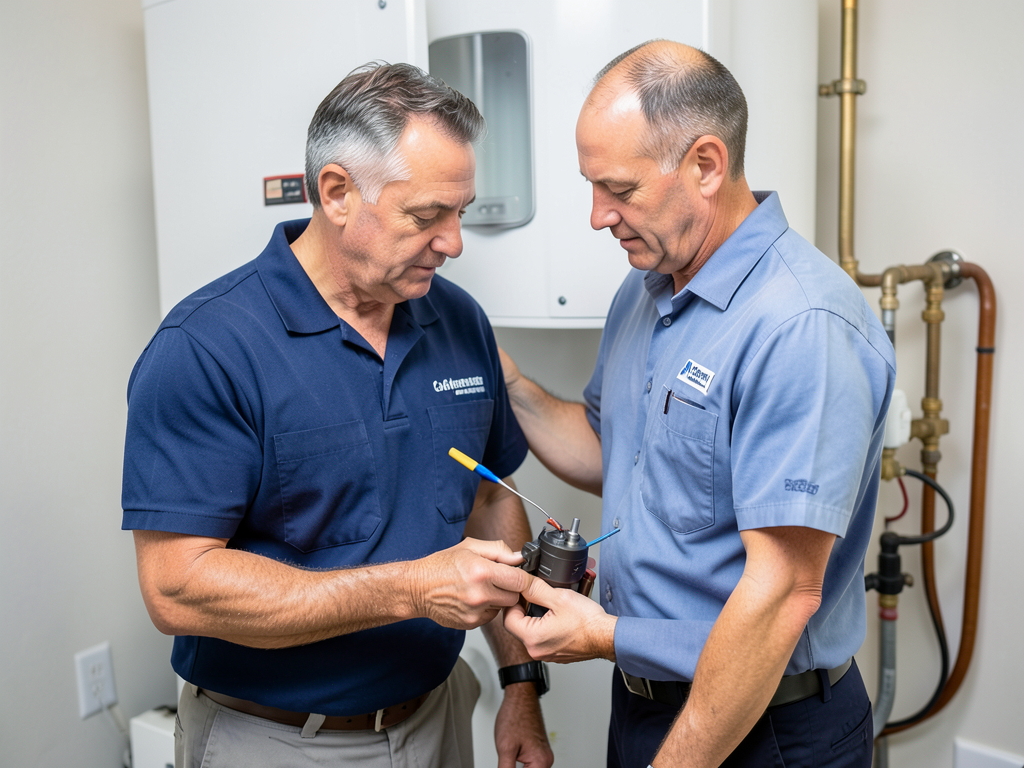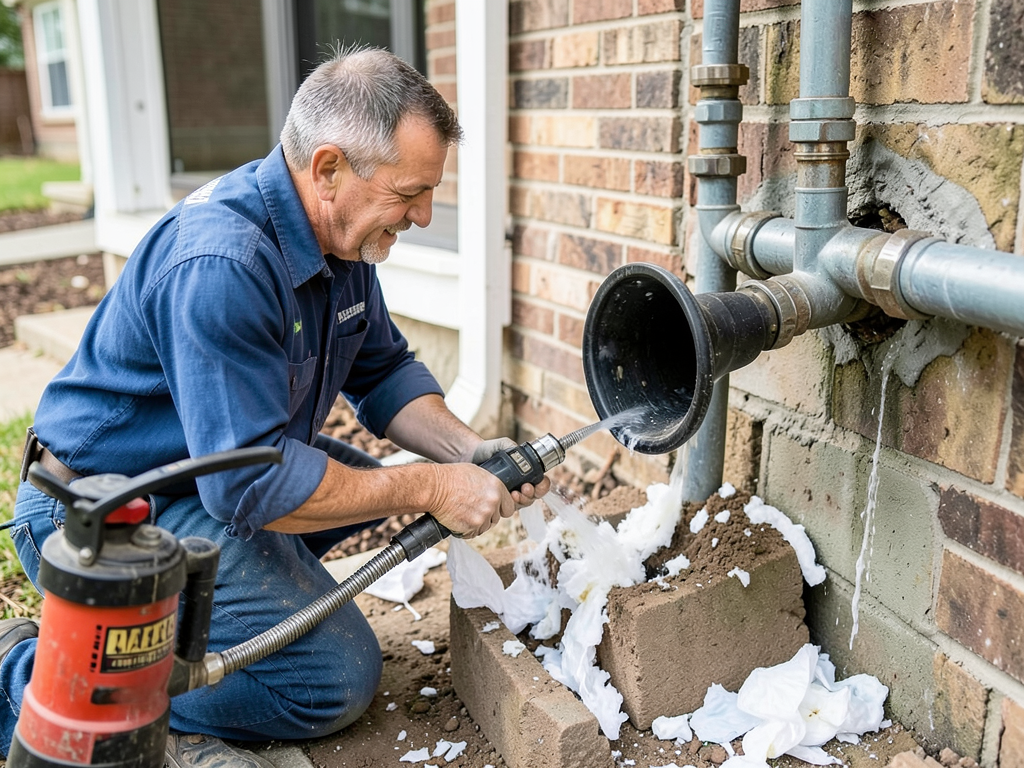

Charlotte Water delivers municipal water with total hardness ranging from 30 to 80 milligrams per liter, depending on your neighborhood's proximity to treatment facilities. This moderate hardness level accelerates sediment accumulation inside water heater tanks. The calcium carbonate precipitates out of solution when water temperature exceeds 140 degrees, settling to the bottom of the tank as a crusty layer. This sediment insulates the heating element or burner from the water, reducing efficiency and eventually causing overheating failures. During diagnosis, we account for sediment buildup as a primary failure mechanism in Charlotte water heaters, especially units more than five years old that have never been flushed. Properties served by well water in surrounding areas like Weddington and Waxhaw face even higher mineral content that requires more aggressive maintenance schedules.
Charlotte's plumbing code adopted the 2018 International Residential Code with local amendments that affect water heater installation and safety. Our technicians verify code compliance during every diagnostic visit because violations often contribute to component failure. We check for proper expansion tank installation, correctly sized temperature and pressure relief valves, and adequate combustion air supply for gas units. These code requirements exist for good reasons, and their absence creates operating conditions that stress components and shorten service life. Our local expertise means we catch installation defects that out-of-town or inexperienced plumbers miss entirely. When your diagnosis reveals code violations, we explain how to bring your system into compliance to prevent future failures and protect your home's safety.