Charlotte ranks among the fastest-growing cities in the United States, with commercial construction permits up 40 percent over the past five years. This growth creates stress on municipal water and sewer systems that were designed for a smaller population. Buildings constructed in the 1970s and 1980s now serve tenant loads double their original design capacity. Water pressure fluctuations during peak demand periods cause premature wear on fixtures and appliances. Industrial plumbing contractors who understand these infrastructure limitations design systems with pressure regulators, expansion tanks, and buffer capacity that residential contractors overlook. The city's transition from galvanized to PVC sewer mains also creates connection challenges where older buildings tie into newer municipal infrastructure.
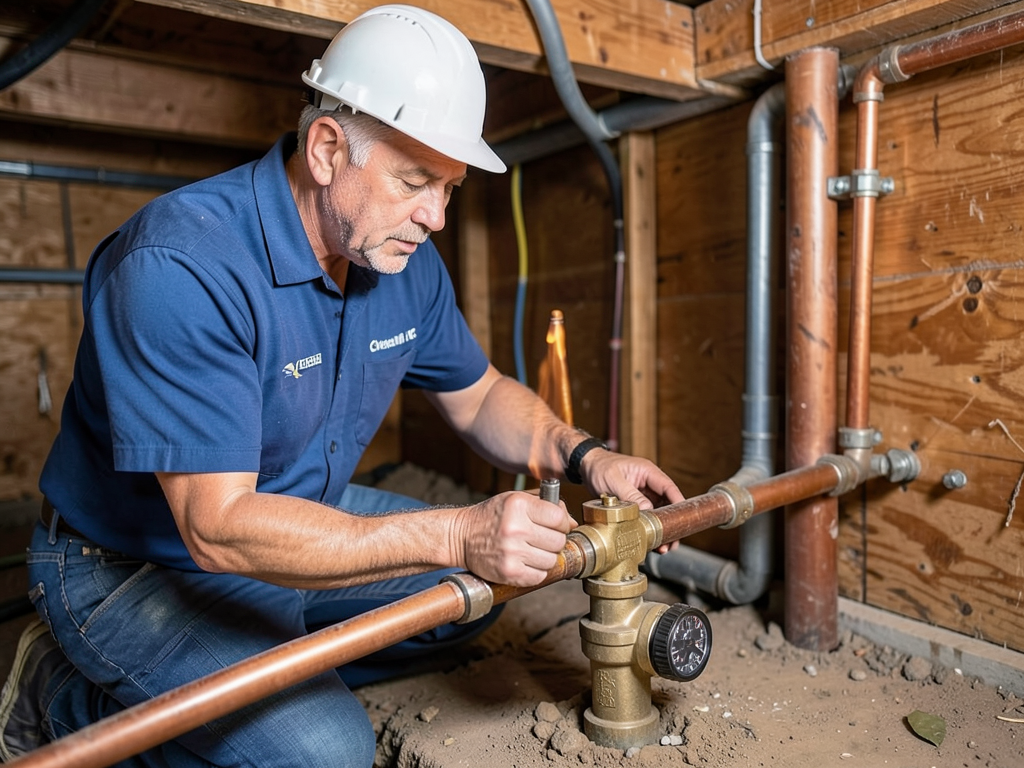
Mecklenburg County enforces some of the strictest backflow prevention and cross-connection control regulations in the region. Any commercial property with irrigation systems, fire suppression systems, or chemical injection equipment must install and annually test approved backflow devices. Charlotte Water requires certified testers and detailed reporting for all commercial accounts. Local commercial plumbing companies familiar with these requirements save you from compliance headaches and potential fines. The city also mandates grease interceptor sizing based on fixture unit calculations for any food service establishment. Undersized traps trigger violations and costly retrofits. Choosing contractors who understand local code nuances protects your investment and keeps your business operational.