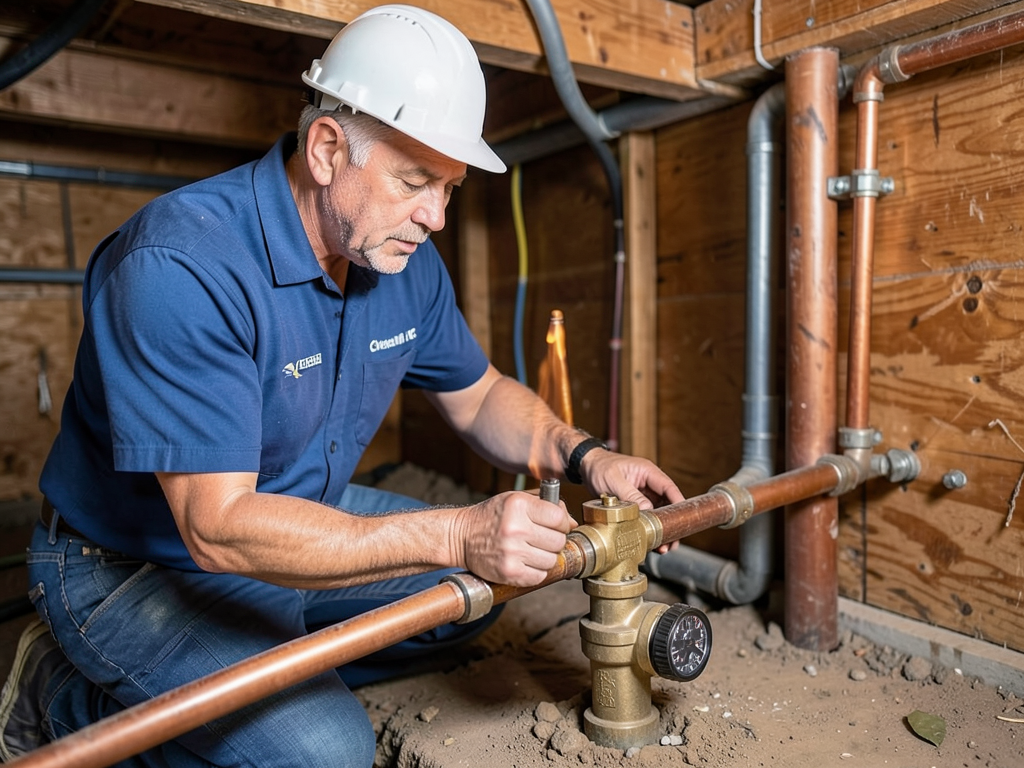
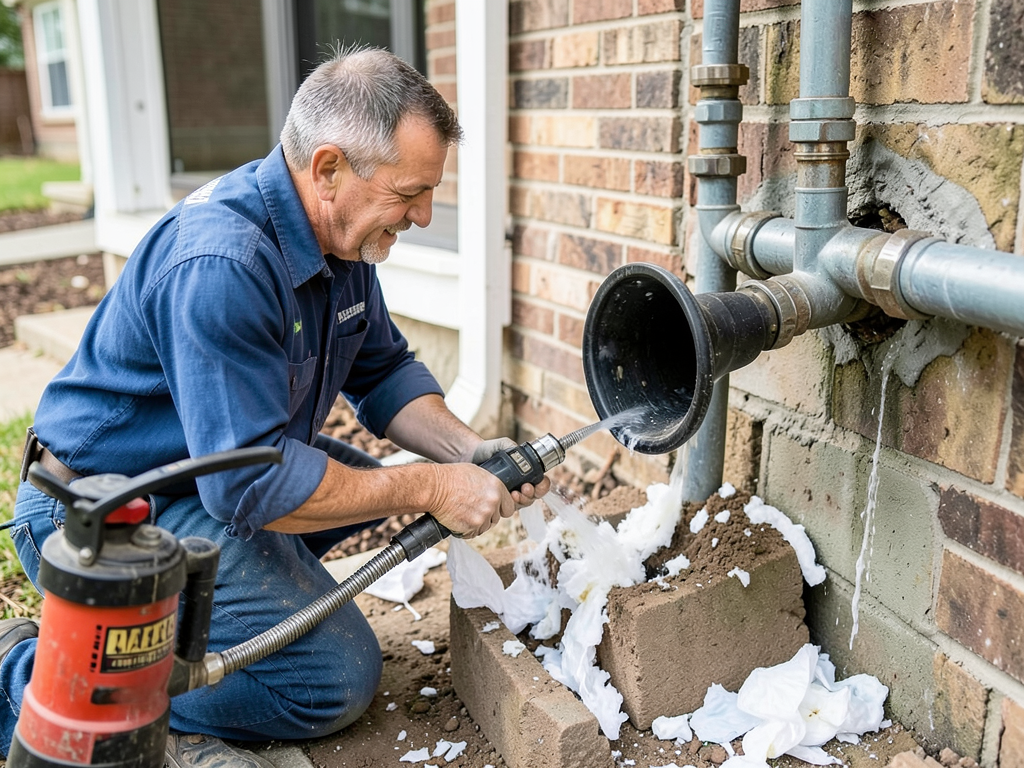
The Piedmont region's expansive clay soil causes constant stress on buried pipes. When Charlotte gets heavy rain, the clay absorbs water and swells. During dry summer months, the same soil shrinks and pulls away from pipe surfaces. This cycle repeats hundreds of times over a pipe's lifespan, flexing joints and stressing connection points. Add in Charlotte's winter temperature swings between freezing nights and 50-degree afternoons, and the ground movement intensifies. Older galvanized steel and cast iron water service lines cannot flex with this movement, leading to cracks at joints and corrosion-weakened sections. That is why emergency water main repair calls spike in late winter and early spring when the freeze-thaw cycle peaks.
Charlotte Water maintains one of the region's largest municipal systems, but responsibility shifts to property owners at the meter. Many homeowners do not realize their water service line falls outside city maintenance until a break happens. Keystone Plumbing Charlotte works directly with city inspectors and understands local permit requirements for underground water line repair. We know which repairs require formal inspection and which fall under routine maintenance. That local knowledge keeps your repair moving forward without bureaucratic delays. Our familiarity with Charlotte's neighborhood-specific infrastructure also means we can anticipate problems before we dig, especially in older areas where original pipe materials and installation methods create predictable failure patterns.