Menu

Water Stains on Ceiling or Walls in Charlotte | Expert Diagnosis Before Damage Spreads

Those brown spots and yellow water marks are warning signs of hidden plumbing failures. Our leak detection specialists identify the exact source of water stains on ceiling or walls, stopping the damage before mold takes hold in your Charlotte home.

Slider Image 1
Slider Image 2
Slider Image 3
Slider Image 4
Slider Image 5
Slider Image 7
Slider Image 8
Slider Image 9
Slider Image 10
Slider Image 11

Why Water Stains Appear in Charlotte Homes

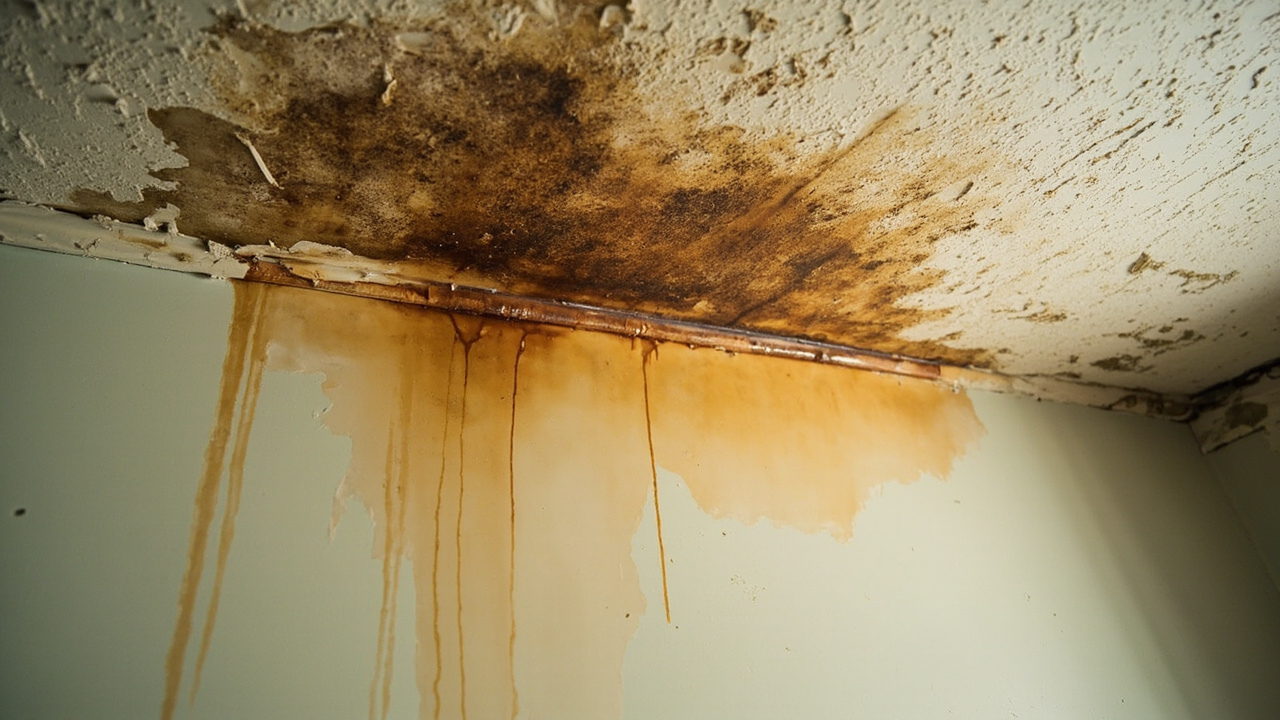
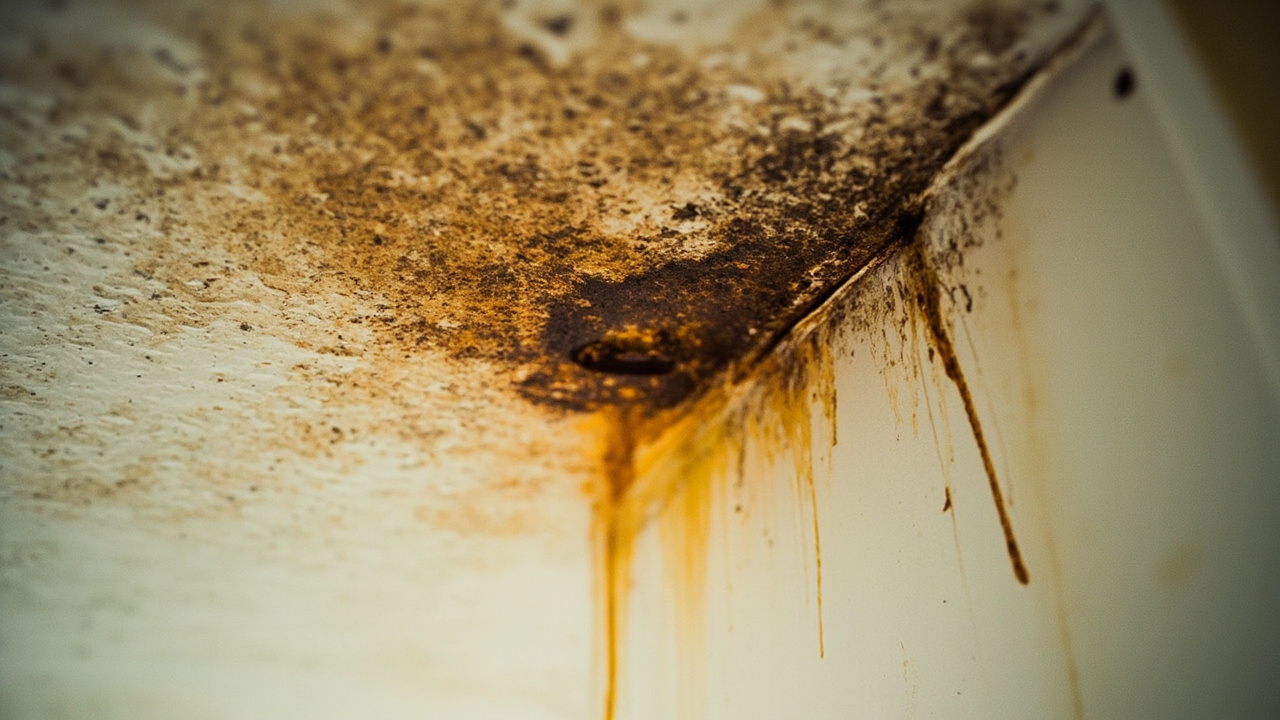
You walk into your living room and notice a brown spot on the ceiling that was not there last week. Or you see yellow water marks creeping across your bedroom wall. These ceiling discoloration from leak signals are your home screaming for help.

Charlotte's clay soil shifts with seasonal moisture changes, putting stress on foundation slabs and underground supply lines. When a pipe connection loosens or a pinhole leak develops, water migrates through insulation and drywall before you see the first damp patch on walls. By the time moisture stains on drywall become visible, gallons of water have already soaked into building materials.

The humid summers make it worse. Condensation from poorly insulated cold water lines can create persistent dampness that looks identical to a slow leak. You might ignore a small discoloration, thinking it will dry out. It will not. The water source is still active.

Brown spots on ceiling often indicate a roof leak, but in two-story homes, they frequently point to a second-floor bathroom supply line or drain failure. The water travels along joists and studs before staining the ceiling below. That small spot you see represents a much larger saturated area hidden above the drywall.

Ignoring these stains invites mold growth within 48 hours of initial water contact. The longer water sits inside wall cavities, the more extensive the remediation becomes. What starts as a simple pipe repair turns into a drywall replacement project with mold abatement costs.

Why Water Stains Appear in Charlotte Homes
How We Find the Real Source of Water Stains

How We Find the Real Source of Water Stains

A water stain is never just a cosmetic problem. It is a symptom. Our diagnostic approach starts by ruling out the obvious culprits, then moves to the hidden ones.

We use infrared thermal imaging cameras to scan wall and ceiling surfaces. These cameras detect temperature differentials caused by moisture evaporation. A wet spot behind drywall appears as a cold signature on the thermal image. This technology lets us map the moisture pattern without cutting exploratory holes in every wall.

Next, we trace supply lines and drain pipes in the affected area. We pressurize supply lines with nitrogen to detect even microscopic leaks that do not show up during normal water flow. For drains, we run a smoke test, pumping non-toxic theatrical smoke through the system. If there is a crack or failed seal, smoke seeps out and shows us exactly where the problem exists.

Charlotte homes built before 1990 often have galvanized steel supply lines that corrode from the inside out. You cannot see the damage until the pipe fails. We inspect accessible sections with a borescope camera, checking for scale buildup and corrosion that indicates imminent failure.

We also check your water heater's temperature and pressure relief valve discharge line, washing machine hoses, and refrigerator supply lines. These are frequent leak sources that homeowners overlook. If your home has a second-story HVAC system, we inspect the condensate drain line. A clogged drain pan overflows directly onto the ceiling below.

Once we isolate the leak source, we explain what failed, why it failed, and what surrounding components might be at risk. You get a clear picture before any repair begins.

What Happens When You Call About Water Stains

Water Stains on Ceiling or Walls in Charlotte | Expert Diagnosis Before Damage Spreads
01

Immediate Leak Assessment

We arrive with thermal imaging equipment and moisture meters to map the water intrusion. Our technician inspects all plumbing fixtures and supply lines near the stained area, checking water pressure and listening for hidden flow. We document the moisture levels in drywall and insulation to establish a baseline for drying. You get a clear explanation of what we find in plain language.
02

Pinpoint Source Identification

Using smoke testing or pressure testing, we confirm the exact failure point. This might be a cracked drain fitting, a corroded supply line, or a failed wax ring under a toilet. We trace the entire run of affected piping to check for additional weak points. If we need to open a wall section for access, we mark the smallest cut possible and explain why it is necessary.
03

Repair and Verification

We replace the failed component with code-compliant materials, test the repair under full pressure, and verify no secondary leaks exist. Before we leave, we recheck moisture levels and provide drying recommendations. If the drywall is saturated beyond salvage, we document the damage for your insurance claim and refer you to a trusted restoration contractor. You get photos of the completed work and a written summary.

Why Charlotte Homeowners Choose Our Leak Detection Team

Most plumbers will cut a hole in your wall, find the leak, fix it, and leave. You are stuck coordinating drywall repair and repainting. That approach costs you time and creates unnecessary frustration.

We take a different approach. We use diagnostic technology to minimize invasive exploratory work. Thermal imaging and pressure testing mean fewer holes in your walls and faster answers. When we do need to open a wall, we cut precisely where the problem exists, not in three places hoping to find it.

Charlotte's building codes require specific materials and methods for water supply repairs. We follow the North Carolina State Building Code for all pressurized plumbing work, which means your repair passes inspection if you need to file an insurance claim. Many handymen and unlicensed operators skip this step, leaving you with code violations that complicate future home sales.

Our team knows the common failure points in Charlotte's housing stock. We have worked in Dilworth's historic bungalows with original cast iron drains, Myers Park's mid-century ranch homes with polybutylene supply lines, and new construction in Ballantyne with PEX systems. Each era of home building has specific vulnerabilities. That experience means we find problems faster and recommend repairs that match your home's age and construction type.

We also understand how insurance claims work. If your leak qualifies for coverage, we provide the documentation adjusters need: photos of the damage, moisture readings, a detailed scope of loss, and a repair estimate that separates plumbing work from drywall restoration. This speeds up your claim and reduces out-of-pocket costs.

You will not get a sales pitch for unnecessary repiping or scare tactics about mold. You get honest information about what failed, what needs immediate repair, and what can wait.

What to Expect During Your Water Stain Investigation

Response Time and Availability

We schedule leak investigations within 24 hours of your call because water damage accelerates quickly. If you have an active leak with visible dripping or pooling water, we treat it as an emergency and respond the same day. Our technicians arrive in a marked truck with all diagnostic equipment onboard. Most investigations take 60 to 90 minutes, depending on how many potential sources we need to rule out. You will not wait days for answers while water continues damaging your home.

Diagnostic Process and Transparency

Before we start cutting walls, we explain what we are looking for and why. You see the thermal images on our camera screen. We show you the moisture meter readings. If we recommend opening a wall section, we explain what we expect to find and how we will minimize the opening. We walk you through every step so you understand what is happening in your home. You get photos of the leak source and the surrounding area for your records.

Repair Quality and Materials

We use pressure-rated materials that meet or exceed North Carolina plumbing code requirements. Copper supply lines get lead-free solder joints. PEX connections use crimp or expansion fittings, never push-to-connect shortcuts. Drain repairs use Schedule 40 PVC or ABS with proper venting. We test every repair under full system pressure before we close up any walls. You receive a detailed invoice listing all materials and labor, plus photos showing the completed work and verification testing.

Follow-Up and Prevention Guidance

After the repair, we provide a written summary of what caused the leak and what you can monitor to prevent future failures. If we found corroded piping in one area, we explain what other sections of your plumbing might be at risk. We return 48 hours after the repair to recheck moisture levels and confirm the leak is fully stopped. If you need drywall restoration, we refer you to contractors we trust and provide the documentation they need to match the repair scope.

Frequently Asked Questions

You Have Questions,
We Have Answers

Why is there a water stain on my ceiling but no leak? +

You may see a ceiling stain even after a leak stops. Condensation from HVAC ducts is common in Charlotte's humid climate, especially in summer months. The stain appears when moisture collects on cold ductwork in your attic and drips onto drywall below. Roof leaks can seal themselves temporarily as shingles expand in heat, leaving only the stain behind. Old plumbing leaks that have dried up also leave lasting marks. The stain is evidence that water was present. You need a professional inspection to confirm the source is truly resolved and check for hidden damage.

When to be concerned about water spots on a ceiling? +

Act immediately if the stain spreads, darkens, or feels damp to the touch. Sagging drywall or bubbling paint signals active water intrusion. Charlotte homes often face ceiling stains after heavy thunderstorms or ice damming during rare freezes. Fresh yellow or brown rings indicate an ongoing leak. You should also worry if you smell musty odors or see visible mold around the stain. Even dry stains warrant inspection because they show water entered your home at some point. Hidden structural damage or mold growth may exist behind the surface.

Why am I getting wet spots on my ceiling? +

Wet ceiling spots typically come from roof leaks, plumbing failures, or HVAC condensation. In Charlotte, roof damage from wind-driven rain or fallen tree limbs during storms is frequent. Check your attic after heavy rain to pinpoint the source. Upstairs bathroom leaks from tubs, toilets, or supply lines also cause ceiling spots in rooms below. AC drain pans overflow when condensate lines clog, especially during humid summer months. Poorly insulated ductwork sweats and drips. Each source requires different repairs, so accurate diagnosis matters before you attempt fixes.

How to tell if water is leaking behind a wall? +

Look for peeling paint, wallpaper bubbling, or discoloration on your wall surface. Press the drywall gently. Soft or spongy areas indicate water damage behind the surface. Baseboards that warp or separate from the wall suggest moisture intrusion. You may notice a musty smell even without visible stains. Charlotte's clay soil shifts during wet seasons, sometimes cracking foundation walls and allowing groundwater seepage. Check for water pooling near the foundation after rain. Use a moisture meter to detect hidden wetness. Thermal imaging cameras reveal cold spots where water accumulates inside walls.

How to find source of water stain on ceiling? +

Start in the attic directly above the stain during or after rain. Water travels along rafters and pipes before dripping, so the leak source may be several feet upslope from the ceiling mark. Inspect roof penetrations like vents, chimneys, and skylights. Charlotte's afternoon thunderstorms make active leak tracking easier. Check upstairs plumbing fixtures and supply lines if the stain sits below a bathroom or kitchen. Pour water around suspected roof areas to recreate the leak. For persistent mystery leaks, a plumber uses cameras or pressure tests to locate hidden pipe failures.

Do water stains always mean mold? +

No, but mold risk increases significantly when water stains appear. Mold needs moisture, organic material like drywall, and 24 to 48 hours to colonize. Charlotte's humidity accelerates mold growth once water intrudes. A dry, old stain may have no active mold if the area dried quickly. Fresh or recurring stains create ideal conditions for hidden mold behind ceiling surfaces. You cannot confirm mold presence without removing drywall or testing. Assume mold risk is high if the stain smells musty or the area stays damp. Professional remediation prevents health hazards and structural decay.

How to tell if your ceiling is leaking? +

Active leaks show wet, discolored patches that expand during rain. Press the ceiling gently. A spongy feel or dripping water confirms an ongoing leak. Bubbling paint or sagging drywall means water has saturated the material. Listen for dripping sounds in your attic or walls. Charlotte homes often leak around roof valleys or flashing during heavy storms. Check after prolonged rain or when ice melts following rare winter freezes. Stains that darken or grow indicate the leak continues. A dry, static stain may mean the leak has stopped but damage remains.

Can I just paint over a water stained ceiling? +

No. Painting over a water stain without fixing the source guarantees the stain will bleed through and return. You must stop the leak first, then dry the affected area completely. Charlotte's humidity slows drying, so fans or dehumidifiers help. Check for mold before sealing the surface. Use a stain-blocking primer designed for water damage before applying finish paint. If drywall is soft, sagging, or crumbling, replace it entirely. Painting over compromised drywall hides structural damage and mold. Cutting corners leads to bigger repairs later and potential health risks.

Who to call if water stains on the ceiling? +

Call a licensed plumber if the stain appears below bathrooms, kitchens, or water heaters. Plumbers diagnose supply line leaks, drain failures, and fixture problems. For ceiling stains under the roof or attic, contact a roofing contractor to inspect shingles, flashing, and penetrations. HVAC technicians handle condensation issues from AC units or ductwork. In Charlotte, many homeowners benefit from a whole-home inspection to identify the exact source. A general contractor coordinates multiple trades if the damage involves plumbing, roofing, and drywall repair. Act quickly to prevent mold and escalating costs.

What are signs of a serious ceiling issue? +

Sagging or bowing ceilings signal structural failure and possible collapse risk. Evacuate the area immediately. Large, spreading stains indicate major water intrusion from burst pipes or roof damage. Visible mold growth, especially black or green patches, creates health hazards. Cracks radiating from the stain suggest drywall or framing damage. Peeling paint in multiple areas points to systemic moisture problems common in Charlotte's humid climate. Persistent musty odors mean hidden mold or standing water. If you see multiple warning signs together, call a professional immediately to assess safety and prevent catastrophic failure.

How Charlotte's Clay Soil and Humidity Make Water Stains More Dangerous

Charlotte sits on heavy clay soil that expands when wet and contracts when dry. This seasonal movement stresses slab foundations and underground supply lines, creating pinhole leaks that send water into wall cavities. The high humidity from May through September slows evaporation, keeping drywall damp longer and accelerating mold growth. A ceiling stain that might dry out in Phoenix stays wet for weeks here. That extended moisture contact destroys drywall paper facing and promotes microbial growth within 48 hours. Homes near Lake Norman or Lake Wylie face additional moisture from seasonal water table changes that pressurize foundation cracks and pipe penetrations.

Keystone Plumbing Charlotte specializes in leak detection and water intrusion diagnostics across Mecklenburg County. We understand the construction methods used in Charlotte neighborhoods from different building eras, whether it is the cast iron drains in Plaza Midwood bungalows or the PEX systems in University City developments. Local plumbers know where problems hide because we have seen the patterns across thousands of Charlotte homes. When you call a leak detection specialist who works exclusively in this region, you get faster diagnosis and fewer exploratory cuts because we already know the likely failure points for your home's age and neighborhood.
Plumbing Services in The Charlotte Area

Discover our service area and see how conveniently located Keystone Plumbing is to serve your residential and commercial needs. We are dedicated to bringing reliable, expert plumbing solutions right to your doorstep. Explore the map to visualize our reach and understand why we are the trusted local choice for all your plumbing requirements. We look forward to connecting with you and providing exceptional service wherever you are located within our service boundaries.

Address:
Keystone Plumbing Charlotte, 2015 Ayrsley Town Blvd #202, Charlotte, NC, 28273

Additional Services We Offer

Our news updates

Latest Articles & News from The Blogs

Why your water heater is rusting from the inside (and how the anode rod saves it) Your water heater tank…

Why your water heater is rusting from the inside (and how the anode rod saves it)

Why your water heater is rusting from the inside (and how the anode rod saves it) Your water heater tank…

Best Kitchen Faucet Finishes That Won't Show Hard Water Spots in Harrisburg

Best Kitchen Faucet Finishes That Won’t Show Hard Water Spots in Harrisburg Hard water spots can ruin the look of…

Soundproofing Your Pipes to Stop Hearing Your Neighbors Flush in Your Uptown Apartment

Soundproofing Your Pipes to Stop Hearing Your Neighbors Flush in Your Uptown Apartment Living in an Uptown Charlotte apartment means…

Contact Us

Water stains do not heal themselves. Every day you wait gives moisture more time to destroy insulation, drywall, and framing. Call Keystone Plumbing Charlotte now at (980) 342-9933. We will schedule your leak investigation and get answers within 24 hours.