
Replacing the heavy cast iron tub in your vintage Charlotte bathroom
Cast iron bathtubs weigh between 300 and 500 pounds and removing one from a vintage Charlotte bathroom requires planning safety gear and knowledge of local disposal rules. Many homes in Dilworth and Myers Park still have these heavy fixtures installed before 1980. The porcelain surface can shatter into razor-sharp shards during removal making DIY removal dangerous without proper tools and technique.
Before starting you must shut off the main water supply disconnect the P-trap and overflow and protect surrounding tile and drywall from damage. You have two main options: breaking the tub into smaller pieces with a sledgehammer or removing it whole with multiple people. Each method has trade-offs in time mess and risk. Is a Tankless Water Heater Worth It for Your Ballantyne Home?.
Charlotte residents must follow Mecklenburg County Solid Waste guidelines for bulky item disposal. The Foxhole Landfill accepts cast iron but requires proof of residency. Some scrap metal recyclers in the Charlotte area will pay for the raw iron content. Lead-and-oakum joints common in homes built before 1970 require special handling to avoid lead exposure. Mecklenburg County Solid Waste bulky item disposal.
If your home has lead pipes mold in the subfloor or the tub sits near load-bearing walls call a professional immediately. Keystone Plumbing at (980) 342-9933 offers safe removal and proper disposal in Charlotte and surrounding areas. Professional Toilet Repair and Installation Services in Matthews.
Tools and Safety Gear You Will Need
Removing a cast iron tub requires heavy-duty equipment and personal protection. The weight and fragility of the material create serious hazards if you are unprepared. EPA Renovation Repair and Painting Program.
- 12-pound sledgehammer with fiberglass handle
- Reciprocating saw with metal-cutting blade
- Heavy-duty eye protection and face shield
- Earplugs rated for 30 decibels or higher
- Heavy work gloves with cut resistance
- Drop cloths and plastic sheeting
- Utility knife and pry bar
- Dolly rated for 500-pound load
- Shop vacuum with HEPA filter
Never wear shorts or open-toed shoes during demolition. Porcelain shards can embed in skin and cause infections. A full-face respirator is recommended if your home was built before 1978 due to potential lead paint on the tub surface.
Preparation Steps Before Removal
Proper preparation prevents water damage and structural issues during removal. Follow these steps in order to protect your bathroom and make the job safer. Signs You Need a Main Water Line Replacement in Pineville.
- Shut off the main water valve located near the water meter or where the line enters the house.
- Drain remaining water by opening tub faucets and nearby sink taps.
- Disconnect the P-trap under the tub drain using channel-lock pliers.
- Remove the overflow cover plate and disconnect the linkage rod.
- Protect surrounding surfaces with drop cloths and plastic sheeting extending three feet in all directions.
- Check for mold or water damage around the tub perimeter before proceeding.
If you discover black mold or soft flooring stop work immediately. These conditions indicate moisture problems that require professional remediation before tub removal.
The Two Methods for Cast Iron Tub Removal
You can remove a cast iron tub by breaking it into pieces or by lifting it out whole. Each method requires different tools and safety considerations.
Method 1: Breaking the Tub Into Pieces
This method works best when doorways are narrow or when you lack manpower. The process creates significant dust and noise.
- Score the tub surface with a reciprocating saw along planned break lines.
- Wear full PPE including face shield and respirator.
- Strike the scored lines with controlled sledgehammer blows.
- Remove pieces incrementally using a dolly for transport.
- Vacuum dust immediately to prevent it from spreading through the house.
Breaking creates sharp edges and flying debris. Work slowly and never strike the tub from the side where shrapnel could ricochet toward you.
Method 2: Whole Removal With Multiple People
This method preserves the tub for resale or donation but requires at least three strong adults and clear pathways.
- Remove all surrounding tile to access tub edges.
- Cut any caulk or adhesive sealing the tub to walls.
- Position three or four people around the tub perimeter.
- Lift in unison keeping your backs straight and using leg strength.
- Slide the tub onto a heavy-duty dolly for transport.
Never attempt whole removal with fewer than three people. The weight distribution makes it impossible for two people to control the tub safely.
Disposal Options in Charlotte
Mecklenburg County regulates bulky waste disposal including cast iron tubs. You must follow specific guidelines to avoid fines or rejected loads.
| Disposal Method | Location | Requirements | Cost |
|---|---|---|---|
| Foxhole Landfill | 17131 Lancaster Highway | Mecklenburg County ID required | $25-50 per ton |
| Metrolina Recycling | 3718 South Boulevard | Separate metal from other waste | $15-30 per item |
| Private Hauler | Service area varies | Schedule pickup in advance | $75-150 per item |
Metrolina Recycling accepts cast iron separately from general waste and may pay based on current scrap metal prices. Call (980) 342-9933 for current rates and accepted materials.
Cost Factors for Professional Removal
Professional tub removal in Charlotte typically costs between $300 and $800 depending on several factors. Understanding these variables helps you budget accurately.
| Cost Factor | Low End | High End | Notes | |
|---|---|---|---|---|
| Basic removal | $300 | $400 | Standard access no complications | |
| Lead paint handling | $100 | $200 | EPA RRP compliance required | |
| Mold remediation | $200 | $500 | Depends on extent of damage | |
| Haul-away service | $50 | $150 | Distance to disposal site |
Homes built before 1978 require lead-safe work practices under EPA regulations. This adds time and specialized equipment to the job. Mold or water damage discovered during removal can double the final cost.
When to Call a Professional Immediately
Certain conditions make DIY tub removal dangerous or illegal. Recognize these warning signs and stop work immediately if you encounter them.
- Galvanized or lead water pipes that may break during disconnection
- Black mold visible on walls or flooring indicating moisture problems
- Cracked floor joists that cannot support the tub weight during removal
- Load-bearing walls adjacent to the tub that could be compromised
- Gas lines running near the tub that require professional shutoff
Lead-and-oakum joints common in pre-1970s plumbing can release lead dust when disturbed. The North Carolina State Plumbing Code requires licensed professionals to handle these materials. Contact Keystone Plumbing at (980) 342-9933 for safe removal. Common Sewer Line Issues for Historic Dilworth Properties and How to Fix Them.
Protecting Your Bathroom During Removal
Cast iron removal creates significant mess and potential for damage. Taking proper precautions saves you from expensive repairs later. Gas Line Repair & Installation.
- Seal off the bathroom with plastic sheeting and painter’s tape.
- Cover all fixtures including toilet sink and vanity with drop cloths.
- Remove or protect adjacent flooring with cardboard or plywood.
- Turn off HVAC systems to prevent dust circulation.
- Have a shop vacuum ready for immediate cleanup.
Dust from cast iron and old tile can spread through your entire house. Creating a containment barrier with zip doors prevents contamination of other rooms.
Transitioning to Modern Plumbing Fixtures
Once the old tub is removed you have opportunities to upgrade your bathroom plumbing. Modern fixtures offer better water efficiency and easier maintenance.
Consider replacing old galvanized pipes with PEX or copper during the renovation. Galvanized pipes corrode from the inside reducing water pressure over time. The International Plumbing Code allows PEX in most residential applications and it resists the mineral buildup common in Charlotte’s hard water.
Install a new P-trap assembly and overflow kit compatible with your new tub. Modern tubs use compression gaskets rather than lead-and-oakum seals making future maintenance much simpler.
Local Building Code Considerations
Mecklenburg County requires permits for bathroom plumbing modifications. The North Carolina State Building Code mandates specific requirements for tub replacement.
According to the NC Plumbing Code Section 305 any tub replacement must maintain proper drainage slope of at least 1/4 inch per foot. The code also requires accessible cleanouts for future maintenance. Failure to comply can result in failed inspections and costly rework.
If you discover cast iron drain pipes during removal you must either replace them with PVC or obtain a special waiver. Cast iron drains over 40 years old often have internal corrosion that reduces flow capacity by 50 percent or more.
Safety Tips From Professional Plumbers
Professional plumbers follow specific protocols when removing cast iron tubs. These techniques prevent injuries and property damage.
Always work with a partner when lifting or breaking the tub. The weight creates momentum that can cause serious injuries if you lose control. Use proper lifting techniques: bend at the knees keep your back straight and lift with your legs.
Never stand directly in front of the tub when breaking it. Position yourself to the side and strike at an angle. This reduces the risk of flying debris hitting you at high velocity.
Test for lead paint before disturbing any surface in homes built before 1978. Lead test kits are available at hardware stores or you can hire a certified inspector. Lead exposure can cause serious health problems especially in children and pregnant women.
Environmental Considerations
Cast iron tubs contain iron steel and sometimes enamel coatings. Proper disposal prevents these materials from entering landfills unnecessarily.
Recycling cast iron reduces the need for new iron ore mining. One recycled tub saves approximately 1000 pounds of raw material. Many Charlotte area scrap yards accept cast iron and pay based on current market rates.
If your tub has significant rust or damage recycling may be your only option. However tubs in good condition can be refinished and reused extending their useful life by 20 years or more.
Frequently Asked Questions
How much does a cast iron tub weigh?
Most cast iron tubs weigh between 300 and 500 pounds depending on size and thickness. Clawfoot tubs tend toward the higher end while alcove tubs are slightly lighter.
Can I recycle my old cast iron tub?
Yes. Most scrap metal yards in Charlotte accept cast iron tubs. Call ahead to confirm they accept bulky items and ask about current prices per pound.
Do I need a permit to replace my tub?
Mecklenburg County requires permits for tub replacement if you modify plumbing or electrical systems. Simple swap-outs may not require permits but check with local building officials.
How long does professional tub removal take?
Professional removal typically takes 2-4 hours including preparation disposal and cleanup. Complex jobs with lead paint or structural issues may take longer.
What should I do if I find mold during removal?
Stop work immediately and call a mold remediation specialist. Disturbing mold releases spores that can spread throughout your home and create health hazards.
Can I donate my old tub?
Some charities accept cast iron tubs in good condition. Habitat for Humanity ReStores in Charlotte may accept them but call first to confirm acceptance criteria.
How do I dispose of porcelain shards?
Double bag porcelain shards in heavy-duty trash bags. Label the bags as containing sharp objects. Do not place them in recycling bins as they contaminate other materials.
What if my tub is stuck to the floor?
Tubs can be sealed with construction adhesive or mortar. Use a reciprocating saw to cut through adhesive or carefully break the seal with a pry bar. Never use excessive force that could damage floor joists.
Should I replace old pipes when removing the tub?
Consider replacing galvanized pipes over 50 years old. They corrode internally reducing water pressure and can develop pinhole leaks. PEX offers better longevity and freeze resistance.
How do I protect my back during removal?
Use proper lifting techniques and never attempt to lift a cast iron tub alone. Consider using a motorized stair climber dolly for second-floor removal. Your safety is worth the equipment rental cost.
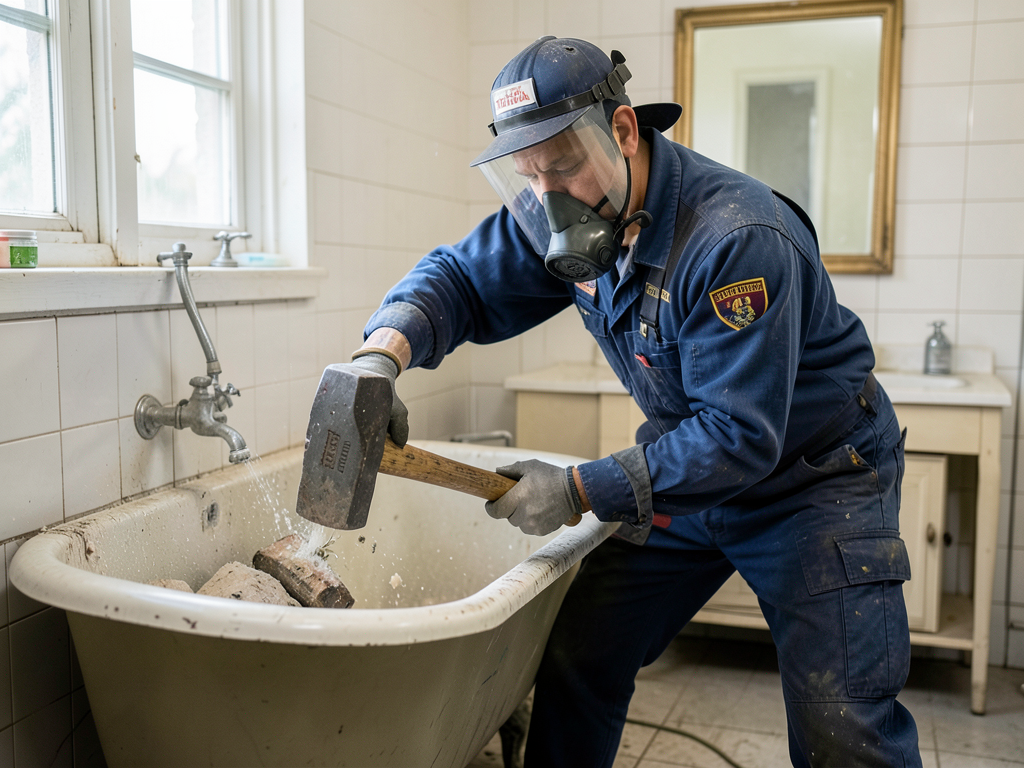

Removing a cast iron tub from your vintage Charlotte bathroom requires careful planning proper tools and knowledge of local disposal regulations. The weight alone makes this a two-person job at minimum and the potential for lead exposure mold discovery or structural damage means you should know your limits.
If you encounter any warning signs like lead pipes mold or load-bearing walls near the tub stop work and call a professional. Keystone Plumbing at (980) 342-9933 has the equipment training and local knowledge to handle your tub removal safely and in compliance with Mecklenburg County regulations.
Don’t risk injury or property damage trying to handle this heavy-duty project alone. Call (980) 342-9933 today to schedule your inspection and get a clear quote for professional cast iron tub removal in Charlotte.
{
“@context”: “https://schema.org”,
“@type”: “BlogPosting”,
“headline”: “Replacing the heavy cast iron tub in your vintage Charlotte bathroom”,
“description”: “Removing a 300-500 lb cast iron tub in Charlotte? Learn DIY vs professional removal, local disposal rules, and when to call Keystone Plumbing at (980) 342-9933.”,
“wordCount”: 2074,
“datePublished”: “2026-06-11T13:10:00.000Z”,
“dateModified”: “2026-06-11T13:10:00.000Z”,
“inLanguage”: “en-US”,
“mainEntityOfPage”: {
“@type”: “WebPage”,
“@id”: “https://keystoneplumbingcharlotte.com”
},
“publisher”: {
“@type”: “LocalBusiness”,
“name”: “Keystone Plumbing Charlotte”,
“url”: “https://keystoneplumbingcharlotte.com”
},
“author”: {
“@type”: “Organization”,
“name”: “Keystone Plumbing Charlotte”,
“url”: “https://keystoneplumbingcharlotte.com”
},
“image”: {
“@type”: “ImageObject”,
“url”: “https://keystoneplumbingcharlotte.com/wp-content/uploads/2026/03/replacing-the-heavy-cast-iron-tub-in-your-vintage-1.png”
}
}
{
“@context”: “https://schema.org”,
“@type”: “Plumber”,
“name”: “Keystone Plumbing Charlotte”,
“url”: “https://keystoneplumbingcharlotte.com”,
“address”: {
“@type”: “PostalAddress”,
“addressLocality”: “Charlotte”
},
“areaServed”: {
“@type”: “City”,
“name”: “Charlotte”
}
}
{
“@context”: “https://schema.org”,
“@type”: “FAQPage”,
“mainEntity”: [
{
“@type”: “Question”,
“name”: “How much does a cast iron tub weigh?”,
“acceptedAnswer”: {
“@type”: “Answer”,
“text”: “Most cast iron tubs weigh between 300 and 500 pounds depending on size and thickness. Clawfoot tubs tend toward the higher end while alcove tubs are slightly lighter.”
}
},
{
“@type”: “Question”,
“name”: “Can I recycle my old cast iron tub?”,
“acceptedAnswer”: {
“@type”: “Answer”,
“text”: “Yes. Most scrap metal yards in Charlotte accept cast iron tubs. Call ahead to confirm they accept bulky items and ask about current prices per pound.”
}
},
{
“@type”: “Question”,
“name”: “Do I need a permit to replace my tub?”,
“acceptedAnswer”: {
“@type”: “Answer”,
“text”: “Mecklenburg County requires permits for tub replacement if you modify plumbing or electrical systems. Simple swap-outs may not require permits but check with local building officials.”
}
},
{
“@type”: “Question”,
“name”: “How long does professional tub removal take?”,
“acceptedAnswer”: {
“@type”: “Answer”,
“text”: “Professional removal typically takes 2-4 hours including preparation disposal and cleanup. Complex jobs with lead paint or structural issues may take longer.”
}
},
{
“@type”: “Question”,
“name”: “What should I do if I find mold during removal?”,
“acceptedAnswer”: {
“@type”: “Answer”,
“text”: “Stop work immediately and call a mold remediation specialist. Disturbing mold releases spores that can spread throughout your home and create health hazards.”
}
},
{
“@type”: “Question”,
“name”: “Can I donate my old tub?”,
“acceptedAnswer”: {
“@type”: “Answer”,
“text”: “Some charities accept cast iron tubs in good condition. Habitat for Humanity ReStores in Charlotte may accept them but call first to confirm acceptance criteria.”
}
},
{
“@type”: “Question”,
“name”: “How do I dispose of porcelain shards?”,
“acceptedAnswer”: {
“@type”: “Answer”,
“text”: “Double bag porcelain shards in heavy-duty trash bags. Label the bags as containing sharp objects. Do not place them in recycling bins as they contaminate other materials.”
}
},
{
“@type”: “Question”,
“name”: “Should I replace old pipes when removing the tub?”,
“acceptedAnswer”: {
“@type”: “Answer”,
“text”: “Consider replacing galvanized pipes over 50 years old. They corrode internally reducing water pressure and can develop pinhole leaks. PEX offers better longevity and freeze resistance.”
}
}
]
}
{
“@context”: “https://schema.org”,
“@type”: “BreadcrumbList”,
“itemListElement”: [
{
“@type”: “ListItem”,
“position”: 1,
“name”: “Home”,
“item”: “https://keystoneplumbingcharlotte.com”
},
{
“@type”: “ListItem”,
“position”: 2,
“name”: “Blog”,
“item”: “https://keystoneplumbingcharlotte.com/blog”
},
{
“@type”: “ListItem”,
“position”: 3,
“name”: “Replacing the heavy cast iron tub in your vintage Charlotte bathroom”
}
]
}
{
“@context”: “https://schema.org”,
“@type”: “Service”,
“serviceType”: “Plumbing”,
“provider”: {
“@type”: “LocalBusiness”,
“name”: “Keystone Plumbing Charlotte”,
“url”: “https://keystoneplumbingcharlotte.com”
},
“areaServed”: {
“@type”: “City”,
“name”: “Charlotte”
},
“description”: “Removing a 300-500 lb cast iron tub in Charlotte? Learn DIY vs professional removal, local disposal rules, and when to call Keystone Plumbing at (980) 342-9933.”
}