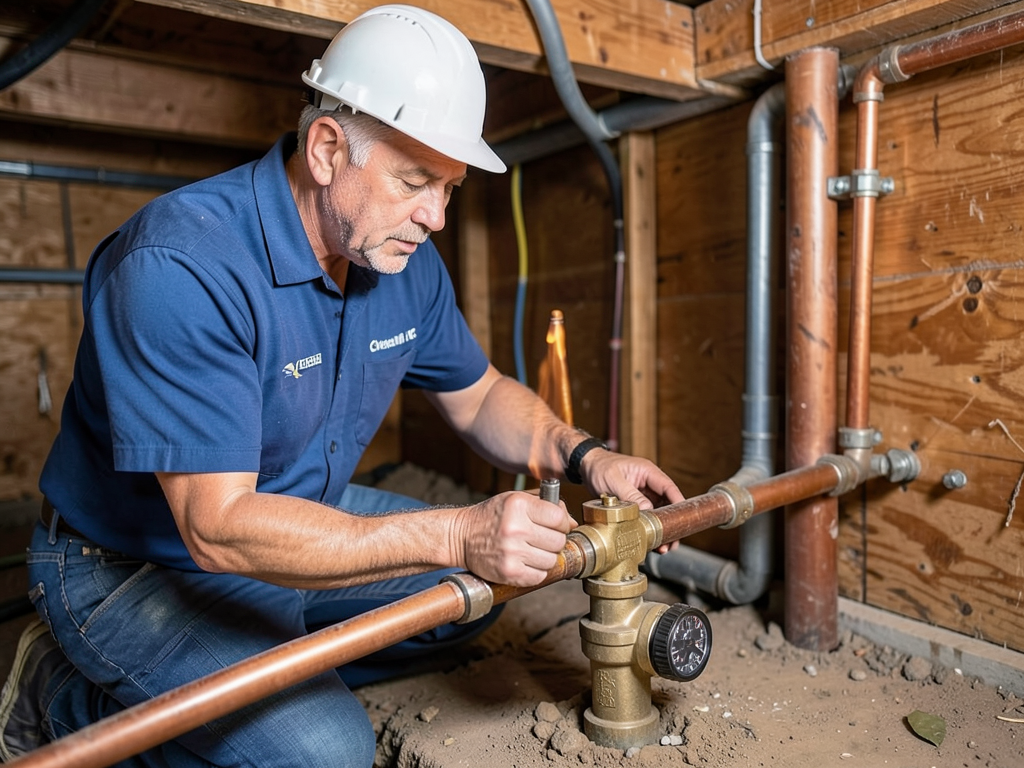
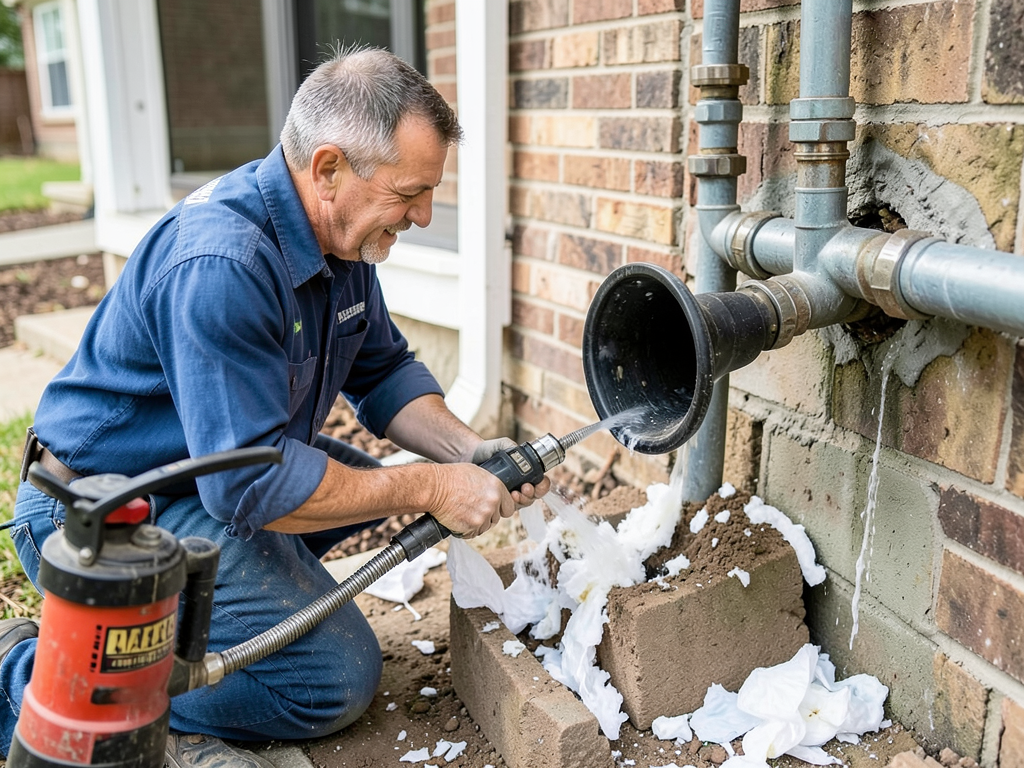
Mecklenburg County sits on Piedmont clay that expands up to 10 percent when saturated and contracts dramatically during dry periods. This cyclical movement creates constant friction between your concrete slab and the copper supply lines embedded beneath it. Unlike stable soils in other regions, Charlotte's clay never stops shifting. Each wet-dry cycle slightly abrades the pipe surface until pinholes form. Areas near Little Sugar Creek and Briar Creek experience higher water tables, which keeps soil saturated longer and accelerates corrosion. Under slab plumbing repair becomes inevitable as pipes age in this aggressive environment, not a sign of poor original installation.
Charlotte's rapid growth in the 1960s and 1970s produced thousands of slab foundation homes now reaching the age where original plumbing fails. Local plumbers who understand this building history can predict which pipe materials and layouts will fail first. Keystone Plumbing Charlotte has mapped the common failure points across neighborhoods from Plaza Midwood to South End. We know which builders used Type M versus Type L copper, where soil conditions are most aggressive, and how local water chemistry affects pipe longevity. This knowledge lets us diagnose faster and recommend repairs that account for your specific location's soil and water conditions, not generic solutions that ignore Charlotte's unique challenges.