
Why you should never flush “flushable” wipes down your toilet in Matthews
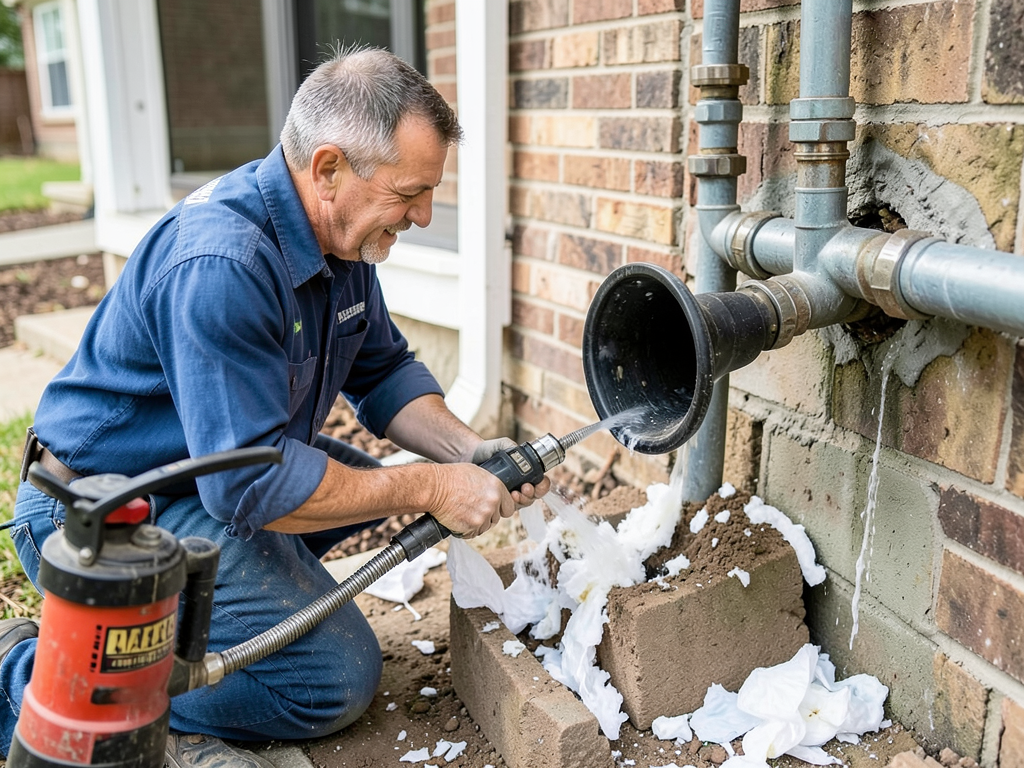
The short answer is simple. Those “flushable” wipes are causing major plumbing disasters in Matthews homes right now. When you flush them down your toilet, they don’t break down like toilet paper does. Instead, they travel through your pipes intact, catching on rough pipe joints, tree roots, and pipe bends. Once they snag, they collect more wipes, grease, and debris until you have a complete blockage that requires professional hydro-jetting to clear. Professional Toilet Repair and Installation Services in Matthews.
Matthews homeowners are discovering this the hard way. The Piedmont clay soil common in this area shifts and settles, creating small cracks and rough spots inside pipes where wipes get stuck. Add the high humidity we experience in Mecklenburg County, and you have the perfect conditions for wipes to absorb moisture, expand, and create stubborn clogs that regular snaking cannot remove. Common Sewer Line Issues for Historic Dilworth Properties and How to Fix Them.
The Marketing Myth Behind “Flushable” Wipes
Manufacturers can legally call wipes “flushable” because they will physically go down your toilet. That’s where the truth ends. The Federal Trade Commission allows this labeling because the wipes are technically “transportable” through plumbing systems, not because they actually break down safely.
According to the EPA’s WaterSense program, only toilet paper and human waste should ever go down your toilet. Everything else belongs in the trash. The term “flushable” creates a dangerous misconception that leads to thousands of dollars in plumbing repairs for Matthews families every year.
Charlotte Water, our local utility, reports that non-dispersible materials like wipes cause over 75% of sewer blockages in the Mecklenburg County system. These blockages lead to sewage backups, environmental contamination, and expensive infrastructure repairs that ultimately get passed on to homeowners through utility rates. Is a Tankless Water Heater Worth It for Your Ballantyne Home?.
The Science of the Clog: Toilet Paper vs. Wipes
Let’s look at what actually happens when you flush different materials. Toilet paper is made from short cellulose fibers that immediately begin breaking down when they hit water. Within seconds, toilet paper starts to disintegrate into tiny pieces that flow easily through your plumbing system. Signs You Need a Main Water Line Replacement in Pineville.
Flushable wipes are made from non-woven synthetic fibers, typically a blend of polyester and cellulose. These fibers are designed to be strong and durable when wet. A standard flushable wipe can take months to break down, and even then, it doesn’t fully disintegrate like toilet paper does.
You can test this yourself with the simple jar test. Fill a clear jar with water, add a piece of toilet paper and a flushable wipe, then shake it for about 10 seconds. The toilet paper will turn to mush while the wipe remains intact and strong enough to hold its shape. This is exactly what happens inside your pipes.
The tensile strength of these synthetic fibers is the real problem. While toilet paper has a tensile strength of about 5-10 Newtons when wet, flushable wipes maintain 50-100 Newtons of strength. That’s 10 times stronger than what your plumbing system was designed to handle.
Impact on Charlotte’s Sewer System
Matthews is part of the larger Charlotte metropolitan area served by Charlotte Water’s extensive sewer network. When wipes enter this system, they don’t just disappear. They travel through miles of pipes, combining with grease, oils, and other debris to form massive blockages called “fatbergs.”
Charlotte Water spends over $250,000 annually removing these blockages from the system. The problem is so severe that the utility has launched public education campaigns specifically warning against flushing wipes. In 2023 alone, Charlotte Water crews removed over 500 tons of wipes and other non-dispersible materials from the sewer system.
The Matthews area, with its mix of older homes and newer developments, faces unique challenges. Older neighborhoods like those near downtown Matthews often have cast iron pipes with rough interior surfaces that catch wipes easily. Newer homes might have PVC pipes, but even those develop small imperfections over time that can trap these materials.
When wipes combine with grease in your pipes, they create a cement-like blockage that cannot be cleared with a standard plumber’s snake. This is why Matthews homeowners often need expensive hydro-jetting services that use high-pressure water to blast through these stubborn clogs.
Common Signs of a Wipe Clog
How do you know if you’ve already created a wipe clog in your Matthews home? There are several warning signs that indicate you need professional help immediately.
Slow draining toilets and sinks are often the first sign. If your toilet takes longer than usual to empty or you hear gurgling sounds when you flush, wipes may be catching in your pipes. These sounds occur because air is trapped behind the blockage and forced through water.
Multiple fixtures backing up at once is a serious red flag. If flushing your toilet causes water to back up into your shower or sink, you likely have a main line blockage. This happens when wipes have traveled far enough to block the main sewer line where all your home’s drains connect.
Sewer odors coming from drains indicate that your plumbing trap seals are being compromised by blockages. When wipes create partial clogs, they can allow sewer gases to escape through your home’s plumbing system, creating unpleasant and potentially dangerous conditions.
Standing water in your yard near the sewer cleanout might mean wipes have caused an outdoor blockage. This is especially common in Matthews where mature trees have extensive root systems that can penetrate pipes and catch wipes, creating outdoor blockages that are even more expensive to repair.
Safe Alternatives for Matthews Residents
Fortunately, there are several safe alternatives that provide the same hygiene benefits without risking your plumbing system. Modern bidet attachments have become increasingly popular in Matthews homes and cost between $50-150 for a quality unit.
Bidet attachments install directly onto your existing toilet and use clean water to provide thorough cleaning. They reduce or eliminate the need for wipes entirely while actually improving hygiene. Many Matthews residents report that once they install a bidet, they never want to go back to using wipes.
If you prefer wipes for certain situations, keep a small trash can with a lid next to your toilet. This simple solution prevents plumbing disasters while maintaining convenience. Choose a can with a foot pedal and use biodegradable bags to make disposal even easier.
Compostable wipes made from bamboo or other plant-based materials are another option, though you should still throw these in the trash rather than flushing them. These products break down much faster in landfills than synthetic wipes and don’t contribute to fatbergs in our sewer system.
For families with young children, flushable diaper liners can be a good compromise. These are specifically designed to break down more quickly than standard wipes, though they still should not be flushed regularly. The key is moderation and proper disposal when needed.
Understanding Your Plumbing System
Matthews homes typically use one of two main plumbing materials. Homes built before 1980 often have cast iron pipes that are more susceptible to wipe clogs due to their rough interior surfaces. These pipes also corrode over time, creating even more places for wipes to catch.
Newer Matthews homes built after 2000 usually have PVC pipes, which have smoother interiors but can still develop problems. PVC pipes are more flexible and resistant to corrosion, but they can still be damaged by tree roots or develop small cracks that catch wipes.
The main sewer line connecting your home to the municipal system is typically 4 inches in diameter and runs under your yard. This line has multiple bends and connections where wipes commonly get stuck. In Matthews, where the water table can be high due to our clay soil, these blockages can cause sewage to back up into your home more quickly.
According to the Mecklenburg County Plumbing Code, all residential plumbing must be installed to prevent cross-connections and ensure proper drainage. However, these codes cannot account for homeowners flushing materials that the system wasn’t designed to handle.
Professional Solutions for Existing Clogs
If you suspect wipes have already caused a clog in your Matthews home, don’t wait for the problem to get worse. Professional plumbers use several methods to clear these stubborn blockages, with costs typically ranging from $300-800 depending on severity.
Hydro-jetting is the most effective solution for wipe clogs. This process uses high-pressure water, typically 3,000-4,000 PSI, to blast through blockages and clean the inside of your pipes. Unlike snaking, which just pokes a hole through the clog, hydro-jetting completely removes all debris and restores full pipe diameter.
Video camera inspection is often the first step in diagnosing wipe clogs. Plumbers insert a small camera into your pipes to locate exactly where wipes have created blockages. This allows them to target their cleaning efforts and check for any pipe damage that might need repair.
For severe blockages, plumbers might need to perform trenchless pipe repair. This minimally invasive technique can fix damaged pipes without digging up your yard, though costs can range from $2,000-5,000 for extensive repairs. This is sometimes necessary when wipe clogs have been building up for years.
Regular maintenance can prevent future problems. Many Matthews homeowners schedule annual drain cleaning services that include hydro-jetting to keep their pipes clear. This preventive approach costs around $200-300 per year but can save thousands in emergency repairs.
Environmental Impact Beyond Your Home
The wipes you flush don’t just affect your plumbing. They enter the larger ecosystem and cause widespread environmental damage. When wipes make it through the sewer system, they often end up in local waterways, where they can harm wildlife and contribute to pollution.
Charlotte Water’s treatment plants are designed to handle human waste and toilet paper, not synthetic materials. Wipes pass through primary treatment but can interfere with secondary treatment processes. This reduces the effectiveness of water treatment and can lead to partially treated water being released into local streams and rivers.
The synthetic fibers in wipes also break down into microplastics over time. These tiny particles are nearly impossible to remove from the environment and can accumulate in the food chain, potentially affecting both wildlife and human health.
By properly disposing of wipes, Matthews residents can help protect the Catawba River watershed and the many species that depend on it. Simple changes in household habits can have a significant positive impact on our local environment.
Frequently Asked Questions
Are flushable wipes safe for septic systems?
No. Septic systems are even more vulnerable to wipe clogs than municipal sewer systems. Wipes can clog the inlet or outlet pipes of your septic tank, causing backups into your home. They also don’t break down in the septic tank, reducing its efficiency and potentially requiring expensive pumping services more frequently.
How long do flushable wipes take to decompose?
Standard flushable wipes can take 6-12 months to begin breaking down, and even then they don’t fully decompose like toilet paper. In contrast, toilet paper starts breaking down within seconds of hitting water and is completely dispersed within minutes. This dramatic difference is why only toilet paper should go down your toilet.
Can I flush just one wipe occasionally?
Even one wipe can cause problems. Wipes are designed to be strong when wet, so a single wipe can easily get caught on pipe joints, tree roots, or other imperfections. Once it’s caught, it begins collecting more debris until you have a full blockage. Never flush any wipes, even occasionally.
Protecting Your Matthews Home
The best way to protect your Matthews home from wipe-related plumbing disasters is prevention. Start by educating everyone in your household about what should and shouldn’t go down the toilet. Post a simple reminder in your bathroom if needed.
Consider scheduling a plumbing inspection if your home is over 20 years old. A professional can check for existing issues and recommend preventive maintenance. This is especially important in Matthews where our clay soil and mature trees create unique plumbing challenges.
Install drain strainers in your sinks and showers to catch hair and debris before they enter your plumbing system. While these won’t catch wipes, they help reduce the overall burden on your pipes and make it easier to notice if something is going wrong.
Keep the phone number of a reliable Matthews plumber handy. When plumbing emergencies strike, you don’t want to waste time searching for help. Quick response can prevent minor issues from becoming major disasters.
Remember that your plumbing system is designed for specific materials. By respecting those design limitations, you can avoid costly repairs and keep your home’s plumbing working smoothly for years to come.
Call for Professional Help
If you’re experiencing slow drains, gurgling toilets, or any other signs of a potential wipe clog, don’t wait for the problem to get worse. Matthews homeowners trust local plumbers who understand the specific challenges our area faces, from our clay soil to our municipal sewer system.
Professional plumbers have the tools and expertise to diagnose and solve wipe-related plumbing issues quickly and effectively. They can also provide valuable advice on preventing future problems and maintaining your plumbing system properly.
Don’t let a simple mistake with flushable wipes turn into a major plumbing emergency. Pick up the phone and call (980) 342-9933 today to schedule your inspection. Our team understands Matthews plumbing systems inside and out, and we’re ready to help you avoid costly repairs and keep your home’s plumbing flowing smoothly.
Early intervention can save you hundreds or even thousands of dollars in emergency repairs. Whether you need a simple drain cleaning or a complete system inspection, professional help is just a phone call away. Don’t wait until you’re dealing with sewage backing up into your home or standing water in your yard.
Call (980) 342-9933 now to protect your Matthews home from the hidden dangers of flushable wipes. Your plumbing system will thank you, and you’ll have peace of mind knowing your home is protected from these common but preventable plumbing disasters. Hidden Slab Leak Detection for Homeowners in South Park.
Remember, the few seconds of convenience from flushing a wipe aren’t worth the potential thousands of dollars in damage to your plumbing system. Make the right choice for your home, your wallet, and our community by keeping wipes out of your toilet and in the trash where they belong.
{
“@context”: “https://schema.org”,
“@type”: “BlogPosting”,
“headline”: “Why you should never flush \”flushable\” wipes down your toilet in Matthews”,
“description”: “Learn why flushable wipes clog Matthews pipes and how they damage Charlotte’s sewer system. Local plumbing experts explain the science and safe alternatives.”,
“wordCount”: 2408,
“datePublished”: “2026-06-08T11:50:00.000Z”,
“dateModified”: “2026-06-08T11:50:00.000Z”,
“inLanguage”: “en-US”,
“mainEntityOfPage”: {
“@type”: “WebPage”,
“@id”: “https://keystoneplumbingcharlotte.com”
},
“publisher”: {
“@type”: “LocalBusiness”,
“name”: “Keystone Plumbing Charlotte”,
“url”: “https://keystoneplumbingcharlotte.com”
},
“author”: {
“@type”: “Organization”,
“name”: “Keystone Plumbing Charlotte”,
“url”: “https://keystoneplumbingcharlotte.com”
},
“image”: {
“@type”: “ImageObject”,
“url”: “https://keystoneplumbingcharlotte.com/wp-content/uploads/2026/03/why-you-should-never-flush-flushable-wipes-down-yo-1.png”
}
}
{
“@context”: “https://schema.org”,
“@type”: “Plumber”,
“name”: “Keystone Plumbing Charlotte”,
“url”: “https://keystoneplumbingcharlotte.com”,
“address”: {
“@type”: “PostalAddress”,
“addressLocality”: “Charlotte”
},
“areaServed”: {
“@type”: “City”,
“name”: “Charlotte”
}
}
{
“@context”: “https://schema.org”,
“@type”: “FAQPage”,
“mainEntity”: [
{
“@type”: “Question”,
“name”: “Are flushable wipes safe for septic systems?”,
“acceptedAnswer”: {
“@type”: “Answer”,
“text”: “No. Septic systems are even more vulnerable to wipe clogs than municipal sewer systems. Wipes can clog the inlet or outlet pipes of your septic tank, causing backups into your home. They also don’t break down in the septic tank, reducing its efficiency and potentially requiring expensive pumping services more frequently.”
}
},
{
“@type”: “Question”,
“name”: “How long do flushable wipes take to decompose?”,
“acceptedAnswer”: {
“@type”: “Answer”,
“text”: “Standard flushable wipes can take 6-12 months to begin breaking down, and even then they don’t fully decompose like toilet paper. In contrast, toilet paper starts breaking down within seconds of hitting water and is completely dispersed within minutes. This dramatic difference is why only toilet paper should go down your toilet.”
}
},
{
“@type”: “Question”,
“name”: “Can I flush just one wipe occasionally?”,
“acceptedAnswer”: {
“@type”: “Answer”,
“text”: “Even one wipe can cause problems. Wipes are designed to be strong when wet, so a single wipe can easily get caught on pipe joints, tree roots, or other imperfections. Once it’s caught, it begins collecting more debris until you have a full blockage. Never flush any wipes, even occasionally.”
}
}
]
}
{
“@context”: “https://schema.org”,
“@type”: “BreadcrumbList”,
“itemListElement”: [
{
“@type”: “ListItem”,
“position”: 1,
“name”: “Home”,
“item”: “https://keystoneplumbingcharlotte.com”
},
{
“@type”: “ListItem”,
“position”: 2,
“name”: “Blog”,
“item”: “https://keystoneplumbingcharlotte.com/blog”
},
{
“@type”: “ListItem”,
“position”: 3,
“name”: “Why you should never flush \”flushable\” wipes down your toilet in Matthews”
}
]
}
{
“@context”: “https://schema.org”,
“@type”: “Service”,
“serviceType”: “Plumbing”,
“provider”: {
“@type”: “LocalBusiness”,
“name”: “Keystone Plumbing Charlotte”,
“url”: “https://keystoneplumbingcharlotte.com”
},
“areaServed”: {
“@type”: “City”,
“name”: “Charlotte”
},
“description”: “Learn why flushable wipes clog Matthews pipes and how they damage Charlotte’s sewer system. Local plumbing experts explain the science and safe alternatives.”
}