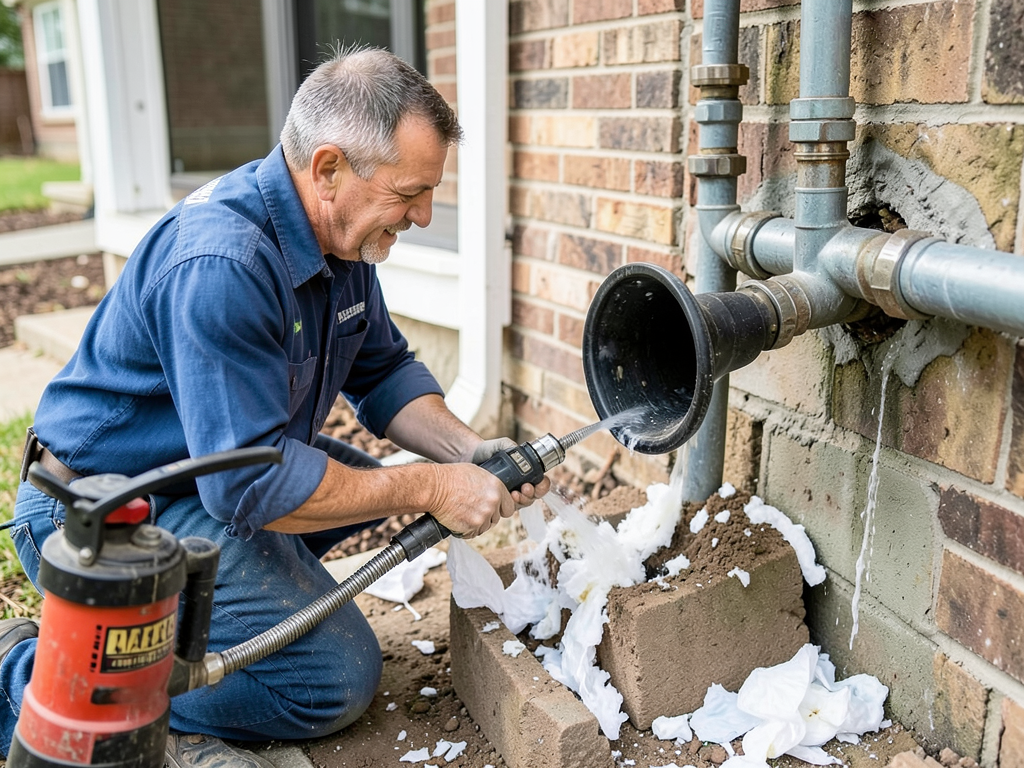
Charlotte draws water from Mountain Island Lake and Lake Norman, treating it at multiple facilities before distribution through hundreds of miles of pipe. Treatment includes coagulation, sedimentation, filtration, and disinfection with chlorine or chloramines. While this process meets federal drinking water standards, it does not remove hardness minerals or eliminate the taste and odor of disinfectants. Older neighborhoods with distribution lines installed in the 1950s and 1960s experience higher sediment loads as pipes age and corrode. Homes in these areas benefit significantly from point-of-entry filtration that captures particulates before they reach fixtures and appliances. Water chemistry also shifts seasonally as lake temperatures, algae levels, and rainfall affect treatment requirements.
Charlotte-Mecklenburg Utilities maintains rigorous water quality standards, but municipal treatment focuses on safety, not comfort or appliance protection. Residential water purification bridges that gap. We work within local plumbing codes and coordinate with inspectors who enforce Mecklenburg County building standards. Our installations meet backflow prevention requirements, drainage codes, and electrical standards specific to this jurisdiction. We also understand how Charlotte's rapid growth affects water demand and pressure fluctuations in expanding areas like Steele Creek and University City. Local expertise means systems that work reliably within this specific infrastructure, not generic installations that ignore regional variables.