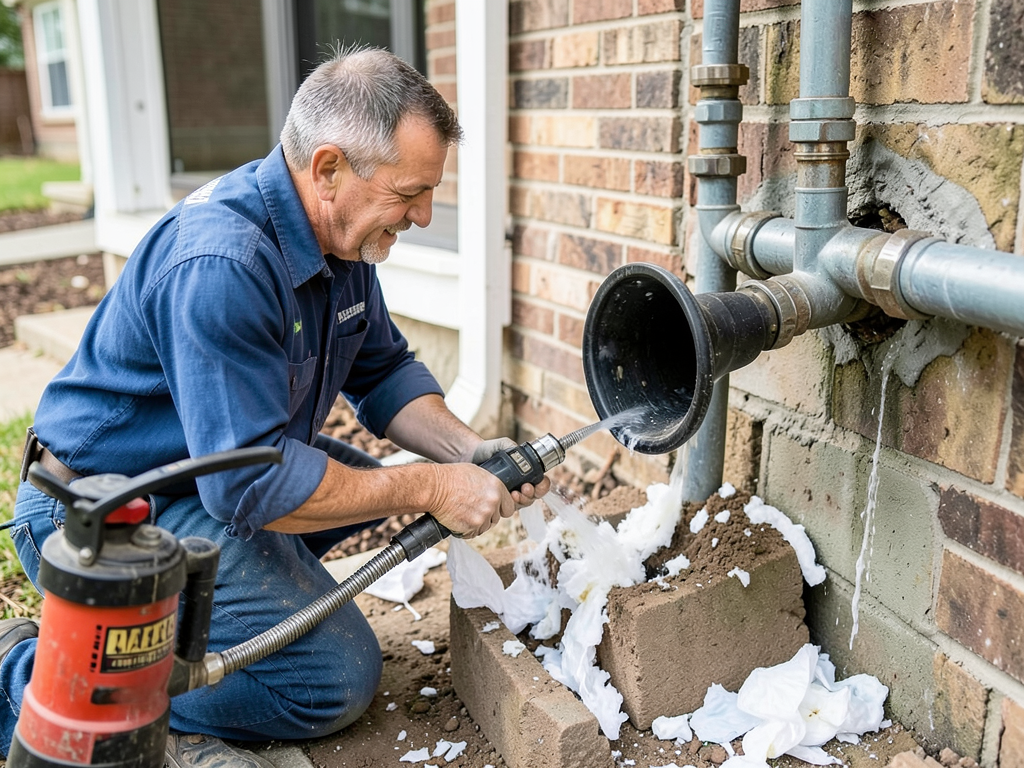
Charlotte's municipal water averages 4 to 7 grains per gallon of hardness, which classifies it as moderately hard. Over time, calcium and magnesium precipitate out of solution when water is heated above 140 degrees inside your tankless heat exchanger. This forms a white, crusty scale that insulates the copper coils from the water, forcing the burner to work harder and increasing energy consumption. Without annual descaling, your tankless unit will begin showing error codes for overheating or restricted flow within three to five years. Homes in areas like Huntersville or Cornelius near Lake Norman may see slightly softer water, while south Charlotte neighborhoods often experience harder water conditions.
Choosing a plumber who understands Charlotte's infrastructure and permitting landscape saves you time and headaches. Charlotte-Mecklenburg's plumbing code requires a backflow preventer on tankless installations in certain commercial applications, and inspectors will red-tag work that doesn't include proper labeling, earthquake strapping, or adequate combustion air ducting. Keystone Plumbing Charlotte has completed hundreds of tankless water heater installations across Mecklenburg County, and we've built a track record of first-time inspection approvals. When you hire us, you're not just getting a technician. You're getting someone who knows the local inspectors, understands the code quirks, and stands behind the work with real accountability.