Commercial grease trap pumping removes three distinct layers from your interceptor. The top layer consists of floating fats, oils, and grease. The middle layer holds gray water and suspended solids. The bottom layer contains settled sludge, food particles, and mineral deposits. Incomplete pumping that removes only the top layer leaves organic material that rapidly refills your trap and shortages the time between services.
We use vacuum trucks rated for commercial grease waste removal that create negative pressure sufficient to extract the entire contents of your interceptor without damaging baffles or internal structures. Our pump operators monitor suction rates to prevent the structural stress that cracks older concrete units. We inspect inlet and outlet baffles during every service, checking for the grease buildup on baffle walls that reduces effective capacity and allows grease to escape into the municipal sewer system.
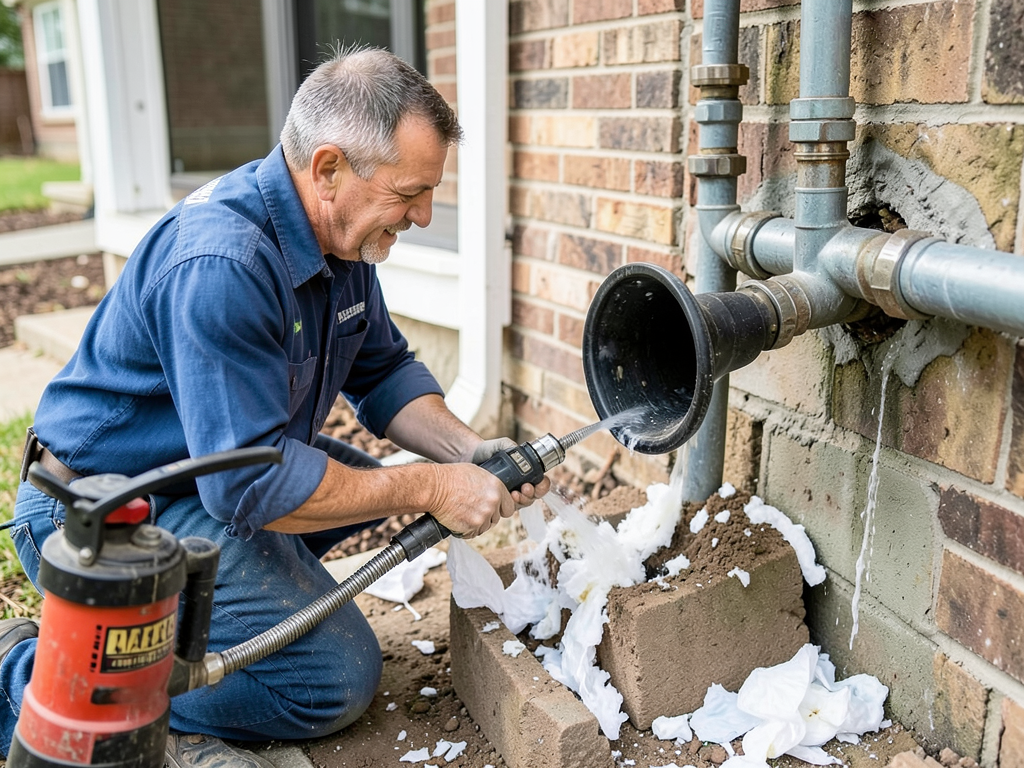
The pumping process includes high-pressure water jetting that removes solidified grease from interceptor walls and breaks up the emulsified layer that forms between grease and water. This step prevents the progressive capacity loss that occurs when operators pump without cleaning. We document the condition of your gaskets, access covers, and venting systems, identifying the small maintenance issues that become expensive emergency repairs when ignored.
Grease interceptor cleaning extends beyond the tank itself. We trace your inlet line back to your three-compartment sink and dish machine, locating the branch connections where grease accumulates and restricts flow. We inspect your effluent line for the standing grease that indicates baffle failure or improper trap sizing. This diagnostic approach identifies whether you need more frequent service or equipment modifications to handle your actual grease load.
Every service visit generates the documentation Mecklenburg County requires. We record pumping date, volume removed, and trap condition. You receive manifests that prove proper disposal at licensed facilities. This paper trail protects you during health inspections and demonstrates the due diligence that insurance carriers require when evaluating liability claims related to sewer backups.