


Concord sits in Cabarrus County where red clay soil and seasonal temperature swings create specific problems for residential plumbing systems. The expansive clay soil shifts with moisture changes, putting stress on underground water and sewer lines that connect homes to the municipal system. When drought conditions hit during summer, the soil contracts and can crack older cast iron pipes. Winter freeze-thaw cycles affect outdoor hose bibs and irrigation systems, especially in older neighborhoods near downtown Concord.
The area's hard water, heavy with minerals from the Carolina Piedmont bedrock, accelerates buildup inside water heaters and fixtures. Homes built before 1990 in established neighborhoods often still have galvanized pipes that corrode faster with this mineral content. Newer developments in areas like Afton Village see different issues with PEX and CPVC systems that require different repair approaches. The mix of older housing stock near the historic downtown and rapid suburban growth creates a diverse range of plumbing systems and repair needs across the city.
Keystone Plumbing Charlotte built its reputation serving the greater Charlotte metro by showing up when we say we will and fixing problems right the first time. Our service area includes all of Concord, from the historic downtown district to newer developments off Highway 49. We understand that plumbing emergencies create stress and disruption, which is why our dispatchers provide accurate arrival windows and our plumbers call ahead when they're on the way.
Our trucks carry a comprehensive inventory of parts, fixtures, and materials needed for most residential repairs. This means we complete jobs in one visit instead of leaving your home torn apart while we order parts. When we encounter a problem that requires specialty equipment or extensive work, we explain your options clearly and provide written estimates before proceeding. No surprise charges, no pressure tactics.
We focus exclusively on plumbing, which means our technicians develop deep expertise instead of splitting attention across multiple trades. Every plumber on our team holds North Carolina licensing and completes ongoing training on new fixtures, water heater technology, and installation methods. When we install a water heater or repipe a home, we pull proper permits and schedule inspections with Cabarrus County to ensure work meets code requirements. This protects your home value and ensures insurance coverage remains valid.
Our relationship with Concord doesn't end when we finish a job. We provide warranty coverage on our workmanship and remain available when you have questions about your plumbing system. Many of our customers call us first because they trust us to diagnose problems honestly and recommend solutions that make financial sense for their situation.

Plumbing emergencies don't follow a schedule. We dispatch technicians quickly to Concord homes when you're dealing with water damage, sewer backups, or complete loss of water. Our trucks stay stocked with common repair parts to fix most problems immediately without return trips.

You receive a clear written estimate before we start work. Our pricing includes labor, materials, and disposal fees so you know the total investment. We explain what we found, what needs fixing, and what can wait, giving you control over repair decisions.
Every technician carries proper North Carolina plumbing licenses and insurance coverage. We pull permits for water heater installations, repiping, and major fixture changes, then coordinate inspections with Cabarrus County to ensure your home stays compliant with local codes.
We understand local plumbing challenges from clay soil pipe damage to hard water issues common throughout Cabarrus County. Our experience with both older downtown homes and newer subdivision construction means we diagnose problems quickly and recommend appropriate solutions.
Keystone Plumbing Charlotte handles the full spectrum of residential plumbing work in Concord. Our service range covers urgent repairs when something breaks, planned installations when you're upgrading fixtures or appliances, and preventive maintenance that catches small problems before they become expensive emergencies. We work on all components of your home's plumbing system, from the water supply line entering your property to the sewer line connecting to the municipal system.
Our technicians diagnose problems with water heaters, fix leaking pipes, clear stubborn drain clogs, replace worn fixtures, and install new appliances that require water connections. We handle both visible plumbing you can see under sinks and behind toilets, plus the hidden pipes running through walls, under slabs, and beneath your yard. Whether you need a quick valve replacement or a complete home repiping project, we bring the same attention to quality workmanship and customer communication.
Burst pipes, sewer backups, failed water heaters, and complete loss of water service require immediate attention to prevent property damage and restore function to your home. Our emergency repair service dispatches licensed plumbers quickly with fully equipped trucks. We stop active leaks, restore water service, clear dangerous sewer backups, and stabilize failing systems. Every emergency call receives a thorough diagnosis to identify the root cause, not just a quick patch that fails again next week.
Upgrading bathroom fixtures, installing a new kitchen faucet, or connecting a dishwasher requires proper installation to prevent leaks and ensure long service life. We install toilets, sinks, faucets, garbage disposals, water heaters, washing machines, and any fixture that connects to your plumbing system. Our installation work includes shutoff valve replacement when needed, supply line upgrades, and proper sealing to prevent water damage. We test everything thoroughly before we leave and haul away your old fixtures.
Slow drains, gurgling toilets, and complete sewer backups disrupt your household and create health hazards. We clear clogs in kitchen sinks, bathroom drains, main sewer lines, and floor drains using appropriate methods for each situation. Our equipment includes cable machines for routine clogs, hydro-jetting for grease buildup and root intrusion, and video camera inspection to identify problems inside underground pipes. We explain what caused the clog and recommend solutions to prevent repeat problems.
Concord's combination of older housing stock, expansive clay soil, hard water, and rapid development creates specific plumbing challenges for homeowners. Understanding these common problems helps you recognize warning signs before minor issues become expensive emergencies. The age of your home, location in Concord, and type of plumbing materials all influence what problems you're likely to encounter.
Homes in established neighborhoods face different issues than new construction in developing areas. The mineral content in Concord's water supply affects all homes regardless of age, accelerating wear on water heaters and creating buildup in fixtures. Seasonal weather patterns, especially the freeze-thaw cycles of winter and drought conditions in summer, stress outdoor plumbing and underground pipes.
Hard water minerals accelerate sediment buildup inside water heater tanks, reducing efficiency and causing premature failure. Concord's mineral-rich water is particularly hard on heating elements and tank linings. Warning signs include rusty water, strange noises, inconsistent water temperature, and visible leaks around the base of the unit.
Tree roots infiltrate older clay or cast iron sewer pipes, creating blockages and cracks. Shifting clay soil can misalign pipe sections, creating low spots where waste accumulates. Multiple slow drains, gurgling toilets, and sewage odors in your yard indicate sewer line problems that need professional diagnosis with camera inspection.
Homes built before 1990 often contain galvanized steel pipes that corrode from the inside out, restricting water flow and developing pinhole leaks. Concord's water chemistry accelerates this corrosion process. Reduced water pressure, discolored water, and visible corrosion on exposed pipes signal the need for repiping before you face multiple leak emergencies.
Toilet flappers, faucet cartridges, and supply line connections wear out over time, creating leaks that waste water and damage cabinets or floors. Hard water mineral deposits damage internal fixture components faster than normal. A running toilet or dripping faucet might seem minor but can waste thousands of gallons and signal broader fixture problems.
From your first phone call through project completion, we focus on clear communication and professional service. Our process removes the uncertainty and stress from plumbing repairs. You'll know when we're arriving, what we're doing, and what it costs before we start work. Our goal is to fix your plumbing problem correctly while treating your home with respect and keeping you informed at every step.
We understand that allowing service technicians into your home requires trust. Our plumbers arrive in marked vehicles, wear company uniforms with name tags, and communicate directly with you about their findings. We protect your floors with shoe covers, use drop cloths to protect work areas, and clean up thoroughly when we finish. You receive the same respect and attention whether we're fixing a leaking faucet or installing a complete water heater system.
When you call for service, our dispatcher gathers information about your plumbing problem and schedules an arrival window that works for your schedule. We call ahead when the plumber is on the way so you're not waiting around all day. Our technicians listen to your description of the problem, ask clarifying questions, and explain what they need to inspect. You get straightforward answers in plain language, not technical jargon designed to confuse you.
We investigate the root cause of your plumbing problem, not just the visible symptoms. This often means checking related components, testing water pressure, or inspecting areas you might not have considered. Our plumber explains what they found, shows you the problem when possible, and presents your repair options. You receive a written estimate covering labor, materials, and any disposal fees before we begin work. No surprise charges appear on your final bill.
Our plumbers complete repairs efficiently using quality parts and proper installation methods. We test everything thoroughly before we consider the job finished, checking for leaks, proper operation, and correct water pressure. You receive warranty coverage on our workmanship and information about manufacturer warranties on parts and fixtures. We clean the work area, haul away old fixtures or debris, and walk you through what we did before we leave.
We designed our service process to be simple and stress-free for Concord homeowners. From scheduling through completion, you'll know exactly what's happening with your plumbing repair or installation.
Call us at (980) 342-9933 to describe your plumbing issue and schedule a convenient appointment window. Our licensed plumber arrives on time, inspects your plumbing problem thoroughly, and identifies the underlying cause. We test related components, check for hidden damage, and use diagnostic tools when needed. You receive a complete explanation of what we found and what it will take to fix it properly.
Before touching any tools, we provide a written estimate covering all costs to complete the repair or installation. Once you approve, we get to work using the parts and materials we carry on our trucks. Our plumber protects your home with floor coverings and drop cloths, completes the repair using proper techniques, and tests everything to ensure it works correctly. We keep you updated if we discover additional issues during the repair.
We run water, test for leaks, verify proper operation, and check water pressure before we consider the job finished. Our plumber walks you through what we repaired, provides care instructions if needed, and answers any questions. We clean up the work area completely and haul away old fixtures or materials. You receive warranty information and a direct number to call if you have any concerns about the work.
Professional plumbing work in Concord must comply with the North Carolina State Plumbing Code, which adopts the International Plumbing Code with state-specific amendments. Cabarrus County enforces these requirements through its inspection department, which reviews permits and inspects completed work on water heater installations, repiping projects, and significant fixture changes. Understanding these requirements protects your investment and ensures your home's plumbing system functions safely and efficiently.
The plumbing code specifies minimum standards for pipe sizing, materials, venting, drainage slopes, and fixture clearances. These standards exist because decades of engineering research identified what works reliably and what fails prematurely. When plumbers follow code requirements, your water flows properly, drains empty completely, sewer gases stay out of your home, and fixtures last their expected service life. Shortcuts might save money initially but create expensive problems later.
Material selection matters significantly for plumbing longevity. Concord's water chemistry influences which materials perform best for water supply lines. Copper remains the gold standard for reliability, but PEX cross-linked polyethylene has gained acceptance for its flexibility and resistance to freeze damage. Both materials require proper installation techniques. Drain and vent pipes typically use PVC or ABS plastic, which resist corrosion and last indefinitely when properly supported and sloped.
Water heater installation requires particular attention to code requirements. The unit must sit on a drain pan with a discharge line, have a temperature and pressure relief valve that terminates properly, and include proper combustion air and venting for gas models. Electric water heaters need correct wire sizing and breaker protection. Permits allow inspectors to verify these safety features exist and function correctly, protecting your family from carbon monoxide exposure, scalding water, or fire hazards.
Cabarrus County requires permits for water heater replacement, repiping projects, sewer line repairs, and new fixture installations that involve moving supply or drain lines. Permits cost between fifty and two hundred dollars depending on project scope. Professional plumbers pull permits, schedule inspections, and ensure work meets code requirements. Working without permits can complicate home sales and void insurance coverage.
Repair costs depend on problem accessibility, parts required, labor time, and whether walls or floors need opening. A leaking supply line under a sink costs less to fix than a pipe inside a wall. Water heater installation prices vary based on tank size, fuel type, venting requirements, and whether electrical or gas line modifications are needed. Emergency service outside business hours costs more than scheduled appointments.
Most repairs take one to three hours once the plumber arrives and diagnoses the problem. Water heater installation requires three to five hours including old unit removal, new unit installation, and testing. Whole-house repiping takes multiple days depending on home size and requires coordination with drywall contractors for wall repairs. Sewer line replacement involves excavation and typically takes two to four days.
North Carolina requires plumbers to hold state licenses that verify technical knowledge and experience. Licensed plumbers carry liability insurance and workers compensation coverage that protects homeowners from financial risk if accidents occur during work. Always verify licensing before hiring a plumber. Unlicensed contractors might charge less but leave you liable for injuries or code violations.
This video explains common plumbing challenges specific to Concord, NC homes, including clay soil pipe damage, hard water effects on fixtures, and the difference between repairing older downtown properties versus newer construction. Licensed plumbers from Keystone Plumbing Charlotte discuss emergency repair response, water heater installation requirements, drain cleaning methods, and repiping considerations for Cabarrus County homeowners. Viewers learn about local code requirements, permit processes, and how to identify warning signs of serious plumbing problems before they become emergencies.
Keystone Plumbing Charlotte provides comprehensive plumbing services throughout Concord and the greater Cabarrus County area. Our service area covers historic downtown Concord near the Cabarrus County Courthouse, established neighborhoods surrounding McGill Avenue and Union Street, and growing residential areas extending toward the Concord-Padgett Regional Airport. We regularly work in communities along Highway 29, serve homes near the Concord Mills shopping area, and handle plumbing calls from subdivisions off Poplar Tent Road.
The western sections of Concord, including developments near Rocky River, present unique challenges with older infrastructure and mature trees whose roots infiltrate sewer lines. Homes in the Afton Village area and neighborhoods off Bruton Smith Boulevard tend to be newer construction with modern plumbing systems, but rapid development sometimes creates issues with municipal connections or builder-grade fixtures that need upgrading. The downtown historic district features beautiful older homes built between 1900 and 1950, many with original galvanized pipes that require careful repiping to preserve architectural integrity.
North Concord communities along Poplar Tent Road and near the Cabarrus County line see a mix of rural properties on well water and newer subdivisions connected to city services. Each situation requires different expertise. Well pump systems, pressure tanks, and treatment equipment need specialized knowledge beyond standard municipal plumbing. We handle both scenarios with equal competence.
Eastern Concord, extending toward Kannapolis, includes both established neighborhoods and new development. The transition zone between older and newer construction creates interesting challenges when homeowners renovate properties, requiring us to integrate modern fixtures and appliances with aging supply and drain systems. We understand how to bridge these gaps while maintaining code compliance.
Our familiarity with Concord's geography means we respond quickly to your location, whether you're near the historic Concord Depot downtown, in one of the family neighborhoods around Frank Liske Park, or in the developing areas pushing toward Highway 601. We stock our trucks for the variety of plumbing systems found across these different areas, from vintage fixtures in historic homes to modern PEX systems in new construction.
Plumbers in Concord typically charge $100 to $200 per hour depending on experience, licensing, and job complexity. Service calls often include a trip fee ranging from $75 to $150, which may apply toward the final bill. Emergency calls after hours or weekends can run $200 to $300 per hour due to increased labor costs. Rates also vary based on whether the work requires specialized equipment or permits for older Concord homes near the historic district. Always request itemized estimates before work begins to understand labor versus parts costs.
Start by verifying the plumber holds a valid North Carolina license and carries liability insurance. Get at least three written estimates for non-emergency work to compare pricing and scope. Ask for references from recent Concord projects, especially if your home has older galvanized pipes common in neighborhoods near downtown. Avoid contractors who demand full payment upfront or pressure you to decide immediately. Check reviews on Google and the Better Business Bureau. Legitimate plumbers explain the problem clearly, show you the issue when possible, and provide transparent pricing.
Watch for vague explanations that create urgency without showing you the actual problem. A trustworthy plumber walks you through what failed and why. Red flags include refusing to provide written estimates, adding unexpected charges after starting work, or pushing unnecessary upgrades. If a plumber quotes significantly higher than two other estimates without explaining why, question the discrepancy. In Concord, be cautious of contractors who claim your older clay sewer lines need immediate full replacement without camera inspection proof. Demand documentation for all recommended repairs.
Plumbers in Concord typically charge $100 to $200 per hour depending on experience, licensing, and job complexity. Service calls often include a trip fee ranging from $75 to $150, which may apply toward the final bill. Emergency calls after hours or weekends can run $200 to $300 per hour due to increased labor costs. Rates also vary based on whether the work requires specialized equipment or permits for older Concord homes near the historic district. Always request itemized estimates before work begins to understand labor versus parts costs.
Start by verifying the plumber holds a valid North Carolina license and carries liability insurance. Get at least three written estimates for non-emergency work to compare pricing and scope. Ask for references from recent Concord projects, especially if your home has older galvanized pipes common in neighborhoods near downtown. Avoid contractors who demand full payment upfront or pressure you to decide immediately. Check reviews on Google and the Better Business Bureau. Legitimate plumbers explain the problem clearly, show you the issue when possible, and provide transparent pricing.
Watch for vague explanations that create urgency without showing you the actual problem. A trustworthy plumber walks you through what failed and why. Red flags include refusing to provide written estimates, adding unexpected charges after starting work, or pushing unnecessary upgrades. If a plumber quotes significantly higher than two other estimates without explaining why, question the discrepancy. In Concord, be cautious of contractors who claim your older clay sewer lines need immediate full replacement without camera inspection proof. Demand documentation for all recommended repairs.
Concord's rapid population growth has strained the local trades workforce faster than new plumbers can complete apprenticeships and licensing. Many established plumbers stay booked weeks out, especially during peak seasons when summer heat stresses water heaters and winter freezes burst pipes. The skilled labor shortage affects all trades across Cabarrus County. Emergency calls take priority over routine maintenance, pushing non-urgent appointments further back. Your best approach involves calling multiple companies, being flexible with scheduling, or establishing a relationship with a plumber before you face an emergency.
Permit fees for water heater replacements or main line work can add $100 to $300 depending on Concord city requirements. Unexpected costs arise when plumbers discover corroded galvanized pipes behind walls that need replacing to complete the original repair. Access issues in crawl spaces common to older Concord homes may require extra labor hours. Disposal fees for old fixtures or contaminated water add to bills. If your project requires shutting off water at the street, the city may charge a turn-on fee. Always ask if estimates include permits, disposal, and potential complication costs.
Negotiating plumbing rates works best for larger projects, not emergency repairs. Get three written estimates and ask if the plumber can match a competitor's price while maintaining the same scope and materials. Offer to schedule work during slower periods when plumbers have gaps in their calendar. Ask about discounts for bundling multiple repairs in one visit to save trip fees. Avoid negotiating after work begins. For Concord homeowners, paying cash sometimes yields small discounts, but never compromise on licensed, insured contractors to save money. Quality work prevents costlier repairs later.
Compare your estimate against two other licensed Concord plumbers for the same scope of work. Research typical costs for your specific repair online through HomeAdvisor or Angi to establish baseline pricing. Ask the plumber to explain line-by-line charges, including markup on parts. High parts markups above 30 percent or excessive labor hours for straightforward tasks signal overcharging. If a simple faucet replacement quotes four hours of labor, question the timeline. Trust your instincts when explanations feel evasive or overly complicated. Transparency builds confidence in fair pricing.
The 135-degree rule refers to the maximum temperature setting for residential water heaters to prevent scalding while controlling Legionella bacteria growth. North Carolina plumbing code requires tempering valves when water heaters exceed 125 degrees, especially in homes with young children or elderly residents. Concord plumbers set most tanks between 120 and 130 degrees to balance safety and effectiveness. Higher temperatures increase energy costs and wear on the tank lining. This rule protects families while maintaining enough heat for dishwashers and laundry. Always verify your water heater temperature during annual maintenance inspections.
Never tell a contractor you have unlimited budget or are in extreme desperation, as this invites inflated pricing. Avoid saying you do not understand plumbing, which signals you cannot evaluate their work quality. Do not mention you are getting other estimates after they provide pricing, as this seems manipulative. Never ask them to skip permits for Concord city work, which puts their license at risk and leaves you liable. Avoid disparaging previous contractors excessively, which makes you seem difficult. Keep conversations professional and focused on the specific problem, timeline, and cost expectations.
Dripping faucets rank as the most common plumbing complaint across Concord homes, wasting thousands of gallons annually and driving up water bills. Worn washers, O-rings, or cartridges cause most leaks and require simple replacement. Running toilets come in second, often caused by faulty flappers or fill valves. In older Concord neighborhoods near downtown, slow drains from decades of buildup plague cast iron drain lines. Hard water from local wells also causes mineral buildup in fixtures and water heaters. Regular maintenance catches these issues before they become expensive emergencies requiring full fixture replacement.
Concord's rapid population growth has strained the local trades workforce faster than new plumbers can complete apprenticeships and licensing. Many established plumbers stay booked weeks out, especially during peak seasons when summer heat stresses water heaters and winter freezes burst pipes. The skilled labor shortage affects all trades across Cabarrus County. Emergency calls take priority over routine maintenance, pushing non-urgent appointments further back. Your best approach involves calling multiple companies, being flexible with scheduling, or establishing a relationship with a plumber before you face an emergency.
Permit fees for water heater replacements or main line work can add $100 to $300 depending on Concord city requirements. Unexpected costs arise when plumbers discover corroded galvanized pipes behind walls that need replacing to complete the original repair. Access issues in crawl spaces common to older Concord homes may require extra labor hours. Disposal fees for old fixtures or contaminated water add to bills. If your project requires shutting off water at the street, the city may charge a turn-on fee. Always ask if estimates include permits, disposal, and potential complication costs.
Negotiating plumbing rates works best for larger projects, not emergency repairs. Get three written estimates and ask if the plumber can match a competitor's price while maintaining the same scope and materials. Offer to schedule work during slower periods when plumbers have gaps in their calendar. Ask about discounts for bundling multiple repairs in one visit to save trip fees. Avoid negotiating after work begins. For Concord homeowners, paying cash sometimes yields small discounts, but never compromise on licensed, insured contractors to save money. Quality work prevents costlier repairs later.
Compare your estimate against two other licensed Concord plumbers for the same scope of work. Research typical costs for your specific repair online through HomeAdvisor or Angi to establish baseline pricing. Ask the plumber to explain line-by-line charges, including markup on parts. High parts markups above 30 percent or excessive labor hours for straightforward tasks signal overcharging. If a simple faucet replacement quotes four hours of labor, question the timeline. Trust your instincts when explanations feel evasive or overly complicated. Transparency builds confidence in fair pricing.
The 135-degree rule refers to the maximum temperature setting for residential water heaters to prevent scalding while controlling Legionella bacteria growth. North Carolina plumbing code requires tempering valves when water heaters exceed 125 degrees, especially in homes with young children or elderly residents. Concord plumbers set most tanks between 120 and 130 degrees to balance safety and effectiveness. Higher temperatures increase energy costs and wear on the tank lining. This rule protects families while maintaining enough heat for dishwashers and laundry. Always verify your water heater temperature during annual maintenance inspections.
Never tell a contractor you have unlimited budget or are in extreme desperation, as this invites inflated pricing. Avoid saying you do not understand plumbing, which signals you cannot evaluate their work quality. Do not mention you are getting other estimates after they provide pricing, as this seems manipulative. Never ask them to skip permits for Concord city work, which puts their license at risk and leaves you liable. Avoid disparaging previous contractors excessively, which makes you seem difficult. Keep conversations professional and focused on the specific problem, timeline, and cost expectations.
Dripping faucets rank as the most common plumbing complaint across Concord homes, wasting thousands of gallons annually and driving up water bills. Worn washers, O-rings, or cartridges cause most leaks and require simple replacement. Running toilets come in second, often caused by faulty flappers or fill valves. In older Concord neighborhoods near downtown, slow drains from decades of buildup plague cast iron drain lines. Hard water from local wells also causes mineral buildup in fixtures and water heaters. Regular maintenance catches these issues before they become expensive emergencies requiring full fixture replacement.
Discover our service area and see how conveniently located Keystone Plumbing is to serve your residential and commercial needs. We are dedicated to bringing reliable, expert plumbing solutions right to your doorstep. Explore the map to visualize our reach and understand why we are the trusted local choice for all your plumbing requirements. We look forward to connecting with you and providing exceptional service wherever you are located within our service boundaries.
Address:
Concord, NC, 28025
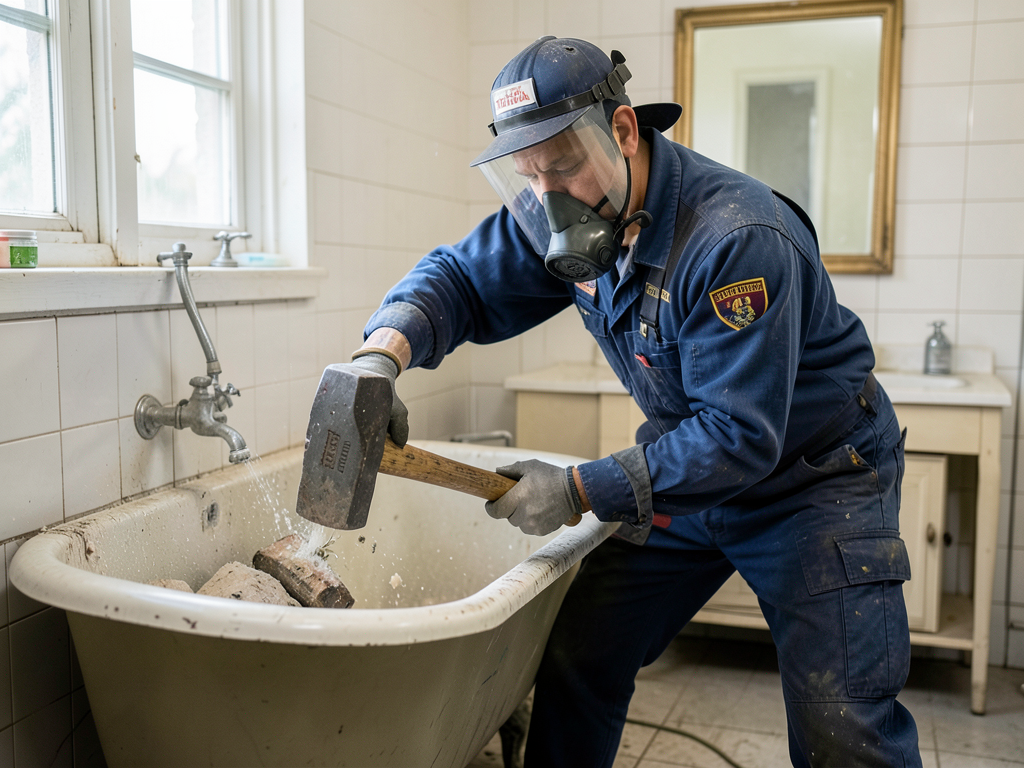
Replacing the heavy cast iron tub in your vintage Charlotte bathroom Cast iron bathtubs weigh between 300 and 500 pounds and removing one from a vintage Charlotte bathroom requires planning safety gear and knowledge of…
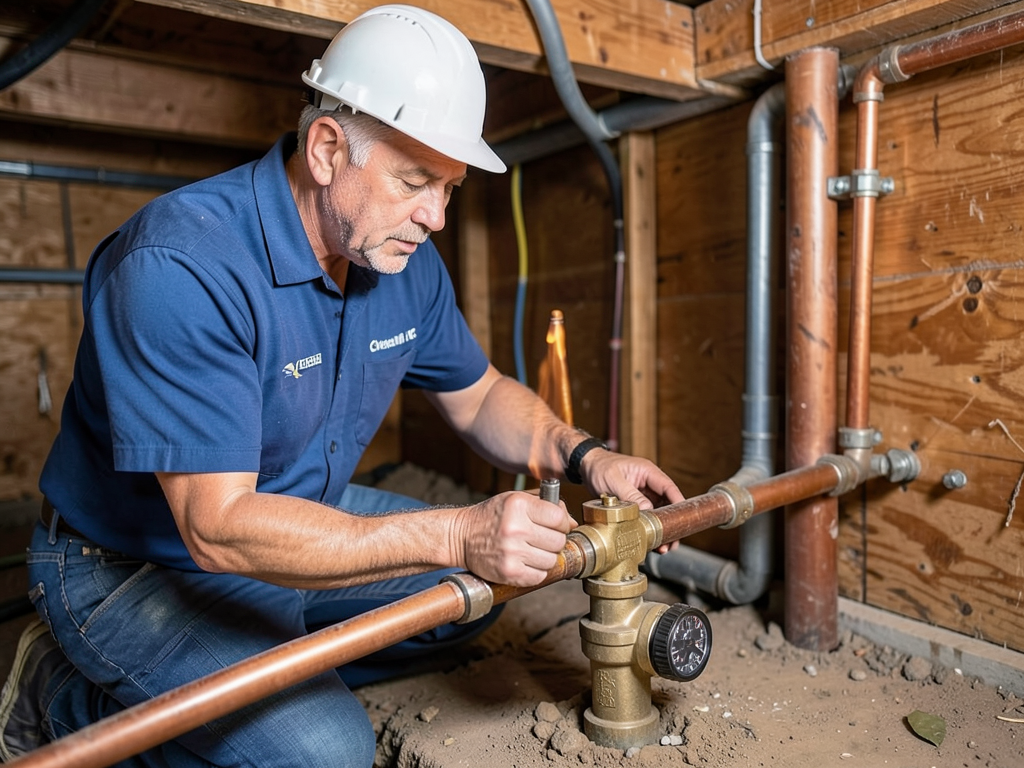
How to Find Your Main Water Shutoff Valve in Charlotte, NC Water gushing from a…
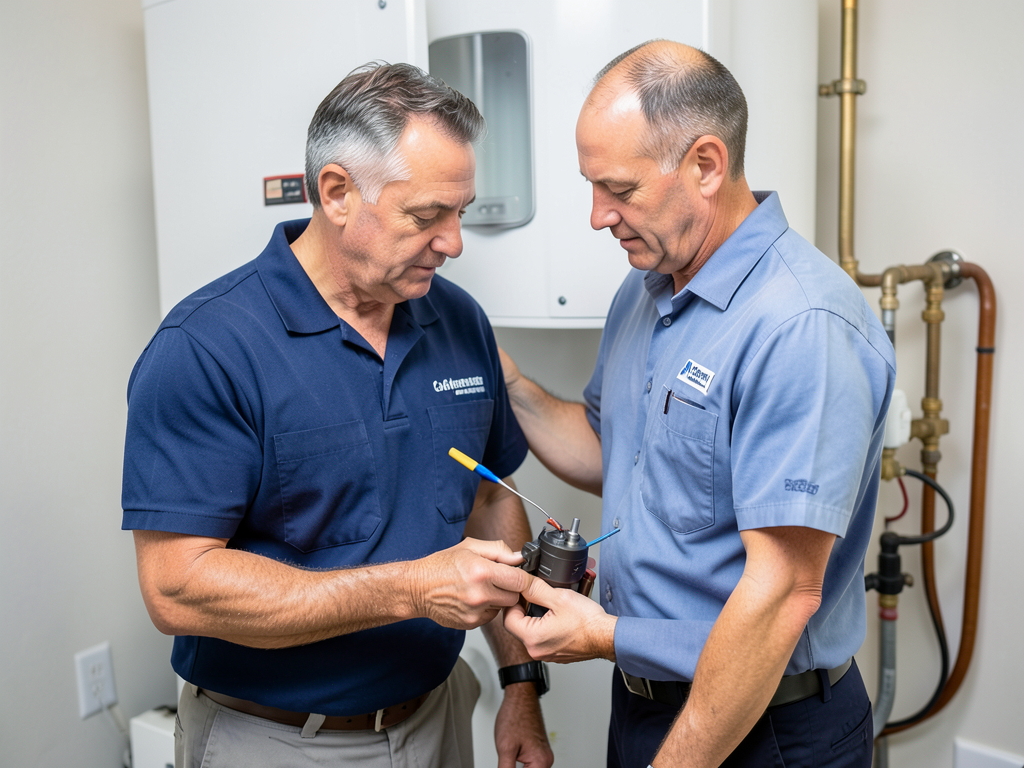
Gas Water Heater Keeps Shutting Off? Here's What to Check in Your Huntersville Home Your…
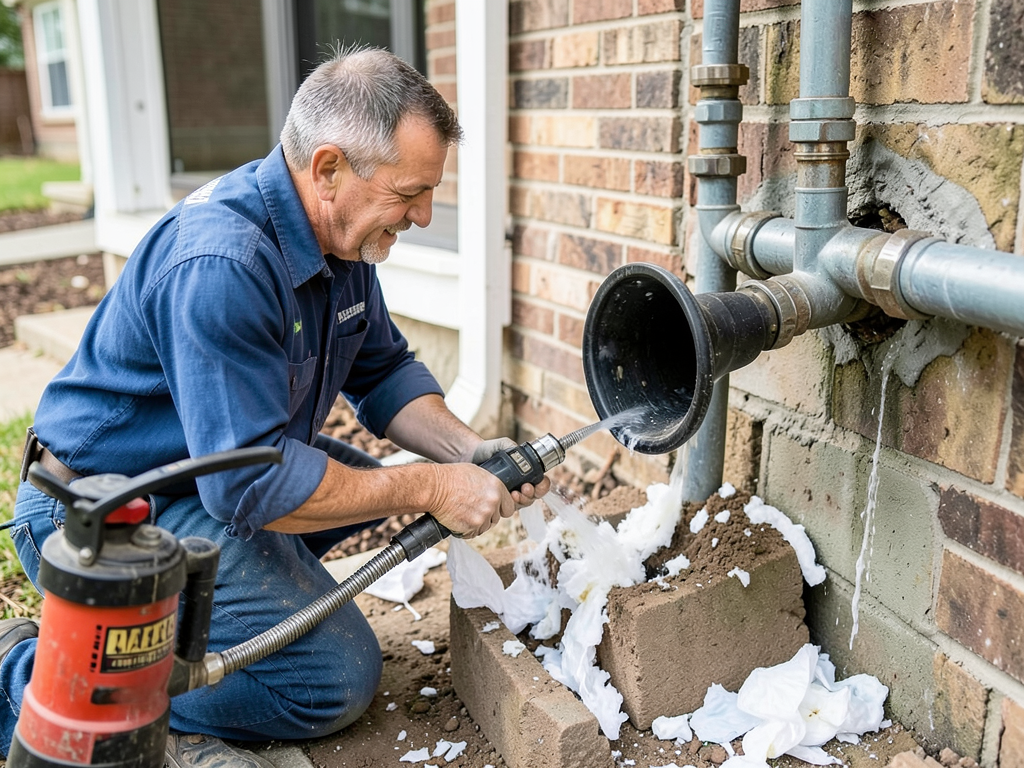
Why you should never flush "flushable" wipes down your toilet in Matthews The short answer…
Don't let a plumbing problem disrupt your household any longer. Call Keystone Plumbing Charlotte at (980) 342-9933 right now for fast service in Concord. Our licensed plumbers respond quickly with the parts and expertise to fix your issue right the first time.