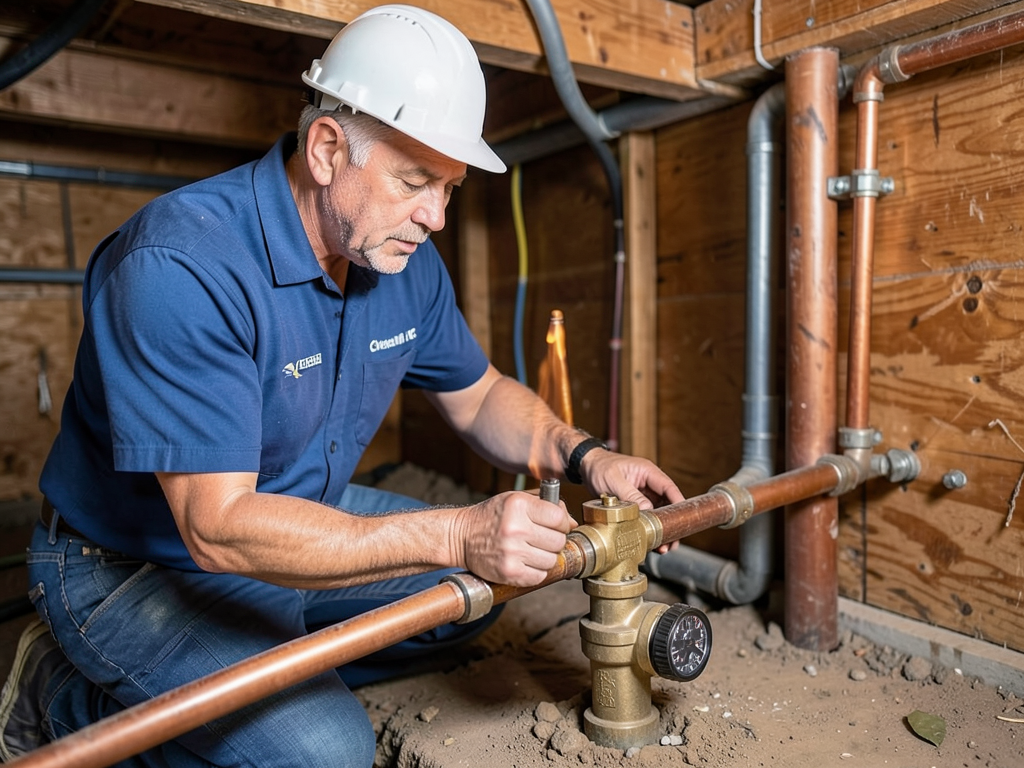


Charlotte pulls municipal water from the Catawba River system, and depending on your neighborhood, you may be dealing with elevated mineral content that creates scale buildup inside your tank. Scale acts as an insulator, forcing your heating elements or gas burner to work harder and run longer to heat the same amount of water. This inefficiency shortens the lifespan of your unit and drives up energy costs. Combine that with Charlotte's expansive clay soil, which shifts foundations and stresses water and gas connections, and you have a perfect recipe for early water heater failure. Hot water tank repair and hot water heater replacement rates in the Queen City are higher than the national average because these two factors work together to corrode tanks and loosen fittings faster than in other regions.
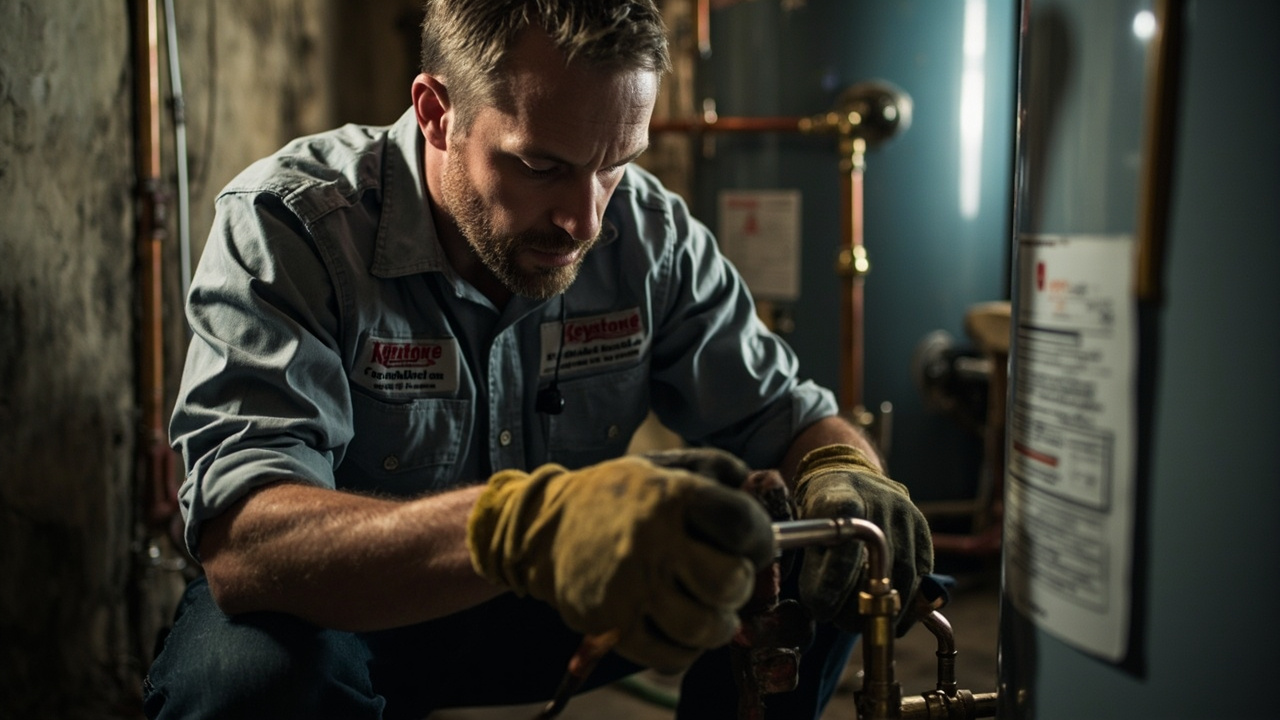
Choosing a plumber who understands Charlotte's unique challenges means you get a water heater change out or repair that accounts for local water chemistry and soil movement. Keystone Plumbing Charlotte selects anode rods based on your water supply, not a one-size-fits-all approach. We also reinforce mounting brackets and flex connections to handle the minor foundation shifts common in neighborhoods built on clay soil. This local knowledge is why our hot water system installation projects last longer and require fewer emergency repairs than work done by out-of-town contractors who do not know how Charlotte's environment accelerates wear and tear.