Menu

Sediment Buildup in Pipes in Charlotte – Expert Diagnosis and Permanent Solutions

When sediment buildup in pipes chokes your water flow and damages fixtures, you need precise diagnostics and targeted removal to restore your plumbing system without unnecessary replacements or guesswork.

Slider Image 1
Slider Image 2
Slider Image 3
Slider Image 4
Slider Image 5
Slider Image 7
Slider Image 8
Slider Image 9
Slider Image 10
Slider Image 11

Why Charlotte Homes Battle Constant Pipe Sediment Issues

You turn on the faucet and the water trickles out. The pressure at your showerhead barely rinses shampoo. Your water heater started making popping sounds last month. These frustrations trace back to one silent problem: sediment buildup in pipes.

Charlotte's municipal water supply pulls from Lake Norman and Mountain Island Lake. The water picks up naturally occurring minerals during treatment and distribution. As it flows through your home's plumbing, these mineral deposits in water pipes accumulate on interior pipe walls. Over months and years, calcium buildup in water lines narrows the diameter of your pipes.

Homes built before 1990 in neighborhoods like Dilworth and Myers Park face compounded issues. Older galvanized steel pipes corrode internally, creating rough surfaces where limescale accumulation in plumbing accelerates. The corroded areas trap sediment particles, creating stubborn blockages.

Hard water pipe scaling shows up differently depending on your pipe material. Copper lines develop greenish-blue calcium deposits. PEX tubing resists buildup better but still accumulates sediment at connection points. Galvanized pipes suffer the worst pipe calcification problems because rust particles bond with mineral deposits.

Water heaters take the hardest hit. Sediment settles at the tank bottom, insulating the heating element. Your unit works harder, costs more to run, and fails years early. The popping sound you hear? That's steam bubbles forcing through the sediment layer.

Charlotte's water hardness averages 4 to 6 grains per gallon. That puts us in the moderately hard range. You won't see the extreme scaling found in Phoenix or Las Vegas, but you will see gradual accumulation that cuts pipe diameter by 30 to 50 percent over two decades.

Why Charlotte Homes Battle Constant Pipe Sediment Issues
How We Remove Sediment Without Destroying Your Plumbing

How We Remove Sediment Without Destroying Your Plumbing

We reject the shotgun approach. You don't need to repipe your entire house when targeted intervention solves the problem.

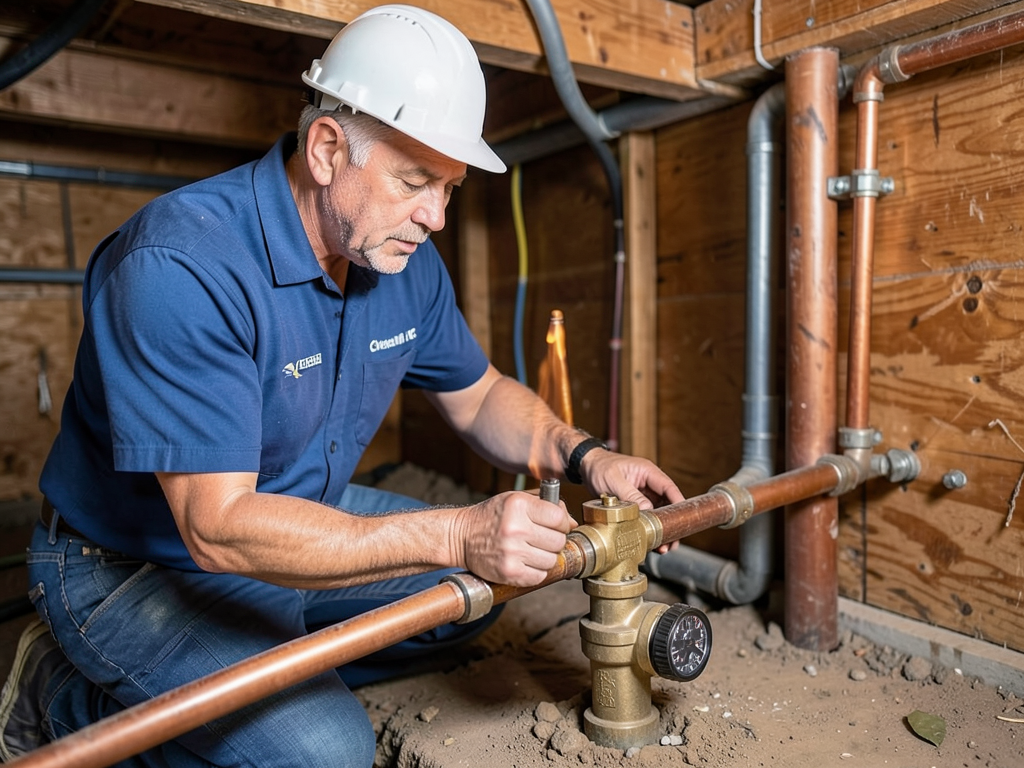
We start with pressure testing at multiple fixtures. A pressure gauge at your kitchen sink, master bath, and outdoor spigot tells us exactly where restrictions exist. Pressure drops between test points map the sediment concentration zones.

Next comes video camera inspection of accessible drain lines and main supply lines. A flexible inspection camera feeds through your cleanout access points. We look for buildup thickness, pipe material condition, and whether you're dealing with mineral deposits alone or combined corrosion damage.

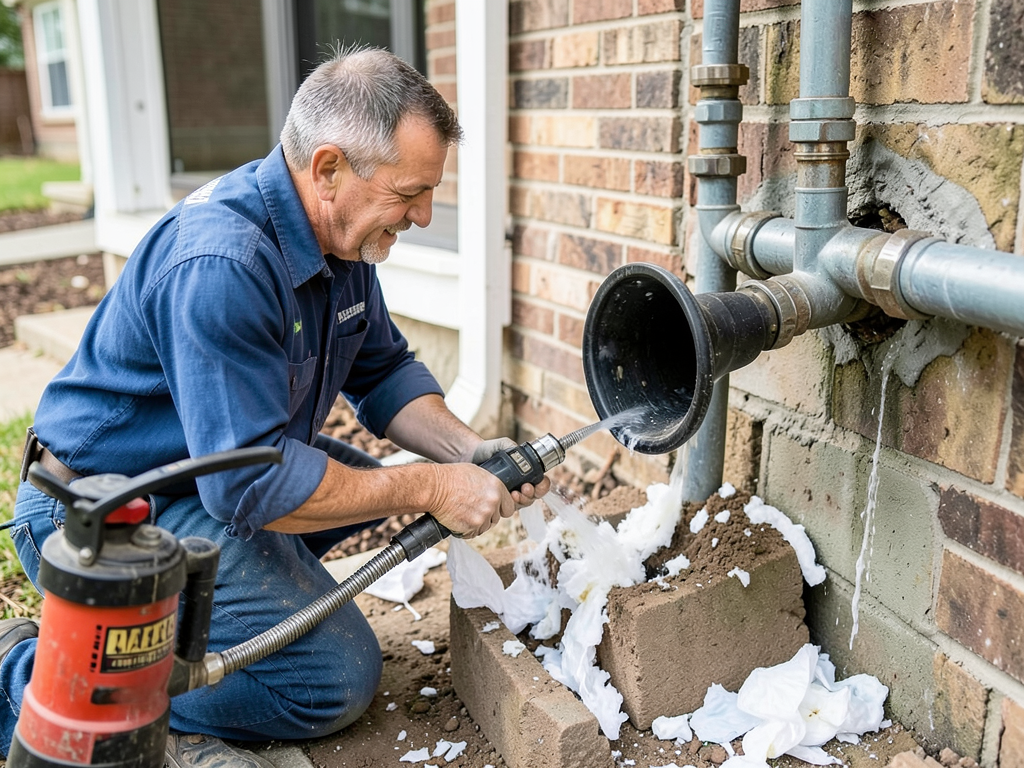
For minor to moderate calcium buildup in water lines, we use hydrojetting equipment calibrated for residential pipes. High-pressure water streams at 3,000 to 4,000 PSI scour pipe interiors clean without damaging copper or PEX. We adjust pressure based on pipe age and material. A 1960s galvanized line gets gentler treatment than modern copper.

Chemical descaling works for limescale accumulation in plumbing when physical access is limited. We introduce food-grade citric acid solutions through your water heater drain valve or through isolated pipe sections. The solution circulates for 30 to 90 minutes, dissolving calcium deposits without corroding metal pipes or damaging rubber gaskets.

Your water heater gets specialized treatment. We drain the tank completely, then use a wet vacuum to extract sludge from the tank bottom. For tanks with severe sediment compaction, we remove the heating elements and manually break up the deposits before flushing.

Point-of-use solutions address ongoing accumulation. We install sediment filter housings on your main water line or at critical fixtures. A 5-micron sediment filter catches particles before they settle in pipes. For homes with persistent hard water pipe scaling, we recommend water softener systems that eliminate the calcium and magnesium causing the deposits.

We test water pressure after cleaning. You should see pressure restoration to 60 to 80 PSI at all fixtures. Anything less indicates remaining restrictions or other plumbing issues requiring attention.

What Happens During Sediment Removal Service

Sediment Buildup in Pipes in Charlotte – Expert Diagnosis and Permanent Solutions
01

System Pressure Mapping

We test water pressure at six to eight points throughout your home. This creates a diagnostic map showing exactly where sediment buildup restricts flow. We document baseline readings, identify the worst-affected zones, and determine whether you're dealing with localized buildup or system-wide accumulation. This prevents unnecessary work on clean pipe sections.
02

Targeted Cleaning Application

Based on inspection findings, we apply hydrojetting to main lines, chemical descaling to branch lines, or tank flushing to your water heater. We isolate sections using shut-off valves to concentrate cleaning power where needed. For whole-house issues, we work systematically from the main supply line outward to each fixture. This methodical approach ensures complete sediment removal.
03

Verification and Prevention Setup

After cleaning, we retest pressure at all original test points. You'll see the difference immediately as flow rates return to normal. We install sediment filters or recommend water treatment based on your specific water chemistry. You get a written report documenting pressure improvements and maintenance intervals to prevent future buildup. Most systems need attention every 24 to 36 months.

Why Charlotte Homeowners Choose Local Sediment Removal Specialists

Charlotte's plumbing infrastructure varies dramatically by neighborhood. The Queen City's expansion from a compact urban core to sprawling suburbs created a patchwork of water supply systems with different age profiles and pipe materials.

Homes in established areas like Plaza Midwood and NoDa often have original galvanized steel pipes from the 1940s and 1950s. These systems develop severe pipe calcification problems because interior corrosion creates nucleation sites for mineral deposits. A plumber unfamiliar with Charlotte's housing stock might recommend complete repiping when targeted descaling and strategic pipe replacement solve the issue at one-third the expense.

Newer developments in Ballantyne and Weddington typically have PEX or copper supply lines. These materials resist sediment buildup better, but calcium deposits still accumulate at connection joints, angle stops, and water heater inlets. Treatment strategies differ completely from older homes.

Charlotte-Mecklenburg Utilities maintains water hardness between 4 and 6 grains per gallon, but specific neighborhoods experience variation based on distribution system age and source water blending. Homes near Lake Norman tend toward the harder end of the range. This local knowledge shapes our cleaning approach and preventive recommendations.

We understand local building codes governing water treatment system installation. Mecklenburg County requires backflow prevention devices on whole-house water softener systems. We handle permit requirements and inspection scheduling so you don't face compliance issues down the road.

Our familiarity with Charlotte's seasonal patterns matters too. Summer water demand increases sediment suspension in distribution lines. We often see spike complaints in July and August when utilities flush hydrants and stir up accumulated particles. Knowing this pattern helps us time preventive maintenance for maximum effectiveness.

You get straight answers about what your system actually needs. We won't sell you a whole-house repipe when hydrojetting and spot repairs restore full function. We won't push a water softener if your hardness level doesn't justify the expense.

What to Expect From Professional Sediment Removal

Same-Day Service Availability

Most sediment removal appointments happen within 24 to 48 hours of your call. Emergency situations with complete flow blockage get same-day response. Simple water heater flushing takes 45 minutes to 90 minutes. Whole-house hydrojetting requires two to four hours depending on your home's size and pipe configuration. We work efficiently but never rush the diagnostic phase. Accurate problem identification prevents return visits and wasted effort on the wrong solution.

Comprehensive Water System Assessment

You get more than sediment removal. We evaluate your entire water delivery system for underlying issues that accelerate buildup. Corroded galvanized pipes, failing pressure regulators, and improperly sized water heaters all contribute to sediment problems. We test water hardness on-site using a calibrated meter. We inspect accessible pipe sections for corrosion. We measure water heater recovery time. This complete picture tells you whether you need immediate repairs, preventive upgrades, or just routine maintenance.

Restored Flow and Efficiency

You'll notice the difference immediately. Showers deliver strong, consistent pressure. Faucets run clear without sputtering. Your dishwasher and washing machine fill faster and clean better. Water heaters operate quietly and heat water in half the time they took before cleaning. We document pressure improvements with before and after readings at multiple fixtures. Most homes see 40 to 60 percent pressure increases at affected fixtures. Energy consumption drops as water heaters no longer fight through sediment insulation.

Ongoing Maintenance Planning

We provide a customized maintenance schedule based on your water hardness and system age. Most Charlotte homes benefit from water heater flushing every 12 months and whole-system evaluation every 24 to 36 months. We install sediment filters with six-month replacement intervals when appropriate. You get written documentation of work performed, pressure test results, and recommended next service date. We offer reminder calls when your system is due for preventive maintenance. This proactive approach prevents emergency failures and extends plumbing system lifespan.

Frequently Asked Questions

You Have Questions,
We Have Answers

How much to flush pipes in a house? +

Flushing residential pipes in Charlotte typically costs between professional diagnosis fees and service completion. Pricing depends on your home's age, pipe material, and sediment severity. Older homes in areas like Dilworth or Plaza Midwood often have galvanized pipes with heavy mineral deposits from Charlotte's hard water. A standard whole-house flush involves shutting off the water heater, opening all faucets, and running cold water through the system. Professional hydro-jetting for stubborn blockages costs more but removes years of calcium and rust buildup. Get a camera inspection first to assess pipe condition before flushing.

What causes sediment in water pipes? +

Sediment in Charlotte water pipes comes from multiple sources. Mineral deposits from hard water leave calcium and magnesium that stick to pipe walls over time. Corroded galvanized or iron pipes shed rust particles into your water supply. The clay-heavy soil around Charlotte can enter through aging sewer laterals or well systems. Water heater tanks accumulate sand-like sediment at the bottom from mineral precipitation. Municipal water line breaks or main repairs stir up debris that travels into home plumbing. Older homes near Uptown or historic neighborhoods experience faster buildup due to decades-old infrastructure and naturally mineral-rich groundwater.

How to get rid of debris in pipes? +

Getting rid of pipe debris requires assessment before action. For minor buildup, close your water heater inlet valve, attach a hose to the drain valve, and flush sediment into a bucket or floor drain. Open all faucets and run cold water for 10 minutes to clear loose particles. Stubborn debris needs professional hydro-jetting, which uses high-pressure water to scour pipe walls clean without chemicals. Camera inspection identifies blockage locations before treatment. Charlotte's older neighborhoods often need partial repiping if corrosion creates constant debris. Never use chemical drain cleaners, which damage pipes and worsen long-term problems.

How do plumbers descale pipes? +

Plumbers descale pipes using hydro-jetting equipment that blasts water at high pressure through your lines. A specialized nozzle scrubs pipe walls while flushing debris toward the main sewer. For severe mineral deposits common in Charlotte homes, plumbers may use mechanical cable machines with cutting heads to break up thick scale layers. Descaling solutions exist but require careful application to avoid pipe damage. Modern camera inspection guides the process, showing exactly where scale accumulates. Copper and PEX pipes descale easier than old galvanized lines. Homes built before 1980 in Myers Park or Elizabeth often need aggressive descaling due to decades of hard water exposure.

How much does a plumber charge to flush pipes? +

Plumbers in Charlotte charge for pipe flushing based on scope and complexity. Basic water heater flushing runs lower, while whole-house hydro-jetting costs more due to equipment and time. Prices increase for homes with severe blockages, multiple stories, or corroded pipes requiring extra care. Emergency weekend service adds premium rates. Homes in established neighborhoods like Cotswold or South Park with older plumbing systems often need more extensive work. Most professionals offer camera inspection first to provide accurate quotes. Flat-rate pricing covers labor and equipment, while hourly rates apply to complex jobs requiring troubleshooting.

Will insurance pay for sewer line replacement? +

Standard homeowners insurance typically excludes sewer line replacement unless sudden, accidental damage occurs. Gradual deterioration, tree root intrusion, and age-related failure are your responsibility. Charlotte's clay soil causes shifting that cracks sewer laterals, but this counts as maintenance, not covered damage. Some policies offer sewer line endorsements for additional premium. Check if your municipality provides service line protection programs. Flood insurance does not cover sewer backups unless you purchase specific endorsement coverage. Document everything if a covered peril like vehicle impact damages your line. Most Charlotte homeowners pay out-of-pocket for sewer replacements due to exclusions.

What dissolves sediment in pipes? +

Nothing safely dissolves sediment in pipes without professional guidance. Vinegar and baking soda work for minor drain clogs but cannot remove hardened scale inside supply lines. Commercial descaling agents contain acids that risk pipe corrosion, especially in Charlotte homes with older galvanized plumbing. Hot water helps loosen mineral deposits during flushing but will not dissolve them. Hydro-jetting physically removes sediment without chemicals. Water softeners prevent future buildup by treating incoming hard water before minerals deposit. Attempting chemical descaling yourself can damage pipes, create toxic fumes, and void warranties. Professional assessment determines the safest removal method for your specific pipe material and condition.

What are four signs that your sewer line is broken? +

Four signs your sewer line broke include multiple drain backups happening simultaneously throughout your home. You notice sewage odors in your yard or basement, indicating leaking wastewater. Soggy patches or unusually green grass appear above your sewer line path, fed by leaking nutrients. Gurgling sounds come from toilets or drains when using other fixtures. Charlotte's expansive clay soil amplifies these issues by shifting around pipes and accelerating crack formation. Homes near large trees in neighborhoods like Myers Park face additional root intrusion risks. Foundation cracks, slow drains, and rodent problems also signal potential sewer line failure requiring immediate camera inspection.

What are the 4 types of sediment? +

The four main sediment types in plumbing systems are mineral deposits, rust particles, organic matter, and sand or silt. Mineral deposits form from calcium and magnesium in Charlotte's hard water, creating white or gray scale inside pipes and water heaters. Rust particles come from corroded iron or galvanized pipes, turning water reddish-brown. Organic matter includes bacterial growth and biofilm accumulating in drains and traps. Sand or silt enters through well systems or municipal line breaks, settling in water heaters and low pipe sections. Each type requires different removal methods. Older Charlotte homes often contain multiple sediment types layered over decades.

Why do plumbers say not to use drain cleaner? +

Plumbers warn against drain cleaners because they cause more damage than they fix. Chemical cleaners generate extreme heat that melts plastic pipes, corrodes metal fittings, and damages older galvanized lines common in Charlotte homes. They create toxic fumes dangerous in enclosed spaces. The chemicals rarely remove sediment buildup, only punch temporary holes through clogs that return quickly. Repeated use weakens pipe integrity, leading to expensive leaks and replacements. Drain cleaners also complicate professional repairs by leaving caustic residue that endangers plumbers. Charlotte's clay soil already stresses pipes through shifting. Adding chemical damage accelerates failure. Hydro-jetting or mechanical snaking safely clears blockages without destroying your plumbing system.

How Charlotte's Lake Water Creates Unique Sediment Challenges

Charlotte pulls municipal water from Lake Norman, Mountain Island Lake, and Lake Wylie. These reservoirs contain naturally occurring minerals from the Piedmont region's granite bedrock. The treatment process at Vest and Franklin water plants removes pathogens and adjusts pH but leaves beneficial minerals that contribute to water hardness. As this treated water travels through miles of distribution pipes before reaching your home, it picks up additional iron and manganese from aging infrastructure. Homes in older neighborhoods closer to uptown Charlotte often experience higher sediment levels because water travels through pipe systems installed in the 1950s and 1960s. This combination of natural mineral content and infrastructure age makes sediment buildup in pipes a persistent issue across Mecklenburg County.

Charlotte-Mecklenburg Utilities monitors water quality at multiple points across the distribution system, but conditions inside your home's private plumbing fall outside their jurisdiction. That's where local expertise matters. Keystone Plumbing Charlotte has worked on homes throughout every Charlotte neighborhood. We know which areas have the oldest galvanized pipes, which developments used inferior copper during the building boom, and which neighborhoods report the highest mineral content complaints. This accumulated knowledge lets us diagnose your specific situation faster and recommend solutions proven effective in Charlotte's unique water chemistry environment. We're not applying generic solutions from a national playbook.

Plumbing Services in The Charlotte Area

Discover our service area and see how conveniently located Keystone Plumbing is to serve your residential and commercial needs. We are dedicated to bringing reliable, expert plumbing solutions right to your doorstep. Explore the map to visualize our reach and understand why we are the trusted local choice for all your plumbing requirements. We look forward to connecting with you and providing exceptional service wherever you are located within our service boundaries.

Address:
Keystone Plumbing Charlotte, 2015 Ayrsley Town Blvd #202, Charlotte, NC, 28273

Additional Services We Offer

Our news updates

Latest Articles & News from The Blogs

How to Find Your Main Water Shutoff Valve in Charlotte, NC Water gushing from a burst pipe can flood your…

How to find your main water shutoff valve before an emergency happens

How to Find Your Main Water Shutoff Valve in Charlotte, NC Water gushing from a burst pipe can flood your…

Troubleshooting a gas water heater that keeps shutting off in your Huntersville home

Gas Water Heater Keeps Shutting Off? Here's What to Check in Your Huntersville Home Your morning shower turns cold. Again.…

Why you should never flush "flushable" wipes down your toilet in Matthews

Why you should never flush "flushable" wipes down your toilet in Matthews The short answer is simple. Those "flushable" wipes…

Contact Us

Sediment buildup gets worse every month you wait. Call Keystone Plumbing Charlotte at (980) 342-9933 right now for same-day diagnostics and expert removal. We'll restore your water pressure and show you how to prevent future accumulation.