Menu

Smelly Drains & Sewer Odors in Charlotte – Fast Diagnosis and Permanent Solutions

Expert diagnosis of foul sewer gas odors and stinky bathroom drains with proven methods to eliminate rotten egg smells and restore clean air to your Charlotte home.

Slider Image 1
Slider Image 2
Slider Image 3
Slider Image 4
Slider Image 5
Slider Image 7
Slider Image 8
Slider Image 9
Slider Image 10
Slider Image 11

Why Charlotte Homes Battle Persistent Drain and Sewer Odors

You walk into your bathroom and the rotten egg smell from plumbing hits you. You pour bleach down the drain. The sewage smell in house returns within days. This cycle frustrates Charlotte homeowners because the underlying cause remains untreated.

Charlotte's high humidity and clay soil create specific challenges for residential plumbing systems. When clay soil shifts during wet seasons, it places pressure on underground sewer lines. Hairline cracks develop in these pipes, allowing sewer gas to escape into your home. The humidity accelerates biofilm growth inside drain traps, producing hydrogen sulfide gas, the source of that rotten egg odor.

Stinky bathroom drains often signal dry P-traps or compromised vent stacks. In older Charlotte neighborhoods like Dilworth and Myers Park, cast iron drain lines corrode from the inside out. This corrosion creates rough surfaces where organic matter accumulates, feeding bacteria that produce foul sewer gas odors. Modern PVC systems are not immune either. Improper venting during installation leads to negative pressure in drain lines, pulling water from P-traps and breaking the seal that blocks sewer gas.

Unpleasant drain odors in kitchens typically stem from food debris trapped in garbage disposals or drain lines. The warm, moist environment inside these pipes creates ideal conditions for bacterial colonies. When these colonies metabolize organic matter, they release volatile sulfur compounds that permeate your living spaces.

Temperature fluctuations between Charlotte's humid summers and occasional winter freezes can also crack vent pipes on rooftops, compromising your plumbing system's ability to equalize pressure and vent gases properly.

Why Charlotte Homes Battle Persistent Drain and Sewer Odors
How We Identify and Eliminate the Source of Sewer Gas

How We Identify and Eliminate the Source of Sewer Gas

Generic drain cleaning does not solve sewer gas problems. We use diagnostic methods that pinpoint the exact failure point in your plumbing system.

We start with smoke testing for suspected vent stack failures or cracked drain lines. This involves introducing non-toxic theatrical smoke into your drain system through a cleanout or vent opening. The smoke pressurizes the system and escapes through any crack, gap, or failed seal. This method reveals problems that remain invisible during standard inspections, including deteriorated wax rings at toilet bases, cracked vent pipes, and separated drain fittings behind walls.

For suspected biofilm accumulation, we deploy drain cameras with LED lighting to inspect the interior condition of your pipes. This reveals the exact location and extent of buildup. We then use enzymatic treatments or mechanical cleaning based on what the camera shows. Mechanical cleaning with cable augers removes heavy accumulations, while enzymatic treatments break down organic matter at the molecular level without corroding pipes.

When P-trap integrity is questionable, we perform dye tests. We introduce colored dye into fixtures and monitor whether it maintains proper trap seal depth. This identifies traps that lose water due to evaporation, capillary action, or siphoning from improper venting.

For suspected underground sewer line damage common in Charlotte's shifting clay soils, we use sewer camera inspections through your main cleanout. The camera travels the length of your sewer line to your property's connection with the municipal system. This identifies root intrusion, bellied pipes, separated joints, and cracks that allow sewer gas infiltration.

We measure static pressure in your drain system to diagnose venting inadequacies. Proper venting maintains atmospheric pressure in drain lines. Negative pressure indicates blocked or undersized vents, which we correct through vent stack cleaning or additional vent installation per current code.

What Happens During Your Odor Investigation

Smelly Drains & Sewer Odors in Charlotte – Fast Diagnosis and Permanent Solutions
01

Initial Assessment

We interview you about when odors occur, which fixtures are affected, and any recent plumbing work. We inspect all drains, vents, and fixtures in affected areas. We check P-trap water levels, test floor drains often forgotten in basements or garages, and examine roof vent terminations for blockages from bird nests or debris.
02

Diagnostic Testing

We deploy the appropriate diagnostic method based on initial findings. This might include smoke testing your entire drain and vent system, camera inspection of suspect lines, or pressure testing to identify venting failures. We document all findings with photos or video. This evidence shows you exactly what failed and why odors persist despite your cleaning efforts.
03

Targeted Repair

We execute repairs that address root causes, not symptoms. This might involve replacing deteriorated wax rings, repairing cracked vent stacks, clearing blocked vents, replacing failed P-traps, or applying professional-grade enzymatic treatments to eliminate biofilm. For underground line damage, we discuss trenchless repair options that minimize disruption to your Charlotte property's landscaping.

Why Charlotte Residents Choose Keystone Plumbing Charlotte for Odor Problems

Sewer gas is not just unpleasant. It contains hydrogen sulfide, methane, and ammonia. Prolonged exposure causes headaches, nausea, and respiratory irritation. Methane is flammable. These are health and safety concerns that demand proper diagnosis.

Many plumbers treat symptoms. They snake a drain, pour chemicals, and leave. The smell returns because the actual failure point was never identified. We invest in diagnostic equipment because guessing wastes your time and money.

Our familiarity with Charlotte's specific plumbing challenges gives us an edge. We know that homes built before 1980 in neighborhoods like Plaza Midwood often have cast iron stacks that corrode from sewer gas exposure. We know that newer developments in areas like Ballantyne sometimes have venting issues due to rushed construction during the building boom. We know that clay soil movement affects sewer lines differently than sandy or loamy soils found in other regions.

We stay current with Mecklenburg County plumbing codes. When repairs require permits, we handle the application and inspection process. This matters because non-compliant repairs can complicate home sales or insurance claims.

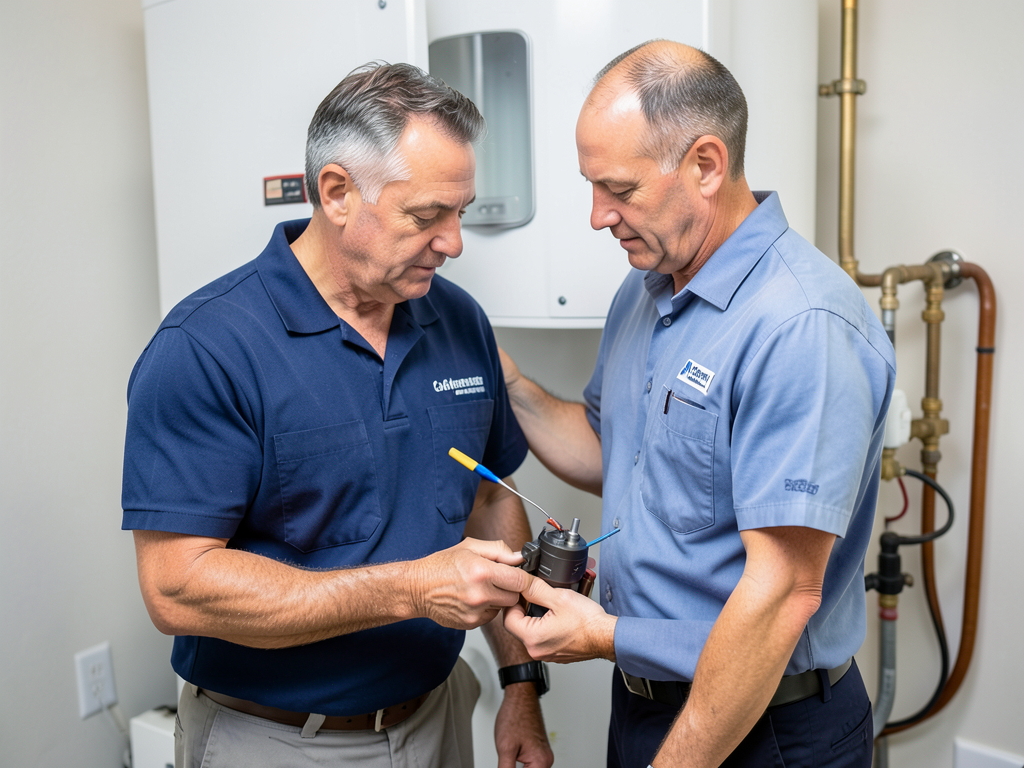
Keystone Plumbing Charlotte techs carry cameras, smoke machines, and pressure gauges on every truck. We do not need to schedule a second visit for diagnostics. We solve problems on the first trip whenever possible.

We also understand that sewer odors create embarrassment when you have guests. We work discreetly and efficiently. Our trucks are marked, but we respect your privacy and work around your schedule, including evening and weekend appointments for working families.

You are not hiring a drain cleaner. You are hiring a diagnostic plumber who understands building science, soil mechanics, and how Charlotte's climate affects plumbing systems.

What You Can Expect When You Call Us

Same-Day Service Availability

We dispatch trucks throughout the Charlotte metro area daily. When you call about sewer odors, we prioritize your comfort and health. Most odor investigations happen within 24 hours of your call. We offer same-day service for urgent situations. Our scheduling system accounts for traffic patterns on I-77 and I-485, so we provide realistic arrival windows and update you if conditions change.

Thorough Diagnostic Process

We do not charge separately for diagnostics when you proceed with recommended repairs. Our assessment includes testing all fixtures in affected areas, inspecting accessible drain and vent components, and deploying cameras or smoke machines as needed. You receive a written summary of findings with photos. We explain what failed, why it happened, and what correcting it involves before we start any work.

Lasting Repairs

We use materials rated for your specific application. PVC drain components meet ASTM D2665 standards. Wax rings are reinforced with polyethylene flanges for toilets on uneven floors common in older Charlotte homes. Enzymatic treatments contain live bacteria cultures that continue working for weeks after application. When we complete repairs, we verify the fix with follow-up testing, running water through fixtures and confirming proper venting.

Preventive Maintenance Guidance

We provide specific maintenance recommendations based on what we find. For homes with slow-draining fixtures, we suggest monthly hot water flushes. For properties with floor drains in basements or garages, we recommend periodic water addition to maintain P-trap seals. If your sewer line shows early signs of root intrusion, we discuss treatment options before blockages develop. We return for annual camera inspections if you have mature trees near your sewer line.

Frequently Asked Questions

You Have Questions,
We Have Answers

What is the hardest smell to get rid of? +

Sewer gas odor is the hardest smell to eliminate because it penetrates porous surfaces like drywall, grout, and wood. The hydrogen sulfide in sewer gas bonds to materials and lingers even after you fix the source. In Charlotte homes with crawl spaces or older cast iron drain lines, the smell can settle into floor joists and subfloors. You cannot mask it with air fresheners. You must fix the plumbing issue causing the gas leak, then ventilate thoroughly and clean affected surfaces with enzyme-based cleaners. Persistent odor after repairs means the gas saturated building materials.

How to find where sewer smell is coming from? +

Start by checking all drain traps in your Charlotte home. Pour water into floor drains, basement sinks, and rarely used toilets. Dry traps let sewer gas escape. Next, inspect the wax ring seal at each toilet base. Rock the toilet gently to check for movement. Look for cracks in drain pipes under sinks. Check your roof vent pipes for blockages from leaves or nests. In Charlotte's clay soil, settling can crack underground sewer lines. If you cannot locate the source after these checks, call a plumber for a smoke test or camera inspection.

Why does my drain smell bad but no blockage? +

Your drain smells because biofilm builds up inside the pipe walls even without a clog. This slimy layer of bacteria, soap scum, hair, and food particles produces foul odors. Charlotte's hard water accelerates biofilm growth. The P-trap may also be partially dry, allowing gas to escape without fully blocking water flow. Kitchen disposals often harbor rotting food particles in the splash guard folds. Bathroom sink overflow holes collect bacteria. Clean drains with hot water and baking soda, then flush with vinegar. Scrub disposal splash guards and overflow openings to eliminate smell sources.

Can I fix a sewage smell myself? +

You can fix simple causes yourself. Pour water into dry floor drains and unused fixtures to refill P-traps. Clean biofilm from drains using baking soda, vinegar, and hot water. Tighten loose toilet bolts and replace a faulty wax ring if you are comfortable removing the toilet. However, cracked vent pipes, broken sewer lines, or failed drain connections require professional repair. Charlotte's clay soil causes foundation movement that cracks pipes, a job for licensed plumbers. If the smell persists after basic fixes or you smell gas near multiple drains, call a professional immediately.

What is the most powerful odor eliminator? +

Enzyme-based cleaners work best for organic sewer odors because they break down the bacteria causing the smell rather than masking it. Products containing live bacteria cultures digest biofilm, grease, and waste in drain lines. For surfaces affected by sewer gas exposure, use an oxidizing agent like chlorine dioxide or activated charcoal absorbers. Avoid perfumed sprays, they only temporarily cover the problem. After fixing the plumbing issue in your Charlotte home, ventilate aggressively with fans and open windows. Replace HVAC filters. The odor will fade once you eliminate the source and decompose remaining organic matter.

What is the old lady's smell called? +

That musty smell in older homes is called nonenal odor. It comes from aging skin oils breaking down, but people often confuse it with other old house smells like mildew, dust, or dry drain traps. In Charlotte's humid climate, older homes frequently develop mold odors in crawl spaces or attics that residents mistake for other sources. If you smell this in a home without elderly occupants, check for water damage, leaking pipes, or ventilation problems. The smell concentrates in closed rooms with poor air circulation. Improving ventilation and addressing moisture problems usually resolves the issue.

Why does my house smell like sewer but no? +

You smell sewer gas but see no obvious problem because the issue hides in your plumbing system. Common hidden causes include cracked vent pipes inside walls, failed wax rings under toilets, or dry traps in floor drains you forgot about. Charlotte homes built on crawl spaces often have floor drains that dry out from lack of use. Settling from clay soil can crack drain connections behind walls. Main sewer line breaks under the foundation release gas that seeps through concrete. Check all fixtures first, then call a plumber for a camera inspection or smoke test to find hidden failures.

What's the average cost to fix a sewer smell? +

Simple fixes like replacing a toilet wax ring or cleaning drains cost little in materials if you do it yourself. Professional repairs range significantly based on the problem. Clearing a vent blockage differs from replacing a cracked sewer line under your foundation. Charlotte's clay soil often requires more extensive excavation when underground pipes fail. Factors affecting price include pipe location, accessibility, extent of damage, and whether you need just repairs or full replacement. Get multiple estimates from licensed Charlotte plumbers. Most offer free inspections to diagnose the source before quoting repair costs.

What are the signs of a broken sewer line? +

Watch for multiple slow drains throughout your Charlotte home, not just one fixture. Gurgling sounds when you flush toilets or drain sinks indicate venting problems or line damage. Sewage backups in floor drains or lower-level fixtures signal main line issues. Soft, soggy spots in your yard, especially near the sewer line path, mean leaking wastewater. Unexplained patches of lush grass show where nutrients from sewage leak underground. Foundation cracks or settling can accompany sewer line breaks in Charlotte's shifting clay soil. Persistent sewer odors inside or outside your home demand immediate professional inspection.

Should I call a plumber for a sewer smell? +

Yes, call a plumber when basic fixes fail or the smell appears suddenly and strongly. Sewer gas contains methane and hydrogen sulfide, both dangerous in concentration. If multiple drains smell, the problem extends beyond surface cleaning. Charlotte homes with crawl spaces or older cast iron pipes need professional assessment. A licensed plumber uses camera inspections and smoke tests to locate hidden breaks or failed vents. They understand local soil conditions and building codes. Ignoring sewer odors risks health problems and property damage from leaking wastewater. Professional diagnosis prevents small problems from becoming emergency repairs.

How Charlotte's Clay Soil and Humidity Amplify Sewer Gas Problems

Charlotte sits on Piedmont clay, which expands when wet and contracts during dry periods. This cycle exerts pressure on underground sewer lines, creating stress points at joints and fittings. Over years, these stress points develop into cracks or separations that allow sewer gas to escape. The problem intensifies in neighborhoods with mature trees. Tree roots exploit these small openings, widening them as they grow. Charlotte's average relative humidity of 70 percent accelerates bacterial growth inside drain lines, producing hydrogen sulfide faster than in drier climates. This combination of soil movement and high humidity makes sewer gas problems more prevalent here than in many other regions.

Keystone Plumbing Charlotte has served the greater Charlotte metro for years, building relationships with homeowners in Dilworth, Myers Park, Plaza Midwood, NoDa, and Ballantyne. We understand local building practices across different eras of development. We know which subdivisions used cast iron stacks that are now reaching end of life. We know which builders cut corners on venting during rapid growth periods. This institutional knowledge helps us diagnose problems faster. We also maintain relationships with Mecklenburg County inspectors, which streamlines the permitting process when structural repairs require inspection. You benefit from our local expertise and reputation.
Plumbing Services in The Charlotte Area

Discover our service area and see how conveniently located Keystone Plumbing is to serve your residential and commercial needs. We are dedicated to bringing reliable, expert plumbing solutions right to your doorstep. Explore the map to visualize our reach and understand why we are the trusted local choice for all your plumbing requirements. We look forward to connecting with you and providing exceptional service wherever you are located within our service boundaries.

Address:
Keystone Plumbing Charlotte, 2015 Ayrsley Town Blvd #202, Charlotte, NC, 28273

Additional Services We Offer

Our news updates

Latest Articles & News from The Blogs

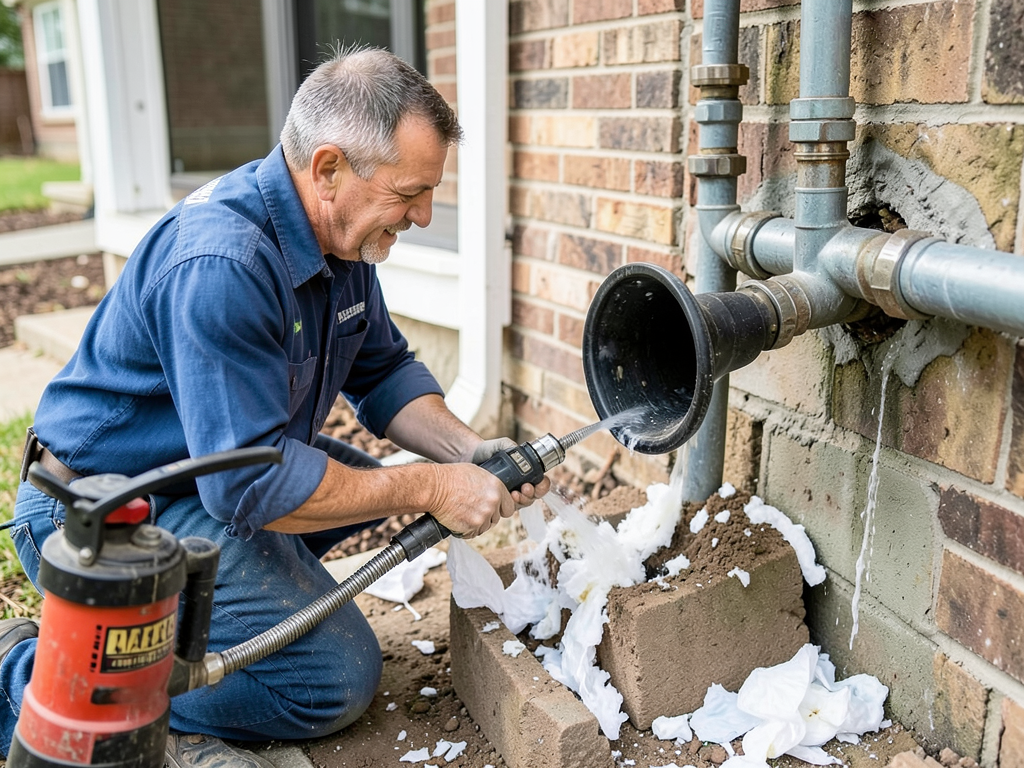
How to Find Your Main Water Shutoff Valve in Charlotte, NC Water gushing from a burst pipe can flood your…

How to find your main water shutoff valve before an emergency happens

How to Find Your Main Water Shutoff Valve in Charlotte, NC Water gushing from a burst pipe can flood your…

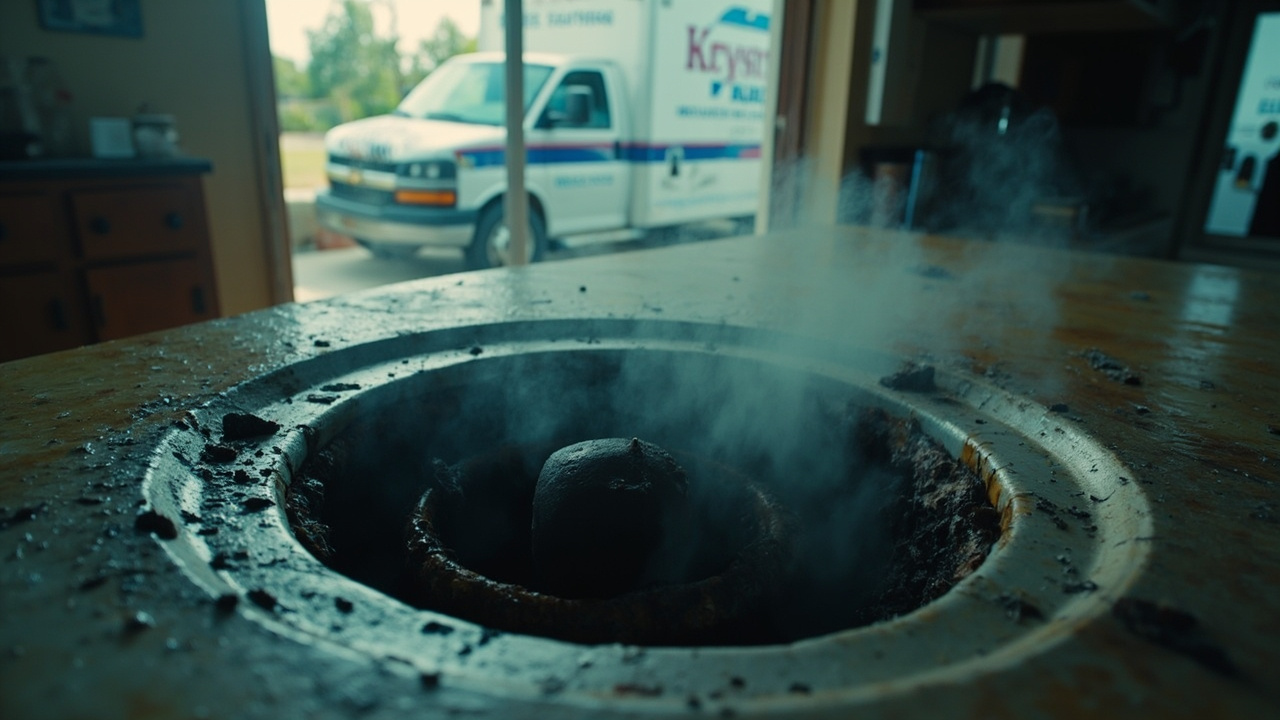
Troubleshooting a gas water heater that keeps shutting off in your Huntersville home

Gas Water Heater Keeps Shutting Off? Here's What to Check in Your Huntersville Home Your morning shower turns cold. Again.…

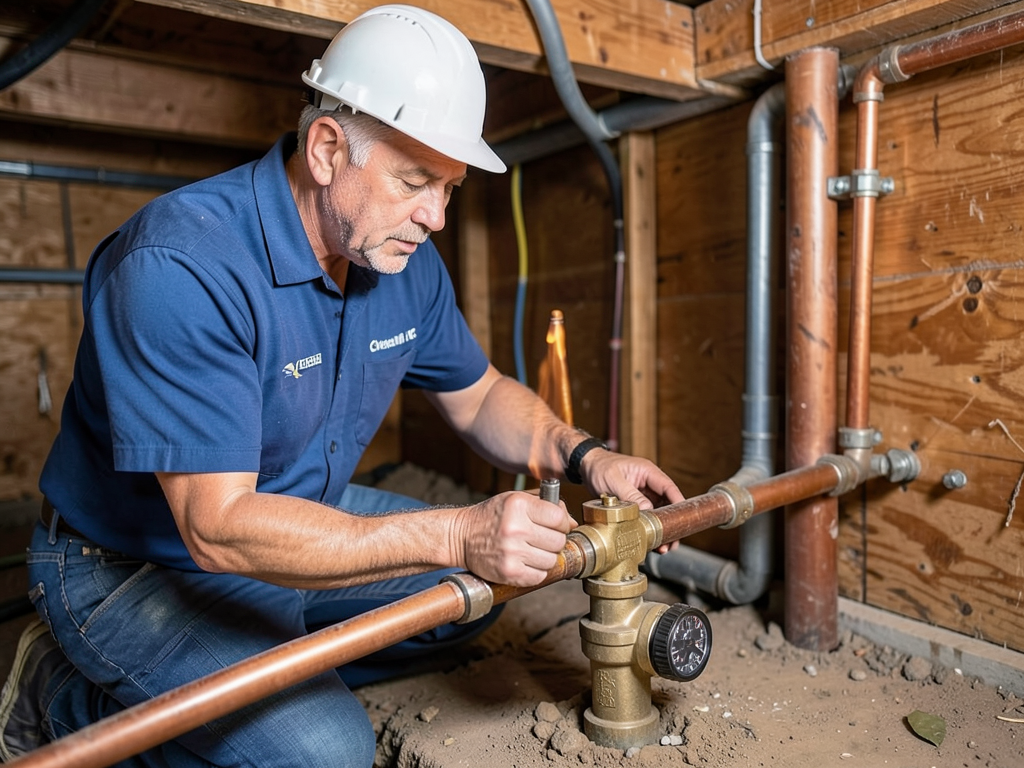
Why you should never flush "flushable" wipes down your toilet in Matthews

Why you should never flush "flushable" wipes down your toilet in Matthews The short answer is simple. Those "flushable" wipes…

Contact Us

Sewer gas affects your health and home value. Call Keystone Plumbing Charlotte at (980) 342-9933 for same-day diagnostic service. We identify the source and provide lasting solutions, not temporary fixes.