Menu

Emergency Sewer Backup Cleanup in Charlotte – 24/7 Response Teams Dispatched in Under 60 Minutes

When raw sewage floods your Charlotte home or business, every minute increases health risks and property damage. Our emergency sewer backup cleanup crews arrive fast, extract contaminated water immediately, and restore safety before the situation spreads.

Slider Image 1
Slider Image 2
Slider Image 3
Slider Image 4
Slider Image 5
Slider Image 7
Slider Image 8
Slider Image 9
Slider Image 10
Slider Image 11

Why Sewer Backups Strike Charlotte Properties Without Warning

You walk into your basement and hit the smell first. Then you see it. Dark water pooling near the floor drain, spreading across concrete, soaking into drywall. Raw sewage backing up into your Charlotte home is not just disgusting. It is a biohazard.

Charlotte's aging sewer infrastructure, combined with clay soil that shifts during wet seasons, creates the perfect conditions for main line failures. Tree roots from the area's mature oaks and maples infiltrate lateral lines, choking flow until pressure forces waste back into your lowest drains. Heavy rain events overwhelm combined sewer systems in older neighborhoods like Dilworth and Plaza Midwood, pushing sewage backwards through floor drains and toilets.

You need urgent sewage removal services, not a next-day appointment. Contaminated water contains E. coli, salmonella, hepatitis A, and parasites. Exposure causes severe illness. Porous materials like carpet, insulation, and drywall absorb pathogens within minutes. The longer sewage sits, the deeper it penetrates, the wider it spreads, and the more you lose.

Emergency raw sewage extraction stops the damage clock. Professional crews isolate the source, remove standing waste, and begin sanitization before mold spores colonize wet surfaces. You cannot mop this up yourself. Consumer wet vacs are not rated for Category 3 water. You need industrial extraction equipment, antimicrobial treatments, and technicians trained in bloodborne pathogen safety protocols.

When sewage erupts into your Charlotte property, the response window is measured in hours, not days.

Why Sewer Backups Strike Charlotte Properties Without Warning
How Emergency Sewer Backup Cleanup Protects Your Property and Health

How Emergency Sewer Backup Cleanup Protects Your Property and Health

Rapid sewer backup restoration is not about speed alone. It is about sequence. The wrong move spreads contamination. The right protocol contains it, removes it, and prevents recurrence.

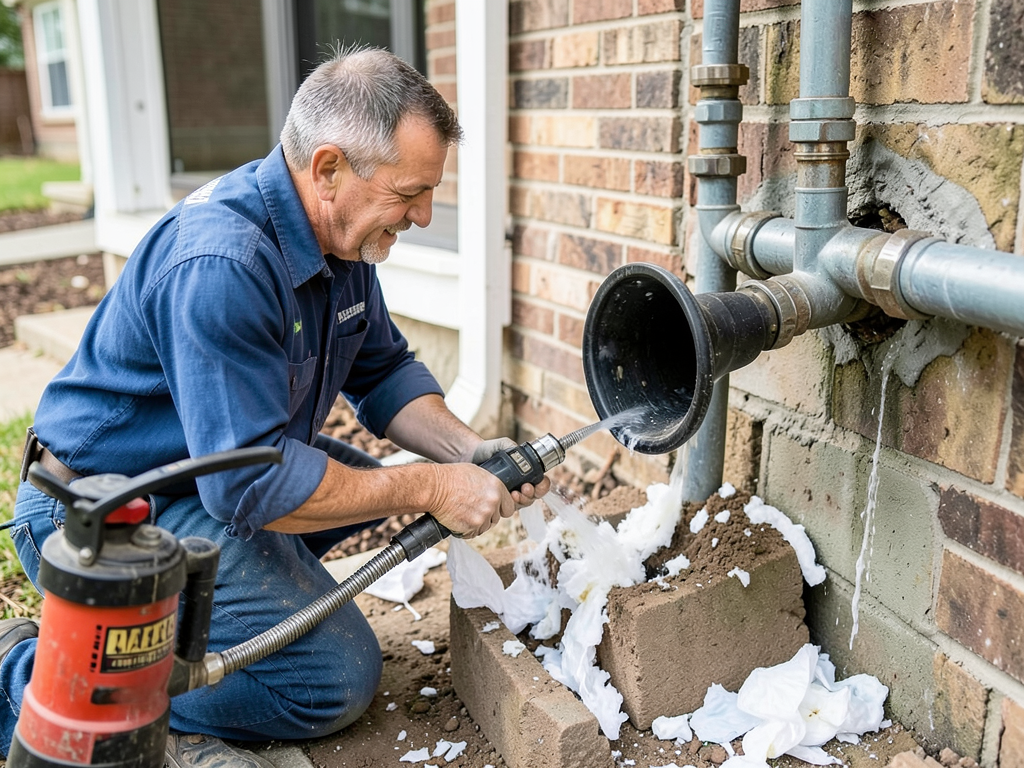
We start with source isolation. If the backup is active, we stop the inflow. That might mean clearing a blocked main line with hydro jetting, pulling tree roots with a mechanical auger, or opening a cleanout to relieve pressure. Until flow is restored to the municipal system, extraction is pointless. You are just bailing a sinking boat.

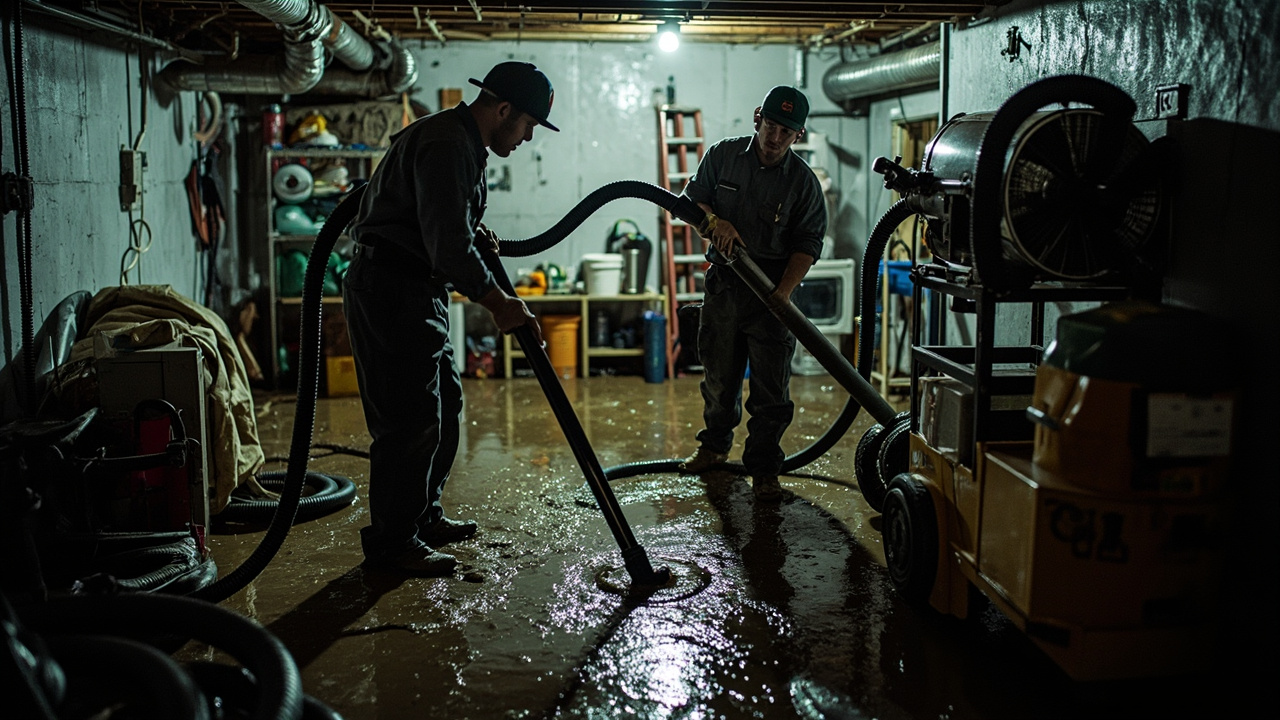
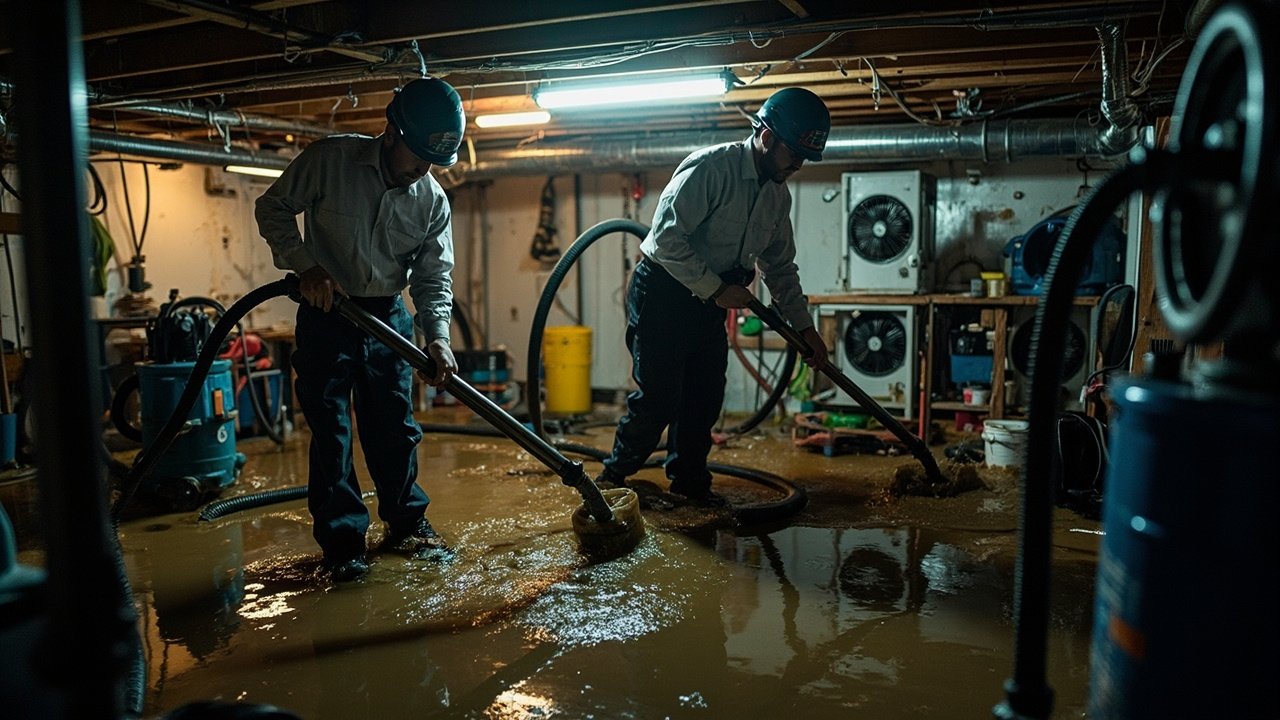
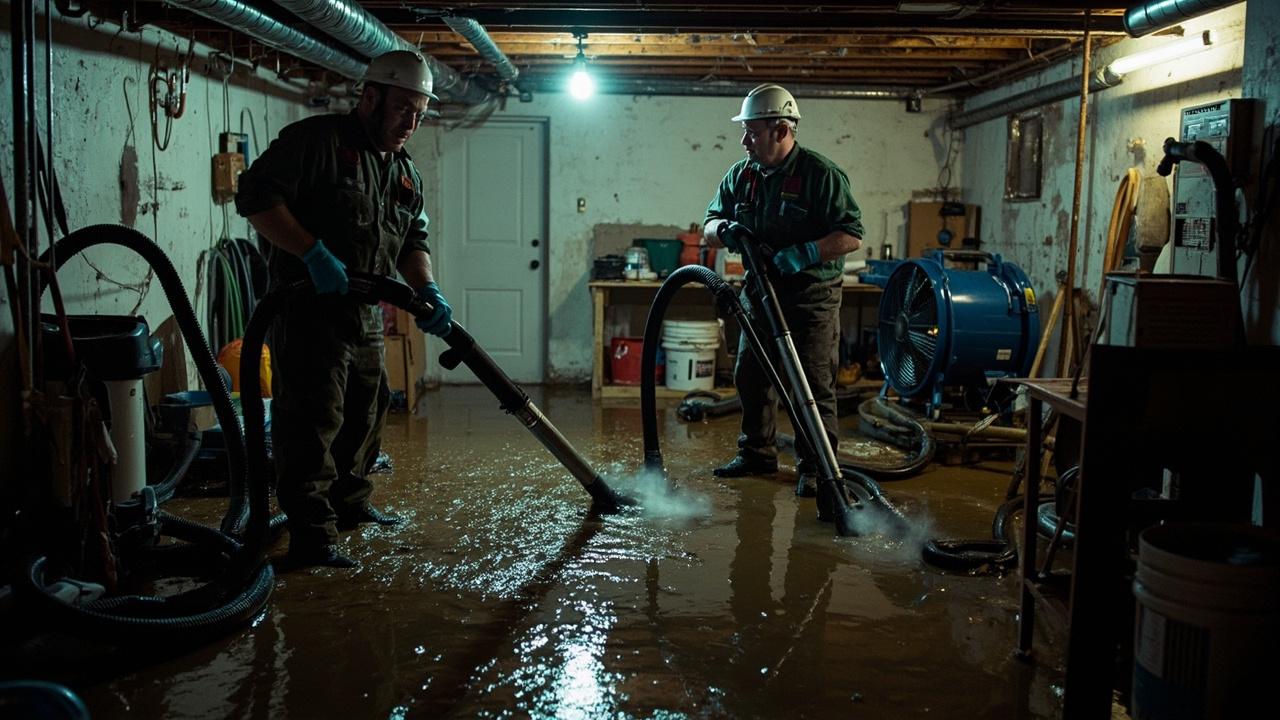
Once the line is clear, we deploy truck-mounted extractors that pull hundreds of gallons per minute. These systems generate negative pressure strong enough to lift sewage from carpet padding, subfloor gaps, and crawl space voids. We do not push contaminated water into corners. We remove it completely.

Next comes antimicrobial application. We fog affected areas with EPA-registered disinfectants that kill pathogens on contact. This is not bleach in a spray bottle. We use hospital-grade quaternary ammonium compounds and phenolic solutions designed for Category 3 contamination. Every surface that touched sewage gets treated, including wall cavities if drywall wicks moisture upward.

Air movers and dehumidifiers run for 48 to 72 hours to drop humidity below 40 percent. This prevents secondary mold growth, which starts within 24 hours in Charlotte's humid climate. We monitor moisture levels in structural materials using thermal imaging and pin meters, not guesswork.

Immediate sewage spill mitigation prevents total loss. The difference between a cleanup and a gut job is often just the response time.

What Happens During a Sewage Emergency Call

Emergency Sewer Backup Cleanup in Charlotte – 24/7 Response Teams Dispatched in Under 60 Minutes
01

Dispatch and Containment

You call our emergency line, and a live dispatcher gathers critical details: location, extent of backup, and any active flooding. A crew is assigned and en route within 30 minutes. While they travel, the dispatcher walks you through immediate containment steps, like shutting off water to prevent additional flow, isolating electrical circuits near standing water, and keeping children and pets away from contaminated areas. You are not waiting alone.
02

Extraction and Decontamination

The crew arrives in hazmat-rated gear with truck-mounted extraction rigs. They photograph the damage for insurance documentation, then begin pulling sewage from floors, drains, and affected materials. High-velocity air movers are positioned to accelerate evaporation. Antimicrobial foggers treat all exposed surfaces, including subflooring and wall cavities. Every step is logged and timed. This is controlled demolition of contamination, not cleanup theater.
03

Drying and Verification

Drying equipment runs continuously until moisture readings return to baseline. We retest every affected area with calibrated hygrometers and infrared cameras. If materials remain wet or contaminated, they are removed and discarded per North Carolina biohazard regulations. You receive a written report documenting moisture levels, antimicrobial applications, and disposal records. Your space is certified safe before we leave, not just assumed safe.

Why Charlotte Property Owners Call Keystone Plumbing Charlotte for Sewage Emergencies

When sewage floods your property at 2 a.m., you need a crew that knows Charlotte's sewer systems, not a national franchise reading a script. We have spent years diagnosing backup patterns in neighborhoods built on the city's legacy clay sewer lines. We know where root intrusion clusters along tree-lined streets in Myers Park. We know which parts of NoDa still tie into combined stormwater systems that overload during heavy rain.

That local knowledge changes outcomes. A technician who understands that your 1940s bungalow probably has an orangeburg lateral line can diagnose failure faster than someone seeing the pipe type for the first time. Speed matters when sewage is spreading.

Our trucks carry hydro jetters, mechanical augers, and extraction rigs because sewer backups require both plumbing repair and contamination remediation. Other companies send a plumber to clear the line, then tell you to call a separate restoration company for cleanup. That adds hours. We handle both on the same call.

We also navigate Charlotte's insurance claim requirements. Many homeowners do not realize that sewer backup coverage is an optional endorsement, not automatic. We document everything for your claim, including photos, moisture readings, and disposal receipts. Insurance adjusters respect detailed records. Vague estimates get challenged.

You also get transparent communication. We explain what caused the backup, whether it is your lateral line or the city's main, and what prevents it from happening again. If tree roots are the culprit, we discuss mechanical removal versus chemical treatments versus pipe lining. If the municipal main is failing, we help you file the right reports with Charlotte Water.

You are not just getting 24 hour sewer overflow cleaning. You are getting a local team that knows your building codes, your soil conditions, and your sewer infrastructure.

What to Expect During Emergency Sewer Backup Cleanup

Immediate Response Time

Sewage emergencies do not wait for business hours. Our crews are on call around the clock, every day of the year. When you call our emergency line at (980) 342-9933, a trained dispatcher answers immediately, not an answering service. A crew is dispatched within 30 minutes, and arrival time depends on your location within the Charlotte metro. Most calls in city limits get a technician on-site within 60 minutes. We bring everything needed for extraction, containment, and decontamination on the first trip. You are not waiting for a second crew or a parts run.

Detailed Damage Assessment

Before extraction starts, we document the full scope of contamination. Technicians photograph affected areas, map the spread pattern, and use moisture meters to test walls, flooring, and subflooring. We inspect your main sewer line with a camera to identify the blockage source, whether it is root intrusion, pipe collapse, or foreign objects. This assessment is not a formality. It determines whether materials can be saved or must be removed, and it provides the evidence your insurance adjuster needs. You receive a written scope of work before demolition begins.

Complete Contamination Removal

You will not smell sewage when we finish. Our extraction process removes all visible and hidden contamination, including sewage trapped in carpet padding, subfloor seams, and wall cavities. We apply EPA-registered antimicrobial treatments to every affected surface, then verify results with ATP testing, the same microbial detection method hospitals use. Materials that cannot be decontaminated, like porous insulation or particle board, are removed and disposed of per North Carolina biohazard regulations. Your property is restored to a safe, sanitary condition, not just superficially cleaned.

Post-Cleanup Prevention Guidance

One sewage backup is enough. After cleanup, we provide specific recommendations to prevent recurrence. If tree roots caused the failure, we discuss root barriers or trenchless pipe lining. If the problem is a collapsed clay lateral, we explain replacement options and cost factors. We can also install backwater valves that prevent municipal main overflows from entering your property during heavy rain events. You receive a written summary of findings, including video footage of your sewer line interior and a maintenance schedule for future inspections.

Frequently Asked Questions

You Have Questions,
We Have Answers

How do you clean up after sewer backup? +

Stop using the affected area immediately. Turn off water to prevent additional flooding. Call a professional cleanup crew right away because sewage contains dangerous bacteria and viruses. The team will extract standing water, remove contaminated materials like drywall and carpet, then disinfect all surfaces with hospital-grade antimicrobial solutions. Industrial air movers and dehumidifiers dry the space completely to prevent mold growth. In Charlotte's humid climate, proper drying is critical. Never attempt cleanup yourself. Category 3 water (sewage) requires protective gear and specialized equipment to protect your health and prevent cross-contamination.

How much does sewage backup cleanup cost? +

Emergency sewage cleanup varies based on the extent of contamination and affected square footage. A small basement backup differs from whole-home flooding. Factors include water extraction time, contaminated material removal, antimicrobial treatment, and structural drying. Charlotte's clay soil can worsen foundation damage, increasing costs. Most homeowners face expenses for labor, equipment rental, disposal fees, and restoration materials. Document everything with photos for insurance claims. Many policies cover sudden sewer backups if you have the right endorsement. Get multiple written estimates and ask about direct insurance billing to reduce out-of-pocket stress during this emergency.

How long do sewage bacteria last on surfaces? +

Sewage bacteria survive on surfaces for hours to months depending on the pathogen and conditions. E. coli can live for weeks on porous materials. Salmonella persists even longer in damp environments. Charlotte's high humidity creates ideal conditions for bacterial growth, which is why professional disinfection matters. Visible cleaning is not enough. Harmful microorganisms penetrate deep into grout, wood, and drywall. Professional crews use EPA-registered antimicrobials that kill pathogens on contact and provide residual protection. They test surfaces post-treatment to confirm sanitation. Never assume a surface is safe because it looks clean. Your family's health depends on thorough decontamination.

What is considered a sewer emergency? +

A sewer emergency involves raw sewage backing up into your home through drains, toilets, or basement floor drains. This happens when your main sewer line clogs or fails. You will see water pooling around fixtures or smell foul odors. Charlotte's aging sewer infrastructure and invasive tree roots (common with our oak and willow trees) frequently cause sudden blockages. If multiple drains back up simultaneously or you hear gurgling from toilets when running water elsewhere, you have a main line problem. This is a health hazard requiring immediate professional response. Do not wait. Sewage exposure causes serious illness.

Can you clear a main sewer line clog yourself? +

No. Main sewer line clogs require professional equipment and expertise. Store-bought drain cleaners and augers only reach branch lines, not the main line running from your home to the street. Main lines sit several feet underground and extend 50 to 100 feet or more. Charlotte's clay soil shifts and cracks pipes, creating stubborn blockages. Professionals use motorized drain machines with 100-foot cables or hydro-jetting equipment that blasts clogs with high-pressure water. They also run camera inspections to identify the exact problem location and pipe condition. Attempting this yourself risks pipe damage, personal injury, and sewage exposure.

Does homeowner insurance cover sewer backup? +

Standard homeowner policies typically exclude sewer backup damage. You need a separate sewer backup endorsement or rider, which costs minimal extra premium but provides significant protection. This coverage pays for cleanup, damaged belongings, and structural repairs after sewage enters your home through drains or toilets. Review your policy now, before disaster strikes. Many Charlotte homeowners discover they lack this coverage only after a backup occurs. If you have the endorsement, document all damage immediately with photos and videos. Contact your insurance company within 24 hours. Professional restoration companies often bill insurance directly, reducing your financial burden during an already stressful emergency.

Why is my sewer bill 200 dollars? +

Your sewer bill likely reflects a combination of water usage charges and sewer service fees, not actual sewage backup cleanup. Charlotte Water calculates sewer charges based on your water consumption because wastewater volume mirrors water use. High bills often result from leaks, increased household usage, or seasonal irrigation. Check for running toilets or dripping faucets. Some bills include stormwater fees for drainage infrastructure maintenance. If your bill suddenly spiked without explanation, request a meter reading audit. This question differs from emergency sewage cleanup costs, which involve contamination remediation, not utility billing. Contact Charlotte Water directly for billing disputes or payment plan options.

How long does it take a plumber to unclog a main sewer line? +

Unclogging a main sewer line takes one to three hours for straightforward blockages. Complex situations involving collapsed pipes, severe root intrusion, or multiple clogs require longer. Charlotte's mature tree canopy means root infiltration is common, sometimes needing hydro-jetting followed by camera inspection to confirm clearance. The plumber feeds a motorized cable through a cleanout access point, breaks up the obstruction, then flushes the line. If the blockage persists or pipes show significant damage on camera, you may need pipe repair or replacement, extending the timeline to days. Emergency crews prioritize speed but never sacrifice thoroughness. Complete clearing prevents recurring backups.

Is sewer jetting worth it? +

Yes. Hydro-jetting clears main sewer lines more thoroughly than traditional snaking. High-pressure water (up to 4,000 PSI) scours pipe walls, removing grease buildup, soap scum, and invasive tree roots that cables leave behind. For Charlotte homes with older cast iron or clay sewer lines, jetting provides superior cleaning and longer-lasting results. The process also flushes debris completely out of the system rather than just punching a hole through the clog. While jetting costs more upfront than cable augering, it reduces callback frequency and extends time between cleanings. For recurring backups or slow drains, jetting delivers better value and performance.

Is it safe to live in a house after sewage backup? +

No. Do not stay in your home until professionals complete cleanup, disinfection, and air quality testing. Sewage contains E. coli, salmonella, hepatitis A, and other dangerous pathogens that cause serious illness through contact or airborne particles. Contaminated materials release harmful bacteria and mold spores as they dry. Charlotte's humidity accelerates mold growth, compounding health risks. Children, elderly family members, and anyone with compromised immunity face heightened danger. Professional crews need unobstructed access to extract water, remove contaminated materials, and sanitize thoroughly. Temporary relocation protects your family and speeds restoration. Return only after professionals confirm the space is safe and dry.

How Charlotte's Clay Soil and Aging Sewer Lines Increase Backup Risks

Charlotte sits on Piedmont clay soil that expands when wet and contracts during dry periods. This seasonal shifting stresses rigid sewer laterals, especially older clay and cast iron pipes installed before 1980. Joints separate, creating entry points for tree roots seeking moisture. Once roots infiltrate, they grow rapidly in nutrient-rich sewage flow, forming dense mats that catch grease, paper, and debris. The result is a slow blockage that builds until pressure forces waste backwards into your home. Many Charlotte neighborhoods with mature tree canopies, like Eastover and Cotswold, experience higher backup rates because root systems and sewer lines occupy the same underground space.

Charlotte Water maintains the municipal mains, but property owners are responsible for lateral lines from the house to the main connection point, usually at the street. Many residents do not realize this until a backup happens. We work with local inspectors and follow Mecklenburg County plumbing codes for all repairs and replacements. Our teams know which permits are required for lateral line work, how to coordinate inspections, and when trenchless methods are allowed versus open-cut excavation. Choosing a local plumbing company means faster permit turnaround and compliance with regulations that out-of-town contractors often miss.
Plumbing Services in The Charlotte Area

Discover our service area and see how conveniently located Keystone Plumbing is to serve your residential and commercial needs. We are dedicated to bringing reliable, expert plumbing solutions right to your doorstep. Explore the map to visualize our reach and understand why we are the trusted local choice for all your plumbing requirements. We look forward to connecting with you and providing exceptional service wherever you are located within our service boundaries.

Address:
Keystone Plumbing Charlotte, 2015 Ayrsley Town Blvd #202, Charlotte, NC, 28273

Additional Services We Offer

Our news updates

Latest Articles & News from The Blogs

Why your water heater is rusting from the inside (and how the anode rod saves it) Your water heater tank…

Why your water heater is rusting from the inside (and how the anode rod saves it)

Why your water heater is rusting from the inside (and how the anode rod saves it) Your water heater tank…

Best Kitchen Faucet Finishes That Won't Show Hard Water Spots in Harrisburg

Best Kitchen Faucet Finishes That Won’t Show Hard Water Spots in Harrisburg Hard water spots can ruin the look of…

Soundproofing Your Pipes to Stop Hearing Your Neighbors Flush in Your Uptown Apartment

Soundproofing Your Pipes to Stop Hearing Your Neighbors Flush in Your Uptown Apartment Living in an Uptown Charlotte apartment means…

Contact Us

Sewage does not wait. The longer contaminated water sits, the more damage it causes and the higher your health risk. Call Keystone Plumbing Charlotte at (980) 342-9933 right now. Our emergency crews are standing by 24/7 to dispatch immediately, extract sewage, and restore safety to your property.