
Maintaining Your Sewage Ejector Pump to Avoid Basement Disasters in Piper Glen
A sewage ejector pump quietly protects your Piper Glen basement from wastewater backups every single day. When it fails, you’re facing thousands in flood damage and hazardous contamination. The humid summers and heavy rainfall in Mecklenburg County put extra strain on these systems, making regular maintenance not just smart but essential. Is a Tankless Water Heater Worth It for Your Ballantyne Home?.
Most homeowners don’t think about their ejector pump until water starts backing up through floor drains or toilets. By then, the damage is done. A properly maintained system should last 7-10 years, but neglect can cut that lifespan in half. The good news is that most failures are preventable with simple checks and cleaning. Professional Toilet Repair and Installation Services in Matthews.
How Sewage Ejector Pumps Work in Piper Glen Homes
Unlike sump pumps that handle groundwater, sewage ejector pumps move waste from below-grade bathrooms, laundry rooms, or basement kitchens up to your main sewer line. Piper Glen’s many hillside homes often have plumbing fixtures installed below the sewer main, making these pumps critical for daily function. Signs You Need a Main Water Line Replacement in Pineville.
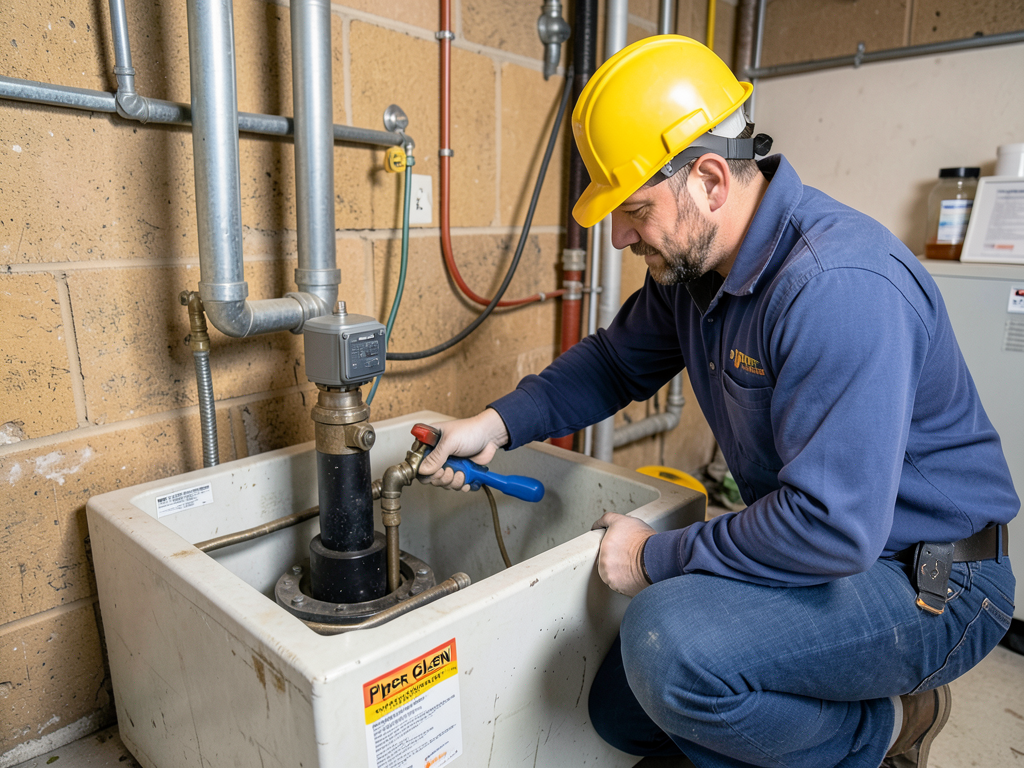
The system includes a sealed basin, a float switch that activates the pump, a check valve to prevent backflow, and often a high-water alarm. When wastewater enters the basin, the float rises until it triggers the pump motor. The pump then forces waste through a discharge pipe to the main sewer line. Common Sewer Line Issues for Historic Dilworth Properties and How to Fix Them.
Piper Glen’s clay-heavy soil can create drainage challenges, and the area’s average annual rainfall of 43 inches means your pump cycles more frequently than in drier regions. This constant operation makes regular maintenance even more critical for preventing premature failure.
5-Step DIY Maintenance Checklist for Your Ejector Pump
Regular maintenance takes less than 30 minutes and can prevent catastrophic failures. Here’s what to check every three months:
- Visual Inspection
Remove the basin lid and look for debris, unusual odors, or standing water above the normal level. The basin should be mostly empty between cycles. Any foul smells could indicate a failing check valve or dry trap.
- Float Switch Test
Pour a bucket of water into the basin. The float should rise smoothly and activate the pump within seconds. If it sticks or fails to trigger, the switch may need cleaning or replacement.
- Check Valve Inspection
Locate the check valve on the discharge pipe. It should be oriented with the arrow pointing away from the pump. Listen for a distinct “thunk” when the pump shuts off – this sound confirms the valve is closing properly to prevent backflow.
- Alarm System Test
Most systems have a high-water alarm that sounds when the basin fills beyond normal operating levels. Lift the float to its highest position or temporarily block it to test the alarm. Replace batteries annually if your system uses a battery backup.
- Vent Pipe Check
The vent pipe prevents dangerous sewer gas buildup. Ensure it’s clear of obstructions and properly connected to your home’s vent system. A blocked vent can cause pressure issues and pump inefficiency.
Warning Signs Your Pump Needs Professional Repair
Certain symptoms indicate your ejector pump is failing and needs immediate professional attention. Don’t wait until you have standing sewage in your basement.. Read more about Identifying the Source of Sewage Smells in Your Shuffletown Yard.
Unusual Noises – Grinding, rattling, or humming sounds suggest failing bearings, a jammed impeller, or motor issues. A healthy pump should run quietly and smoothly.
Frequent Cycling – If your pump runs every few minutes when no water is being used, you may have a leaking fixture, a stuck float, or a failing check valve allowing backflow.
Visible Leaks – Water around the basin or discharge pipe connections indicates failing seals or cracked components. Even small leaks can lead to major damage over time.
Strong Sewer Odors – Persistent foul smells suggest the basin isn’t sealing properly, the vent is blocked, or the check valve has failed. Sewer gas contains methane and hydrogen sulfide – both hazardous to your health.
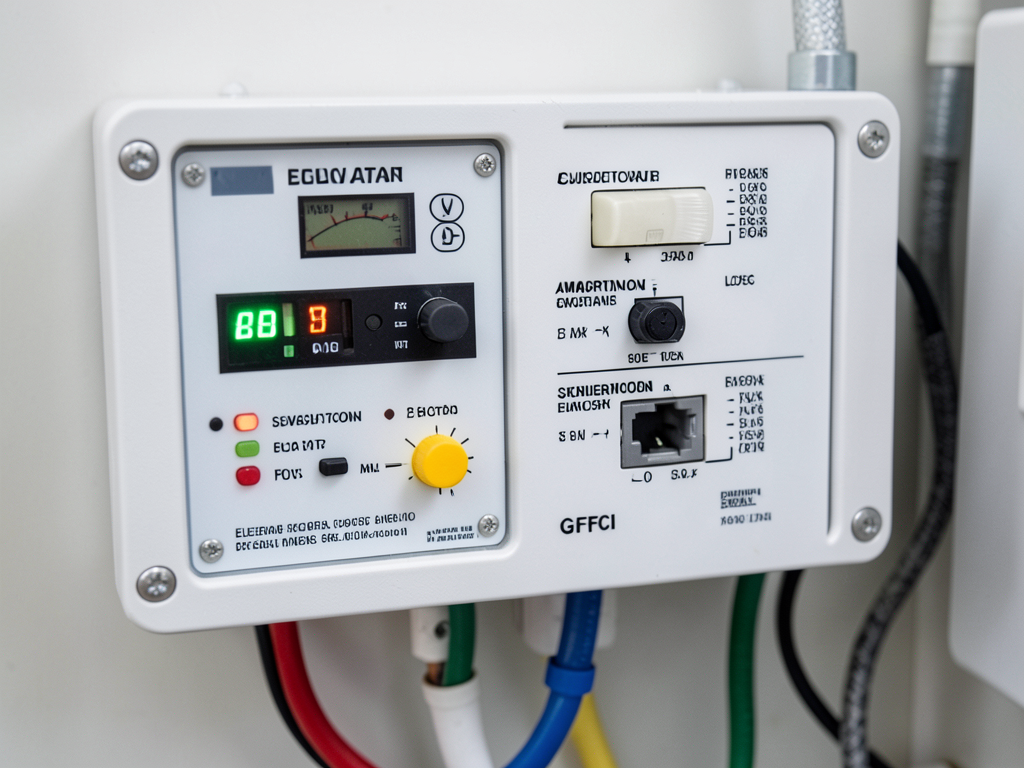
Power Issues – If your pump doesn’t run during heavy use or after storms, check the GFCI outlet first. If the outlet is fine, you may have electrical problems requiring professional diagnosis.
Professional Maintenance Schedule for North Carolina Homeowners
While DIY checks are valuable, professional maintenance should occur annually. A licensed plumber can perform tasks that require specialized tools and expertise.
Annual Professional Service Includes:
- Complete basin cleaning and debris removal
- Motor amperage testing to detect efficiency loss
- Discharge pipe inspection for blockages or corrosion
- Check valve replacement if showing wear
- Electrical connection inspection and tightening
- Alarm system testing and battery replacement
- Float switch calibration and cleaning
According to the North Carolina State Plumbing Code Section 13-9.1, all sewage ejector systems must maintain proper venting and backflow prevention. Professional service ensures your system meets these requirements and local building codes. North Carolina Department of Environmental Quality.
Cost Comparison: Maintenance vs. Flood Damage
Professional maintenance typically costs $150-300 annually. Compare that to the potential costs of system failure:
| Service Type | Average Cost | Frequency |
|---|---|---|
| Annual Professional Maintenance | $150-300 | Once per year |
| DIY Quarterly Checks | $0-50 (supplies) | Every 3 months |
| Emergency Pump Replacement | $1,500-3,000 | When failed |
| Basement Sewage Cleanup | $2,000-10,000 | After backup |
| Structural Repairs from Water Damage | $5,000-15,000+ | After flooding |
The math is clear: regular maintenance costs less than 5% of what you’d spend on emergency repairs and cleanup. Plus, you avoid the health hazards and disruption of a sewage backup. EPA information on sewage systems.
Charlotte-Specific Environmental Factors
Piper Glen’s location in the Piedmont region creates unique challenges for sewage ejector systems. The area’s heavy clay soil retains moisture and drains poorly, increasing hydraulic pressure on your system during wet seasons.
Mecklenburg County’s average of 43 inches of annual rainfall means your pump cycles more frequently than systems in drier climates. During hurricane season, the additional strain can push aging components past their breaking point.
The freeze-thaw cycles common in North Carolina winters can cause minor pipe shifts that create stress on discharge lines and connections. These small movements, repeated over years, can lead to cracks and leaks.
Charlotte Water’s system pressure fluctuations, particularly during summer peak usage, can affect how efficiently your ejector pump moves waste. Homes at higher elevations or near the ends of supply lines may experience more pressure variability.
Common Mistakes That Lead to Pump Failure
Many pump failures result from simple mistakes that are easily avoided. Understanding these pitfalls can save you thousands in repairs. Gas Line Repair & Installation.
Flushing Inappropriate Items – Even with an ejector pump, you should never flush wipes, feminine products, or excessive paper. These items can jam impellers and clog discharge lines. The pump’s macerating action can actually make clogs worse by shredding items into smaller, more stubborn blockages.
Ignoring Warning Signs – That occasional strange noise or minor odor is your pump crying for help. Small problems become expensive emergencies when ignored.
DIY Repairs Without Proper Knowledge – Sewage systems involve both plumbing and electrical components. Incorrect repairs can create safety hazards, void warranties, or cause code violations.
Skipping Professional Inspections – While DIY maintenance is valuable, it can’t replace a professional’s ability to detect early wear patterns, test electrical components, or identify code compliance issues.
When to Replace vs. Repair Your Ejector Pump
Most ejector pumps last 7-10 years with proper maintenance. Here’s how to decide between repair and replacement:
Consider Replacement If:
- Your pump is over 8 years old and showing problems
- Repair costs exceed 50% of replacement cost
- The motor has failed completely
- You’re experiencing frequent breakdowns (more than once per year)
- Your system doesn’t meet current plumbing codes
Repair May Be Appropriate If:
- The pump is under 5 years old
- You’re having minor issues like a stuck float or clogged impeller
- The motor runs but seems weak or inefficient
- You’ve maintained the system regularly and it’s otherwise reliable
Newer models offer improved efficiency, quieter operation, and better reliability. A replacement might also include upgraded features like battery backup systems for power outage protection.
Emergency Response: What to Do When Your Pump Fails
If you discover sewage backing up in your basement, act quickly to minimize damage:
- Stop using all plumbing fixtures immediately
- Locate the pump’s circuit breaker and turn it off
- Remove any valuables from the affected area
- Call a professional plumber – don’t attempt sewage cleanup yourself
- Document the damage for insurance purposes
Never enter standing water in your basement if you suspect a sewage backup. The water may contain harmful bacteria and pathogens. Professional cleanup crews use proper protective equipment and disposal methods.
Frequently Asked Questions
How often should I test my sewage ejector pump?
Test your pump every three months by pouring water into the basin and verifying it activates properly. Perform a complete visual inspection annually and schedule professional maintenance once per year.
Can I install a sewage ejector pump myself?
Professional installation is strongly recommended. Ejector pumps involve complex plumbing connections, electrical work, and must meet local building codes. Improper installation can lead to system failure, code violations, and potential health hazards.
What’s the difference between a sump pump and an ejector pump?
Sump pumps remove clean groundwater from basements, while ejector pumps handle wastewater containing solids from below-grade plumbing fixtures. Ejector pumps have sealed basins and macerating capabilities that sump pumps lack.
How much does it cost to replace a sewage ejector pump?
Replacement costs typically range from $1,500 to $3,000, including the pump, labor, and any necessary plumbing modifications. High-end systems with battery backup can cost more.
Should I get a battery backup for my ejector pump?
Yes, especially in areas prone to power outages or if you have finished basement space. A battery backup system can provide 8-24 hours of operation during outages and serves as a second layer of protection against flooding.
Don’t wait for a basement disaster to think about your sewage ejector pump. The humid summers and heavy rainfall in Piper Glen make these systems work harder than in many other regions. A little preventative maintenance now can save you thousands in emergency repairs and cleanup costs later.
Ready to schedule your annual maintenance or need emergency service? Call (980) 342-9933 today. Our licensed plumbers serve Piper Glen and all of Charlotte with 24/7 emergency response. Don’t let a simple pump failure turn into a major disaster – pick up the phone and call (980) 342-9933 before the next storm hits.
Protect your home and your peace of mind with professional sewage ejector pump service from Keystone Plumbing. We’re your local experts for all plumbing emergencies and preventative maintenance needs.
You may also find this helpful. Warning Signs That Tree Roots Are Moving Toward Your Villa Heights Sewer Line.
{
“@context”: “https://schema.org”,
“@type”: “BlogPosting”,
“headline”: “Maintaining Your Sewage Ejector Pump to Avoid Basement Disasters in Piper Glen”,
“description”: “Protect your Piper Glen basement from sewage backups with our expert sewage ejector pump maintenance guide. Learn warning signs, DIY steps, and when to call (980) 342-9933.”,
“wordCount”: 1783,
“datePublished”: “2026-03-21T09:55:00.000Z”,
“dateModified”: “2026-03-21T09:55:00.000Z”,
“inLanguage”: “en-US”,
“mainEntityOfPage”: {
“@type”: “WebPage”,
“@id”: “https://keystoneplumbingcharlotte.com”
},
“publisher”: {
“@type”: “LocalBusiness”,
“name”: “Keystone Plumbing Charlotte”,
“url”: “https://keystoneplumbingcharlotte.com”
},
“author”: {
“@type”: “Organization”,
“name”: “Keystone Plumbing Charlotte”,
“url”: “https://keystoneplumbingcharlotte.com”
},
“image”: {
“@type”: “ImageObject”,
“url”: “https://keystoneplumbingcharlotte.com/wp-content/uploads/2026/03/maintaining-your-sewage-ejector-pump-to-avoid-base-1.png”
}
}
{
“@context”: “https://schema.org”,
“@type”: “Plumber”,
“name”: “Keystone Plumbing Charlotte”,
“url”: “https://keystoneplumbingcharlotte.com”,
“address”: {
“@type”: “PostalAddress”,
“addressLocality”: “Charlotte”
},
“areaServed”: {
“@type”: “City”,
“name”: “Charlotte”
}
}
{
“@context”: “https://schema.org”,
“@type”: “FAQPage”,
“mainEntity”: [
{
“@type”: “Question”,
“name”: “How often should I test my sewage ejector pump?”,
“acceptedAnswer”: {
“@type”: “Answer”,
“text”: “Test your pump every three months by pouring water into the basin and verifying it activates properly. Perform a complete visual inspection annually and schedule professional maintenance once per year.”
}
},
{
“@type”: “Question”,
“name”: “Can I install a sewage ejector pump myself?”,
“acceptedAnswer”: {
“@type”: “Answer”,
“text”: “Professional installation is strongly recommended. Ejector pumps involve complex plumbing connections, electrical work, and must meet local building codes. Improper installation can lead to system failure, code violations, and potential health hazards.”
}
},
{
“@type”: “Question”,
“name”: “What’s the difference between a sump pump and an ejector pump?”,
“acceptedAnswer”: {
“@type”: “Answer”,
“text”: “Sump pumps remove clean groundwater from basements, while ejector pumps handle wastewater containing solids from below-grade plumbing fixtures. Ejector pumps have sealed basins and macerating capabilities that sump pumps lack.”
}
},
{
“@type”: “Question”,
“name”: “How much does it cost to replace a sewage ejector pump?”,
“acceptedAnswer”: {
“@type”: “Answer”,
“text”: “Replacement costs typically range from $1,500 to $3,000, including the pump, labor, and any necessary plumbing modifications. High-end systems with battery backup can cost more.”
}
},
{
“@type”: “Question”,
“name”: “Should I get a battery backup for my ejector pump?”,
“acceptedAnswer”: {
“@type”: “Answer”,
“text”: “Yes, especially in areas prone to power outages or if you have finished basement space. A battery backup system can provide 8-24 hours of operation during outages and serves as a second layer of protection against flooding.”
}
}
]
}
{
“@context”: “https://schema.org”,
“@type”: “HowTo”,
“name”: “Ejector Pump Maintenance Checklist”,
“step”: [
{
“@type”: “HowToStep”,
“position”: 1,
“name”: “Visual Inspection”,
“text”: “Remove the basin lid and look for debris, unusual odors, or standing water above the normal level. The basin should be mostly empty between cycles. Any foul smells could indicate a failing check valve or dry trap.”
},
{
“@type”: “HowToStep”,
“position”: 2,
“name”: “Float Switch Test”,
“text”: “Pour a bucket of water into the basin. The float should rise smoothly and activate the pump within seconds. If it sticks or fails to trigger, the switch may need cleaning or replacement.”
},
{
“@type”: “HowToStep”,
“position”: 3,
“name”: “Check Valve Inspection”,
“text”: “Locate the check valve on the discharge pipe. It should be oriented with the arrow pointing away from the pump. Listen for a distinct \”thunk\” when the pump shuts off – this sound confirms the valve is closing properly to prevent backflow.”
},
{
“@type”: “HowToStep”,
“position”: 4,
“name”: “Alarm System Test”,
“text”: “Most systems have a high-water alarm that sounds when the basin fills beyond normal operating levels. Lift the float to its highest position or temporarily block it to test the alarm. Replace batteries annually if your system uses a battery backup.”
},
{
“@type”: “HowToStep”,
“position”: 5,
“name”: “Vent Pipe Check”,
“text”: “The vent pipe prevents dangerous sewer gas buildup. Ensure it’s clear of obstructions and properly connected to your home’s vent system. A blocked vent can cause pressure issues and pump inefficiency.”
}
],
“image”: “https://keystoneplumbingcharlotte.com/wp-content/uploads/2026/03/maintaining-your-sewage-ejector-pump-to-avoid-base-1.png”
}
{
“@context”: “https://schema.org”,
“@type”: “BreadcrumbList”,
“itemListElement”: [
{
“@type”: “ListItem”,
“position”: 1,
“name”: “Home”,
“item”: “https://keystoneplumbingcharlotte.com”
},
{
“@type”: “ListItem”,
“position”: 2,
“name”: “Blog”,
“item”: “https://keystoneplumbingcharlotte.com/blog”
},
{
“@type”: “ListItem”,
“position”: 3,
“name”: “Maintaining Your Sewage Ejector Pump to Avoid Basement Disasters in Piper Glen”
}
]
}
{
“@context”: “https://schema.org”,
“@type”: “Service”,
“serviceType”: “Plumbing”,
“provider”: {
“@type”: “LocalBusiness”,
“name”: “Keystone Plumbing Charlotte”,
“url”: “https://keystoneplumbingcharlotte.com”
},
“areaServed”: {
“@type”: “City”,
“name”: “Charlotte”
},
“description”: “Protect your Piper Glen basement from sewage backups with our expert sewage ejector pump maintenance guide. Learn warning signs, DIY steps, and when to call (980) 342-9933.”
}