
What Is That Pink Slime in Your Paw Creek Shower and How to Kill It
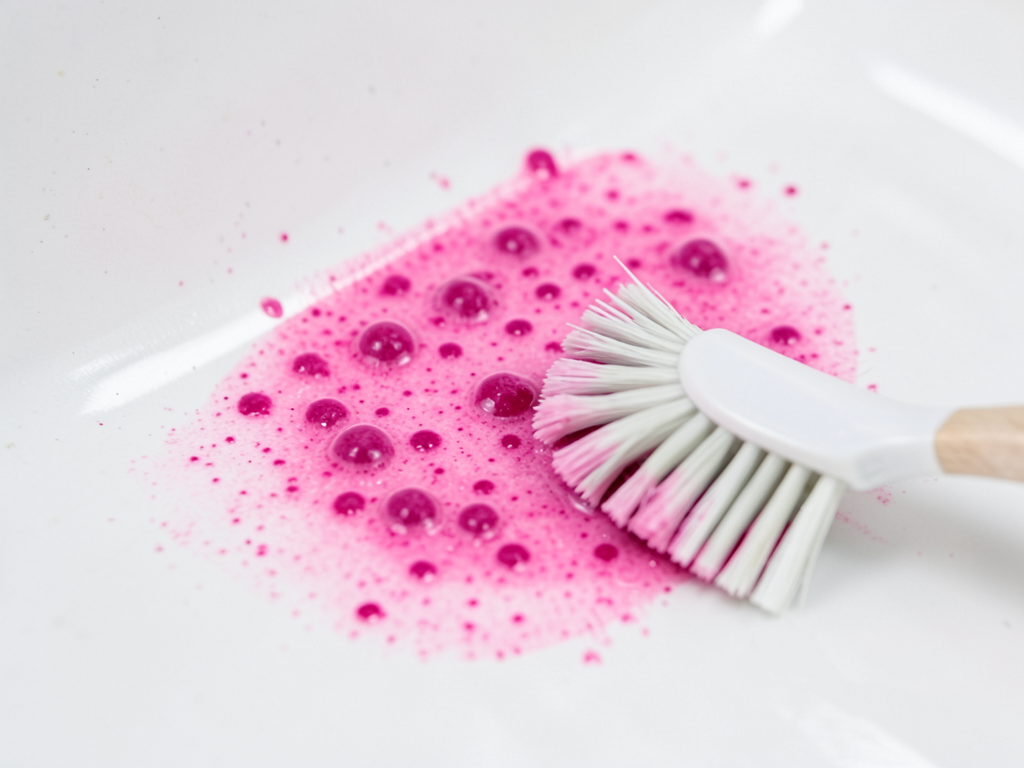
That slimy pink film in your Paw Creek shower is not mold. It is a bacteria called Serratia marcescens that feeds on the fatty acids in soap scum and thrives in Charlotte’s humid climate. It grows on shower walls, grout, and inside drains where moisture lingers. While it is not immediately dangerous, it can cause skin irritation and respiratory issues for some people. This guide shows you how to remove it and stop it from coming back.
What Is Pink Slime (and Why Charlotte Homes See It More)
Serratia marcescens is a waterborne bacterium that produces a reddish-pink pigment called prodigiosin. It loves warm, damp environments and feeds on the organic residue left by soaps, shampoos, and body oils. Charlotte’s high summer humidity and year-round moisture create the perfect breeding ground. Many homes in Paw Creek and nearby areas sit on clay-heavy soil that drains poorly, keeping bathrooms damp longer after showers.
Is It Dangerous for Your Family
The bacteria is not classified as toxic, but it can cause problems. People with open cuts or compromised immune systems may develop skin infections. In rare cases, it can lead to urinary tract infections or respiratory irritation if inhaled as aerosolized particles during cleaning. The real danger is that it signals persistent moisture, which can also harbor mold behind tiles or under caulk.
Why It Keeps Coming Back in North Carolina Homes
Charlotte’s municipal water contains chlorine to kill pathogens, but when water sits in showerheads or drains, chlorine dissipates. Soap scum left behind provides a food source. Poor ventilation traps humidity, and homes with older exhaust fans often fail to meet the current North Carolina Mechanical Code requirement of 50 cubic feet per minute for bathrooms. Without proper airflow, surfaces stay wet long enough for bacteria to multiply.
Step-by-Step Removal Guide
Supplies You Need:
- White vinegar or diluted bleach solution (1 part bleach to 10 parts water)
- Non-abrasive scrub brush or old toothbrush
- Rubber gloves and eye protection
- Clean microfiber cloths
Cleaning Steps:
- Ventilate the bathroom and wear gloves and eye protection.
- Spray the affected area with vinegar or bleach solution and let it sit for 10 minutes.
- Scrub with a brush, paying attention to grout lines and corners where bacteria hide.
- Rinse thoroughly with warm water.
- Dry all surfaces with a clean cloth to remove standing moisture.
Never mix vinegar and bleach. The combination releases toxic chlorine gas. Always test cleaners on a small area first to avoid damaging tile or grout.
Professional Prevention Strategies
Cleaning alone does not stop recurrence. You need to control moisture and remove the bacteria’s food source. Install or upgrade your bathroom exhaust fan to meet current National Fire Protection Association (NFPA) 70 ventilation standards. Repair any leaky faucets or shower valves that keep surfaces damp. Consider a whole-home water softener if your home has hard water, as mineral deposits can trap organic residue. Regularly wipe down shower walls after use to eliminate soap scum buildup.
When to Call a Charlotte Plumber
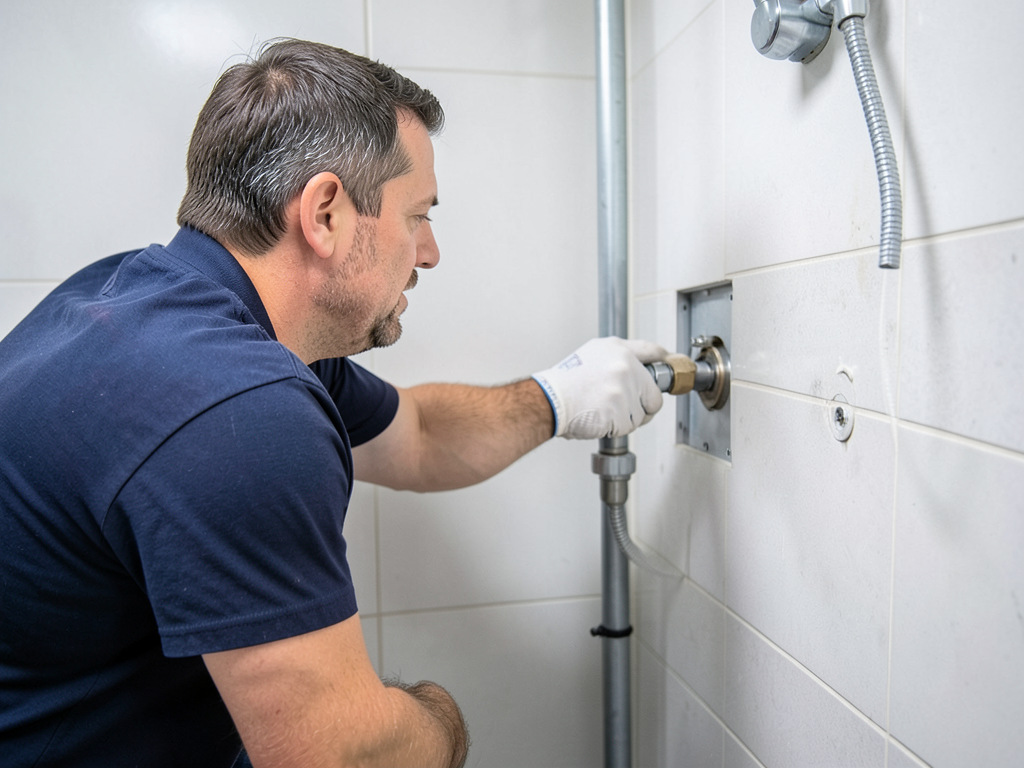
If pink slime returns within days of cleaning, the problem may be inside your plumbing. Old pipes with biofilm buildup or a failing waterproof membrane behind shower tiles can harbor bacteria. A plumber can inspect for hidden leaks, test water quality, and recommend solutions like antimicrobial pipe treatments or grout replacement. Call (980) 342-9933 if you notice persistent stains, musty odors, or if anyone in your home develops unexplained skin irritation. Is a Tankless Water Heater Worth It for Your Ballantyne Home?.
Comparing Cleaning Solutions
| Cleaner | Effectiveness | Safety | Best For |
|---|---|---|---|
| Vinegar | Moderate | Very Safe | Light buildup, daily maintenance |
| Bleach Solution | High | Requires PPE | Heavy buildup, disinfecting |
| Commercial Antimicrobial | High | Follow label | Professional-grade cleaning |
Humidity and Ventilation in Paw Creek Homes
Paw Creek sits in a low-lying area near McAlpine Creek, where humidity often exceeds 80 percent in summer. Many homes built before 2000 have exhaust fans that move less than half the required air volume. Without proper ventilation, shower walls stay wet for hours, giving bacteria time to multiply. Upgrading to a fan with a humidity sensor can cut moisture levels by up to 60 percent.. Read more about Why Your New Fort Mill Home Needs a Steam Shower Installation.
Local Water Quality and Bacterial Growth
Charlotte’s water comes from the Catawba and Mountain Island Lake watersheds. While treated to meet all safety standards, the water’s mineral content can leave residue that bacteria feed on. Homes with water softeners sometimes see more growth if the system removes chlorine, which also acts as a mild disinfectant. A plumber can test your water and recommend a balance between softness and bacterial control. Signs You Need a Main Water Line Replacement in Pineville.
Maintenance Schedule to Keep It Away
Consistency is key. Wipe shower walls with a squeegee after each use. Deep clean with vinegar weekly. Inspect and clean your exhaust fan grille monthly. Check for leaks under sinks and around toilets quarterly. If you follow this routine, you can reduce pink slime recurrence by up to 80 percent. Professional Toilet Repair and Installation Services in Matthews.
Frequently Asked Questions
Is pink slime the same as black mold?
No. Pink slime is a bacteria called Serratia marcescens. Black mold is a fungus that grows on organic material and can produce harmful mycotoxins. Both thrive in moisture but require different treatments.
Can I use essential oils to prevent it?
Some essential oils like tea tree or eucalyptus have antimicrobial properties, but they are not a substitute for proper cleaning and ventilation. They may help slow growth but will not eliminate the bacteria.
Does a water filter help?
A point-of-use filter on your showerhead can reduce chlorine and minerals, but it may also remove the small amount of chlorine that helps control bacteria. Whole-home systems with a carbon pre-filter can actually encourage bacterial growth if not maintained.
How long does it take to clean?
Most cleaning jobs take 15 to 30 minutes, plus drying time. If you have heavy buildup or need to replace grout, it could take a few hours or require a professional.
Take Action Today
Don’t let pink slime take over your shower. Start with a deep clean this weekend using the steps above. If it keeps coming back, the problem may be deeper than surface dirt. Call (980) 342-9933 today to schedule a plumbing inspection and stop the cycle for good. For more information, visit CDC guidelines on cleaning and sanitizing. For more information, visit EPA recommendations for bathroom ventilation.
You may also find this helpful. Getting Rid of Annoying Drain Flies in Your Clanton Park Bathroom.
{
“@context”: “https://schema.org”,
“@type”: “BlogPosting”,
“headline”: “What Is That Pink Slime in Your Paw Creek Shower and How to Kill It”,
“description”: “Learn what pink slime in your Paw Creek shower really is, why it keeps coming back, and how Charlotte’s humidity and water chemistry make it worse. Get proven cleaning methods and when to call a plumber.”,
“wordCount”: 1082,
“datePublished”: “2026-04-04T08:17:00.000Z”,
“dateModified”: “2026-04-04T08:17:00.000Z”,
“inLanguage”: “en-US”,
“mainEntityOfPage”: {
“@type”: “WebPage”,
“@id”: “https://keystoneplumbingcharlotte.com”
},
“publisher”: {
“@type”: “LocalBusiness”,
“name”: “Keystone Plumbing Charlotte”,
“url”: “https://keystoneplumbingcharlotte.com”
},
“author”: {
“@type”: “Organization”,
“name”: “Keystone Plumbing Charlotte”,
“url”: “https://keystoneplumbingcharlotte.com”
},
“image”: {
“@type”: “ImageObject”,
“url”: “https://keystoneplumbingcharlotte.com/wp-content/uploads/2026/03/what-is-that-pink-slime-in-your-paw-creek-shower-a-1.png”
}
}
{
“@context”: “https://schema.org”,
“@type”: “Plumber”,
“name”: “Keystone Plumbing Charlotte”,
“url”: “https://keystoneplumbingcharlotte.com”,
“address”: {
“@type”: “PostalAddress”,
“addressLocality”: “Charlotte”
},
“areaServed”: {
“@type”: “City”,
“name”: “Charlotte”
}
}
{
“@context”: “https://schema.org”,
“@type”: “FAQPage”,
“mainEntity”: [
{
“@type”: “Question”,
“name”: “Is pink slime the same as black mold?”,
“acceptedAnswer”: {
“@type”: “Answer”,
“text”: “No. Pink slime is a bacteria called Serratia marcescens. Black mold is a fungus that grows on organic material and can produce harmful mycotoxins. Both thrive in moisture but require different treatments.”
}
},
{
“@type”: “Question”,
“name”: “Can I use essential oils to prevent it?”,
“acceptedAnswer”: {
“@type”: “Answer”,
“text”: “Some essential oils like tea tree or eucalyptus have antimicrobial properties, but they are not a substitute for proper cleaning and ventilation. They may help slow growth but will not eliminate the bacteria.”
}
},
{
“@type”: “Question”,
“name”: “Does a water filter help?”,
“acceptedAnswer”: {
“@type”: “Answer”,
“text”: “A point-of-use filter on your showerhead can reduce chlorine and minerals, but it may also remove the small amount of chlorine that helps control bacteria. Whole-home systems with a carbon pre-filter can actually encourage bacterial growth if not maintained.”
}
},
{
“@type”: “Question”,
“name”: “How long does it take to clean?”,
“acceptedAnswer”: {
“@type”: “Answer”,
“text”: “Most cleaning jobs take 15 to 30 minutes, plus drying time. If you have heavy buildup or need to replace grout, it could take a few hours or require a professional.”
}
}
]
}
{
“@context”: “https://schema.org”,
“@type”: “BreadcrumbList”,
“itemListElement”: [
{
“@type”: “ListItem”,
“position”: 1,
“name”: “Home”,
“item”: “https://keystoneplumbingcharlotte.com”
},
{
“@type”: “ListItem”,
“position”: 2,
“name”: “Blog”,
“item”: “https://keystoneplumbingcharlotte.com/blog”
},
{
“@type”: “ListItem”,
“position”: 3,
“name”: “What Is That Pink Slime in Your Paw Creek Shower and How to Kill It”
}
]
}
{
“@context”: “https://schema.org”,
“@type”: “Service”,
“serviceType”: “Plumbing”,
“provider”: {
“@type”: “LocalBusiness”,
“name”: “Keystone Plumbing Charlotte”,
“url”: “https://keystoneplumbingcharlotte.com”
},
“areaServed”: {
“@type”: “City”,
“name”: “Charlotte”
},
“description”: “Learn what pink slime in your Paw Creek shower really is, why it keeps coming back, and how Charlotte’s humidity and water chemistry make it worse. Get proven cleaning methods and when to call a plumber.”
}