
Why Your Yorkmount Water Heater Vent Could Be a Silent Danger
Your water heater works quietly in the background but its venting system could be silently putting your family at risk. In Yorkmount’s older homes near the Charlotte-Douglas International Airport, many water heaters still use atmospheric venting that wasn’t designed for today’s tighter building envelopes. When combustion gases can’t escape properly, they backdraft into your living space instead of going up the flue. National Fire Protection Association CO safety guidelines.
Carbon monoxide poisoning kills over 400 Americans yearly and sends thousands more to emergency rooms. A blocked or corroded vent pipe in your Yorkmount home could be releasing this odorless gas right now. The humid Piedmont climate accelerates corrosion on metal vents, especially in crawlspaces common to this area’s mid-century construction. Common Sewer Line Issues for Historic Dilworth Properties and How to Fix Them.
Proper venting isn’t just about safety—it’s required by the North Carolina Fuel Gas Code Section 5.8. Your water heater needs adequate draft to carry combustion byproducts outside. Without it, you’re gambling with your family’s health every time you take a hot shower or run the dishwasher. Is a Tankless Water Heater Worth It for Your Ballantyne Home?.
Carbon Monoxide: The Invisible Threat in Your Utility Room
Carbon monoxide forms when fuel burns incompletely. Your gas water heater produces it constantly during operation. Under normal conditions, the vent carries it safely outside. But when something goes wrong, CO can accumulate to deadly levels within minutes. Signs You Need a Main Water Line Replacement in Pineville.
The early symptoms mimic the flu—headaches, dizziness, nausea, confusion. You might think you’re catching a bug when actually your water heater vent is failing. CO detectors save lives but they’re often placed too far from the water heater to catch problems early.. Read more about Getting Instant Hot Water in Your Quail Hollow Estate With a Recirculation Pump.
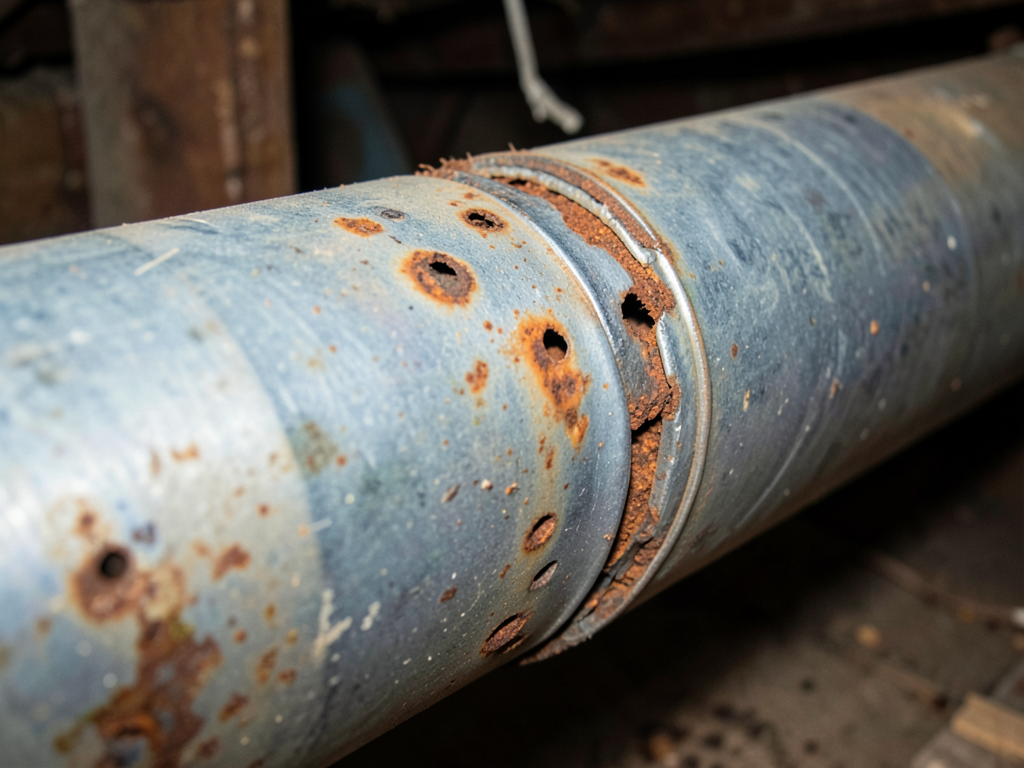
In Yorkmount’s 1960s-1980s homes, the original B-vent pipes often develop rust holes or separated joints. The thermal expansion and contraction from Charlotte’s seasonal temperature swings weakens these connections over decades. A single gap can let CO seep into wall cavities and spread through your home.
Watch for these warning signs: soot around the draft hood, melted plastic near the vent, excessive condensation on windows, or a yellow burner flame instead of blue. If you notice any of these, your venting system needs immediate inspection.
Types of Water Heater Vents Found in Charlotte Homes
Different water heater designs use different venting methods. Understanding what you have helps identify potential problems specific to your system.. Read more about Maintaining Your Tankless Water Heater to Prevent System Failure in Huntersville.
Atmospheric venting uses natural convection to draw combustion gases up a vertical metal pipe. These B-vents rely on the hot air rising principle. They’re common in older Yorkmount homes but vulnerable to backdrafting when negative pressure exists inside the house.
Power venting adds an electric fan to force gases through PVC pipes. These systems can vent horizontally through walls and work well in tight spaces. The motorized draft inducer maintains consistent airflow regardless of house pressure changes.
Direct vent systems pull combustion air from outside and exhaust through a sealed pipe. They’re the safest option since they never use indoor air. Many newer installations in Yorkmount’s recent renovations use this technology.
Flexible aluminum liners sometimes replace damaged sections of rigid vent pipes. While convenient for repairs, they can sag over time creating low spots where condensate collects and accelerates corrosion. Gas Line Repair & Installation.
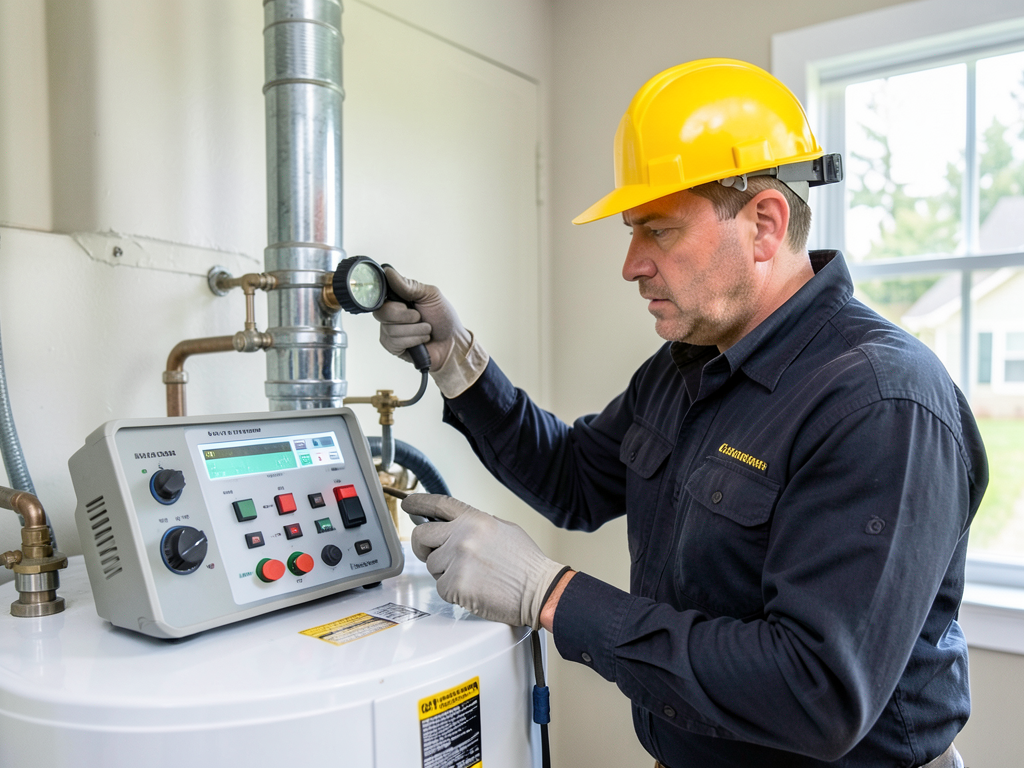
Diagram comparing atmospheric, power, and direct vent water heater systems showing airflow patterns and safety features.
North Carolina Plumbing Code Requirements for Water Heater Venting
The North Carolina State Building Code (based on the International Fuel Gas Code) sets strict requirements for water heater venting. Section 5.8.5 mandates minimum vent pipe diameter based on the water heater’s BTU input rating.. Read more about Why Your Attic Water Heater Needs a Secondary Drain Pan in Mooresville.
Vents must maintain a 1/4 inch per foot upward slope toward the chimney or termination point. Any sag creates condensate traps that block proper draft. The code also requires specific clearances from combustible materials—typically 6 inches for single-wall vent connectors.
Vent terminations need protection from rain, snow, and debris. The opening must be at least 12 inches above grade and 3 feet from any window or door. In Yorkmount’s heavy rainfall climate, improper termination often leads to water entering the vent system.
High-efficiency water heaters using PVC venting must use schedule 40 PVC rated for flue gas temperatures. Using incorrect pipe material creates a fire hazard. The Charlotte-Mecklenburg Code Enforcement office requires permits for any vent modifications.. Read more about Installing Gas Lines for New Pool Heaters in Your Rock Hill Backyard.
Earthquake bracing isn’t required in North Carolina but wind loading requirements apply. Vents penetrating roofs need proper flashing to prevent leaks during summer thunderstorms common to the Piedmont region.
Common Venting Mistakes We See in Charlotte Homes
Many venting problems stem from improper installation or DIY modifications. Over decades, homeowners often make changes without understanding the safety implications.
Missing or damaged draft hoods allow backdrafting even when the vent pipe itself is intact. The draft hood creates the critical gap that prevents negative pressure from pulling combustion gases into the home. Without it, your water heater becomes a CO generator.
Incorrect vent pipe slope causes deadly problems. Even a slight backward tilt creates a condensate trap. The trapped water blocks flue gases, forcing them to escape through cracks or draft hood openings. We frequently find this in Yorkmount homes where settling has altered the original pipe angles.
Using regular PVC instead of high-temperature rated pipe for power vents creates a serious fire hazard. Standard PVC melts at temperatures water heaters routinely produce. The resulting failure dumps hot gases and flames into wall cavities.
Shared venting between multiple appliances causes dangerous competition for draft. When your furnace and water heater share a vent, one appliance can pull combustion gases from the other. This cross-contamination happens frequently in older Yorkmount homes with combined heating systems.
Improper vent connector materials also create problems. Using flammable plastic tape instead of listed vent sealants, or connecting different metal types without proper adapters, leads to corrosion and leaks at joints.
How to Test for Backdrafting at Home
You can perform a simple backdraft test to check if your water heater is venting properly. This test takes five minutes and could reveal a dangerous problem.
Wait until your water heater has been off for at least 30 minutes. Turn on all exhaust fans in your home—bathroom fans, kitchen hood, clothes dryer. These create negative pressure that can pull combustion gases back into the house.
Turn the water heater thermostat up so it fires immediately. Hold a lighted match or smoke pencil near the draft hood opening. If the smoke gets pulled into the hood, your venting works correctly. If smoke blows away from the hood or moves erratically, you have backdrafting.
Another test involves feeling the vent pipe temperature. The first 3 feet of pipe above the water heater should feel warm but not hot. A very hot pipe indicates poor draft and heat escaping into your home instead of going up the chimney.
Watch your water heater during operation. The flame should burn steady and blue. If it flickers or turns yellow, combustion air supply problems exist. Listen for unusual sounds like rumbling or popping that indicate delayed ignition or improper gas mixture.
These tests provide warning signs but don’t replace professional inspection. A licensed plumber has combustion analyzers and draft gauges to measure exactly what’s happening inside your vent system. Professional Toilet Repair and Installation Services in Matthews.
Power Vent vs. Direct Vent: Which Is Right for Your Yorkmount Home?
Upgrading your water heater venting system can solve chronic problems and improve efficiency. The choice between power vent and direct vent depends on your home’s configuration and your priorities.
Power vent systems work well when you need flexibility in vent routing. They can run horizontally through walls using PVC pipe, making them ideal for Yorkmount homes with finished basements or limited vertical clearance. The electric fan ensures consistent draft regardless of weather conditions.
Direct vent systems offer maximum safety by sealing combustion completely from your indoor air. They use a concentric pipe where combustion air enters through the outer pipe and exhaust exits through the inner pipe. This design prevents any chance of backdrafting.
Power vents cost less initially but require electricity to operate. During power outages, they won’t work. Direct vents have higher upfront costs but provide better energy efficiency since they don’t steal heated air for combustion.
Yorkmount’s mixed housing stock presents unique challenges. Some homes lack proper chaseways for vertical venting. Others have tight mechanical rooms where direct vent’s sealed combustion prevents problems with limited combustion air.
Consider your long-term plans. If you’re finishing your basement or adding rooms, upgrading to a sealed combustion system prevents future complications. The additional cost often pays for itself through improved efficiency and peace of mind.
Emergency Warning Signs: When to Call Immediately
Some venting problems require immediate professional attention. Don’t wait if you notice these danger signs in your Yorkmount home.
Visible soot around your water heater indicates incomplete combustion. The black residue comes from unburned carbon and signals your burner isn’t getting enough air or the vent isn’t removing combustion products. This condition produces dangerous levels of carbon monoxide.
Melted plastic near the water heater vent suggests exhaust temperatures exceed safe limits. This happens when draft fails and hot gases escape through unintended openings. The melted material releases toxic fumes and creates a fire hazard.
Excessive condensation on windows or walls near the water heater points to high humidity from improper venting. When combustion gases cool too quickly, they release moisture that damages finishes and promotes mold growth. This moisture also accelerates vent pipe corrosion.
Strange odors when the water heater runs indicate combustion problems. You might smell gas, burning plastic, or metallic fumes. Any unusual smell warrants immediate shutdown and professional inspection.
If multiple family members experience headaches, dizziness, or nausea that improves when away from home, evacuate immediately and call 911. These are classic carbon monoxide poisoning symptoms. Don’t delay—CO can kill within hours at high concentrations.
Water heater fires cause millions in damage yearly. If you see flames or sparks coming from the vent area, shut off the gas supply if safe to do so and evacuate. Call the fire department from outside the home.
Professional Vent Inspection: What We Check
A thorough vent inspection goes beyond visual checks. Professional plumbers use specialized tools to verify your system operates safely and efficiently.
We start by examining the entire vent path from the water heater to termination. This includes checking for proper support, clearances from combustibles, and signs of corrosion or damage. We measure vent pipe slope to ensure it meets code requirements.
Combustion analysis reveals exactly what’s happening during operation. We measure oxygen levels, carbon monoxide production, and stack temperature. These readings show whether your water heater burns cleanly and vents properly.
Draft measurement determines if your vent creates adequate negative pressure to pull combustion gases outside. We use draft gauges to measure pressure at the draft hood and along the vent pipe. Weak draft indicates blockages, improper sizing, or competing appliances.
Visual inspection with borescopes lets us examine vent interiors without disassembly. We look for corrosion, soot buildup, animal nests, or collapsed sections that could block proper venting. This is especially important for vents running through walls or attics.
We also check related safety components. The temperature-pressure relief valve must function correctly to prevent explosions. The gas line connections need leak testing. The combustion air supply must provide adequate oxygen for clean burning.
After inspection, we provide a detailed report with photos showing any problems found and recommendations for repairs or upgrades. This documentation proves compliance with local codes if you sell your home.
Maintenance Tips to Keep Your Vent System Safe
Regular maintenance prevents most venting problems. These simple steps protect your family and extend your water heater’s life.
Replace carbon monoxide detectors every 5-7 years. The sensors degrade over time and may not alarm at dangerous CO levels. Install detectors within 15 feet of sleeping areas and near fuel-burning appliances.
Keep the area around your water heater clear. Don’t store flammable materials, paper, or chemicals nearby. Good airflow prevents overheating and allows proper combustion air intake.
Check vent connections annually for gaps or corrosion. Look for rust streaks, white powdery deposits, or separated joints. These indicate moisture problems that worsen over time.
Have your water heater professionally serviced every two years. A technician can catch developing problems before they become emergencies. They’ll clean the burner, check the anode rod, and verify venting performance.
If you notice any changes in your water heater’s operation—new noises, different flame appearance, or unusual odors—investigate immediately. Small changes often precede major failures.
Consider upgrading older systems before they fail. A 15-year-old water heater with original venting may be operating inefficiently and unsafely. Modern high-efficiency units with sealed combustion eliminate many traditional venting problems.
Frequently Asked Questions
How often should water heater vents be inspected?
Professional inspection every two years ensures safe operation. Annual visual checks by homeowners can catch obvious problems like rust or disconnections. Older systems or those in humid environments like Yorkmount may need more frequent service.
Can I vent my water heater through the sidewall instead of the roof?
Yes, power vent and direct vent systems can terminate through sidewalls. This often works better in Yorkmount homes with limited vertical clearance or finished basements. The North Carolina Fuel Gas Code permits sidewall venting with proper materials and clearances.
What’s the difference between Type B vent and PVC venting?
Type B vent is double-wall metal pipe for atmospheric gas appliances. PVC venting is used with power vent or high-efficiency units burning cooler exhaust. Never use PVC for atmospheric venting—it can’t withstand the temperatures and poses a fire hazard.
How much does it cost to replace a water heater vent?
Simple vent repairs start around $300-500. Complete system replacement with new water heater ranges from $1,500-3,500 depending on the type and complexity. Direct vent systems cost more initially but provide better safety and efficiency.
Should I install a CO detector near my water heater?
CO detectors should be placed near sleeping areas rather than right next to the water heater. If CO builds up in your home, you want the alarm to wake you. However, having one in the utility area provides early warning of venting problems.
Protect Your Yorkmount Home Today
Your water heater vent system works silently every day to keep your family safe. But when it fails, the consequences can be deadly. Don’t wait for symptoms to appear—by then, you may already be breathing dangerous gases.
Yorkmount’s older homes have unique venting challenges. The humid climate accelerates corrosion. The original installations weren’t designed for today’s tighter building envelopes. Many systems operate on borrowed time.
Call (980) 342-9933 today to schedule a comprehensive vent inspection. Our licensed plumbers use professional-grade testing equipment to verify your system meets all North Carolina code requirements. We’ll check for backdrafting, measure draft pressure, and inspect every component from the draft hood to the termination point.
During the inspection, we’ll also evaluate your water heater’s overall condition and efficiency. Many Yorkmount homeowners discover they can improve safety and reduce energy bills with a modern upgrade. We provide clear recommendations with upfront pricing so you can make informed decisions.
Don’t gamble with your family’s safety. Pick up the phone and call (980) 342-9933 before the next storm hits or another humid summer accelerates corrosion in your aging vent system. Your peace of mind is worth a quick phone call.
Remember: proper venting isn’t a luxury—it’s a life-safety requirement. Let our experienced team ensure your Yorkmount home stays safe and comfortable year-round.
Technician performing combustion analysis on a gas water heater using professional diagnostic equipment to measure CO levels and draft pressure.
Close-up of corroded B-vent pipe showing rust holes and separated joints common in Yorkmount’s humid climate. For more information, visit Consumer Product Safety Commission CO poisoning information.
{
“@context”: “https://schema.org”,
“@type”: “BlogPosting”,
“headline”: “The Importance of Proper Water Heater Venting for Your Yorkmount Home”,
“description”: “Protect your Yorkmount home from carbon monoxide with expert water heater venting. Learn NC code requirements and warning signs from local Charlotte plumbers.”,
“wordCount”: 2654,
“datePublished”: “2026-04-09T14:20:00.000Z”,
“dateModified”: “2026-04-09T14:20:00.000Z”,
“inLanguage”: “en-US”,
“mainEntityOfPage”: {
“@type”: “WebPage”,
“@id”: “https://keystoneplumbingcharlotte.com”
},
“publisher”: {
“@type”: “LocalBusiness”,
“name”: “Keystone Plumbing Charlotte”,
“url”: “https://keystoneplumbingcharlotte.com”
},
“author”: {
“@type”: “Organization”,
“name”: “Keystone Plumbing Charlotte”,
“url”: “https://keystoneplumbingcharlotte.com”
},
“image”: {
“@type”: “ImageObject”,
“url”: “https://keystoneplumbingcharlotte.com/wp-content/uploads/2026/03/the-importance-of-proper-water-heater-venting-for-1.png”
}
}
{
“@context”: “https://schema.org”,
“@type”: “Plumber”,
“name”: “Keystone Plumbing Charlotte”,
“url”: “https://keystoneplumbingcharlotte.com”,
“address”: {
“@type”: “PostalAddress”,
“addressLocality”: “Charlotte”
},
“areaServed”: {
“@type”: “City”,
“name”: “Charlotte”
}
}
{
“@context”: “https://schema.org”,
“@type”: “FAQPage”,
“mainEntity”: [
{
“@type”: “Question”,
“name”: “Power Vent vs. Direct Vent: Which Is Right for Your Yorkmount Home?”,
“acceptedAnswer”: {
“@type”: “Answer”,
“text”: “Upgrading your water heater venting system can solve chronic problems and improve efficiency. The choice between power vent and direct vent depends on your home’s configuration and your priorities.”
}
},
{
“@type”: “Question”,
“name”: “How often should water heater vents be inspected?”,
“acceptedAnswer”: {
“@type”: “Answer”,
“text”: “Professional inspection every two years ensures safe operation. Annual visual checks by homeowners can catch obvious problems like rust or disconnections. Older systems or those in humid environments like Yorkmount may need more frequent service.”
}
},
{
“@type”: “Question”,
“name”: “Can I vent my water heater through the sidewall instead of the roof?”,
“acceptedAnswer”: {
“@type”: “Answer”,
“text”: “Yes, power vent and direct vent systems can terminate through sidewalls. This often works better in Yorkmount homes with limited vertical clearance or finished basements. The North Carolina Fuel Gas Code permits sidewall venting with proper materials and clearances.”
}
},
{
“@type”: “Question”,
“name”: “What’s the difference between Type B vent and PVC venting?”,
“acceptedAnswer”: {
“@type”: “Answer”,
“text”: “Type B vent is double-wall metal pipe for atmospheric gas appliances. PVC venting is used with power vent or high-efficiency units burning cooler exhaust. Never use PVC for atmospheric venting—it can’t withstand the temperatures and poses a fire hazard.”
}
},
{
“@type”: “Question”,
“name”: “How much does it cost to replace a water heater vent?”,
“acceptedAnswer”: {
“@type”: “Answer”,
“text”: “Simple vent repairs start around $300-500. Complete system replacement with new water heater ranges from $1,500-3,500 depending on the type and complexity. Direct vent systems cost more initially but provide better safety and efficiency.”
}
},
{
“@type”: “Question”,
“name”: “Should I install a CO detector near my water heater?”,
“acceptedAnswer”: {
“@type”: “Answer”,
“text”: “CO detectors should be placed near sleeping areas rather than right next to the water heater. If CO builds up in your home, you want the alarm to wake you. However, having one in the utility area provides early warning of venting problems.”
}
}
]
}
{
“@context”: “https://schema.org”,
“@type”: “BreadcrumbList”,
“itemListElement”: [
{
“@type”: “ListItem”,
“position”: 1,
“name”: “Home”,
“item”: “https://keystoneplumbingcharlotte.com”
},
{
“@type”: “ListItem”,
“position”: 2,
“name”: “Blog”,
“item”: “https://keystoneplumbingcharlotte.com/blog”
},
{
“@type”: “ListItem”,
“position”: 3,
“name”: “The Importance of Proper Water Heater Venting for Your Yorkmount Home”
}
]
}
{
“@context”: “https://schema.org”,
“@type”: “Service”,
“serviceType”: “Plumbing”,
“provider”: {
“@type”: “LocalBusiness”,
“name”: “Keystone Plumbing Charlotte”,
“url”: “https://keystoneplumbingcharlotte.com”
},
“areaServed”: {
“@type”: “City”,
“name”: “Charlotte”
},
“description”: “Protect your Yorkmount home from carbon monoxide with expert water heater venting. Learn NC code requirements and warning signs from local Charlotte plumbers.”
}