
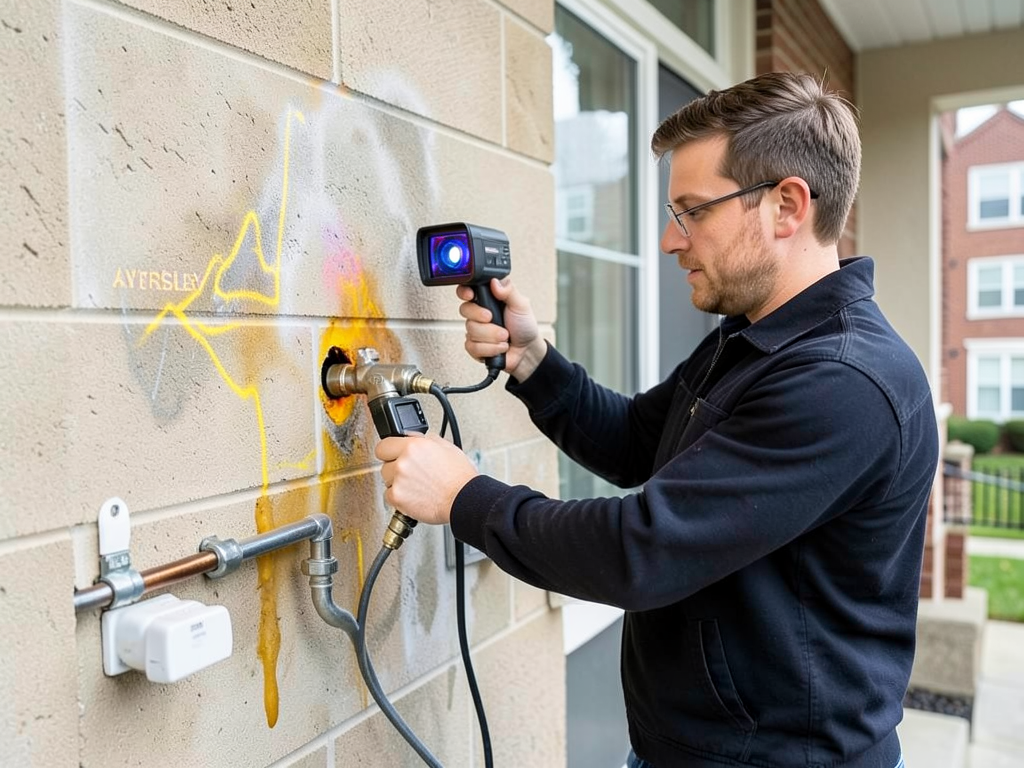
Common Plumbing Problems in Ayrsley Townhomes and Multi-Family Units
Living in Ayrsley’s townhome communities offers convenience and modern amenities, but the shared-wall plumbing infrastructure creates unique challenges that single-family homeowners rarely face. The dense development pattern means your plumbing system connects to your neighbor’s through shared stacks, sewer laterals, and pressure systems. When something goes wrong in one unit, it often affects multiple homes in the building. Common Sewer Line Issues for Historic Dilworth Properties and How to Fix Them.
Charlotte’s humid subtropical climate compounds these issues. High humidity levels in crawlspaces create perfect conditions for pipe corrosion, while occasional hard freezes can burst pipes in uninsulated areas. The heavy Piedmont clay soil common in Mecklenburg County causes foundation shifting that stresses underground plumbing connections. These environmental factors make townhome plumbing maintenance particularly critical in Ayrsley. Mecklenburg County Water Services.
Understanding your system’s layout is the first step to preventing major problems. Most Ayrsley townhomes share vertical drain stacks that handle waste from multiple floors, while sewer laterals run underground to connect multiple units to the main sewer line. A clog in one home’s drain can back up into your kitchen sink or bathtub. Similarly, pressure regulating valves that control water pressure for the entire building can fail after 5-10 years, causing low pressure or damaging fixtures throughout the complex. Is a Tankless Water Heater Worth It for Your Ballantyne Home?.
Fire sprinkler systems add another layer of complexity. Many Ayrsley multi-family buildings require these systems by code, but the pipes can corrode or develop pinhole leaks over time. A small sprinkler leak can cause significant water damage before anyone notices, especially in units where the sprinkler lines run through walls or ceilings. Signs You Need a Main Water Line Replacement in Pineville.
Mecklenburg County building codes require specific backflow prevention devices in multi-family buildings to protect the public water supply. These devices need annual testing and certification. When they fail, contaminated water can flow backward into your clean water lines, creating health hazards for everyone in the building.. Read more about Why Every Ballantyne Basement Needs a Battery Backup Sump Pump.
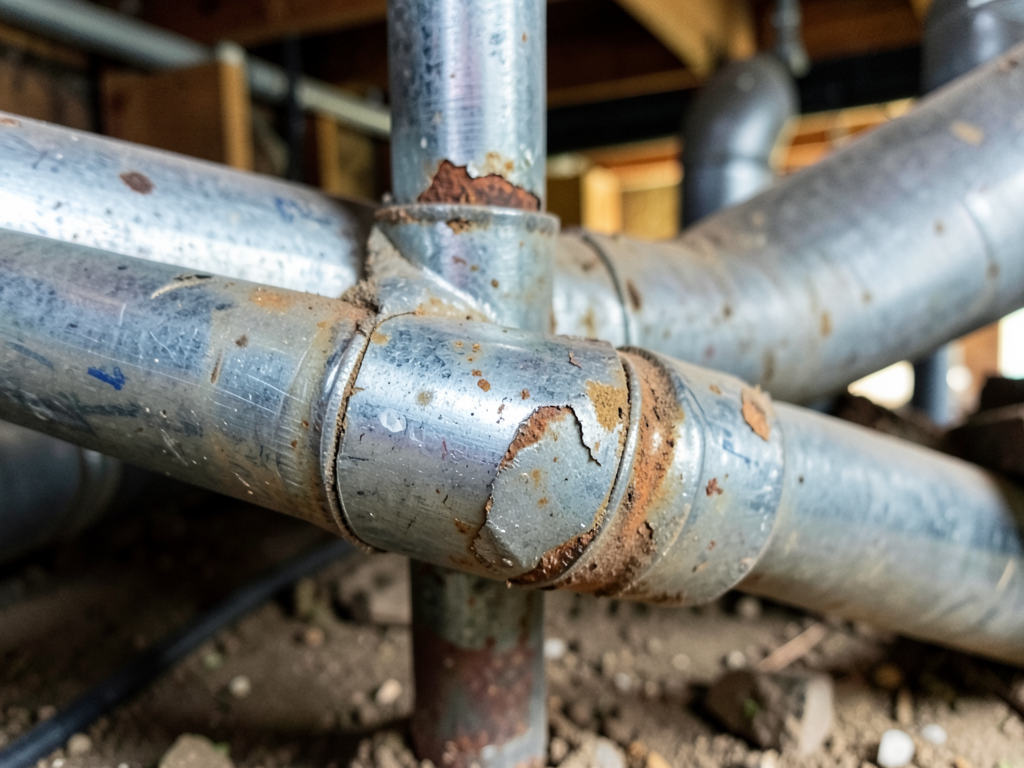
The age of your townhome development matters significantly. Ayrsley properties built in the early 2000s are now approaching 25 years old, meaning original plumbing components may be reaching the end of their useful life. Galvanized steel pipes common in that era corrode from the inside out, reducing water pressure and water quality. Meanwhile, newer developments from the 2010s-2020s often use PEX piping, which resists corrosion but can be damaged by UV exposure or chemical interactions with certain water treatments.. Read more about Why Your Pipes Are Sweating and Drip Throughout the Hidden Valley Summer.
Charlotte Water (CLTWater) system pressure fluctuations also impact townhome residents more severely than single-family homeowners. The utility’s aging infrastructure can cause pressure surges that stress pressure regulators and water heaters. These surges travel through shared lines, potentially damaging multiple units simultaneously.. Read more about Fixing Low Water Pressure on the Upper Floors of Your Uptown Condo.
Recognizing early warning signs can prevent costly repairs. Gurgling sounds from drains often indicate developing clogs in shared stacks. Water stains on ceilings below bathrooms suggest pipe leaks in walls. Fluctuating water pressure when neighbors use water points to failing pressure regulators. Musty odors from drains can signal dry P-traps or sewer gas leaks. Gas Line Repair & Installation.
Preventative maintenance is especially important in townhome settings. Annual drain cleaning prevents major clogs, while regular inspection of visible pipes can catch corrosion before leaks develop. Testing backflow preventers annually ensures your water remains safe. These simple steps cost far less than emergency repairs after a major failure.
When problems occur, quick action matters. Water damage spreads rapidly through shared walls and floors. Mold can develop within 24-48 hours in Charlotte’s humid conditions. The interconnected nature of townhome plumbing means a small issue in one unit can become a building-wide emergency if not addressed promptly.
Understanding these unique challenges helps Ayrsley residents maintain their homes effectively. The shared infrastructure requires more vigilance than single-family plumbing, but proper maintenance prevents most major problems. When issues do arise, working with plumbers experienced in multi-family systems ensures repairs address the root cause rather than just symptoms.
Shared Main Lines: Who is Responsible for the Repair?
The question of responsibility for plumbing repairs in townhome communities creates confusion and conflict among neighbors. Ayrsley’s townhome developments typically follow one of two models: “walls-in” responsibility where the homeowner owns and maintains everything from the interior walls inward, or HOA-managed systems where the association owns and maintains main lines and shared infrastructure.
Most Ayrsley townhome associations adopt the “walls-in” model, meaning homeowners are responsible for all plumbing inside their unit’s walls. However, this creates gray areas when problems originate in shared infrastructure. The main sewer lateral that connects multiple units to the city sewer line is usually HOA property, but the cleanout access points often fall on individual homeowner property. When a clog forms in the shared lateral, determining who pays for repairs depends on where the blockage occurs and which unit it affects first.
Pressure regulating valves (PRVs) present another responsibility puzzle. These devices control water pressure for entire buildings or sections of townhome developments. When a PRV fails, every unit in that section experiences problems. Most HOAs own and maintain PRVs since they serve multiple units, but some associations pass this responsibility to individual homeowners to reduce monthly fees. This arrangement creates problems when one homeowner neglects maintenance, affecting everyone’s water pressure.
Fire sprinkler systems almost always fall under HOA responsibility since they protect the entire building. However, individual unit modifications or damage becomes the homeowner’s responsibility. A tenant hanging items on sprinkler heads or a homeowner drilling into walls to mount TVs can damage these systems, creating liability issues that insurance companies carefully examine.
Mecklenburg County plumbing codes require specific backflow prevention devices in multi-family buildings, and these are typically HOA property since they protect the entire water supply. Annual testing and certification are mandatory, and failure to maintain these devices can result in fines from Charlotte Water. Some associations hire licensed plumbers to handle this testing, while others require individual homeowners to arrange testing through their own plumbers.
Water heaters in townhome settings create unique liability questions. Individual units usually own their water heaters, but the venting systems and gas lines often share walls or run through common areas. When a water heater leaks, determining responsibility depends on whether the leak damaged only the individual unit or also affected common areas or neighboring units. Most insurance policies cover sudden leaks, but gradual failures from lack of maintenance may not be covered.
Understanding your specific HOA’s covenants, conditions, and restrictions (CCRs) is essential before any plumbing work begins. These documents outline maintenance responsibilities, but many homeowners never read them until a crisis occurs. Some Ayrsley associations require homeowners to notify the HOA before any plumbing work begins, while others mandate using specific licensed plumbers from approved vendor lists.
Emergency situations complicate responsibility questions further. When a pipe bursts at 2 AM, the immediate need to stop flooding often overrides normal procedures. Most HOAs have emergency protocols that allow homeowners to take immediate action to prevent damage, with reimbursement processes handled later. However, documenting the emergency response helps resolve responsibility questions that arise afterward.
Insurance coverage adds another layer of complexity. Most homeowner’s insurance policies cover sudden, accidental water damage but exclude problems from lack of maintenance or normal wear and tear. When multiple units are affected, determining which insurance company pays becomes complicated. Some HOAs carry master policies that cover common areas and shared infrastructure, while individual homeowners need separate policies for their unit interiors.
Communication among neighbors becomes crucial when shared plumbing issues arise. A clog in one unit’s drain can back up into neighboring units if not addressed quickly. Some Ayrsley communities have established communication protocols through online portals or community apps to alert neighbors about plumbing issues that might affect multiple units.
Professional plumbers familiar with Ayrsley’s specific townhome configurations can help navigate these responsibility questions. They understand local building codes, common construction methods, and typical HOA arrangements. When they arrive for service calls, they often ask about HOA rules and insurance coverage before beginning work, saving homeowners from unexpected complications. Professional Toilet Repair and Installation Services in Matthews.
The best approach to avoiding responsibility disputes is preventative maintenance and clear documentation. Taking photos of plumbing conditions, keeping maintenance records, and understanding your HOA’s requirements before problems occur makes resolving issues much simpler when emergencies arise. Most disputes stem from unclear responsibilities or lack of documentation rather than actual negligence.
Working with experienced local plumbers who understand Ayrsley’s specific townhome configurations helps ensure repairs are done correctly and responsibilities are properly assigned. They can identify whether problems originate in individual units or shared infrastructure, recommend appropriate repair approaches, and help navigate insurance and HOA requirements when needed.
Top 5 Most Frequent Issues: From Low Pressure to Shared Backups
Living in Ayrsley’s townhome communities means dealing with plumbing issues that rarely affect single-family homes. The shared infrastructure creates failure patterns that experienced local plumbers recognize immediately. Understanding these common problems helps residents identify issues early and know when to call for professional help.
Low water pressure affects more townhome residents than single-family homeowners because of the shared pressure systems. Charlotte’s municipal water pressure varies significantly throughout the day, and pressure regulating valves (PRVs) that control this pressure for entire buildings can fail after 5-10 years. When PRVs fail, residents notice weak showers, slow-filling toilets, and appliances that take forever to complete cycles. The problem affects every unit served by that PRV, making it immediately obvious that something beyond individual fixtures is wrong.. Read more about Stop Your Toilet From Ghost Flushing and Wasting Water in Sheffield Park.
Shared drain stack clogs create some of the most frustrating townhome plumbing issues. These vertical pipes handle waste from multiple floors and units, and a clog anywhere in the stack affects every connected unit. Residents notice gurgling sounds from drains, slow drainage throughout their home, or worse, sewage backing up into lower-floor fixtures when upper-floor neighbors flush toilets or run washing machines. The interconnected nature means one unit’s problem quickly becomes everyone’s emergency.
Slab leaks in townhome foundations cause damage that spreads between units before anyone notices. The heavy Piedmont clay soil in Mecklenburg County expands and contracts with moisture changes, stressing underground pipes. These leaks often occur under concrete slabs where they’re invisible until water appears in unexpected places or water bills spike unexpectedly. In townhome settings, slab leaks can affect adjacent units when water travels through shared foundation walls.
Backflow preventer failures create health hazards that affect entire buildings. Mecklenburg County requires these devices in multi-family buildings to prevent contaminated water from flowing backward into clean water lines. When they fail, residents might notice cloudy or foul-smelling water from taps. Annual testing is mandatory, but many associations neglect this requirement until problems occur. The interconnected water supply means one failed device can contaminate water for multiple units.
Fire sprinkler system leaks often go unnoticed until significant damage occurs. These systems are required in most Ayrsley multi-family buildings, but the pipes can corrode or develop pinhole leaks over time. Since sprinkler lines often run through walls and ceilings, small leaks can cause extensive water damage before appearing as visible stains. The damage might affect multiple units when sprinkler lines run through shared walls.. Read more about Fixing a Leaking Ceiling Under Your Second Floor Bathroom in Eastover.
Identifying these issues early prevents major damage and expensive repairs. Low pressure that affects multiple units suggests PRV problems rather than individual fixture issues. Gurgling sounds from multiple drains indicate stack clogs rather than simple drain blockages. Water appearing in unexpected places, especially in lower-floor units, suggests slab leaks or sprinkler system problems.
Preventative maintenance helps avoid most of these common problems. Annual drain cleaning prevents major stack clogs. Regular inspection of visible pipes catches corrosion before leaks develop. Testing backflow preventers annually ensures water safety. These simple steps cost far less than emergency repairs after major failures.
When problems occur, quick professional response matters more in townhome settings than single-family homes. Water damage spreads rapidly through shared walls and floors. The interconnected nature means one unit’s problem can become a building-wide emergency if not addressed promptly. Experienced plumbers understand these urgency levels and respond accordingly.
The heavy clay soil common in Ayrsley creates unique challenges for underground plumbing. This soil expands when wet and contracts when dry, putting stress on buried pipes. Over time, this movement causes joints to separate or pipes to crack. The problem is especially severe in areas where the soil remains consistently moist, such as near air conditioning condensate drains or irrigation systems.
Charlotte’s humid climate accelerates pipe corrosion in townhome settings. High humidity levels in crawlspaces and wall cavities create perfect conditions for copper pipe corrosion and galvanized steel deterioration. The problem is worse in townhomes where ventilation is limited by shared walls and enclosed foundation designs.
Understanding these common failure patterns helps Ayrsley residents maintain their homes effectively. The shared infrastructure requires more vigilance than single-family plumbing, but proper maintenance prevents most major problems. When issues do arise, working with plumbers experienced in multi-family systems ensures repairs address the root cause rather than just symptoms.
Most of these problems follow predictable patterns based on the age and construction of the townhome development. Early 2000s developments often have original galvanized steel pipes nearing the end of their useful life. Mid-2010s developments might have PEX piping that’s vulnerable to chemical interactions with certain water treatments. Knowing your development’s construction era helps predict what problems might arise.
The interconnected nature of townhome plumbing means prevention is always cheaper than emergency repair. Regular maintenance, prompt attention to warning signs, and working with experienced local plumbers prevents most major problems. When emergencies do occur, understanding the shared nature of the infrastructure helps residents respond appropriately and minimize damage to their homes and neighbors’ properties.
Navigating HOA Regulations for Plumbing Repairs in NC
Understanding Homeowners Association (HOA) regulations for plumbing repairs in Ayrsley townhome communities requires navigating a complex web of rules, responsibilities, and procedures that vary significantly between different developments. North Carolina law gives HOAs considerable authority over common areas and shared infrastructure, but the specific application of these rules differs dramatically between communities. North Carolina Homeowners Association Laws.
Most Ayrsley townhome associations operate under one of two primary models for plumbing responsibility. The “walls-in” model places all responsibility for plumbing inside individual unit walls on the homeowner, while the association maintains main lines, shared stacks, and common infrastructure. The “master maintenance” model has the association responsible for all plumbing systems, with homeowners paying for this through higher monthly fees. Understanding which model your community follows is crucial before any plumbing work begins.
Mecklenburg County building codes require specific permits for most plumbing work in multi-family buildings. These permits ensure work meets safety standards and passes inspection. Many Ayrsley HOAs require homeowners to obtain these permits through the association rather than directly from the county, allowing the HOA to track all work done on the property. Some associations maintain relationships with specific licensed plumbers who handle permit acquisition as part of their service.
Emergency situations create special considerations under HOA rules. When pipes burst or sewage backs up, waiting for HOA approval can cause extensive damage. Most associations have emergency protocols that allow homeowners to take immediate action to prevent damage, with documentation and reimbursement procedures handled afterward. However, understanding these protocols before emergencies occur helps residents respond appropriately.
Insurance requirements add another layer of complexity to HOA plumbing regulations. Most associations require homeowners to carry specific insurance coverage that includes liability for damage to common areas and neighboring units. When plumbing failures cause damage, determining which insurance company pays becomes complicated. Some associations carry master policies that cover common areas and shared infrastructure, while individual homeowners need separate policies for their unit interiors.
Communication requirements vary significantly between Ayrsley HOAs. Some associations require homeowners to notify the HOA before any plumbing work begins, even for minor repairs like replacing toilet components. Others only require notification for work that affects shared infrastructure or requires permits. Understanding your specific HOA’s notification requirements prevents violations and potential fines.
Vendor approval processes create additional hurdles for plumbing repairs. Many Ayrsley associations maintain lists of approved plumbers who meet specific insurance, licensing, and quality standards. Using non-approved vendors can violate HOA rules and potentially void warranties or insurance coverage. Some associations charge additional fees for homeowners who choose to use their own plumbers rather than association-approved vendors.
Water conservation regulations increasingly affect HOA plumbing requirements. Charlotte Water and Mecklenburg County have implemented water conservation measures that impact multi-family buildings. Some Ayrsley associations require low-flow fixtures or specific types of water heaters to meet these conservation goals. Understanding these requirements before replacing fixtures prevents violations and ensures compliance with local regulations.
Backflow prevention device testing creates annual compliance requirements that HOAs must manage. North Carolina law requires annual testing and certification of these devices in multi-family buildings. Some Ayrsley associations handle this testing through their maintenance staff or approved vendors, while others require individual homeowners to arrange testing through their own plumbers. Failure to maintain these devices can result in fines from Charlotte Water and potential water service interruptions.
Fire sprinkler system maintenance requirements add another regulatory layer. Most Ayrsley multi-family buildings require these systems by code, and they need regular inspection and maintenance. HOA responsibility for these systems varies, but most associations require homeowners to avoid modifying or damaging sprinkler components. Some associations charge fines for damage to sprinkler systems caused by hanging items on sprinkler heads or drilling into walls where pipes run.
Dispute resolution procedures become important when plumbing issues affect multiple units or common areas. Most HOA covenants include specific procedures for resolving disputes between neighbors or between homeowners and the association. Understanding these procedures before conflicts arise helps residents navigate disagreements about responsibility for repairs or damage more effectively.
Documentation requirements help prevent disputes and ensure compliance with HOA rules. Many associations require homeowners to keep records of plumbing work, including permits, inspection reports, and contractor information. Some associations conduct periodic inspections to verify compliance with maintenance requirements and identify potential problems before they become emergencies.
The best approach to navigating HOA plumbing regulations is proactive communication and understanding. Reading your HOA’s covenants, conditions, and restrictions (CCRs) before problems occur helps residents understand their responsibilities and the association’s requirements. Many disputes arise from misunderstandings about these rules rather than actual violations.
Working with plumbers experienced in Ayrsley’s specific townhome configurations helps ensure compliance with HOA regulations. These professionals understand local building codes, common construction methods, and typical HOA requirements. They can help navigate permit processes, communicate with association management, and ensure work meets all regulatory requirements.
Most plumbing emergencies in townhome settings require balancing immediate response needs with regulatory compliance. Understanding your HOA’s emergency procedures, insurance requirements, and vendor approval processes before problems occur makes responding to emergencies much simpler. When emergencies do arise, clear communication with association management and documentation of all actions taken helps resolve responsibility questions that often follow major plumbing failures.
The interconnected nature of townhome plumbing means that understanding and complying with HOA regulations isn’t just about following rules it’s about protecting your home and your neighbors’ properties. Proper maintenance, prompt attention to problems, and working within established procedures prevents most major issues and ensures that when problems do occur, they’re resolved quickly and fairly for everyone involved.
Why Townhome Plumbing is Different from Single-Family Homes
Townhome plumbing systems in Ayrsley operate on fundamentally different principles than single-family home plumbing, creating unique challenges that require specialized knowledge and approaches. The shared-wall construction means pipes, drains, and fixtures connect multiple units in ways that single-family homes never experience. Understanding these differences helps residents maintain their systems effectively and know when to call for professional help.
Vertical drain stacks serve as the backbone of townhome plumbing systems. These large pipes handle waste from multiple floors and units, connecting toilets, sinks, and showers to the main sewer line. In single-family homes, each fixture typically connects directly to the main drain line. The shared stack system means a clog anywhere in the stack affects every connected unit. When upper-floor neighbors flush toilets or run washing machines, the increased flow can cause backups in lower units if the stack is partially blocked.. Read more about Repairing a Cracked Shower Base in Your Luxury Weddington Bathroom.
Water pressure regulation works differently in townhome settings. Single-family homes usually have individual pressure reducing valves (PRVs) that control water pressure for that specific home. Townhome buildings often use one PRV to control pressure for the entire building or section of development. When this single device fails, every unit experiences low pressure or pressure surges. The centralized system saves money on equipment but creates single points of failure that affect multiple homes simultaneously.
Sewer laterals connect multiple townhome units to the main city sewer line underground. In single-family settings, each home has its own lateral running directly to the street. The shared lateral system means a clog or break affects multiple units at once. Tree root intrusion, soil shifting, or pipe deterioration in the shared lateral creates problems that individual homeowners cannot solve alone. Determining responsibility for repairs becomes complicated when the problem affects multiple properties.
Fire sprinkler systems add complexity unique to multi-family buildings. Most Ayrsley townhome developments require these systems by code, but they create maintenance challenges single-family homeowners never face. Sprinkler pipes run through walls and ceilings, often connecting multiple units. A small leak in these pipes can cause extensive water damage before anyone notices, especially in units where the pipes run through shared walls or between floors.
Backflow prevention devices protect entire buildings rather than individual homes. Single-family homes might have simple check valves, but multi-family buildings require more sophisticated devices to prevent contaminated water from flowing back into the clean water supply. These devices need annual testing and certification by licensed professionals. When they fail, the health hazard affects every unit in the building, not just one home.
Sound transmission through plumbing pipes creates issues unique to townhome living. Water rushing through shared stacks and pipes sounds like rain or rushing water in adjacent units. Toilet flushes, washing machine drains, and even faucet use create audible noise that travels through the shared plumbing infrastructure. Single-family homeowners never experience this level of plumbing-related noise transmission.
Access to plumbing infrastructure differs significantly between townhome and single-family settings. In single-family homes, most plumbing runs through accessible crawlspaces or basements. Townhome units often have plumbing in shared walls, between floors, or in enclosed spaces where access requires coordination with neighbors or HOA approval. Simple repairs that might take an hour in a single-family home can require days of planning and coordination in a townhome setting.
Water heater placement and venting create unique challenges in townhome buildings. Single-family homes usually have dedicated spaces for water heaters with proper venting to the outside. Townhome units might share venting systems or have water heaters in enclosed closets where proper ventilation is critical for safety. Gas water heaters in multi-family buildings require special attention to prevent carbon monoxide issues that could affect multiple units.
Water damage spreads differently in townhome settings. In single-family homes, a leak typically affects one level or area. Townhome units share walls and floors, so water from a leak can travel between units through these shared structures. A small leak in one unit’s bathroom can cause damage to the unit below, the shared wall, and potentially adjacent units if the water finds paths through the building’s structure.
Insurance considerations differ significantly between townhome and single-family plumbing. Single-family homeowners typically deal with one insurance company for water damage. Townhome plumbing failures often involve multiple insurance policies the homeowner’s policy, the HOA’s master policy, and potentially neighbors’ policies if multiple units are affected. Determining which policy covers what becomes complicated when shared infrastructure fails.
Maintenance responsibilities create different patterns in townhome versus single-family settings. Single-family homeowners control all maintenance decisions and scheduling. Townhome residents must often coordinate with HOAs, neighbors, and building management for plumbing work that affects shared systems. Simple repairs might require advance notice, approved vendors, or coordination with other residents’ schedules.
Emergency response differs significantly between the two housing types. Single-family homeowners can usually address plumbing emergencies immediately without coordinating with anyone else. Townhome plumbing emergencies often require notifying building management, coordinating with affected neighbors, and following established procedures that might delay immediate response. The interconnected nature means one unit’s emergency quickly becomes a building-wide concern.
The heavy clay soil common in Ayrsley creates unique challenges for townhome plumbing that single-family homes handle differently. This soil expands when wet and contracts when dry, putting stress on underground pipes. In townhome settings, this movement affects shared laterals and main lines that serve multiple units. The problem is compounded by the density of development, where many pipes run through the same soil areas.
Understanding these fundamental differences helps Ayrsley residents maintain their townhome plumbing effectively. The shared infrastructure requires more vigilance than single-family plumbing, but proper maintenance prevents most major problems. When issues do arise, working with plumbers experienced in multi-family systems ensures repairs address the root cause rather than just symptoms.
Most townhome plumbing problems follow predictable patterns based on the age and construction of the development. Early 2000s developments often have original galvanized steel pipes nearing the end of their useful life. Mid-2010s developments might have PEX piping that’s vulnerable to chemical interactions with certain water treatments. Knowing your development’s construction era helps predict what problems might arise and when.
The interconnected nature of townhome plumbing means prevention is always cheaper than emergency repair. Regular maintenance, prompt attention to warning signs, and working with experienced local plumbers prevents most major problems. When emergencies do occur, understanding the shared nature of the infrastructure helps residents respond appropriately and minimize damage to their homes and neighbors’ properties.
When to Call a Charlotte Emergency Plumber
Knowing when to call for emergency plumbing services in Ayrsley townhome communities can mean the difference between a minor repair and catastrophic water damage affecting multiple units. The shared-wall construction means plumbing emergencies spread quickly through connected spaces, making rapid response crucial for minimizing damage and protecting your home and neighbors’ properties.
Visible water where it shouldn’t be always signals an emergency. Water dripping from ceilings, especially in lower-floor units, indicates leaks in upper units or shared plumbing above. Water pooling around water heaters, under sinks, or near toilets suggests failing connections or burst pipes. In townhome settings, water travels along shared walls and between floors, so visible leaks often indicate problems that extend beyond your immediate unit.. Read more about Should You Install a French Drain or a Sump Pump in Your Charlotte Basement?.
Complete loss of water pressure throughout your home requires immediate attention. While single fixtures might have issues with individual shutoff valves or aerators, whole-house pressure loss suggests problems with the main supply line, pressure regulator, or shared infrastructure. In townhome buildings, this could indicate PRV failure that affects every unit served by that device, making it a building-wide emergency rather than just your problem.
Sewage backing up into drains or toilets constitutes an immediate emergency. This indicates clogs in shared drain stacks or main sewer lines that affect multiple units. The health hazards from sewage exposure make this situation dangerous for residents and require professional intervention immediately. In townhome settings, one unit’s sewage backup can quickly affect adjacent units through shared plumbing connections.
Gas odors demand immediate evacuation and emergency service calls. Gas leaks pose explosion and fire hazards that threaten entire buildings, not just individual units. The shared-wall construction in townhomes means gas can travel between units through wall cavities and shared spaces. If you smell gas, evacuate immediately, avoid using any electrical switches or devices, and call emergency services from a safe location.
Unusual sounds from plumbing systems often indicate developing emergencies. Gurgling sounds from multiple drains suggest developing clogs in shared stacks that could cause backups. Banging or knocking sounds from pipes, especially when no water is running, indicate water hammer or failing pressure regulators. In townhome settings, these sounds might come from neighbors’ units but affect your plumbing through shared connections.
Water heater leaks require prompt attention but aren’t always immediate emergencies unless the leak is severe or near electrical components. However, in townhome settings, water heater failures can affect shared venting systems or gas lines that serve multiple units. When water heaters leak near shared walls or in enclosed spaces, the potential for damage spreading to adjacent units makes quick response important.
Fire sprinkler system leaks, while less common, constitute emergencies due to the potential for extensive water damage. These systems are required in most Ayrsley multi-family buildings, and leaks can go unnoticed in walls or ceilings until significant damage occurs. The shared nature of sprinkler systems means a leak in one area can affect multiple units before becoming visible.
Backflow preventer failures create health emergencies that affect entire buildings. When these devices fail, contaminated water can flow backward into clean water lines, creating hazards for all residents. While the failure might not be immediately visible, sudden changes in water quality, unusual odors from taps, or cloudy water indicate potential backflow issues requiring immediate professional attention.
Foundation shifting that causes visible plumbing damage signals serious problems requiring emergency assessment. The heavy clay soil in Mecklenburg County expands and contracts with moisture changes, stressing underground pipes. When this movement causes visible pipe separation, leaks, or structural damage to your home, it indicates problems that could worsen rapidly and affect shared infrastructure.
Temperature-related pipe bursts become emergencies during Charlotte’s occasional hard freezes. While the area rarely experiences prolonged freezing temperatures, even brief cold snaps can burst pipes in uninsulated areas. Townhome units often have plumbing in exterior walls or unheated spaces where freezing is more likely. When temperatures drop below freezing, monitoring for leaks becomes crucial.
Water quality changes affecting multiple units suggest problems with the building’s main water supply or treatment systems. Sudden changes in water pressure, unusual tastes or odors, or cloudy appearance can indicate contamination or system failures that require immediate professional assessment. In multi-family buildings, these issues often affect every unit simultaneously.
Emergency response in townhome settings requires balancing immediate action with proper procedures. While stopping active leaks or addressing immediate hazards takes priority, documenting the emergency response helps resolve responsibility questions that often follow major plumbing failures. Most Ayrsley HOAs have established emergency protocols that allow homeowners to take immediate action to prevent damage, with reimbursement processes handled later.
The interconnected nature of townhome plumbing means that what seems like a minor issue can quickly become a building-wide emergency. A small leak in a shared wall can travel between units, affecting multiple homes before becoming visible. This interconnectedness makes professional assessment crucial even for seemingly minor problems, as the visible issue might be just the symptom of a larger problem affecting shared infrastructure.
Preventative maintenance reduces the likelihood of plumbing emergencies, but some problems develop too quickly for prevention. Annual drain cleaning prevents major stack clogs. Regular inspection of visible pipes catches corrosion before leaks develop. Testing backflow preventers annually ensures water safety. These simple steps cost far less than emergency repairs after major failures.
When emergencies do occur, working with plumbers experienced in Ayrsley’s specific townhome configurations ensures appropriate response. These professionals understand local building codes, common construction methods, and typical emergency patterns in multi-family buildings. They can quickly assess whether problems are isolated to individual units or indicate failures in shared infrastructure that require building-wide response.
The best emergency preparation is understanding your HOA’s emergency procedures before problems occur. Knowing who to call, what documentation to provide, and what immediate actions you’re authorized to take saves valuable time when emergencies arise. Most disputes following plumbing emergencies stem from unclear responsibilities or lack of documentation rather than actual negligence.
Most plumbing emergencies in townhome settings follow predictable patterns based on the age and construction of the development. Early 2000s developments often have original galvanized steel pipes nearing the end of their useful life. Mid-2010s developments might have PEX piping that’s vulnerable to chemical interactions with certain water treatments. Knowing your development’s construction era helps predict what emergencies might arise and when.
The interconnected nature of townhome plumbing means that understanding when to call for emergency services isn’t just about protecting your home it’s about protecting your neighbors’ properties as well. Quick response to developing problems prevents minor issues from becoming major emergencies that affect multiple units. When in doubt about whether a situation constitutes an emergency, it’s better to err on the side of caution and call for professional assessment.
Frequently Asked Questions
Who is responsible for plumbing repairs in Ayrsley townhomes?
Responsibility depends on your specific HOA’s covenants. Most Ayrsley townhome associations follow a “walls-in” model where homeowners are responsible for all plumbing inside their unit’s walls, while the association maintains main lines, shared stacks, and common infrastructure. Always check your HOA’s specific rules before beginning any plumbing work.
How can I tell if a plumbing problem is affecting multiple units?
Problems affecting multiple units often show as whole-building water pressure issues, simultaneous drain backups in different homes, or water quality changes affecting everyone at once. If your neighbors report similar problems or if issues affect multiple fixtures throughout your home simultaneously, it likely involves shared infrastructure rather than individual unit problems.
What causes most plumbing emergencies in townhome settings?
The most common emergencies include sewer line clogs affecting multiple units, pressure regulator failures causing pressure surges, fire sprinkler system leaks, and shared drain stack backups. The interconnected nature of townhome plumbing means problems often affect multiple homes before becoming visible, making professional assessment crucial even for seemingly minor issues.
How often should townhome plumbing systems be inspected?
Annual inspections are recommended for townhome plumbing systems. This should include drain cleaning to prevent stack clogs, inspection of visible pipes for corrosion, testing of backflow preventers, and checking water pressure regulators. More frequent inspections may be needed for older systems or developments with known plumbing issues.
Can I make plumbing modifications to my townhome unit?
Most Ayrsley HOAs require advance approval for any plumbing modifications, even minor ones like fixture replacements. Some associations require using specific licensed plumbers from approved vendor lists. Always check your HOA’s requirements and obtain necessary permits before beginning any plumbing work to avoid violations and potential fines.
What should I do if I suspect a gas leak in my townhome?
If you smell gas, evacuate immediately without using any electrical switches or devices that could create sparks. Call 911 and your gas utility from a safe location outside the building. Gas leaks in townhome settings can affect multiple units through shared wall cavities and require immediate professional response to ensure everyone’s safety.
How does Charlotte’s climate affect townhome plumbing?
Charlotte’s humid subtropical climate creates unique challenges including high humidity that accelerates pipe corrosion, occasional hard freezes that can burst pipes in uninsulated areas, and heavy rainfall that stresses drainage systems. The heavy Piedmont clay soil common in Mecklenburg County also expands and contracts with moisture changes, putting stress on underground plumbing connections.
What are the signs of a failing pressure regulator in a townhome building?
Signs include fluctuating water pressure throughout your home, weak showers, slow-filling toilets, appliances taking longer to complete cycles, and water hammering sounds in pipes. When one pressure regulator serves multiple units, these symptoms typically affect every unit in that section of the building simultaneously.
How can I prevent plumbing problems from affecting my neighbors?
Regular maintenance is key. Address slow drains promptly before they become major clogs, fix small leaks before they spread through shared walls, and avoid putting grease or problematic materials down drains. Communicate with neighbors about any plumbing work you’re doing, as problems in your unit can quickly affect adjacent homes through shared systems.
What should I do if my townhome’s fire sprinkler system is leaking?
Fire sprinkler leaks require immediate professional attention even if the leak seems small. These systems are required in most Ayrsley multi-family buildings, and leaks can cause extensive water damage before becoming visible. Contact your HOA immediately and avoid attempting DIY repairs, as sprinkler systems have specific code requirements and safety considerations.
[IMAGE_PLACEHOVER_1]
Take Action Before Small Problems Become Major Emergencies
Don’t wait for a minor plumbing issue to become a major disaster affecting your home and neighbors’ properties. The unique challenges of townhome plumbing in Ayrsley require experienced professionals who understand shared-wall systems, HOA regulations, and Charlotte’s specific environmental factors.
Whether you’re dealing with low water pressure affecting your entire unit, suspicious sounds from shared drain stacks, or concerns about aging pipes in your development, professional assessment can prevent costly emergency repairs later.
Call (980) 342-9933 today to schedule your comprehensive townhome plumbing inspection. Our experienced technicians understand Ayrsley’s specific townhome configurations and can identify potential problems before they become emergencies. We’ll help you navigate HOA requirements, provide documentation for insurance purposes, and ensure your plumbing system operates safely and efficiently.
Pick up the phone and call (980) 342-9933 before the next plumbing emergency hits. Your neighbors will thank you, and you’ll save yourself the stress and expense of emergency repairs.
You may also find this helpful. Adding a Luxury Pet Wash Station to Your South End Home or Apartment.
{
“@context”: “https://schema.org”,
“@type”: “BlogPosting”,
“headline”: “Typical Plumbing Issues for Townhomes and Multi Family Units in Ayrsley”,
“description”: “Expert guide to townhome plumbing problems in Ayrsley. Learn about shared lines, HOA responsibilities, and common issues unique to multi-family units in Charlotte.”,
“wordCount”: 6144,
“datePublished”: “2026-04-10T15:07:00.000Z”,
“dateModified”: “2026-04-10T15:07:00.000Z”,
“inLanguage”: “en-US”,
“mainEntityOfPage”: {
“@type”: “WebPage”,
“@id”: “https://keystoneplumbingcharlotte.com”
},
“publisher”: {
“@type”: “LocalBusiness”,
“name”: “Keystone Plumbing Charlotte”,
“url”: “https://keystoneplumbingcharlotte.com”
},
“author”: {
“@type”: “Organization”,
“name”: “Keystone Plumbing Charlotte”,
“url”: “https://keystoneplumbingcharlotte.com”
},
“image”: {
“@type”: “ImageObject”,
“url”: “https://keystoneplumbingcharlotte.com/wp-content/uploads/2026/03/typical-plumbing-issues-for-townhomes-and-multi-fa-1.png”
}
}
{
“@context”: “https://schema.org”,
“@type”: “Plumber”,
“name”: “Keystone Plumbing Charlotte”,
“url”: “https://keystoneplumbingcharlotte.com”,
“address”: {
“@type”: “PostalAddress”,
“addressLocality”: “Charlotte”
},
“areaServed”: {
“@type”: “City”,
“name”: “Charlotte”
}
}
{
“@context”: “https://schema.org”,
“@type”: “FAQPage”,
“mainEntity”: [
{
“@type”: “Question”,
“name”: “Shared Main Lines: Who is Responsible for the Repair?”,
“acceptedAnswer”: {
“@type”: “Answer”,
“text”: “The question of responsibility for plumbing repairs in townhome communities creates confusion and conflict among neighbors. Ayrsley’s townhome developments typically follow one of two models: \”walls-in\” responsibility where the homeowner owns and maintains everything from the interior walls inward, or HOA-managed systems where the association owns and maintains main lines and shared infrastructure.”
}
},
{
“@type”: “Question”,
“name”: “Who is responsible for plumbing repairs in Ayrsley townhomes?”,
“acceptedAnswer”: {
“@type”: “Answer”,
“text”: “Responsibility depends on your specific HOA’s covenants. Most Ayrsley townhome associations follow a \”walls-in\” model where homeowners are responsible for all plumbing inside their unit’s walls, while the association maintains main lines, shared stacks, and common infrastructure. Always check your HOA’s specific rules before beginning any plumbing work.”
}
},
{
“@type”: “Question”,
“name”: “How can I tell if a plumbing problem is affecting multiple units?”,
“acceptedAnswer”: {
“@type”: “Answer”,
“text”: “Problems affecting multiple units often show as whole-building water pressure issues, simultaneous drain backups in different homes, or water quality changes affecting everyone at once. If your neighbors report similar problems or if issues affect multiple fixtures throughout your home simultaneously, it likely involves shared infrastructure rather than individual unit problems.”
}
},
{
“@type”: “Question”,
“name”: “What causes most plumbing emergencies in townhome settings?”,
“acceptedAnswer”: {
“@type”: “Answer”,
“text”: “The most common emergencies include sewer line clogs affecting multiple units, pressure regulator failures causing pressure surges, fire sprinkler system leaks, and shared drain stack backups. The interconnected nature of townhome plumbing means problems often affect multiple homes before becoming visible, making professional assessment crucial even for seemingly minor issues.”
}
},
{
“@type”: “Question”,
“name”: “How often should townhome plumbing systems be inspected?”,
“acceptedAnswer”: {
“@type”: “Answer”,
“text”: “Annual inspections are recommended for townhome plumbing systems. This should include drain cleaning to prevent stack clogs, inspection of visible pipes for corrosion, testing of backflow preventers, and checking water pressure regulators. More frequent inspections may be needed for older systems or developments with known plumbing issues.”
}
},
{
“@type”: “Question”,
“name”: “Can I make plumbing modifications to my townhome unit?”,
“acceptedAnswer”: {
“@type”: “Answer”,
“text”: “Most Ayrsley HOAs require advance approval for any plumbing modifications, even minor ones like fixture replacements. Some associations require using specific licensed plumbers from approved vendor lists. Always check your HOA’s requirements and obtain necessary permits before beginning any plumbing work to avoid violations and potential fines.”
}
},
{
“@type”: “Question”,
“name”: “What should I do if I suspect a gas leak in my townhome?”,
“acceptedAnswer”: {
“@type”: “Answer”,
“text”: “If you smell gas, evacuate immediately without using any electrical switches or devices that could create sparks. Call 911 and your gas utility from a safe location outside the building. Gas leaks in townhome settings can affect multiple units through shared wall cavities and require immediate professional response to ensure everyone’s safety.”
}
},
{
“@type”: “Question”,
“name”: “How does Charlotte’s climate affect townhome plumbing?”,
“acceptedAnswer”: {
“@type”: “Answer”,
“text”: “Charlotte’s humid subtropical climate creates unique challenges including high humidity that accelerates pipe corrosion, occasional hard freezes that can burst pipes in uninsulated areas, and heavy rainfall that stresses drainage systems. The heavy Piedmont clay soil common in Mecklenburg County also expands and contracts with moisture changes, putting stress on underground plumbing connections.”
}
},
{
“@type”: “Question”,
“name”: “What are the signs of a failing pressure regulator in a townhome building?”,
“acceptedAnswer”: {
“@type”: “Answer”,
“text”: “Signs include fluctuating water pressure throughout your home, weak showers, slow-filling toilets, appliances taking longer to complete cycles, and water hammering sounds in pipes. When one pressure regulator serves multiple units, these symptoms typically affect every unit in that section of the building simultaneously.”
}
},
{
“@type”: “Question”,
“name”: “How can I prevent plumbing problems from affecting my neighbors?”,
“acceptedAnswer”: {
“@type”: “Answer”,
“text”: “Regular maintenance is key. Address slow drains promptly before they become major clogs, fix small leaks before they spread through shared walls, and avoid putting grease or problematic materials down drains. Communicate with neighbors about any plumbing work you’re doing, as problems in your unit can quickly affect adjacent homes through shared systems.”
}
},
{
“@type”: “Question”,
“name”: “What should I do if my townhome’s fire sprinkler system is leaking?”,
“acceptedAnswer”: {
“@type”: “Answer”,
“text”: “Fire sprinkler leaks require immediate professional attention even if the leak seems small. These systems are required in most Ayrsley multi-family buildings, and leaks can cause extensive water damage before becoming visible. Contact your HOA immediately and avoid attempting DIY repairs, as sprinkler systems have specific code requirements and safety considerations.”
}
}
]
}
{
“@context”: “https://schema.org”,
“@type”: “BreadcrumbList”,
“itemListElement”: [
{
“@type”: “ListItem”,
“position”: 1,
“name”: “Home”,
“item”: “https://keystoneplumbingcharlotte.com”
},
{
“@type”: “ListItem”,
“position”: 2,
“name”: “Blog”,
“item”: “https://keystoneplumbingcharlotte.com/blog”
},
{
“@type”: “ListItem”,
“position”: 3,
“name”: “Typical Plumbing Issues for Townhomes and Multi Family Units in Ayrsley”
}
]
}
{
“@context”: “https://schema.org”,
“@type”: “Service”,
“serviceType”: “Plumbing”,
“provider”: {
“@type”: “LocalBusiness”,
“name”: “Keystone Plumbing Charlotte”,
“url”: “https://keystoneplumbingcharlotte.com”
},
“areaServed”: {
“@type”: “City”,
“name”: “Charlotte”
},
“description”: “Expert guide to townhome plumbing problems in Ayrsley. Learn about shared lines, HOA responsibilities, and common issues unique to multi-family units in Charlotte.”
}