
The Truth About Septic Tank Additives for Homeowners in Clover and York
Your septic system is the unsung hero of your Clover home. It quietly processes wastewater day after day, buried beneath your yard where the red clay soil of York County can make or break its performance. But when slow drains start gurgling or a foul odor wafts from your backyard, many homeowners reach for the first bottle of septic treatment they find at the hardware store. Before you pour another gallon of questionable additives down your toilet, let’s cut through the marketing hype and talk about what actually works for septic systems in our specific corner of South Carolina. South Carolina DHEC septic system guidelines.
The truth is, not all septic additives are created equal, and some can actually harm your system. York County’s unique combination of heavy clay soil, humid climate, and specific groundwater conditions means that what works in Florida or Ohio might fail miserably here. Understanding the science behind septic treatment and the local environmental factors is the first step toward protecting your investment and avoiding costly repairs. EPA septic system maintenance guide.
Why Clover’s Soil Makes a Difference in Septic Performance
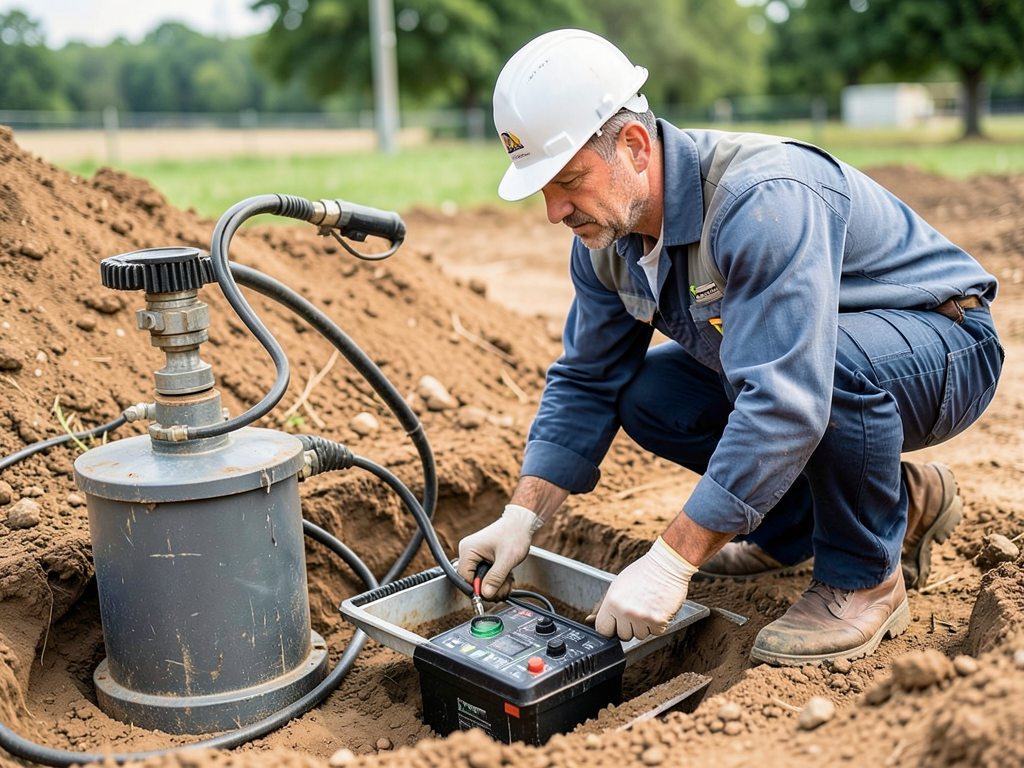
The Cecil soil series dominates much of York County, including the Clover area. This red clay soil has high clay content and fine particles that compact easily when wet. Unlike sandy soils that drain quickly, clay soil holds water and restricts flow. This means your drain field needs extra help to function properly, and the wrong additives can create a concrete-like barrier that blocks effluent from dispersing into the surrounding soil. Is a Tankless Water Heater Worth It for Your Ballantyne Home?.
South Carolina DHEC (Department of Health and Environmental Control) regulations require specific soil percolation rates for septic systems to be approved. In Clover’s clay-heavy areas, many properties need larger drain fields or specialized systems just to meet these standards. Adding chemical treatments that kill beneficial bacteria or create sediment can violate these requirements and lead to system failure.. Read more about Comparing High End and Standard Garbage Disposals for Your Matthews Home.
Professional vs. Store-Bought Treatments: What Actually Works
Walk down any home improvement aisle and you’ll see dozens of septic treatments promising to eliminate odors, break down waste, and extend your system’s life. Most contain harsh chemicals like hydrogen peroxide, formaldehyde, or quaternary ammonium compounds. While these might provide temporary relief, they often kill the anaerobic bacteria that your septic system depends on for natural waste breakdown.
Professional-grade biological additives contain specific strains of bacteria and enzymes selected for our local conditions. These treatments introduce microorganisms that thrive in York County’s temperature range and can digest the exact types of waste common in residential septic systems. The key difference is that professional treatments are formulated based on soil testing and system diagnostics, not marketing claims. Professional Toilet Repair and Installation Services in Matthews.
Treatment Comparison Table
| Treatment Type | Active Ingredients | Best For | York County Suitability |
|---|---|---|---|
| Biological Enzymes | Natural bacteria, specific enzymes | Ongoing maintenance | Excellent – works with local soil biology |
| Chemical Oxidizers | Hydrogen peroxide, chlorine | Emergency odor control | Poor – kills beneficial bacteria |
| Acid Treatments | Sulfuric acid, muriatic acid | Scale removal | Very Poor – damages pipes and soil |
| Root Control | Copper sulfate, dichlobenil | Tree root intrusion | Good – targets specific problem |
Signs Your Clover Home Needs Professional Septic Treatment
Recognizing the early warning signs can prevent a complete system failure. In Clover’s climate, where summer humidity and winter rains create constant moisture, certain symptoms indicate your system needs attention. Slow drains throughout the house often signal a full tank rather than a simple clog. If plunging doesn’t help and multiple fixtures are affected, your septic system is likely struggling. Signs You Need a Main Water Line Replacement in Pineville.
Odors around your drain field or septic tank are never normal. In York County’s clay soil, these smells indicate that effluent isn’t dispersing properly and is instead surfacing. You might notice lush, green grass over your drain field even during dry spells. While this seems positive, it actually means your system is leaking untreated wastewater that acts as fertilizer.
Gurgling sounds from your plumbing, especially after heavy rains common in our region, suggest your drain field is saturated and can’t handle additional water flow. Pooling water or soggy ground near your tank or drain field requires immediate professional attention, as these conditions can contaminate groundwater and violate local health codes. Common Sewer Line Issues for Historic Dilworth Properties and How to Fix Them.
York County’s Climate Impact on Bacterial Activity
South Carolina’s humid subtropical climate creates unique challenges for septic systems. Summer temperatures in the 90s accelerate bacterial growth, which sounds beneficial but can lead to overpopulation and die-off when conditions change. Winter temperatures occasionally drop below freezing, slowing bacterial activity when your system needs to work hardest during holiday gatherings.
York County receives approximately 45 inches of rainfall annually, with most falling between March and September. This heavy precipitation can saturate drain fields, reducing their effectiveness. Professional treatments must account for these seasonal variations, providing bacteria that can survive both the heat stress of summer and the reduced activity of cooler months.
The pH of local groundwater typically ranges from 6.0 to 7.5, slightly acidic to neutral. This affects which bacterial strains thrive and how well enzymes function. Professional treatments are pH-balanced for our specific conditions, while generic products might work against the natural chemistry of your soil and water.
Our Local Septic Maintenance Process for Clover Homes
Professional septic treatment starts with a comprehensive inspection. We locate your tank using county records and electronic locators, then expose access ports to assess sludge and scum layers. In York County, we check for compliance with local setback requirements from property lines and water sources, ensuring your system meets current standards.
During treatment, we measure tank levels and inspect baffles for damage. The inlet and outlet tees are checked for proper function, as these components prevent solids from entering your drain field. We document the system’s age, size, and any modifications, creating a maintenance history that helps predict future needs.
Treatment application depends on your specific system configuration. For conventional gravity systems common in older Clover neighborhoods, we introduce bacteria directly into the tank through the access port. For systems with pumps or advanced treatment units, we treat multiple points to ensure complete coverage. We also inspect your effluent filter if present, cleaning or replacing it as needed.
After treatment, we provide a detailed report including soil moisture readings from your drain field, recommendations for household water usage changes, and a treatment schedule based on your household size and system capacity. This isn’t a one-size-fits-all approach but a customized plan for your specific property and usage patterns.
Common Local Contaminants and Their Impact
Clover’s proximity to Lake Wylie means many homes have septic systems near significant water bodies. This creates additional responsibility for homeowners to prevent contamination. Common local contaminants include household cleaning products containing bleach or ammonia, antibacterial soaps, and medications that can disrupt bacterial colonies.
York County’s agricultural heritage means some properties may have pesticide or fertilizer residues in the soil that affect bacterial activity. Professional treatments include strains resistant to common agricultural chemicals found in our area. We also test for elevated nitrate levels, which can indicate system failure and pose health risks to your family and neighbors.
Tree roots from common species like oak, pine, and maple can infiltrate septic systems, causing blockages and structural damage. Professional root control treatments target these specific species without harming your trees or the beneficial bacteria in your system. This is particularly important in wooded lots common throughout Clover and surrounding areas.
DIY vs. Professional Treatments: When to Call a Clover Plumber
Store-bought treatments might provide temporary relief for minor issues, but they can’t diagnose or fix underlying problems. If your system is less than five years old and you’re experiencing minor slow drains, a biological treatment from a reputable manufacturer might help. However, any signs of system distress, odors, or pooling water require professional assessment.
Professional treatment includes system diagnostics that DIY products can’t provide. We use cameras to inspect pipes, measure sludge levels accurately, and test soil percolation rates. This data allows us to recommend specific treatments rather than guessing which product might work. For York County homes, this precision is crucial given our unique soil and climate conditions.
Attempting major repairs or replacements without proper licensing violates South Carolina plumbing codes and can result in fines or system failure. Professional plumbers carry the necessary permits and insurance, ensuring work meets local health department standards. This protection is worth the cost when dealing with a system that handles your family’s wastewater. Gas Line Repair & Installation.
Frequently Asked Questions
How often should I treat my septic system in Clover?
Most Clover homes need professional treatment every 2-3 years, depending on household size and water usage. Systems older than 10 years or those in clay-heavy soils may need more frequent attention. Annual inspections are recommended to catch problems early.
Can I use bleach if I have a septic system?
Occasional bleach use won’t harm your system, but regular or excessive use can kill beneficial bacteria. York County’s clay soil already challenges bacterial activity, so minimizing antibacterial products helps your system function properly. Consider switching to septic-safe cleaning products.
What’s the difference between pumping and treating a septic tank?
Pumping removes solid waste that accumulates in your tank, typically needed every 3-5 years in Clover. Treatment adds beneficial bacteria and enzymes to help your system process waste more efficiently. Both are important maintenance steps, but they serve different purposes in system care.
Are septic additives safe for the environment?
Professional biological additives are environmentally safe and actually help protect local groundwater by improving waste processing. Chemical additives can contaminate soil and water, particularly concerning in York County where many homes are near Lake Wylie and other water bodies. Always choose environmentally responsible products.
Protect Your Investment with Professional Care
Your septic system represents a significant investment in your Clover home. Proper maintenance with the right treatments can extend its life by decades, while neglect or improper care can lead to system failure within years. York County’s specific conditions demand treatments formulated for our soil, climate, and regulations.
Don’t wait until you have a backyard swamp or sewage backing up into your home. Professional septic treatment is far less expensive than emergency repairs or system replacement. Our team understands the unique challenges of maintaining septic systems in Clover’s clay soil and can provide the targeted care your system needs.
Call (980) 342-9933 today to schedule your professional septic inspection and treatment. We’ll assess your system’s specific needs and recommend a maintenance plan that protects your investment and keeps your Clover home’s wastewater system functioning properly for years to come.
Pick up the phone and call (980) 342-9933 before the next heavy rain hits. Our team is ready to help you avoid the costly emergency repairs that come from neglected septic systems. Don’t let a simple treatment turn into a major excavation project – contact us now for professional care you can trust.
You may also find this helpful. The Essential Guide to Winterizing Your Vacation Home on Lake Wylie.
{
“@context”: “https://schema.org”,
“@type”: “BlogPosting”,
“headline”: “The Truth About Septic Tank Additives for Homeowners in Clover and York”,
“description”: “Learn which septic tank additives actually work for Clover’s red clay soil and York County’s regulations. Discover the facts before wasting money on treatments.”,
“wordCount”: 1852,
“datePublished”: “2026-05-03T11:20:00.000Z”,
“dateModified”: “2026-05-03T11:20:00.000Z”,
“inLanguage”: “en-US”,
“mainEntityOfPage”: {
“@type”: “WebPage”,
“@id”: “https://keystoneplumbingcharlotte.com”
},
“publisher”: {
“@type”: “LocalBusiness”,
“name”: “Keystone Plumbing Charlotte”,
“url”: “https://keystoneplumbingcharlotte.com”
},
“author”: {
“@type”: “Organization”,
“name”: “Keystone Plumbing Charlotte”,
“url”: “https://keystoneplumbingcharlotte.com”
},
“image”: {
“@type”: “ImageObject”,
“url”: “https://keystoneplumbingcharlotte.com/wp-content/uploads/2026/03/the-truth-about-septic-tank-additives-for-homeowne-1.png”
}
}
{
“@context”: “https://schema.org”,
“@type”: “Plumber”,
“name”: “Keystone Plumbing Charlotte”,
“url”: “https://keystoneplumbingcharlotte.com”,
“address”: {
“@type”: “PostalAddress”,
“addressLocality”: “Charlotte”
},
“areaServed”: {
“@type”: “City”,
“name”: “Charlotte”
}
}
{
“@context”: “https://schema.org”,
“@type”: “FAQPage”,
“mainEntity”: [
{
“@type”: “Question”,
“name”: “How often should I treat my septic system in Clover?”,
“acceptedAnswer”: {
“@type”: “Answer”,
“text”: “Most Clover homes need professional treatment every 2-3 years, depending on household size and water usage. Systems older than 10 years or those in clay-heavy soils may need more frequent attention. Annual inspections are recommended to catch problems early.”
}
},
{
“@type”: “Question”,
“name”: “Can I use bleach if I have a septic system?”,
“acceptedAnswer”: {
“@type”: “Answer”,
“text”: “Occasional bleach use won’t harm your system, but regular or excessive use can kill beneficial bacteria. York County’s clay soil already challenges bacterial activity, so minimizing antibacterial products helps your system function properly. Consider switching to septic-safe cleaning products.”
}
},
{
“@type”: “Question”,
“name”: “What’s the difference between pumping and treating a septic tank?”,
“acceptedAnswer”: {
“@type”: “Answer”,
“text”: “Pumping removes solid waste that accumulates in your tank, typically needed every 3-5 years in Clover. Treatment adds beneficial bacteria and enzymes to help your system process waste more efficiently. Both are important maintenance steps, but they serve different purposes in system care.”
}
},
{
“@type”: “Question”,
“name”: “Are septic additives safe for the environment?”,
“acceptedAnswer”: {
“@type”: “Answer”,
“text”: “Professional biological additives are environmentally safe and actually help protect local groundwater by improving waste processing. Chemical additives can contaminate soil and water, particularly concerning in York County where many homes are near Lake Wylie and other water bodies. Always choose environmentally responsible products.”
}
}
]
}
{
“@context”: “https://schema.org”,
“@type”: “BreadcrumbList”,
“itemListElement”: [
{
“@type”: “ListItem”,
“position”: 1,
“name”: “Home”,
“item”: “https://keystoneplumbingcharlotte.com”
},
{
“@type”: “ListItem”,
“position”: 2,
“name”: “Blog”,
“item”: “https://keystoneplumbingcharlotte.com/blog”
},
{
“@type”: “ListItem”,
“position”: 3,
“name”: “The Truth About Septic Tank Additives for Homeowners in Clover and York”
}
]
}
{
“@context”: “https://schema.org”,
“@type”: “Service”,
“serviceType”: “Plumbing”,
“provider”: {
“@type”: “LocalBusiness”,
“name”: “Keystone Plumbing Charlotte”,
“url”: “https://keystoneplumbingcharlotte.com”
},
“areaServed”: {
“@type”: “City”,
“name”: “Charlotte”
},
“description”: “Learn which septic tank additives actually work for Clover’s red clay soil and York County’s regulations. Discover the facts before wasting money on treatments.”
}