
Converting Your Waxhaw Home from Propane to Natural Gas (A Practical Guide)
Making the switch from propane to natural gas in your Waxhaw home can save you money and eliminate the hassle of scheduling propane deliveries. Natural gas burns cleaner, costs less per BTU, and provides continuous service without worrying about tank levels during winter storms. This guide walks you through everything you need to know about converting your home, from understanding local regulations to the step-by-step conversion process.
Why Homeowners in Waxhaw Are Switching to Natural Gas
Natural gas offers several advantages over propane for Waxhaw residents. The cost savings can be significant since natural gas typically costs 30-50% less than propane for the same heating output. You also gain convenience with an underground pipeline that never runs empty, unlike propane tanks that require regular monitoring and delivery scheduling.
Waxhaw’s growing infrastructure has expanded Piedmont Natural Gas service throughout Union County, making natural gas available to more homes each year. The area’s humid subtropical climate means heating demands are moderate, and natural gas provides efficient, reliable warmth during occasional cold snaps without the storage concerns of propane. Piedmont Natural Gas.
Safety is another factor driving conversions. Natural gas systems include automatic shut-off valves and pressure regulators that maintain consistent delivery. Plus, you eliminate the large propane tank from your property, freeing up yard space and removing concerns about tank maintenance or replacement.
The Propane to Natural Gas Conversion Process
Converting your home requires careful planning and professional installation to ensure safety and code compliance. The process involves several key steps that must be completed in order. Professional Toilet Repair and Installation Services in Matthews.
Step 1: Initial Assessment and Planning
A licensed plumber begins by evaluating your current propane system and appliances. They check your home’s BTU requirements, existing gas line sizing, and the location of your propane tank. This assessment determines whether your current gas lines can handle natural gas or if new piping is needed.
The plumber also verifies that Piedmont Natural Gas can extend service to your property. Some Waxhaw neighborhoods near Providence Road and Weddington Road already have gas mains, while others may require new service line installation. The assessment includes checking for any easements or obstacles that could affect trenching for new lines.
Step 2: Appliance Conversion or Replacement
Natural gas and propane operate at different pressures and require different burner orifices. Most gas appliances can be converted using manufacturer-approved conversion kits, but some older units may need replacement. Water heaters, furnaces, and gas ranges typically have specific conversion procedures. Is a Tankless Water Heater Worth It for Your Ballantyne Home?.
The conversion process involves changing gas orifices, adjusting pressure regulators, and modifying burner settings. For example, a natural gas water heater requires a larger orifice than a propane model because natural gas operates at lower pressure. The technician uses a manometer to verify proper pressure after conversion. Signs You Need a Main Water Line Replacement in Pineville.
Step 3: Gas Line Installation and Pressure Testing
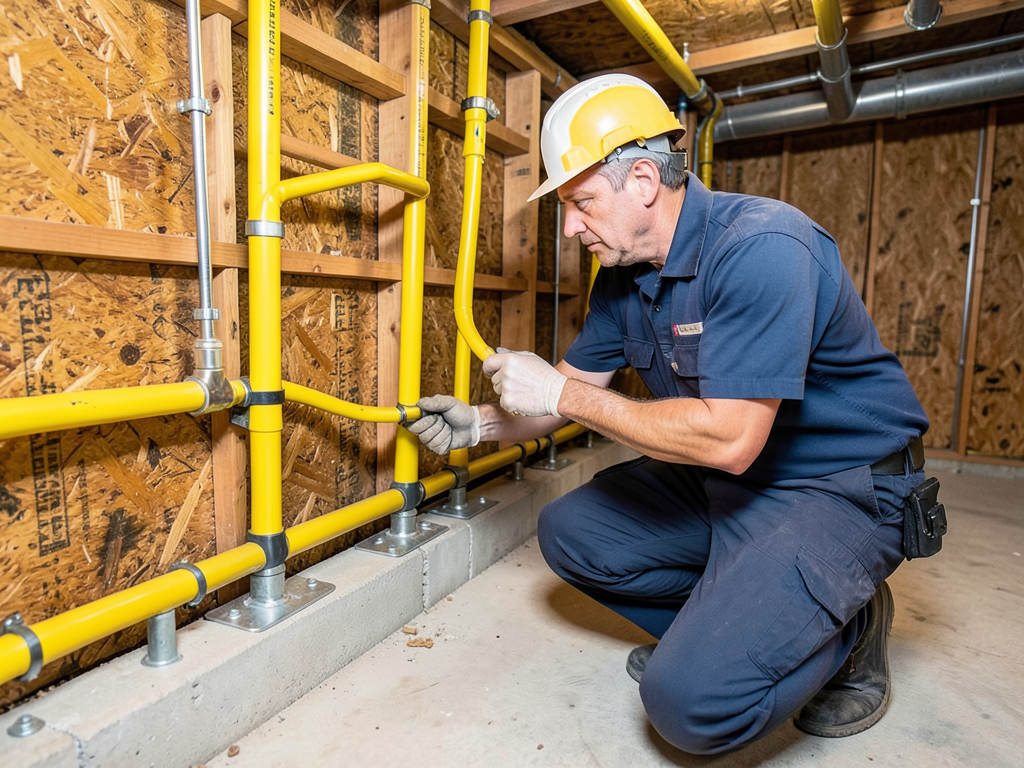
If new gas lines are needed, the plumber installs yellow CSST (corrugated stainless steel tubing) or black iron pipe according to North Carolina Fuel Gas Code requirements. Lines must be properly sized using gas pipe sizing tables to ensure adequate flow to all appliances. North Carolina Consumer Protection.
Every gas line installation requires pressure testing to verify there are no leaks. The plumber pressurizes the system with air or nitrogen to 1.5 times the maximum operating pressure, then monitors for pressure drops over 15-30 minutes. Any pressure loss indicates a leak that must be located and repaired.
Step 4: Piedmont Natural Gas Connection
Once your internal gas system passes inspection, Piedmont Natural Gas installs the meter and connects your home to the main line. This typically involves trenching from the street to your meter location, installing a meter set with automatic shut-off, and pressure testing the utility connection.
The utility company coordinates this work and schedules inspections with Mecklenburg County or Union County building officials. You cannot use your new gas service until all inspections pass and the meter is activated.
Appliance-Specific Conversion Requirements
Different appliances have unique conversion needs. Understanding these requirements helps you plan for potential replacement costs.
Gas Ranges and Cooktops
Converting a gas range involves changing the burner orifices, adjusting the air shutter, and sometimes replacing the pressure regulator. Most modern ranges include conversion kits with different-sized orifices for natural gas versus propane. The technician must also adjust the simmer settings since natural gas burns differently than propane.
Some high-end European ranges require professional conversion services because they have sealed burners that are more difficult to modify. The conversion process typically takes 1-2 hours per appliance.
Gas Water Heaters
Water heaters need orifice changes and pressure regulator adjustments. Tank-style water heaters are generally easier to convert than tankless models. Tankless units often require more extensive modifications because they have multiple burners and sophisticated control systems.. Read more about Navien vs Rinnai Tankless Water Heaters (Which Brand is Best for Your Huntersville Home?).
If your propane water heater is over 8-10 years old, replacement might be more cost-effective than conversion. New natural gas water heaters offer better efficiency and come with updated safety features.
Furnaces and Boilers
Furnace conversion involves changing gas valves, orifices, and sometimes the burner assembly. The process requires checking the heat exchanger for proper operation after conversion since incorrect gas pressure can cause incomplete combustion or overheating.
High-efficiency condensing furnaces may need additional modifications to their venting systems. The technician must verify that the venting can handle the different combustion characteristics of natural gas versus propane.
Charlotte Utility Integration and Permitting
Working with Piedmont Natural Gas requires understanding their connection process and local permitting requirements. The utility company handles the main service line and meter installation, but you need a licensed plumber for the internal work.
Mecklenburg County and Union County both require permits for gas line installations. The permit process involves submitting gas line diagrams, appliance information, and pressure test results. Inspections occur at different stages: after gas line installation, after appliance conversion, and finally when the utility connects service.
According to the North Carolina Fuel Gas Code, all gas piping must be installed by a licensed plumber or gas fitter. The code requires specific materials, supports, and clearances that vary based on pipe location and application. For example, gas lines in attics need different support spacing than those in crawl spaces.
Cost Breakdown and Return on Investment
The total cost of converting from propane to natural gas varies based on your home’s configuration and the number of appliances being converted. Understanding the cost factors helps you budget appropriately.
Appliance conversion costs range from $150-500 per unit, depending on complexity. Water heaters and furnaces typically cost more to convert than ranges or dryers. If replacement is needed instead of conversion, costs increase significantly.
Gas line installation costs depend on distance from the street, soil conditions, and whether trenching is required. Clay soil common in Waxhaw can make excavation more difficult and expensive. Average gas line installation costs range from $1,000-3,000 for typical residential conversions. Common Sewer Line Issues for Historic Dilworth Properties and How to Fix Them.
Utility connection fees vary by location and service requirements. Piedmont Natural Gas charges for new service installations, with costs depending on distance from existing mains and whether new infrastructure is needed.
The return on investment typically occurs within 2-4 years through lower energy costs. Natural gas prices in 2026 average $1.10-1.50 per therm, while propane costs $2.50-3.50 per gallon for the same energy output. The exact savings depend on your usage patterns and local utility rates.
Safety Considerations and Carbon Monoxide Protection
Safety is paramount when converting gas systems. Natural gas requires proper ventilation, leak detection, and carbon monoxide monitoring to ensure safe operation. Hidden Slab Leak Detection for Homeowners in South Park.
All gas appliances need proper venting to the outside. Natural gas produces carbon monoxide during combustion, and inadequate venting can lead to dangerous indoor accumulation. The plumber verifies that existing vents meet current code requirements or installs new venting if needed.
Carbon monoxide detectors are mandatory in homes with gas appliances. The National Fire Protection Association recommends installing CO detectors on every level of your home and outside sleeping areas. Detectors should be tested monthly and replaced every 5-7 years.
Gas leak detection involves both electronic sensors and the traditional soap bubble test. Technicians use combustible gas detectors to scan joints and connections, then apply leak detection solution to verify there are no micro-leaks that sensors might miss.
Common Questions About Gas Conversion
Can All My Appliances Be Converted?
Most modern gas appliances can be converted from propane to natural gas using manufacturer-approved kits. However, some older units or specialized commercial equipment may not have conversion options available. Appliances manufactured before 2000 often lack conversion kits, making replacement the only option.
High-end European appliances sometimes require proprietary conversion procedures that only certified technicians can perform. Always check with the manufacturer before assuming conversion is possible.
How Long Does the Conversion Take?
The complete conversion process typically takes 2-4 weeks from start to finish. Initial assessment and planning require 2-3 days. Appliance conversion takes 1-2 days depending on the number of units. Gas line installation and pressure testing require 2-3 days. Utility connection scheduling adds another 1-2 weeks.
Weather can affect timelines, especially for exterior trenching work. Spring and fall typically have better conditions for outdoor gas line installation than winter or summer.
Is Natural Gas Safe Compared to Propane?
Both natural gas and propane are safe when properly installed and maintained. Natural gas has a narrower explosive range than propane, making it slightly safer in terms of leak hazards. It also dissipates more quickly if released since it’s lighter than air.
The key safety factor is professional installation and regular maintenance. Both fuel types require proper pressure regulation, leak testing, and ventilation to operate safely.
What Happens to My Propane Tank?
After conversion, you can either have the propane company remove the tank or keep it for backup use. Tank removal involves disconnecting the lines, capping the outlet, and either picking up the tank or leaving it on-site if you own it.
Some homeowners keep their propane tanks as emergency backup for generators or outdoor equipment. If you keep the tank, it must be properly disconnected from any gas lines and maintained according to safety regulations.
Making the Decision: Is Conversion Right for Your Waxhaw Home?
Several factors influence whether converting to natural gas makes sense for your specific situation. Consider your current propane costs, the age of your appliances, and the availability of natural gas service in your area.
Calculate your annual propane usage and multiply by the current price per gallon. Compare this to the estimated natural gas cost for the same usage. Factor in conversion costs to determine your payback period. Most homeowners find the investment worthwhile if they plan to stay in their home for more than three years.
Consider your home’s layout and whether new gas lines will require extensive trenching or wall modifications. Homes with crawl spaces or basements often have easier conversion paths than those on slab foundations with finished interiors.
Check with your neighbors about their experiences with natural gas availability and costs in your specific Waxhaw neighborhood. Some areas near downtown Waxhaw have had natural gas service for years, while newer developments may still be waiting for infrastructure expansion.
Next Steps for Your Gas Conversion
Ready to make the switch from propane to natural gas? The first step is getting a professional assessment of your home’s current system and natural gas availability. A licensed plumber can evaluate your appliances, check local utility service maps, and provide a detailed conversion plan.
Call (980) 342-9933 today to schedule your free on-site assessment. Our experienced technicians understand Waxhaw’s specific requirements and can guide you through the entire conversion process, from initial planning to final inspection. Don’t wait until winter to make the switch – schedule your assessment now and enjoy the benefits of natural gas before the next cold snap hits.
Whether you’re looking to save money on energy costs, eliminate propane delivery hassles, or simply upgrade your home’s infrastructure, converting to natural gas can be a smart investment for your Waxhaw home. Let the experts at Keystone Plumbing handle your conversion safely and professionally.
Frequently Asked Questions
How much does it cost to convert from propane to natural gas?
The total cost typically ranges from $2,500 to $6,000 depending on the number of appliances, whether new gas lines are needed, and utility connection fees. Appliance conversion costs $150-500 each, while gas line installation averages $1,000-3,000.
Do I need permits for gas line installation in Waxhaw?
Yes, both Mecklenburg County and Union County require permits for gas line installations. A licensed plumber must pull permits, complete required inspections, and ensure all work meets North Carolina Fuel Gas Code requirements.
Can I convert my propane water heater to natural gas?
Most modern propane water heaters can be converted using manufacturer-approved kits that include new orifices and pressure regulators. However, units over 8-10 years old may be better replaced than converted due to efficiency improvements in newer models.
How long does the entire conversion process take?
The complete process typically takes 2-4 weeks, including initial assessment, appliance conversion, gas line installation, pressure testing, and utility connection. Weather and scheduling can affect timelines, especially for exterior work.
Is natural gas cheaper than propane in Waxhaw?
Yes, natural gas typically costs 30-50% less than propane for the same heating output. In 2026, natural gas averages $1.10-1.50 per therm while propane costs $2.50-3.50 per gallon for equivalent energy.
{
“@context”: “https://schema.org”,
“@type”: “BlogPosting”,
“headline”: “Converting Your Waxhaw Home from Propane to Natural Gas (A Practical Guide)”,
“description”: “Thinking about converting from propane to natural gas in Waxhaw? Learn the process, costs, safety requirements, and local regulations from Charlotte’s gas line experts.”,
“wordCount”: 2269,
“datePublished”: “2026-05-13T07:35:00.000Z”,
“dateModified”: “2026-05-13T07:35:00.000Z”,
“inLanguage”: “en-US”,
“mainEntityOfPage”: {
“@type”: “WebPage”,
“@id”: “https://keystoneplumbingcharlotte.com”
},
“publisher”: {
“@type”: “LocalBusiness”,
“name”: “Keystone Plumbing Charlotte”,
“url”: “https://keystoneplumbingcharlotte.com”
},
“author”: {
“@type”: “Organization”,
“name”: “Keystone Plumbing Charlotte”,
“url”: “https://keystoneplumbingcharlotte.com”
},
“image”: {
“@type”: “ImageObject”,
“url”: “https://keystoneplumbingcharlotte.com/wp-content/uploads/2026/03/converting-your-waxhaw-home-from-propane-to-natura-1.png”
}
}
{
“@context”: “https://schema.org”,
“@type”: “Plumber”,
“name”: “Keystone Plumbing Charlotte”,
“url”: “https://keystoneplumbingcharlotte.com”,
“address”: {
“@type”: “PostalAddress”,
“addressLocality”: “Charlotte”
},
“areaServed”: {
“@type”: “City”,
“name”: “Charlotte”
}
}
{
“@context”: “https://schema.org”,
“@type”: “FAQPage”,
“mainEntity”: [
{
“@type”: “Question”,
“name”: “Can All My Appliances Be Converted?”,
“acceptedAnswer”: {
“@type”: “Answer”,
“text”: “Most modern gas appliances can be converted from propane to natural gas using manufacturer-approved kits. However, some older units or specialized commercial equipment may not have conversion options available. Appliances manufactured before 2000 often lack conversion kits, making replacement the only option.”
}
},
{
“@type”: “Question”,
“name”: “How Long Does the Conversion Take?”,
“acceptedAnswer”: {
“@type”: “Answer”,
“text”: “The complete conversion process typically takes 2-4 weeks from start to finish. Initial assessment and planning require 2-3 days. Appliance conversion takes 1-2 days depending on the number of units. Gas line installation and pressure testing require 2-3 days. Utility connection scheduling adds another 1-2 weeks.”
}
},
{
“@type”: “Question”,
“name”: “Is Natural Gas Safe Compared to Propane?”,
“acceptedAnswer”: {
“@type”: “Answer”,
“text”: “Both natural gas and propane are safe when properly installed and maintained. Natural gas has a narrower explosive range than propane, making it slightly safer in terms of leak hazards. It also dissipates more quickly if released since it’s lighter than air.”
}
},
{
“@type”: “Question”,
“name”: “What Happens to My Propane Tank?”,
“acceptedAnswer”: {
“@type”: “Answer”,
“text”: “After conversion, you can either have the propane company remove the tank or keep it for backup use. Tank removal involves disconnecting the lines, capping the outlet, and either picking up the tank or leaving it on-site if you own it.”
}
},
{
“@type”: “Question”,
“name”: “Making the Decision: Is Conversion Right for Your Waxhaw Home?”,
“acceptedAnswer”: {
“@type”: “Answer”,
“text”: “Several factors influence whether converting to natural gas makes sense for your specific situation. Consider your current propane costs, the age of your appliances, and the availability of natural gas service in your area.”
}
},
{
“@type”: “Question”,
“name”: “How much does it cost to convert from propane to natural gas?”,
“acceptedAnswer”: {
“@type”: “Answer”,
“text”: “The total cost typically ranges from $2,500 to $6,000 depending on the number of appliances, whether new gas lines are needed, and utility connection fees. Appliance conversion costs $150-500 each, while gas line installation averages $1,000-3,000.”
}
},
{
“@type”: “Question”,
“name”: “Do I need permits for gas line installation in Waxhaw?”,
“acceptedAnswer”: {
“@type”: “Answer”,
“text”: “Yes, both Mecklenburg County and Union County require permits for gas line installations. A licensed plumber must pull permits, complete required inspections, and ensure all work meets North Carolina Fuel Gas Code requirements.”
}
},
{
“@type”: “Question”,
“name”: “Can I convert my propane water heater to natural gas?”,
“acceptedAnswer”: {
“@type”: “Answer”,
“text”: “Most modern propane water heaters can be converted using manufacturer-approved kits that include new orifices and pressure regulators. However, units over 8-10 years old may be better replaced than converted due to efficiency improvements in newer models.”
}
},
{
“@type”: “Question”,
“name”: “How long does the entire conversion process take?”,
“acceptedAnswer”: {
“@type”: “Answer”,
“text”: “The complete process typically takes 2-4 weeks, including initial assessment, appliance conversion, gas line installation, pressure testing, and utility connection. Weather and scheduling can affect timelines, especially for exterior work.”
}
},
{
“@type”: “Question”,
“name”: “Is natural gas cheaper than propane in Waxhaw?”,
“acceptedAnswer”: {
“@type”: “Answer”,
“text”: “Yes, natural gas typically costs 30-50% less than propane for the same heating output. In 2026, natural gas averages $1.10-1.50 per therm while propane costs $2.50-3.50 per gallon for equivalent energy.”
}
}
]
}
{
“@context”: “https://schema.org”,
“@type”: “BreadcrumbList”,
“itemListElement”: [
{
“@type”: “ListItem”,
“position”: 1,
“name”: “Home”,
“item”: “https://keystoneplumbingcharlotte.com”
},
{
“@type”: “ListItem”,
“position”: 2,
“name”: “Blog”,
“item”: “https://keystoneplumbingcharlotte.com/blog”
},
{
“@type”: “ListItem”,
“position”: 3,
“name”: “Converting Your Waxhaw Home from Propane to Natural Gas (A Practical Guide)”
}
]
}
{
“@context”: “https://schema.org”,
“@type”: “Service”,
“serviceType”: “Plumbing”,
“provider”: {
“@type”: “LocalBusiness”,
“name”: “Keystone Plumbing Charlotte”,
“url”: “https://keystoneplumbingcharlotte.com”
},
“areaServed”: {
“@type”: “City”,
“name”: “Charlotte”
},
“description”: “Thinking about converting from propane to natural gas in Waxhaw? Learn the process, costs, safety requirements, and local regulations from Charlotte’s gas line experts.”
}