
Preparing your Charlotte home plumbing for hurricane season and heavy rain
Charlotte’s location in the Piedmont region means we often face heavy rain from tropical storm remnants and hurricane systems that push inland. These storms can dump several inches of rain in just hours, overwhelming our drainage systems and putting your home’s plumbing at risk. The combination of saturated clay soil and aging infrastructure in many Charlotte neighborhoods creates a perfect storm for flooding and sewer backups. Common Sewer Line Issues for Historic Dilworth Properties and How to Fix Them.
Taking action before the first raindrop falls can save you thousands in water damage repairs. This guide walks you through the exact steps to protect your home’s plumbing system, from clearing exterior drains to testing your sump pump battery backup. You’ll also learn what to do if your crawlspace or basement floods after the storm passes. Is a Tankless Water Heater Worth It for Your Ballantyne Home?.
Why Charlotte’s inland location creates unique plumbing risks
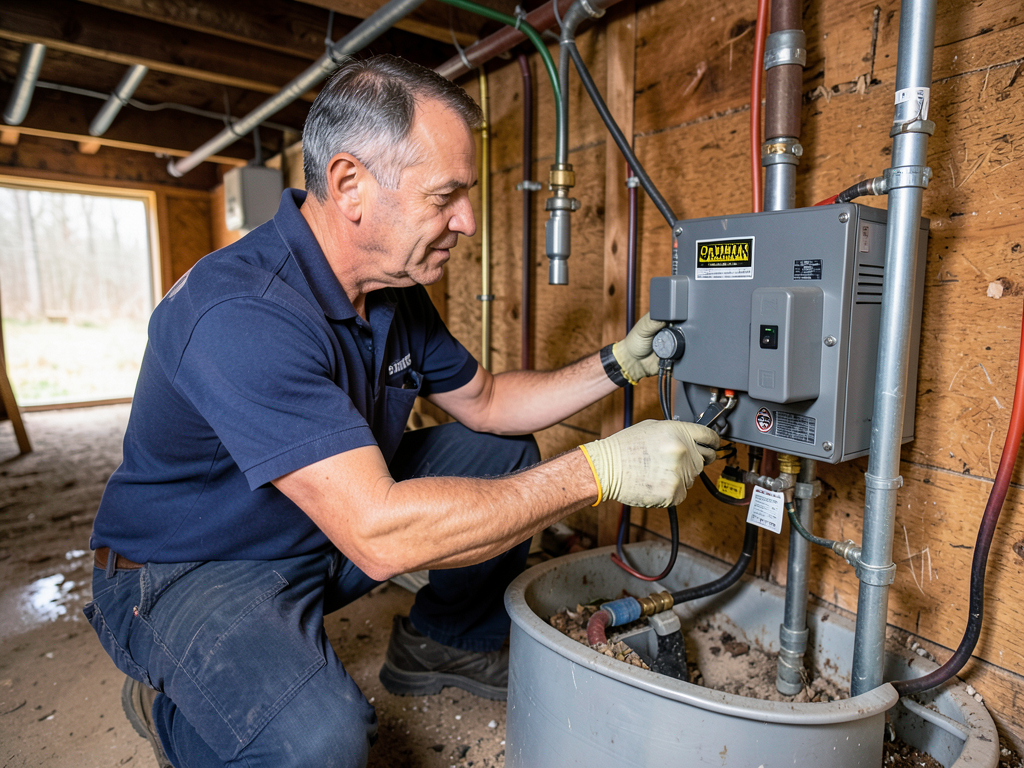
Unlike coastal areas that face storm surge, Charlotte deals with flash flooding from intense rainfall over our clay-heavy Piedmont soil. This soil type, common throughout Mecklenburg County, absorbs water slowly and can become completely saturated within hours during a tropical depression. When that happens, water has nowhere to go but into your basement or crawlspace. Signs You Need a Main Water Line Replacement in Pineville.
Older Charlotte neighborhoods like Myers Park and Eastover often have clay sewer laterals that crack and separate at the joints during soil expansion. These gaps allow groundwater to infiltrate your sewer line during heavy rain, causing backups into your home. The problem gets worse when tree roots find these cracks and grow into the pipes, creating complete blockages.. Read more about How to find your main water shutoff valve before an emergency happens.
Charlotte Water reports that service calls for sewer backups increase by 300% during the peak of hurricane season from August through October. Most of these calls come from homes that haven’t had their sewer lines inspected in over five years.. Read more about Why your Charlotte tap water smells like a swimming pool.
Step 1: The exterior checklist for hurricane plumbing prep
- Clear all exterior drains and gutters
Remove leaves, twigs, and debris from gutters, downspouts, and yard drains. A single clogged downspout can send hundreds of gallons of water pouring next to your foundation during a heavy storm.. Read more about Dealing with a clogged AC condensate line that is leaking into your Cotswold home.
- Test your sump pump system
Pour a bucket of water into the sump pit to verify the pump activates automatically. Listen for unusual noises that might indicate failing bearings or a jammed impeller. Charlotte’s clay soil holds moisture, so your pump may run more frequently than in other regions.
- Check sump pump battery backup
Most Charlotte-area power outages during storms last 4-8 hours. Your battery backup should provide at least 24 hours of continuous operation. Test by unplugging the main pump and verifying the backup activates within 30 seconds.
- Inspect French drains and exterior footing drains
Look for areas where soil has settled around drain pipes, creating low spots that trap water. These depressions can hold water against your foundation during heavy rain.
Step 2: Protecting your interior water system
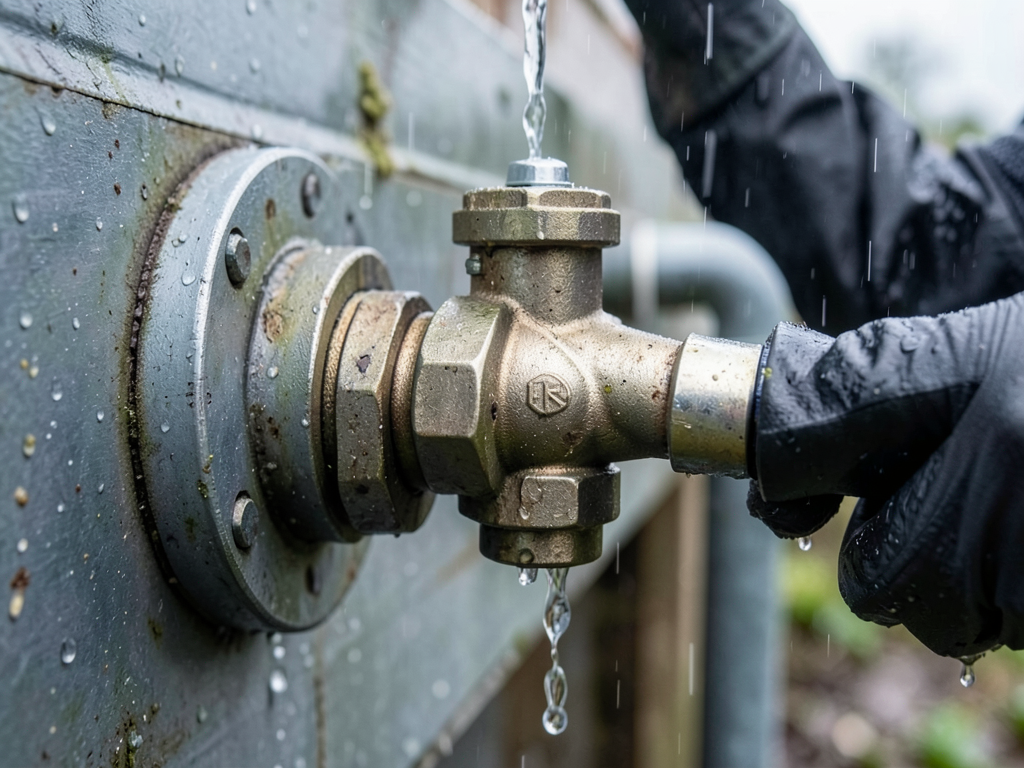
Inside your home, several critical components need attention before a storm hits. The main water shut-off valve is your first line of defense if a pipe bursts or your water heater fails during flooding.
Locate your main shut-off valve now, not during an emergency. In most Charlotte homes, you’ll find it where the water line enters the house, often in the basement, crawlspace, or near the water heater. Turn the valve clockwise to shut off water to your entire home.
Water heaters are particularly vulnerable during flooding. If flood waters reach your water heater, the gas control valve or electrical components can fail, creating a safety hazard. Consider installing a water heater flood stop device that automatically shuts off gas or power if it detects water around the unit.
Charlotte’s building code requires a pressure relief valve on all water heaters, but many older units don’t have this safety feature. A failed pressure relief valve can cause a water heater to explode under certain conditions, sending debris through your home like a missile.
Step 3: Sewer line and backflow prevention
During heavy rain events, Charlotte’s combined sewer system in older neighborhoods can become overwhelmed. Water from streets, yards, and overwhelmed storm drains flows backward through your sewer line, bringing contaminated water into your home through toilets, sinks, and floor drains. Professional Toilet Repair and Installation Services in Matthews.
A backwater valve installation is your best protection against this type of flooding. This one-way valve allows sewage to flow out but closes automatically when water tries to flow back in. The valve must be installed on your main sewer line, typically in the basement or crawlspace.
Charlotte Water recommends backwater valves for homes in flood-prone areas near Briar Creek, Little Sugar Creek, and Irwin Creek. These neighborhoods experience the highest rates of sewer backup during heavy rain events. The installation requires a permit from Charlotte Water and must be performed by a licensed plumber familiar with local codes.
Step 4: Crawlspace and basement preparation
Charlotte’s humid climate makes crawlspaces particularly vulnerable to moisture problems that worsen during hurricane season. Standing water in your crawlspace can damage floor joists, create mold growth, and attract pests.
Check your crawlspace for proper drainage before storm season. The ground should slope away from your foundation at a minimum 6-inch drop over 10 feet. If you see standing water or mud after even light rain, your crawlspace drainage needs improvement.
Consider crawlspace encapsulation if you live in a flood-prone area. This process seals the crawlspace with a heavy-duty vapor barrier, preventing moisture from entering through the ground. Combined with a sump pump system, encapsulation can keep your crawlspace dry even during extended heavy rain.
For homes with basements, check your basement windows and window wells. Install clear plastic window well covers to prevent rain from entering while still allowing light through. These covers can prevent hundreds of gallons of water from entering your basement during a storm.
Post-storm recovery: What to check after the clouds clear
Once the storm passes and it’s safe to go outside, your plumbing inspection should begin immediately. Many water damage problems start small and worsen over 24-48 hours if not addressed. Plumbing Mint Hill.
Start with a visual inspection of your home’s exterior. Look for new cracks in your foundation that may have appeared due to soil expansion from absorbed rainwater. Even hairline cracks can allow water to seep into your basement or crawlspace over time.
Check all plumbing fixtures for proper operation. Run water in every sink, tub, and shower to verify drains are working correctly. Slow drains might indicate that your main sewer line is partially blocked with debris carried by flood waters.
Listen for unusual sounds from your plumbing system. Gurgling drains, whistling pipes, or vibrating water heaters can indicate problems that developed during the storm. These sounds often precede more serious failures if not addressed promptly.
Charlotte-specific emergency contacts and resources
Keep these emergency numbers handy before the next storm approaches:
- Charlotte Water Emergency Line: (704) 336-7600
- Duke Energy Power Outages: (800) 419-6356
- Mecklenburg County Emergency Management: (980) 314-3850
- National Weather Service Charlotte: (704) 875-8787
The City of Charlotte offers a flood map tool on its website that shows your property’s flood risk level. Properties in high-risk zones may qualify for discounted flood insurance rates and should consider additional plumbing protections.
Cost comparison: Prevention vs. repair
| Service | Average Cost | Potential Damage Without Service |
|---|---|---|
| Sump pump battery backup installation | $450-650 | $5,000-15,000 basement flood damage |
| Backwater valve installation | $1,200-2,500 | $10,000-25,000 sewer backup damage |
| Crawlspace encapsulation | $3,000-8,000 | $8,000-20,000 mold and structural damage |
| Sewer line camera inspection | $250-400 | $3,000-10,000 emergency sewer repair |
When to call a professional plumber
Some plumbing problems require immediate professional attention, especially after a major storm. Call a licensed plumber if you notice any of these warning signs:
- Multiple drains backing up simultaneously
- Sewer odors coming from drains or yard
- Water pooling around your foundation after rain stops
- Unusual sounds from your water heater or sump pump
- Visible foundation cracks or shifting
Professional plumbers can perform camera inspections of your sewer line to identify damage that isn’t visible from the surface. This inspection can reveal tree root intrusion, pipe separation, or collapsed sections that would fail during the next heavy rain event.
Frequently Asked Questions
How often should I test my sump pump before hurricane season?
Test your sump pump at least once per month during storm season. Pour a bucket of water into the pit and verify the pump activates within 30 seconds. Also check the battery backup by unplugging the main pump and confirming the backup takes over automatically.
Does homeowners insurance cover flood damage to plumbing?
Standard homeowners insurance does not cover flood damage. You need separate flood insurance through the National Flood Insurance Program or a private insurer. However, most policies do cover sudden plumbing failures like burst pipes, even if caused by storm-related pressure changes.
How long does backwater valve installation take?
Most backwater valve installations take 4-6 hours for a professional plumber. The process involves cutting into your main sewer line, installing the valve, and testing the system. You’ll need to avoid using plumbing fixtures during installation.
Take action before the next storm approaches
Don’t wait until the forecast shows a hurricane heading toward the Carolinas. Most plumbing preparation tasks take just a few hours but can prevent thousands in water damage. Start with the exterior checklist this weekend, then schedule a professional inspection of your sewer line and sump pump system.
Call (980) 342-9933 today to schedule your hurricane plumbing inspection. Our licensed plumbers know exactly what to look for in Charlotte homes and can identify problems before they cause expensive damage. We’ll check your sump pump, inspect your sewer line, and recommend specific protections based on your home’s location and construction type.
Pick up the phone and call (980) 342-9933 before the next storm hits. When heavy rain threatens Charlotte, you’ll be glad you took these simple steps to protect your home’s most important systems.
Additional resources for Charlotte homeowners
The City of Charlotte provides flood risk information and emergency preparedness guides on its official website. Mecklenburg County Emergency Management offers real-time alerts about severe weather and flooding risks specific to our area.
For more information about protecting your home’s plumbing during severe weather, visit the EPA WaterSense website or the FEMA Flood Map Service Center.
Conclusion
Charlotte’s unique geography and soil conditions make hurricane season plumbing preparation essential for every homeowner. The steps outlined in this guide can prevent the most common types of water damage we see after tropical systems move through the area. Remember that most flood damage occurs in homes that weren’t properly prepared, not in homes that had some protection but not everything perfect.
Your home’s plumbing system works hard every day to keep your family safe and comfortable. A little preparation before hurricane season can ensure it continues working when you need it most. Don’t let the next big storm catch you unprepared.
{
“@context”: “https://schema.org”,
“@type”: “BlogPosting”,
“headline”: “Preparing your Charlotte home plumbing for hurricane season and heavy rain”,
“description”: “Protect your Charlotte home from flooding and plumbing damage during hurricane season. Learn essential steps to prepare your drains, sump pump, and water system.”,
“wordCount”: 1840,
“datePublished”: “2026-05-30T09:32:00.000Z”,
“dateModified”: “2026-05-30T09:32:00.000Z”,
“inLanguage”: “en-US”,
“mainEntityOfPage”: {
“@type”: “WebPage”,
“@id”: “https://keystoneplumbingcharlotte.com”
},
“publisher”: {
“@type”: “LocalBusiness”,
“name”: “Keystone Plumbing Charlotte”,
“url”: “https://keystoneplumbingcharlotte.com”
},
“author”: {
“@type”: “Organization”,
“name”: “Keystone Plumbing Charlotte”,
“url”: “https://keystoneplumbingcharlotte.com”
},
“image”: {
“@type”: “ImageObject”,
“url”: “https://keystoneplumbingcharlotte.com/wp-content/uploads/2026/03/preparing-your-charlotte-home-plumbing-for-hurrica-1.png”
}
}
{
“@context”: “https://schema.org”,
“@type”: “Plumber”,
“name”: “Keystone Plumbing Charlotte”,
“url”: “https://keystoneplumbingcharlotte.com”,
“address”: {
“@type”: “PostalAddress”,
“addressLocality”: “Charlotte”
},
“areaServed”: {
“@type”: “City”,
“name”: “Charlotte”
}
}
{
“@context”: “https://schema.org”,
“@type”: “FAQPage”,
“mainEntity”: [
{
“@type”: “Question”,
“name”: “How often should I test my sump pump before hurricane season?”,
“acceptedAnswer”: {
“@type”: “Answer”,
“text”: “Test your sump pump at least once per month during storm season. Pour a bucket of water into the pit and verify the pump activates within 30 seconds. Also check the battery backup by unplugging the main pump and confirming the backup takes over automatically.”
}
},
{
“@type”: “Question”,
“name”: “Does homeowners insurance cover flood damage to plumbing?”,
“acceptedAnswer”: {
“@type”: “Answer”,
“text”: “Standard homeowners insurance does not cover flood damage. You need separate flood insurance through the National Flood Insurance Program or a private insurer. However, most policies do cover sudden plumbing failures like burst pipes, even if caused by storm-related pressure changes.”
}
},
{
“@type”: “Question”,
“name”: “How long does backwater valve installation take?”,
“acceptedAnswer”: {
“@type”: “Answer”,
“text”: “Most backwater valve installations take 4-6 hours for a professional plumber. The process involves cutting into your main sewer line, installing the valve, and testing the system. You’ll need to avoid using plumbing fixtures during installation.”
}
}
]
}
{
“@context”: “https://schema.org”,
“@type”: “HowTo”,
“name”: “Exterior Hurricane Plumbing Preparation”,
“step”: [
{
“@type”: “HowToStep”,
“position”: 1,
“name”: “Clear all exterior drains and gutters”,
“text”: “Remove leaves, twigs, and debris from gutters, downspouts, and yard drains. A single clogged downspout can send hundreds of gallons of water pouring next to your foundation during a heavy storm.”
},
{
“@type”: “HowToStep”,
“position”: 2,
“name”: “Test your sump pump system”,
“text”: “Pour a bucket of water into the sump pit to verify the pump activates automatically. Listen for unusual noises that might indicate failing bearings or a jammed impeller. Charlotte’s clay soil holds moisture, so your pump may run more frequently than in other regions.”
},
{
“@type”: “HowToStep”,
“position”: 3,
“name”: “Check sump pump battery backup”,
“text”: “Most Charlotte-area power outages during storms last 4-8 hours. Your battery backup should provide at least 24 hours of continuous operation. Test by unplugging the main pump and verifying the backup activates within 30 seconds.”
},
{
“@type”: “HowToStep”,
“position”: 4,
“name”: “Inspect French drains and exterior footing drains”,
“text”: “Look for areas where soil has settled around drain pipes, creating low spots that trap water. These depressions can hold water against your foundation during heavy rain.”
}
],
“image”: “https://keystoneplumbingcharlotte.com/wp-content/uploads/2026/03/preparing-your-charlotte-home-plumbing-for-hurrica-1.png”
}
{
“@context”: “https://schema.org”,
“@type”: “BreadcrumbList”,
“itemListElement”: [
{
“@type”: “ListItem”,
“position”: 1,
“name”: “Home”,
“item”: “https://keystoneplumbingcharlotte.com”
},
{
“@type”: “ListItem”,
“position”: 2,
“name”: “Blog”,
“item”: “https://keystoneplumbingcharlotte.com/blog”
},
{
“@type”: “ListItem”,
“position”: 3,
“name”: “Preparing your Charlotte home plumbing for hurricane season and heavy rain”
}
]
}
{
“@context”: “https://schema.org”,
“@type”: “Service”,
“serviceType”: “Plumbing”,
“provider”: {
“@type”: “LocalBusiness”,
“name”: “Keystone Plumbing Charlotte”,
“url”: “https://keystoneplumbingcharlotte.com”
},
“areaServed”: {
“@type”: “City”,
“name”: “Charlotte”
},
“description”: “Protect your Charlotte home from flooding and plumbing damage during hurricane season. Learn essential steps to prepare your drains, sump pump, and water system.”
}