
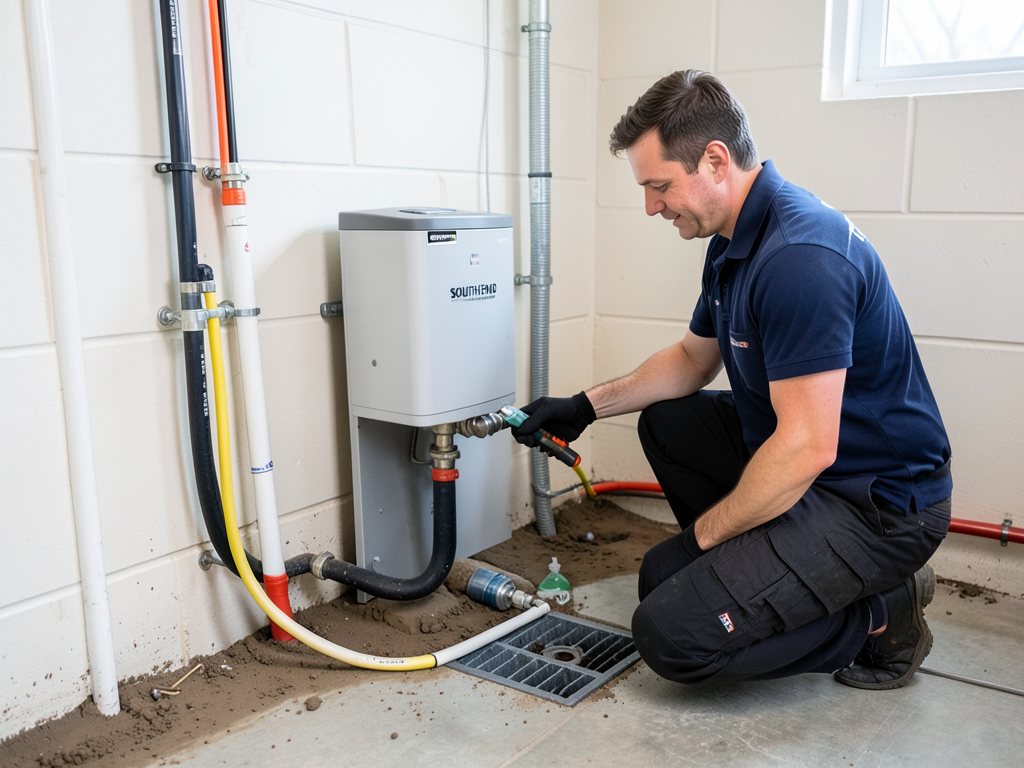
Adding a Luxury Pet Wash Station to Your South End Home or Apartment
Installing a pet wash station in your South End home requires professional plumbing expertise to prevent water damage and sewer line clogs. Charlotte’s humid climate and aging plumbing infrastructure in older Dilworth and South End bungalows make proper drainage and waterproofing critical for a successful installation. Is a Tankless Water Heater Worth It for Your Ballantyne Home?.
Why South End Homes Need Professional Pet Wash Installation
South End’s historic bungalows and modern condos present unique plumbing challenges. Many homes built before 1980 have galvanized pipes that corrode from the inside, reducing water pressure and flow rates needed for effective pet washing. The clay soil common in Mecklenburg County expands and contracts with moisture changes, putting stress on underground plumbing connections. Mecklenburg County Plumbing Board.
Professional installation ensures your pet station meets North Carolina Plumbing Code requirements while protecting your home from water damage. A properly installed station includes hair interceptors, thermostatic mixing valves, and floor drains that comply with local building codes. Professional Toilet Repair and Installation Services in Matthews.
Technical Plumbing Requirements for Pet Wash Stations
Pet wash stations require specific plumbing components to function properly and prevent damage. The drainage system must handle pet hair and soap residue without clogging your main sewer line. Common Sewer Line Issues for Historic Dilworth Properties and How to Fix Them.
Hair Interceptors and Lint Traps
The most critical component is a hair interceptor that catches pet hair before it enters your plumbing system. These devices use a removable basket that collects hair and debris, preventing clogs in your P-trap and main drain line. North Carolina Plumbing Code Section 13-196 requires hair interceptors for any fixture that may discharge animal hair.
Thermostatic Mixing Valves
Pets need warm water for comfortable washing, but water that’s too hot can cause burns. A thermostatic mixing valve (TMV) maintains water temperature between 85-95 degrees Fahrenheit, preventing scalding while providing comfortable washing temperatures. These valves automatically adjust for pressure and temperature fluctuations in your home’s water supply.
Floor Drain Installation
Proper floor drain installation prevents water from pooling and causing mold growth. The drain must have a P-trap to prevent sewer gases from entering your home and should be positioned to catch water from all spray angles. Floor drains in South End homes often require additional waterproofing membranes due to the area’s high humidity levels.
Where to Install Your Pet Wash Station
The location of your pet wash station affects both installation complexity and daily convenience. South End homes offer several viable options depending on your layout and existing plumbing infrastructure.
Mudroom Conversions
Mudrooms are ideal for pet wash stations because they already handle dirty traffic and often have exterior access. Converting a mudroom requires installing new water supply lines and drainage, but the existing floor structure usually supports the additional weight. Many South End bungalows have mudrooms off the back porch that work perfectly for this purpose.
Laundry Room Integration
Laundry rooms often have existing water supply and drainage, making them cost-effective locations for pet wash stations. However, you’ll need to ensure the floor can handle water exposure and that the drainage system can handle both pet hair and laundry lint without clogging.
Garage Installations
Garages provide ample space and existing plumbing rough-ins in many South End homes. The concrete floor in garages makes waterproofing easier, and exterior walls provide options for venting and drainage. However, garage installations require careful consideration of freeze protection since Charlotte occasionally experiences temperatures below freezing.
Our Professional Installation Process
Professional installation ensures your pet wash station functions properly and meets all local code requirements. Our process follows North Carolina Plumbing Code standards and includes comprehensive testing before completion.
Step 1: Site Assessment and Planning
We evaluate your chosen location for water supply access, drainage options, and structural support. This includes checking existing plumbing for adequate pressure and flow rates. We also assess waterproofing needs based on your home’s construction and South End’s humid climate.
Step 2: Rough-In Plumbing Installation
We install new water supply lines using PEX tubing for flexibility and freeze resistance. Hot and cold water lines are run to the station location with proper shut-off valves. The drainage system includes a floor drain with P-trap and hair interceptor installed at the correct slope for proper drainage.
Step 3: Waterproofing and Backer Board Installation
Walls receive cement backer board and waterproofing membrane to prevent water damage. Floor areas get additional waterproofing treatment, especially important in South End’s humid environment where moisture can cause mold growth within 24-48 hours.
Step 4: Fixture Installation and Testing
We install the pet wash basin, faucet with sprayer, and thermostatic mixing valve. All connections are tested for leaks under pressure. The drainage system is tested with water to ensure proper flow and that the hair interceptor functions correctly.
Step 5: Final Inspection and Cleanup
We conduct a final inspection to verify all code requirements are met. This includes checking backflow prevention devices and ensuring proper venting. The work area is cleaned, and we provide maintenance instructions for your new pet wash station.
Charlotte-Specific Building Code Requirements
Mecklenburg County requires permits for new plumbing fixtures, including pet wash stations. The North Carolina Plumbing Code mandates specific requirements for drainage, venting, and backflow prevention that must be followed for legal installation.
Permit Requirements
Any new plumbing fixture installation requires a permit from Mecklenburg County. The permit process ensures your installation meets code requirements and will be inspected by a county official. This protects you from potential liability and ensures your insurance remains valid.
Backflow Prevention
North Carolina Plumbing Code Section 13-205 requires backflow prevention devices on all fixtures that could potentially contaminate the potable water supply. For pet wash stations, this typically means installing a vacuum breaker on the sprayer to prevent contaminated water from flowing back into your home’s water system.
Ventilation Requirements
Proper ventilation prevents sewer gases from entering your home and ensures proper drainage. The code requires vent pipes to extend above the roofline and be positioned to prevent wind-driven rain from entering the system. In South End’s older homes, this may require modifying existing vent stacks.
Cost Factors and Investment Considerations
The cost of installing a pet wash station varies based on location, existing plumbing infrastructure, and chosen features. Understanding these factors helps you budget appropriately for your project.
Location Impact on Cost
Installing in a mudroom or laundry room with existing plumbing rough-ins costs less than creating a new station in a garage or basement. South End homes with accessible crawl spaces often have lower installation costs because plumbing lines can be run more easily.
Feature Selection
Basic stations with a simple basin and handheld sprayer cost less than luxury installations with built-in cabinets, hot water recirculation, and commercial-grade sprayers. The number of spray settings and water pressure requirements also affect overall cost.
Waterproofing Requirements
South End’s high humidity requires more extensive waterproofing than homes in drier climates. This includes waterproofing membranes, cement backer board, and proper sealing of all joints. These requirements add to the overall cost but prevent expensive water damage repairs.
Maintenance and Care for Your Pet Wash Station
Proper maintenance ensures your pet wash station functions properly for years and prevents costly repairs. Regular cleaning and inspection catch small problems before they become major issues. EPA Safe Drinking Water Standards.
Hair Interceptor Maintenance
Clean the hair interceptor basket weekly to prevent buildup. Remove the basket, empty hair and debris, and rinse thoroughly. This prevents clogs in your main drain line and maintains proper drainage flow.
Water Heater Considerations
Pet washing requires consistent hot water supply. If your current water heater struggles to meet demand, consider upgrading to a tankless system or installing a point-of-use water heater near the pet station. This ensures you always have hot water available for washing.
Seal Inspection
Check waterproofing seals quarterly for signs of wear or separation. South End’s humidity can cause caulk to deteriorate faster than in other climates. Replace damaged seals promptly to prevent water damage to walls and floors.
Frequently Asked Questions
Do I need a permit to install a pet wash station in South End?
Yes, Mecklenburg County requires permits for any new plumbing fixture installation. This includes pet wash stations. The permit ensures your installation meets North Carolina Plumbing Code requirements and will be inspected by a county official.
How much does it cost to install a pet wash station in Charlotte?
Installation costs typically range from $2,500 to $6,000 depending on location, existing plumbing infrastructure, and chosen features. Basic installations in areas with existing plumbing rough-ins cost less than luxury installations requiring extensive new plumbing work.
Can I install a pet wash station in my apartment?
Most apartments prohibit modifications to plumbing systems. However, some newer apartment buildings in South End have pet wash stations as amenities. Check with your building management before attempting any installation.
How do I prevent pet hair from clogging my main sewer line?
Install a quality hair interceptor with a removable basket. Clean the basket weekly and consider using a drain snake monthly to prevent buildup in the P-trap. Professional drain cleaning annually helps maintain proper flow.
What size water supply lines do I need for a pet wash station?
Standard 1/2-inch supply lines work for most residential pet wash stations. However, if you’re installing a commercial-grade sprayer or multiple spray settings, you may need 3/4-inch lines to maintain adequate water pressure and flow rate. Signs You Need a Main Water Line Replacement in Pineville.
How long does installation take?
Professional installation typically takes 2-3 days. This includes site assessment, rough-in plumbing, waterproofing, fixture installation, and testing. Additional time may be needed if extensive new plumbing work is required or if permits take longer to process.
Will a pet wash station increase my home’s value?
Yes, pet wash stations can increase home value, especially in pet-friendly neighborhoods like South End. They’re considered a luxury upgrade that appeals to pet owners and can make your home more attractive to potential buyers.
What type of flooring works best for pet wash stations?
Waterproof flooring like ceramic tile, luxury vinyl plank, or sealed concrete works best. These materials resist water damage and provide good traction when wet. Avoid hardwood or laminate flooring in areas with water exposure.
Call (980) 342-9933 for Professional Pet Wash Station Installation
Don’t risk water damage or code violations with DIY installation. Our licensed plumbers understand South End’s unique plumbing challenges and building code requirements. We provide free estimates and can complete most installations in just a few days.
Call (980) 342-9933 today to schedule your consultation. We’ll assess your space, explain your options, and provide a detailed quote with no hidden fees. Your pets deserve the best, and your home deserves professional installation that protects your investment. Hidden Slab Leak Detection for Homeowners in South Park.
{
“@context”: “https://schema.org”,
“@type”: “BlogPosting”,
“headline”: “Adding a Luxury Pet Wash Station to Your South End Home or Apartment”,
“description”: “Professional plumbing installation for luxury pet wash stations in South End Charlotte. Learn about drainage, water supply, and code compliance for your mudroom or laundry room.”,
“wordCount”: 1817,
“datePublished”: “2026-04-13T15:06:00.000Z”,
“dateModified”: “2026-04-13T15:06:00.000Z”,
“inLanguage”: “en-US”,
“mainEntityOfPage”: {
“@type”: “WebPage”,
“@id”: “https://keystoneplumbingcharlotte.com”
},
“publisher”: {
“@type”: “LocalBusiness”,
“name”: “Keystone Plumbing Charlotte”,
“url”: “https://keystoneplumbingcharlotte.com”
},
“author”: {
“@type”: “Organization”,
“name”: “Keystone Plumbing Charlotte”,
“url”: “https://keystoneplumbingcharlotte.com”
},
“image”: {
“@type”: “ImageObject”,
“url”: “https://keystoneplumbingcharlotte.com/wp-content/uploads/2026/03/adding-a-luxury-pet-wash-station-to-your-south-end-1.png”
}
}
{
“@context”: “https://schema.org”,
“@type”: “Plumber”,
“name”: “Keystone Plumbing Charlotte”,
“url”: “https://keystoneplumbingcharlotte.com”,
“address”: {
“@type”: “PostalAddress”,
“addressLocality”: “Charlotte”
},
“areaServed”: {
“@type”: “City”,
“name”: “Charlotte”
}
}
{
“@context”: “https://schema.org”,
“@type”: “FAQPage”,
“mainEntity”: [
{
“@type”: “Question”,
“name”: “Do I need a permit to install a pet wash station in South End?”,
“acceptedAnswer”: {
“@type”: “Answer”,
“text”: “Yes, Mecklenburg County requires permits for any new plumbing fixture installation. This includes pet wash stations. The permit ensures your installation meets North Carolina Plumbing Code requirements and will be inspected by a county official.”
}
},
{
“@type”: “Question”,
“name”: “How much does it cost to install a pet wash station in Charlotte?”,
“acceptedAnswer”: {
“@type”: “Answer”,
“text”: “Installation costs typically range from $2,500 to $6,000 depending on location, existing plumbing infrastructure, and chosen features. Basic installations in areas with existing plumbing rough-ins cost less than luxury installations requiring extensive new plumbing work.”
}
},
{
“@type”: “Question”,
“name”: “Can I install a pet wash station in my apartment?”,
“acceptedAnswer”: {
“@type”: “Answer”,
“text”: “Most apartments prohibit modifications to plumbing systems. However, some newer apartment buildings in South End have pet wash stations as amenities. Check with your building management before attempting any installation.”
}
},
{
“@type”: “Question”,
“name”: “How do I prevent pet hair from clogging my main sewer line?”,
“acceptedAnswer”: {
“@type”: “Answer”,
“text”: “Install a quality hair interceptor with a removable basket. Clean the basket weekly and consider using a drain snake monthly to prevent buildup in the P-trap. Professional drain cleaning annually helps maintain proper flow.”
}
},
{
“@type”: “Question”,
“name”: “What size water supply lines do I need for a pet wash station?”,
“acceptedAnswer”: {
“@type”: “Answer”,
“text”: “Standard 1/2-inch supply lines work for most residential pet wash stations. However, if you’re installing a commercial-grade sprayer or multiple spray settings, you may need 3/4-inch lines to maintain adequate water pressure and flow rate. Signs You Need a Main Water Line Replacement in Pineville.”
}
},
{
“@type”: “Question”,
“name”: “How long does installation take?”,
“acceptedAnswer”: {
“@type”: “Answer”,
“text”: “Professional installation typically takes 2-3 days. This includes site assessment, rough-in plumbing, waterproofing, fixture installation, and testing. Additional time may be needed if extensive new plumbing work is required or if permits take longer to process.”
}
},
{
“@type”: “Question”,
“name”: “Will a pet wash station increase my home’s value?”,
“acceptedAnswer”: {
“@type”: “Answer”,
“text”: “Yes, pet wash stations can increase home value, especially in pet-friendly neighborhoods like South End. They’re considered a luxury upgrade that appeals to pet owners and can make your home more attractive to potential buyers.”
}
},
{
“@type”: “Question”,
“name”: “What type of flooring works best for pet wash stations?”,
“acceptedAnswer”: {
“@type”: “Answer”,
“text”: “Waterproof flooring like ceramic tile, luxury vinyl plank, or sealed concrete works best. These materials resist water damage and provide good traction when wet. Avoid hardwood or laminate flooring in areas with water exposure.”
}
}
]
}
{
“@context”: “https://schema.org”,
“@type”: “BreadcrumbList”,
“itemListElement”: [
{
“@type”: “ListItem”,
“position”: 1,
“name”: “Home”,
“item”: “https://keystoneplumbingcharlotte.com”
},
{
“@type”: “ListItem”,
“position”: 2,
“name”: “Blog”,
“item”: “https://keystoneplumbingcharlotte.com/blog”
},
{
“@type”: “ListItem”,
“position”: 3,
“name”: “Adding a Luxury Pet Wash Station to Your South End Home or Apartment”
}
]
}
{
“@context”: “https://schema.org”,
“@type”: “Service”,
“serviceType”: “Plumbing”,
“provider”: {
“@type”: “LocalBusiness”,
“name”: “Keystone Plumbing Charlotte”,
“url”: “https://keystoneplumbingcharlotte.com”
},
“areaServed”: {
“@type”: “City”,
“name”: “Charlotte”
},
“description”: “Professional plumbing installation for luxury pet wash stations in South End Charlotte. Learn about drainage, water supply, and code compliance for your mudroom or laundry room.”
}