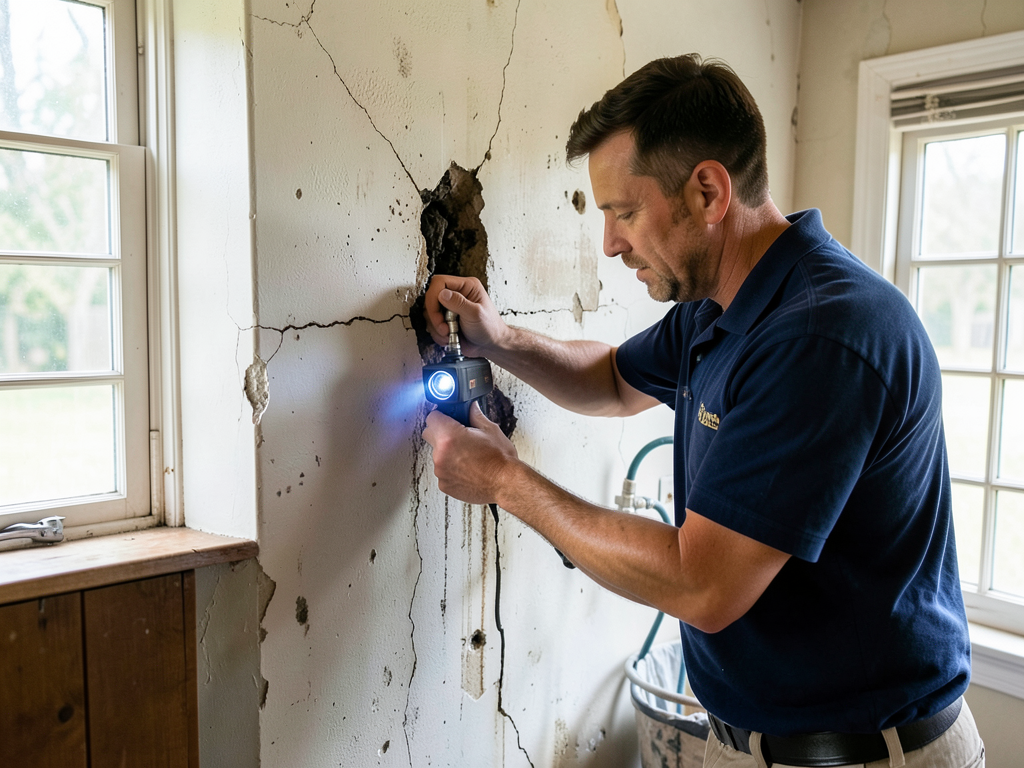
Charlotte sits on Piedmont clay soil that expands during wet periods and contracts during drought cycles. This seasonal movement stresses underground water mains and sewer laterals connecting apartment buildings to municipal infrastructure. Properties built before 2000 often used rigid cast iron and clay pipe that cracks under this ground movement, creating root intrusion points and eventual line failure. The problem concentrates in older garden complexes along Providence Road, Sharon Amity, and Central Avenue where original infrastructure predates modern flexible pipe standards. Multi-family properties require periodic video inspection of underground lines to catch deterioration before catastrophic failure floods parking areas or basements.
Charlotte Water sources from Lake Norman and Mountain Island Lake, both limestone-influenced reservoirs that produce moderately hard water. This mineral content deposits scale inside water heaters, reducing efficiency and shortening service life in commercial units serving multiple apartments. High-rise buildings in Uptown experience accelerated scale buildup in upper-floor fixtures due to pressure-boosting systems that increase water temperature. Property managers who implement scheduled water heater maintenance and install scale-prevention systems extend equipment life and reduce the emergency replacements that disrupt tenant satisfaction. Local expertise matters because Charlotte's specific water chemistry requires different treatment approaches than coastal or mountain regions of North Carolina.