
Common plumbing surprises found during home inspections in Cherry and Elizabeth
Home inspections in Charlotte’s Cherry and Elizabeth neighborhoods often reveal plumbing issues that catch buyers off guard. These historic areas feature homes built in the early 1900s through the 1960s each with unique plumbing systems that have aged differently based on water quality soil conditions and previous maintenance. Charlotte Water.
Buyers frequently discover problems ranging from outdated materials to hidden leaks that weren’t apparent during initial walkthroughs. Understanding these common surprises helps you prepare for negotiations and avoid unexpected costs after closing. Common Sewer Line Issues for Historic Dilworth Properties and How to Fix Them.
Most common plumbing surprises in Cherry and Elizabeth homes
Historic homes in these Charlotte neighborhoods share several plumbing characteristics that create predictable inspection findings. The combination of aging infrastructure and local environmental factors contributes to specific failure patterns.
Galvanized steel pipes throughout older homes
Many Cherry and Elizabeth homes built before 1960 contain galvanized steel water supply lines. These pipes corrode from the inside out creating reduced water pressure and discolored water. The corrosion process typically accelerates after 40-50 years making homes from this era particularly vulnerable. Is a Tankless Water Heater Worth It for Your Ballantyne Home?.
Galvanized pipes appear as silver-gray metal with threaded connections. When tapped they produce a distinct metallic sound compared to modern copper or PEX piping. Water flowing through corroded sections often carries rust particles creating brown or yellow discoloration that worsens over time. Signs You Need a Main Water Line Replacement in Pineville.
Polybutylene piping in mid-century homes
Homes built between 1978 and 1995 in Cherry and Elizabeth may contain polybutylene (Quest) piping a flexible gray plastic that was popular during this construction boom. This material reacts with chlorine in municipal water supplies causing it to become brittle and fail without warning.. Read more about Troubleshooting a gas water heater that keeps shutting off in your Huntersville home.
Polybutylene pipes typically have copper or plastic fittings and may be labeled with “PB2110” markings. The pipes often fail at fittings first creating slow leaks that damage walls and floors before becoming visible. Insurance companies frequently refuse coverage for homes with active polybutylene systems.
Clay sewer lines under older properties
Many Cherry and Elizabeth homes still use original clay sewer lines that connect to Charlotte Water’s municipal system. These pipes installed in the early 1900s consist of short sections joined together. Over decades soil shifting and tree root intrusion create separations between pipe sections.
Clay pipes typically appear as terra cotta sections with bell-and-spigot connections. Tree roots from mature oaks and maples common in these neighborhoods often penetrate joints creating blockages that cause sewage backups. The pipes may also collapse under soil pressure requiring complete replacement.
Missing or inadequate cleanouts
Older homes often lack proper cleanout access points for sewer line maintenance. Without cleanouts plumbers cannot effectively clear blockages or inspect lines with cameras. Some homes have only one cleanout while modern standards require cleanouts at multiple locations.
Cleanouts typically appear as 4-inch diameter pipes with threaded caps extending above ground level near the foundation. Missing cleanouts force technicians to remove toilets or access lines through roof vents increasing service costs and complicating emergency repairs. Professional Toilet Repair and Installation Services in Matthews.
Hidden problems that surprise buyers
Beyond the obvious plumbing materials several hidden issues frequently appear during Cherry and Elizabeth home inspections. These problems often require specialized testing to detect. Hidden Slab Leak Detection for Homeowners in South Park.
Slab leaks in homes with concrete foundations
Many Cherry and Elizabeth homes built after 1950 have concrete slab foundations with embedded water lines. These pipes can develop pinhole leaks from corrosion or soil movement creating water damage beneath flooring before becoming visible.
Slab leaks often manifest as warm spots on floors unexplained increases in water bills or the sound of running water when all fixtures are off. Moisture meters and acoustic leak detection equipment help locate these hidden failures. Repair typically requires breaking through concrete to access damaged pipes.
Cross-connection violations
Older homes may have cross-connections between potable water systems and potential contamination sources. Common violations include garden hose connections without vacuum breakers improper water softener drain connections or laundry sink setups that could siphon contaminated water back into the supply.
Cross-connections violate North Carolina plumbing code requirements and create health hazards. Testing involves checking pressure differentials and inspecting fixture connections. Repairs typically require installing approved backflow prevention devices at each violation point. North Carolina plumbing code.
Improper water heater installations
Many Cherry and Elizabeth homes have outdated water heater setups that fail current code requirements. Common issues include missing temperature-pressure relief valve extensions inadequate combustion air for gas units or lack of earthquake strapping in homes with gas water heaters.
Current North Carolina plumbing code requires temperature-pressure relief valves to extend within 6 inches of the floor or drain to an approved location. Gas water heaters need proper venting and adequate clearance from combustible materials. These requirements ensure safety but may necessitate upgrades during home sales.
Environmental factors affecting Cherry and Elizabeth plumbing
The local environment creates specific challenges for plumbing systems in these Charlotte neighborhoods. Understanding these factors helps explain why certain problems occur more frequently here than in other areas.
Red clay soil expansion and contraction
Mecklenburg County’s red clay soil expands when wet and contracts during dry periods. This movement exerts pressure on underground pipes causing joints to separate and creating stress points that lead to leaks. The effect is particularly pronounced in Cherry and Elizabeth where mature trees increase soil moisture variation.
Clay soil movement typically causes lateral pipe shifting of 1-3 inches annually. Over decades this movement creates enough stress to break pipe joints or cause complete separations. Signs include recurring blockages slow drains or sewage odors near cleanouts.
Hard water mineral buildup
Charlotte’s water supply contains moderate hardness levels creating mineral scale inside pipes and water heaters. This buildup reduces pipe diameter over time decreasing water pressure and efficiency. Scale accumulation accelerates in homes with galvanized pipes due to their rough interior surfaces.
Hard water scale appears as white or off-white deposits on faucet aerators and showerheads. Inside pipes scale reduces flow capacity by 30-50% over 20-30 years. Water heaters with scale buildup require more energy to heat water and have shorter lifespans.
Tree root intrusion from mature landscaping
Cherry and Elizabeth feature mature oak maple and poplar trees planted in the early 1900s. These trees send roots seeking water and nutrients often finding sewer lines through small pipe joint gaps. Roots grow into pipes creating blockages that trap debris and cause backups.
Tree root intrusion typically begins within 10-15 feet of large trees. Roots enter through pipe joints growing to fill 50-80% of pipe diameter within 5-10 years. Professional root removal requires specialized cutting equipment and damaged pipes need repair or replacement to prevent recurrence.
Cost implications of common plumbing issues
Understanding repair costs helps buyers evaluate inspection findings and negotiate effectively. Prices vary based on accessibility pipe material and repair methods.
| Plumbing Issue | Typical Repair Cost Range | Urgency Level |
|---|---|---|
| Galvanized pipe replacement | $3,000 – $8,000 | Medium |
| Polybutylene replacement | $4,000 – $10,000 | High |
| Sewer line replacement (clay) | $3,000 – $12,000 | High |
| Slab leak repair | $1,500 – $5,000 | High |
| Cleanout installation | $500 – $1,500 | Low |
| Cross-connection correction | $200 – $1,000 | Medium |
Repair costs depend on factors like pipe accessibility local labor rates and whether trenching is required. Homes with finished basements or landscaped yards typically face higher repair costs due to demolition and restoration needs.
Inspection recommendations for Cherry and Elizabeth buyers
Standard home inspections often miss critical plumbing issues in historic homes. Additional testing provides better protection for buyers making significant investments.
Sewer scope inspection
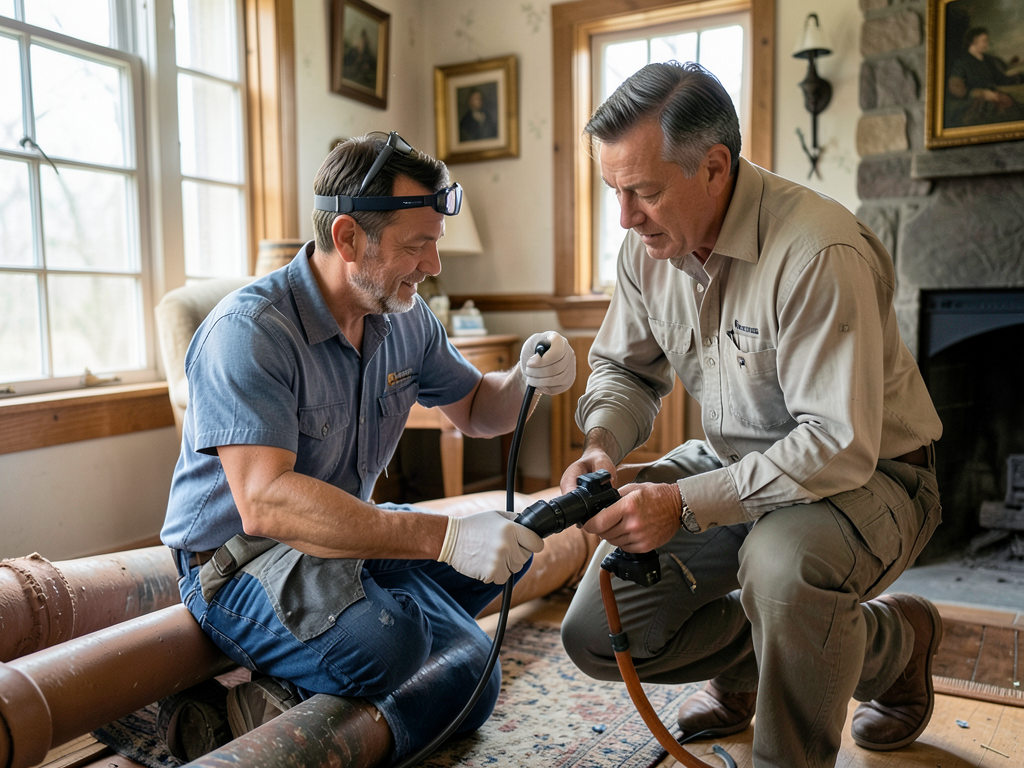
Every Cherry and Elizabeth home should undergo sewer camera inspection before purchase. This test reveals pipe condition blockages and root intrusion that aren’t visible through standard inspection methods. The camera shows pipe diameter joint conditions and potential failure points.. Read more about Why you should never flush “flushable” wipes down your toilet in Matthews.
Sewer scopes typically cost $250-400 and provide video documentation of pipe condition. Findings help buyers negotiate repairs or price adjustments before closing. Homes built before 1970 particularly benefit from this testing due to higher likelihood of clay or cast iron sewer lines.
Water pressure and quality testing
Testing water pressure and quality identifies issues that affect daily use and appliance longevity. Low pressure may indicate galvanized pipe corrosion while poor water quality suggests pipe deterioration or contamination sources.
Professional testing measures pressure at multiple fixtures checks for lead content and analyzes mineral content. Results help buyers understand potential filtration needs and pipe replacement timing. Homes with pressure below 40 PSI or visible water discoloration warrant further investigation.
Gas line inspection
Older homes may have outdated or damaged gas lines that create safety hazards. Professional inspection checks for proper venting leak detection and code compliance. Gas line issues can be fatal if left unaddressed.
Inspection includes checking visible gas lines for corrosion testing for leaks with specialized equipment and verifying proper appliance connections. Homes with original gas lines from the 1950s or earlier often need complete replacement to meet current safety standards.
Negotiation strategies for plumbing findings
Plumbing inspection findings provide leverage during home purchase negotiations. Understanding repair urgency and costs helps buyers make informed decisions about price adjustments or seller credits.
High-urgency issues like active leaks gas line problems or sewer line failures typically warrant price reductions or seller-paid repairs. Medium-urgency issues like galvanized pipes or missing cleanouts may result in seller credits for future repairs. Low-urgency items might be handled through buyer negotiations or accepted as-is.
Documentation from licensed plumbers strengthens negotiation positions. Professional repair estimates and code violation notices provide concrete evidence for price adjustments. Buyers should prioritize safety and structural issues over cosmetic concerns during negotiations.
Moving forward with confidence
Cherry and Elizabeth homes offer historic charm and established neighborhoods but their aging plumbing systems require careful evaluation. Understanding common issues and obtaining proper inspections protects your investment and prevents costly surprises after purchase.
Working with plumbers experienced in historic Charlotte homes provides valuable insights about local conditions and repair options. These specialists understand how red clay soil tree roots and aging materials interact to create specific failure patterns in these neighborhoods.
Don’t let plumbing surprises derail your home purchase. Proper inspection and planning turn potential problems into manageable repairs allowing you to enjoy your historic Charlotte home with confidence.
Frequently Asked Questions
What’s the most common plumbing surprise in Cherry and Elizabeth homes?
Galvanized steel water pipes are the most frequent surprise found in homes built before 1960. These pipes corrode internally reducing water pressure and causing discolored water often without visible external signs of deterioration.
How much does it cost to replace polybutylene piping?
Replacing polybutylene piping typically costs $4,000 to $10,000 depending on home size and accessibility. The cost varies based on whether pipes run through walls crawl spaces or slabs and whether fixtures need replacement during the process.. Read more about Replacing the heavy cast iron tub in your vintage Charlotte bathroom.
Should I get a sewer camera inspection before buying a home in these neighborhoods?
Yes sewer camera inspection is essential for Cherry and Elizabeth homes. The $250-400 cost reveals hidden problems like tree root intrusion pipe separations or collapses that could cost thousands to repair and aren’t visible during standard inspections.
What causes slab leaks in these historic homes?
Slab leaks result from pipe corrosion soil movement or manufacturing defects in copper pipes embedded in concrete foundations. Red clay soil expansion and contraction create stress on pipes while corrosion from water chemistry creates pinhole leaks over decades.
Are plumbing repairs in historic homes more expensive than in newer homes?
Yes repairs typically cost 20-50% more due to accessibility challenges older materials and compliance with current codes. Historic homes may require specialized techniques to preserve architectural features while updating plumbing systems to modern standards.
How do I know if my home has polybutylene pipes?
Polybutylene pipes are typically gray flexible plastic with copper or plastic fittings. Look for “PB2110” markings on the pipe surface. They were commonly used in homes built between 1978 and 1995 and often fail without warning due to chlorine degradation.
Call (980) 342-9933 for expert plumbing inspections in Cherry and Elizabeth. Our specialists understand the unique challenges of historic Charlotte homes and provide thorough assessments to protect your investment.
{
“@context”: “https://schema.org”,
“@type”: “BlogPosting”,
“headline”: “Common plumbing surprises found during home inspections in Cherry and Elizabeth”,
“description”: “Discover hidden plumbing issues in Charlotte’s historic Cherry and Elizabeth homes. Learn about galvanized pipes, clay sewer lines, and local repair costs.”,
“wordCount”: 2032,
“datePublished”: “2026-06-06T08:54:00.000Z”,
“dateModified”: “2026-06-06T08:54:00.000Z”,
“inLanguage”: “en-US”,
“mainEntityOfPage”: {
“@type”: “WebPage”,
“@id”: “https://keystoneplumbingcharlotte.com”
},
“publisher”: {
“@type”: “LocalBusiness”,
“name”: “Keystone Plumbing Charlotte”,
“url”: “https://keystoneplumbingcharlotte.com”
},
“author”: {
“@type”: “Organization”,
“name”: “Keystone Plumbing Charlotte”,
“url”: “https://keystoneplumbingcharlotte.com”
},
“image”: {
“@type”: “ImageObject”,
“url”: “https://keystoneplumbingcharlotte.com/wp-content/uploads/2026/03/common-plumbing-surprises-found-during-home-inspec-1.png”
}
}
{
“@context”: “https://schema.org”,
“@type”: “Plumber”,
“name”: “Keystone Plumbing Charlotte”,
“url”: “https://keystoneplumbingcharlotte.com”,
“address”: {
“@type”: “PostalAddress”,
“addressLocality”: “Charlotte”
},
“areaServed”: {
“@type”: “City”,
“name”: “Charlotte”
}
}
{
“@context”: “https://schema.org”,
“@type”: “FAQPage”,
“mainEntity”: [
{
“@type”: “Question”,
“name”: “What’s the most common plumbing surprise in Cherry and Elizabeth homes?”,
“acceptedAnswer”: {
“@type”: “Answer”,
“text”: “Galvanized steel water pipes are the most frequent surprise found in homes built before 1960. These pipes corrode internally reducing water pressure and causing discolored water often without visible external signs of deterioration.”
}
},
{
“@type”: “Question”,
“name”: “How much does it cost to replace polybutylene piping?”,
“acceptedAnswer”: {
“@type”: “Answer”,
“text”: “Replacing polybutylene piping typically costs $4,000 to $10,000 depending on home size and accessibility. The cost varies based on whether pipes run through walls crawl spaces or slabs and whether fixtures need replacement during the process.”
}
},
{
“@type”: “Question”,
“name”: “Should I get a sewer camera inspection before buying a home in these neighborhoods?”,
“acceptedAnswer”: {
“@type”: “Answer”,
“text”: “Yes sewer camera inspection is essential for Cherry and Elizabeth homes. The $250-400 cost reveals hidden problems like tree root intrusion pipe separations or collapses that could cost thousands to repair and aren’t visible during standard inspections.”
}
},
{
“@type”: “Question”,
“name”: “What causes slab leaks in these historic homes?”,
“acceptedAnswer”: {
“@type”: “Answer”,
“text”: “Slab leaks result from pipe corrosion soil movement or manufacturing defects in copper pipes embedded in concrete foundations. Red clay soil expansion and contraction create stress on pipes while corrosion from water chemistry creates pinhole leaks over decades.”
}
},
{
“@type”: “Question”,
“name”: “Are plumbing repairs in historic homes more expensive than in newer homes?”,
“acceptedAnswer”: {
“@type”: “Answer”,
“text”: “Yes repairs typically cost 20-50% more due to accessibility challenges older materials and compliance with current codes. Historic homes may require specialized techniques to preserve architectural features while updating plumbing systems to modern standards.”
}
},
{
“@type”: “Question”,
“name”: “How do I know if my home has polybutylene pipes?”,
“acceptedAnswer”: {
“@type”: “Answer”,
“text”: “Polybutylene pipes are typically gray flexible plastic with copper or plastic fittings. Look for \”PB2110\” markings on the pipe surface. They were commonly used in homes built between 1978 and 1995 and often fail without warning due to chlorine degradation.”
}
}
]
}
{
“@context”: “https://schema.org”,
“@type”: “BreadcrumbList”,
“itemListElement”: [
{
“@type”: “ListItem”,
“position”: 1,
“name”: “Home”,
“item”: “https://keystoneplumbingcharlotte.com”
},
{
“@type”: “ListItem”,
“position”: 2,
“name”: “Blog”,
“item”: “https://keystoneplumbingcharlotte.com/blog”
},
{
“@type”: “ListItem”,
“position”: 3,
“name”: “Common plumbing surprises found during home inspections in Cherry and Elizabeth”
}
]
}
{
“@context”: “https://schema.org”,
“@type”: “Service”,
“serviceType”: “Plumbing”,
“provider”: {
“@type”: “LocalBusiness”,
“name”: “Keystone Plumbing Charlotte”,
“url”: “https://keystoneplumbingcharlotte.com”
},
“areaServed”: {
“@type”: “City”,
“name”: “Charlotte”
},
“description”: “Discover hidden plumbing issues in Charlotte’s historic Cherry and Elizabeth homes. Learn about galvanized pipes, clay sewer lines, and local repair costs.”
}