
Dealing with a clogged AC condensate line that is leaking into your Cotswold home
Water pooling under your AC unit or dripping from the ceiling is more than an inconvenience in Cotswold homes. Charlotte’s high summer humidity creates perfect conditions for algae and biofilm to grow inside condensate drain lines. When that growth blocks the pipe, water backs up into your home instead of flowing outside. This is a plumbing issue that can cause serious damage if ignored. Is a Tankless Water Heater Worth It for Your Ballantyne Home?.
Before you call an HVAC technician, understand that the condensate line connects directly to your home’s drain-waste-vent system. A licensed plumber can clear the blockage and ensure proper drainage while checking for potential cross-contamination. The sooner you address it, the less likely you are to face mold growth in your attic or crawlspace.
5 signs your AC drain line is clogged
Recognizing the early warning signs can save you from costly repairs. Here are the most common indicators that your condensate line needs attention: Signs You Need a Main Water Line Replacement in Pineville.
- Water in the secondary drain pan – Most AC units have a primary and secondary drain pan. If the primary line is clogged, water will overflow into the secondary pan, which often has a float switch to shut off the system.
- Musty odors near vents – Standing water in the drain pan creates a breeding ground for mold and mildew, producing a damp, earthy smell.
- AC unit shuts off unexpectedly – The float switch in the secondary pan trips when water reaches a certain level, cutting power to prevent flooding.
- Visible water stains on ceiling or walls – Water can travel along supply lines or through drywall before becoming visible, especially in finished attics common in Cotswold homes.
- Gurgling or bubbling sounds – Air trapped in the blocked line can create unusual noises when the system runs.
Step-by-step: How to clear a minor condensate line clog
If you catch the clog early, you can try clearing it yourself. Always turn off the AC power at the breaker before attempting any work.
- Locate the drain line access point
Find the white PVC pipe near your indoor air handler. It should have a T-shaped vent with a cap.
- Attach a wet/dry vacuum
Remove the cap and seal the vacuum hose over the opening with duct tape. Run the vacuum for 2-3 minutes to pull out the clog.
- Flush with vinegar solution
Pour a cup of distilled white vinegar into the line and let it sit for 30 minutes. Vinegar kills algae and dissolves mineral buildup.
- Rinse with warm water
After the vinegar treatment, flush the line with a cup of warm water to clear remaining debris.
- Test the system
Restore power and run the AC. Check that water flows freely from the outdoor drain line.
Safety warning: If you see standing water in the secondary pan or the AC won’t turn on, skip the DIY steps. The float switch is doing its job to prevent flooding. Call a professional immediately.
Why AC condensate lines are a plumbing issue
Many homeowners are surprised to learn that clearing a clogged AC drain line falls under plumbing jurisdiction. Here’s why: Plumbing Mint Hill.
The condensate line doesn’t just drain water outside. It connects to your home’s drain-waste-vent (DWV) system, which is governed by the North Carolina State Plumbing Code. This code requires proper trap installation to prevent sewer gases from backing up into your HVAC system. North Carolina Department of Insurance.
According to the North Carolina Plumbing Code Section 312, condensate drains must:
- Have a proper P-trap to maintain the water seal
- Connect to an approved receptor (floor drain, laundry sink, or condensate pump)
- Be properly sized (typically 3/4″ PVC) to handle peak condensate flow
A plumber has the tools and expertise to clear the line while ensuring code compliance. They can also inspect the trap and connections for potential cross-contamination issues that could affect your indoor air quality.
Charlotte-specific maintenance schedule
Cotswold’s proximity to Uptown Charlotte and its mix of mid-century and newer construction creates unique maintenance needs. Charlotte’s climate means your AC runs nearly year-round, with peak strain from June through September.
Pre-summer prep (April-May): Have your condensate line professionally flushed and inspected before the heavy cooling season begins. This timing prevents emergency calls during July heat waves when plumbers are busiest.
Monthly vinegar flush: During cooling season, pour 1 cup of distilled white vinegar into the drain line access every 30 days. This prevents algae buildup common in Charlotte’s humid conditions.
Post-hurricane season check (November): Charlotte can experience tropical moisture from Gulf systems. After the season, inspect your line for any debris that may have entered during heavy rains.
Professional condensate line clearing methods
When DIY methods fail or you want guaranteed results, professional plumbers use specialized equipment: Professional Toilet Repair and Installation Services in Matthews.
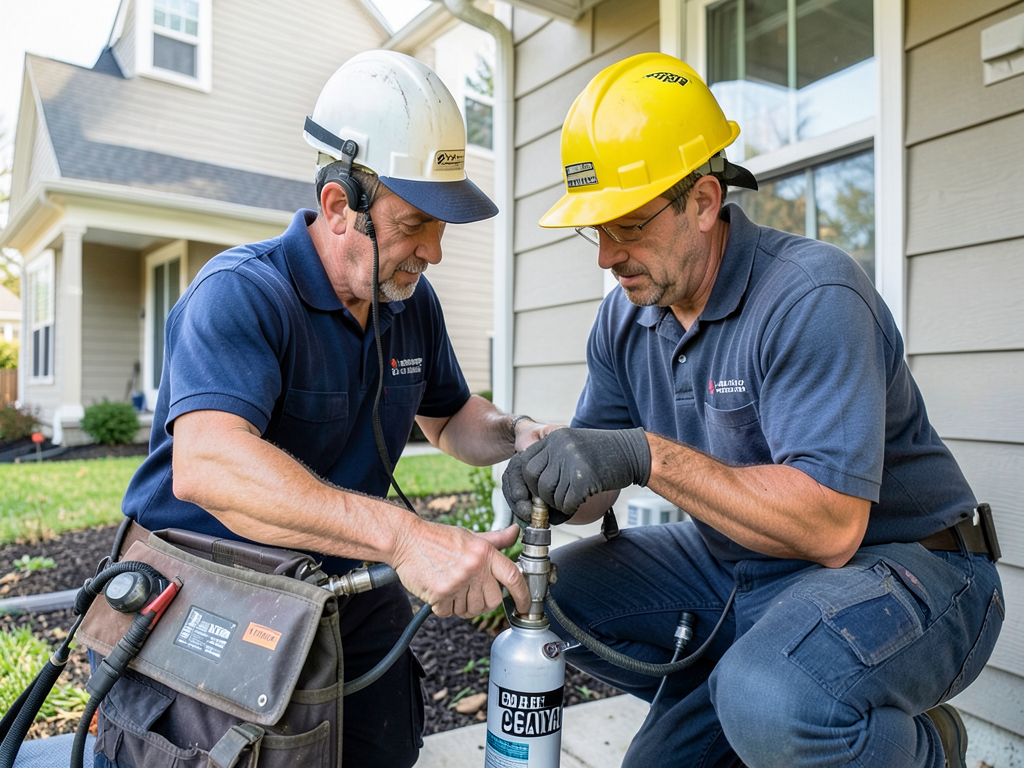
CO2 blowout: A CO2 cartridge forces high-pressure gas through the line, breaking up stubborn clogs without damaging pipes. This method is particularly effective for lines with significant algae buildup.
Mechanical snaking: A flexible cable with a cutting head navigates the PVC pipe, scraping away biofilm and mineral deposits. This works well for lines with years of buildup.
Hydro jetting: For severe clogs, a plumber may use pressurized water (typically 1,500-2,000 PSI) to scour the entire line. This restores full flow capacity.
Camera inspection: Before clearing, many plumbers now use small cameras to locate the exact clog position and assess pipe condition. This prevents unnecessary damage to walls or ceilings during access.
Potential for structural water damage in NC homes
Cotswold homes, like many in Charlotte’s older neighborhoods, often have finished attics or bonus rooms where air handlers are located. When a condensate line fails in these spaces, the damage can be extensive:
Wood rot in roof trusses: Continuous moisture exposure weakens structural members, particularly in homes with limited attic ventilation common in older Cotswold construction.
Drywall deterioration: Water-damaged drywall loses structural integrity and becomes a mold growth substrate. In homes with cathedral ceilings, this can affect expensive finishes.
Insulation damage: Wet insulation loses R-value and can harbor mold spores. In crawlspaces under Cotswold bungalows, this creates long-term moisture problems.
Electrical hazards: Water contacting junction boxes or wiring creates shock and fire risks. The secondary drain pan’s float switch exists specifically to prevent this scenario.
The North Carolina Department of Insurance reports that water damage claims related to HVAC systems have increased 15% over the past five years, with most incidents occurring during peak cooling months.
Frequently Asked Questions
Does home insurance cover AC water damage?
Most standard policies cover sudden, accidental water damage but not damage from neglected maintenance. If the clog resulted from lack of regular cleaning, your claim might be denied. Always document your maintenance efforts.
How much does a plumber charge to clear a condensate line in Charlotte?
Professional clearing typically costs between $150-$300 in the Charlotte metro area, depending on clog severity and whether camera inspection is needed. Emergency calls during peak summer hours may cost more.
Can a clogged condensate line cause mold in my home?
Yes. Standing water in the drain pan or secondary pan creates ideal conditions for mold growth within 24-48 hours. The mold can spread through your HVAC system, affecting indoor air quality throughout your home.
How often should I have my condensate line professionally cleaned?
Annual professional cleaning is recommended for most Charlotte homes. If you have multiple pets, live in a wooded area, or notice frequent clogs, consider bi-annual service.
Is it safe to use bleach instead of vinegar to clean the line?
No. Bleach can damage PVC pipes and create harmful fumes when mixed with other substances in your drain system. Stick to distilled white vinegar or products specifically designed for condensate lines.
Protect your Cotswold home from water damage
Don’t wait until you’re dealing with ceiling stains or a non-functioning AC. A clogged condensate line is a plumbing issue that requires prompt attention to prevent structural damage and maintain healthy indoor air quality.
Call (980) 342-9933 today to schedule your condensate line inspection and cleaning. Our licensed Charlotte plumbers can clear your line, check for code compliance, and help you avoid the costly repairs that come from ignored AC drainage problems. Gas Line Repair & Installation.
Pick up the phone and call (980) 342-9933 before the next storm hits. Charlotte’s humidity won’t wait, and neither should you when it comes to protecting your home from water damage.
{
“@context”: “https://schema.org”,
“@type”: “BlogPosting”,
“headline”: “Dealing with a clogged AC condensate line that is leaking into your Cotswold home”,
“description”: “Water leaking from your AC? Learn why Cotswold homes face condensate line clogs from high humidity and how to fix it before mold damage spreads.”,
“wordCount”: 1424,
“datePublished”: “2026-06-05T10:28:00.000Z”,
“dateModified”: “2026-06-05T10:28:00.000Z”,
“inLanguage”: “en-US”,
“mainEntityOfPage”: {
“@type”: “WebPage”,
“@id”: “https://keystoneplumbingcharlotte.com”
},
“publisher”: {
“@type”: “LocalBusiness”,
“name”: “Keystone Plumbing Charlotte”,
“url”: “https://keystoneplumbingcharlotte.com”
},
“author”: {
“@type”: “Organization”,
“name”: “Keystone Plumbing Charlotte”,
“url”: “https://keystoneplumbingcharlotte.com”
},
“image”: {
“@type”: “ImageObject”,
“url”: “https://keystoneplumbingcharlotte.com/wp-content/uploads/2026/03/dealing-with-a-clogged-ac-condensate-line-that-is-1.png”
}
}
{
“@context”: “https://schema.org”,
“@type”: “Plumber”,
“name”: “Keystone Plumbing Charlotte”,
“url”: “https://keystoneplumbingcharlotte.com”,
“address”: {
“@type”: “PostalAddress”,
“addressLocality”: “Charlotte”
},
“areaServed”: {
“@type”: “City”,
“name”: “Charlotte”
}
}
{
“@context”: “https://schema.org”,
“@type”: “FAQPage”,
“mainEntity”: [
{
“@type”: “Question”,
“name”: “Does home insurance cover AC water damage?”,
“acceptedAnswer”: {
“@type”: “Answer”,
“text”: “Most standard policies cover sudden, accidental water damage but not damage from neglected maintenance. If the clog resulted from lack of regular cleaning, your claim might be denied. Always document your maintenance efforts.”
}
},
{
“@type”: “Question”,
“name”: “How much does a plumber charge to clear a condensate line in Charlotte?”,
“acceptedAnswer”: {
“@type”: “Answer”,
“text”: “Professional clearing typically costs between $150-$300 in the Charlotte metro area, depending on clog severity and whether camera inspection is needed. Emergency calls during peak summer hours may cost more.”
}
},
{
“@type”: “Question”,
“name”: “Can a clogged condensate line cause mold in my home?”,
“acceptedAnswer”: {
“@type”: “Answer”,
“text”: “Yes. Standing water in the drain pan or secondary pan creates ideal conditions for mold growth within 24-48 hours. The mold can spread through your HVAC system, affecting indoor air quality throughout your home.”
}
},
{
“@type”: “Question”,
“name”: “How often should I have my condensate line professionally cleaned?”,
“acceptedAnswer”: {
“@type”: “Answer”,
“text”: “Annual professional cleaning is recommended for most Charlotte homes. If you have multiple pets, live in a wooded area, or notice frequent clogs, consider bi-annual service.”
}
},
{
“@type”: “Question”,
“name”: “Is it safe to use bleach instead of vinegar to clean the line?”,
“acceptedAnswer”: {
“@type”: “Answer”,
“text”: “No. Bleach can damage PVC pipes and create harmful fumes when mixed with other substances in your drain system. Stick to distilled white vinegar or products specifically designed for condensate lines.”
}
}
]
}
{
“@context”: “https://schema.org”,
“@type”: “HowTo”,
“name”: “How to Clear AC Condensate Line”,
“step”: [
{
“@type”: “HowToStep”,
“position”: 1,
“name”: “Locate the drain line access point”,
“text”: “Find the white PVC pipe near your indoor air handler. It should have a T-shaped vent with a cap.”
},
{
“@type”: “HowToStep”,
“position”: 2,
“name”: “Attach a wet/dry vacuum”,
“text”: “Remove the cap and seal the vacuum hose over the opening with duct tape. Run the vacuum for 2-3 minutes to pull out the clog.”
},
{
“@type”: “HowToStep”,
“position”: 3,
“name”: “Flush with vinegar solution”,
“text”: “Pour a cup of distilled white vinegar into the line and let it sit for 30 minutes. Vinegar kills algae and dissolves mineral buildup.”
},
{
“@type”: “HowToStep”,
“position”: 4,
“name”: “Rinse with warm water”,
“text”: “After the vinegar treatment, flush the line with a cup of warm water to clear remaining debris.”
},
{
“@type”: “HowToStep”,
“position”: 5,
“name”: “Test the system”,
“text”: “Restore power and run the AC. Check that water flows freely from the outdoor drain line.”
}
],
“image”: “https://keystoneplumbingcharlotte.com/wp-content/uploads/2026/03/dealing-with-a-clogged-ac-condensate-line-that-is-1.png”
}
{
“@context”: “https://schema.org”,
“@type”: “BreadcrumbList”,
“itemListElement”: [
{
“@type”: “ListItem”,
“position”: 1,
“name”: “Home”,
“item”: “https://keystoneplumbingcharlotte.com”
},
{
“@type”: “ListItem”,
“position”: 2,
“name”: “Blog”,
“item”: “https://keystoneplumbingcharlotte.com/blog”
},
{
“@type”: “ListItem”,
“position”: 3,
“name”: “Dealing with a clogged AC condensate line that is leaking into your Cotswold home”
}
]
}
{
“@context”: “https://schema.org”,
“@type”: “Service”,
“serviceType”: “Plumbing”,
“provider”: {
“@type”: “LocalBusiness”,
“name”: “Keystone Plumbing Charlotte”,
“url”: “https://keystoneplumbingcharlotte.com”
},
“areaServed”: {
“@type”: “City”,
“name”: “Charlotte”
},
“description”: “Water leaking from your AC? Learn why Cotswold homes face condensate line clogs from high humidity and how to fix it before mold damage spreads.”
}