
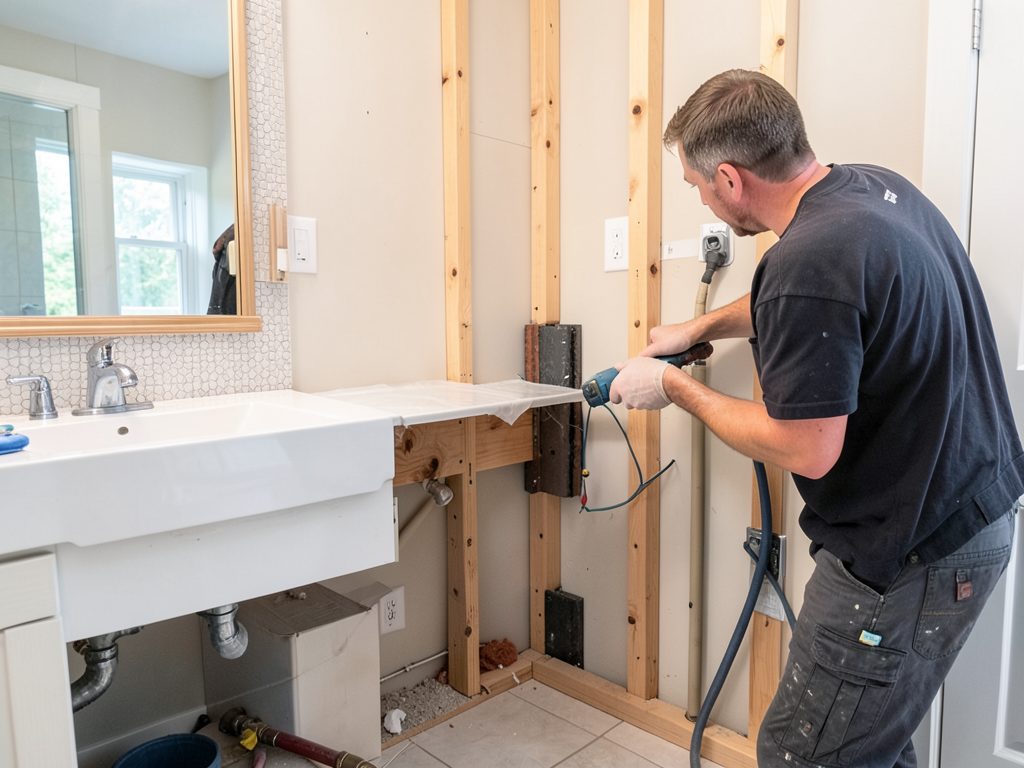
How to hide the plumbing for a modern floating vanity in your South End bathroom
Installing a floating vanity transforms your South End bathroom with clean lines and modern appeal, but the plumbing requires careful planning to keep pipes hidden and walls strong. In Charlotte’s humid climate and older South End homes, moisture management and code compliance become critical factors that most DIYers overlook. Hidden Slab Leak Detection for Homeowners in South Park.
The challenge starts with understanding that floating vanities need more than just supply lines and drains—they require reinforced wall framing to support countertop weight and proper venting to prevent sewer gases from entering your living space. Mecklenburg County plumbing permits often require professional installation when relocating existing fixtures or modifying drainage systems. Professional Toilet Repair and Installation Services in Matthews.
Before you begin, know that standard vanity heights won’t work. Wall-hung units typically need supply lines at 22-24 inches from the floor and drains positioned 18-20 inches high to accommodate the mounting brackets and provide proper clearance for P-traps or bottle traps.
The Unique Challenges of Floating Vanity Plumbing
Floating vanities create unique plumbing obstacles that standard floor-mounted units don’t face. The primary issue involves hiding supply lines and drains within wall cavities while maintaining proper drainage slope and venting. In South End’s older homes, many bathrooms were built with floor drains and supply lines positioned for traditional vanities, requiring complete rerouting for wall-hung installations.
Weight distribution presents another critical factor. A quartz countertop with a ceramic sink can weigh 150-200 pounds, plus the vanity cabinet weight. Without proper blocking between wall studs, the mounting hardware can pull out of drywall, causing catastrophic failure. Charlotte’s building inspectors specifically check for structural reinforcement in floating vanity installations.
Moisture management becomes more complex with wall-mounted units. Water splashing onto the floor can seep behind the vanity where traditional floor-mounted units would block moisture. This requires careful sealing and ventilation planning to prevent mold growth in wall cavities—a particular concern in South End’s humid climate where crawlspaces and bathrooms often experience elevated moisture levels. Is a Tankless Water Heater Worth It for Your Ballantyne Home?.
Call (980) 342-9933 today to schedule your inspection before you start demolition.
Standard Rough-in Dimensions for Charlotte Homes
Proper rough-in heights ensure your floating vanity functions correctly and meets Charlotte plumbing codes. Supply lines should be positioned 22-24 inches from the finished floor, centered horizontally based on your vanity width. This height allows for standard shut-off valves and provides adequate clearance for supply line connections.
Drain positioning requires more precision. The drain pipe should exit the wall at 18-20 inches from the floor, with a slight downward slope toward the main stack. This height accommodates most P-trap configurations while keeping the trap arm above the floor level. Bottle traps, which sit higher than traditional P-traps, may require drain heights of 20-22 inches.
Vent pipe placement proves equally important. Every drain must connect to a vent that extends through the roof, preventing vacuum formation that can slow drainage or cause gurgling sounds. In South End’s older homes, vent stacks may need extension or modification to accommodate new vanity locations, especially if you’re moving fixtures from their original positions.
Supply line spacing typically follows 8-inch centers for most vanity widths, but always measure your specific vanity’s mounting bracket locations. The hot and cold lines must align with the faucet’s inlet connections, which vary by manufacturer. Most modern faucets use flexible supply lines that accommodate slight measurement variations.
Wall Reinforcement: The Step Most DIYers Miss
Wall reinforcement represents the most critical yet overlooked aspect of floating vanity installation. The mounting hardware alone cannot support the combined weight of the vanity, countertop, and contents. Without proper blocking, your beautiful new vanity could pull away from the wall within months, causing damage and potential injury.
Blocking involves installing horizontal 2×6 or 2×8 lumber between wall studs where the vanity mounting brackets will attach. For a standard 30-36 inch vanity, this typically means blocking at 16-inch centers horizontally and spanning the full width of the vanity mounting area vertically. The blocking must be secured with structural screws or nails that penetrate at least 1.5 inches into the studs.
Charlotte’s humid climate makes moisture-resistant blocking essential. Pressure-treated lumber or naturally rot-resistant wood like cedar prevents deterioration in bathroom environments. Some contractors use steel blocking channels for maximum strength and moisture resistance, particularly in South End’s older homes where wall cavities may contain moisture from adjacent rooms or crawlspaces.
The blocking installation must account for existing plumbing. Supply lines and drains need to pass through or around the blocking without creating stress points that could cause leaks. This often requires notching the blocking or using specialized plumbing access panels that allow future maintenance without removing the vanity.
NC Plumbing Code Compliance
North Carolina plumbing code requires permits for most vanity installations that involve moving supply lines, drains, or vents. Mecklenburg County plumbing inspectors specifically check floating vanity installations for proper venting, drainage slope, and structural support. DIY installations without permits can result in fines and required rework if discovered during home inspections.
Ventilation requirements follow strict guidelines. Every drain must connect to a vent that extends through the roof, with minimum pipe sizes based on fixture units. For a bathroom vanity, this typically means a 1.5-inch vent pipe, though some installations require 2-inch vents depending on the total drainage load and distance from the main stack.
Water hammer arrestors may be required for quick-closing valves common in modern faucets. These devices prevent the banging sounds that occur when water flow suddenly stops, protecting your plumbing system from pressure surges that can damage supply lines and valves over time. Signs You Need a Main Water Line Replacement in Pineville.
Cross-connection prevention becomes critical when supply lines pass through wall cavities. Backflow preventers may be required if your home has a history of pressure fluctuations or if the vanity installation creates potential contamination points. Charlotte Water’s cross-connection control program specifically addresses these concerns in residential renovations.
North Carolina Plumbing Code requirements include specific provisions for wall-hung fixtures that ensure long-term safety and functionality.
Our Charlotte Installation Process
Professional floating vanity installation follows a systematic approach that ensures code compliance and long-term durability. The process begins with detailed measurements and wall cavity inspection to identify existing plumbing locations, electrical wiring, and structural elements that could impact the installation.
Wall preparation involves cutting access panels to expose existing plumbing, then modifying supply lines and drains as needed. This may include extending vent pipes, installing new shut-off valves, or adding cleanouts for future maintenance. All modifications must maintain proper slope and venting to prevent drainage issues. EPA WaterSense bathroom fixtures.
Blocking installation follows plumbing modifications. The blocking must be precisely positioned to align with the vanity’s mounting brackets, then securely fastened to prevent any movement. Moisture barriers are installed behind the blocking to protect wall cavities from potential leaks or condensation.
Supply line and drain installation requires careful measurement and cutting to ensure proper connections. Flexible supply lines accommodate slight measurement variations, but drain connections must be precise to prevent leaks. All connections are tested under pressure before final installation to identify and address any issues.
Final installation involves mounting the vanity to the blocking, connecting supply lines and drains, and testing all connections for leaks. The area around supply lines and drains is sealed with waterproof caulk to prevent moisture intrusion. Escutcheon plates cover any visible gaps around supply lines for a finished appearance.
Aesthetic Plumbing Solutions for Exposed Pipes
Even with proper wall preparation, some plumbing components may remain visible in floating vanity installations. Bottle traps offer an attractive alternative to traditional P-traps, sitting higher in the cabinet and often featuring decorative finishes that complement modern fixtures. Chrome, brushed nickel, and matte black bottle traps can become design features rather than eyesores.
Supply line covers provide another solution for visible plumbing. These decorative sleeves slide over standard supply lines, creating a unified appearance that matches your faucet finish. Some covers feature integrated shut-off valves for easy maintenance access without compromising aesthetics.
Custom cabinetry solutions can hide plumbing while maintaining the floating appearance. False backs or recessed compartments create space for supply lines and drains while keeping the vanity’s front profile clean and modern. This approach works particularly well in South End’s luxury homes where every design detail matters.
Lighting integration can draw attention away from visible plumbing. Under-cabinet LED strips create a floating effect that makes plumbing components less noticeable. Some designers incorporate the plumbing path into the overall lighting design, using illuminated channels to highlight the vanity’s modern features.
Cost Factors for Professional Installation
Professional floating vanity installation costs vary based on several factors specific to your South End bathroom. Basic installations with existing plumbing in good condition typically range from $800-$1,500, while complex installations requiring extensive plumbing modifications can exceed $2,500.
Plumbing modification costs depend on the extent of changes needed. Moving supply lines or drains adds $300-$600 per line, while vent pipe modifications can cost $400-$800 depending on accessibility and roof penetration requirements. Charlotte’s older homes often require more extensive modifications due to outdated plumbing configurations.
Structural reinforcement represents a significant cost factor. Basic blocking installation adds $200-$400, but complex installations requiring steel channels or extensive framing modifications can exceed $800. The cost increases if your walls contain unusual construction methods common in South End’s historic properties. Common Sewer Line Issues for Historic Dilworth Properties and How to Fix Them.
Permit fees for Mecklenburg County plumbing work typically range from $75-$150, though additional inspection fees may apply. Professional plumbers handle permit acquisition and scheduling, ensuring your installation meets all local requirements without delays or complications.
Common Mistakes to Avoid
Skipping wall reinforcement ranks as the most dangerous mistake in floating vanity installation. Even high-quality mounting hardware cannot compensate for inadequate structural support. The resulting failure can damage your wall, vanity, and floor while creating safety hazards for your family.
Incorrect drain slope causes slow drainage and potential backups. The drain must maintain a minimum 1/4-inch per foot slope toward the main stack. Improper slope leads to standing water in traps, gurgling sounds, and eventual complete blockages that require extensive repairs.
Ignoring ventilation requirements creates persistent drainage problems. Every drain needs proper venting to prevent vacuum formation that can slow water flow or cause sewer gases to enter your home. DIY installations often overlook this critical requirement, leading to ongoing issues that professional diagnosis can be expensive to correct.
Using incorrect supply line sizes results in poor water pressure or flow issues. Modern faucets often require specific supply line diameters to function correctly. Undersized lines create weak flow, while oversized lines can cause water hammer and pressure fluctuations that damage valves and connections.
Maintenance and Troubleshooting
Regular maintenance prevents most floating vanity plumbing issues. Check supply line connections quarterly for signs of moisture or corrosion. Supply lines can deteriorate from the inside out, creating slow leaks that cause extensive damage before becoming visible.
Clean bottle traps regularly to prevent hair and debris accumulation. Unlike traditional P-traps, bottle traps have more complex internal passages that can trap debris and create slow drainage. Monthly cleaning with a bottle brush prevents most clogging issues.
Monitor wall areas around supply lines and drains for signs of moisture. Even small leaks can cause significant damage over time, particularly in South End’s humid climate where moisture problems can escalate quickly. Discoloration, peeling paint, or soft drywall indicate potential leaks requiring immediate attention.
Test shut-off valves annually by turning them fully closed and reopened. Valves that don’t operate smoothly or leak when closed need replacement. Emergency shut-off access becomes critical in floating vanity installations where supply lines may be less accessible than in traditional vanities.
Frequently Asked Questions
Can I install a floating vanity myself in my South End bathroom?
DIY installation is possible for experienced homeowners, but requires plumbing knowledge, carpentry skills, and understanding of local codes. Most floating vanity installations in Charlotte require permits and inspections, making professional installation the safer choice for most homeowners.
How much weight can a properly installed floating vanity support?
A properly installed floating vanity with adequate blocking can support 300-500 pounds, including the weight of the vanity, countertop, sink, and typical contents. The exact capacity depends on the mounting hardware quality and blocking installation method used.
Do I need a permit for floating vanity installation in Charlotte?
Permits are required when moving supply lines, drains, or vents, or when structural modifications are needed. Simple replacements using existing plumbing locations may not require permits, but always check with Mecklenburg County plumbing inspectors to ensure compliance.
What’s the difference between P-traps and bottle traps for floating vanities?
P-traps have a traditional U-shape and sit lower in the cabinet, while bottle traps have a more compact, cylindrical design that sits higher. Bottle traps often feature decorative finishes and work better for floating vanities where space and aesthetics are concerns.
How do I prevent moisture damage behind my floating vanity?
Proper sealing around supply lines and drains prevents moisture intrusion. Use waterproof caulk and consider installing a moisture barrier behind the vanity. Regular inspection for signs of moisture and prompt repair of any leaks prevents extensive damage in Charlotte’s humid climate.
Ready to Upgrade Your Bathroom?
Floating vanity installation requires expertise in plumbing, carpentry, and local building codes. Don’t risk water damage or code violations with DIY attempts that could cost thousands in repairs. Our Charlotte plumbers understand the unique challenges of South End homes and provide professional installation that lasts.
Pick up the phone and call (980) 342-9933 before the next storm hits. We’ll evaluate your bathroom, explain your options, and provide a detailed quote for professional floating vanity installation that meets all Mecklenburg County requirements. Your beautiful new bathroom deserves expert installation from start to finish.
Visit our website at https://keystoneplumbingcharlotte.com to learn more about our bathroom plumbing services and schedule your consultation today.
You may also find this helpful. Replacing the heavy cast iron tub in your vintage Charlotte bathroom.
{
“@context”: “https://schema.org”,
“@type”: “BlogPosting”,
“headline”: “How to hide the plumbing for a modern floating vanity in your South End bathroom”,
“description”: “Learn how to properly hide plumbing for floating vanities in South End bathrooms. Discover local Charlotte codes, structural requirements, and expert installation tips.”,
“wordCount”: 2325,
“datePublished”: “2026-06-02T13:52:00.000Z”,
“dateModified”: “2026-06-02T13:52:00.000Z”,
“inLanguage”: “en-US”,
“mainEntityOfPage”: {
“@type”: “WebPage”,
“@id”: “https://keystoneplumbingcharlotte.com”
},
“publisher”: {
“@type”: “LocalBusiness”,
“name”: “Keystone Plumbing Charlotte”,
“url”: “https://keystoneplumbingcharlotte.com”
},
“author”: {
“@type”: “Organization”,
“name”: “Keystone Plumbing Charlotte”,
“url”: “https://keystoneplumbingcharlotte.com”
},
“image”: {
“@type”: “ImageObject”,
“url”: “https://keystoneplumbingcharlotte.com/wp-content/uploads/2026/03/how-to-hide-the-plumbing-for-a-modern-floating-van-1.png”
}
}
{
“@context”: “https://schema.org”,
“@type”: “Plumber”,
“name”: “Keystone Plumbing Charlotte”,
“url”: “https://keystoneplumbingcharlotte.com”,
“address”: {
“@type”: “PostalAddress”,
“addressLocality”: “Charlotte”
},
“areaServed”: {
“@type”: “City”,
“name”: “Charlotte”
}
}
{
“@context”: “https://schema.org”,
“@type”: “FAQPage”,
“mainEntity”: [
{
“@type”: “Question”,
“name”: “Can I install a floating vanity myself in my South End bathroom?”,
“acceptedAnswer”: {
“@type”: “Answer”,
“text”: “DIY installation is possible for experienced homeowners, but requires plumbing knowledge, carpentry skills, and understanding of local codes. Most floating vanity installations in Charlotte require permits and inspections, making professional installation the safer choice for most homeowners.”
}
},
{
“@type”: “Question”,
“name”: “How much weight can a properly installed floating vanity support?”,
“acceptedAnswer”: {
“@type”: “Answer”,
“text”: “A properly installed floating vanity with adequate blocking can support 300-500 pounds, including the weight of the vanity, countertop, sink, and typical contents. The exact capacity depends on the mounting hardware quality and blocking installation method used.”
}
},
{
“@type”: “Question”,
“name”: “Do I need a permit for floating vanity installation in Charlotte?”,
“acceptedAnswer”: {
“@type”: “Answer”,
“text”: “Permits are required when moving supply lines, drains, or vents, or when structural modifications are needed. Simple replacements using existing plumbing locations may not require permits, but always check with Mecklenburg County plumbing inspectors to ensure compliance.”
}
},
{
“@type”: “Question”,
“name”: “What’s the difference between P-traps and bottle traps for floating vanities?”,
“acceptedAnswer”: {
“@type”: “Answer”,
“text”: “P-traps have a traditional U-shape and sit lower in the cabinet, while bottle traps have a more compact, cylindrical design that sits higher. Bottle traps often feature decorative finishes and work better for floating vanities where space and aesthetics are concerns.”
}
},
{
“@type”: “Question”,
“name”: “How do I prevent moisture damage behind my floating vanity?”,
“acceptedAnswer”: {
“@type”: “Answer”,
“text”: “Proper sealing around supply lines and drains prevents moisture intrusion. Use waterproof caulk and consider installing a moisture barrier behind the vanity. Regular inspection for signs of moisture and prompt repair of any leaks prevents extensive damage in Charlotte’s humid climate.”
}
},
{
“@type”: “Question”,
“name”: “Ready to Upgrade Your Bathroom?”,
“acceptedAnswer”: {
“@type”: “Answer”,
“text”: “Floating vanity installation requires expertise in plumbing, carpentry, and local building codes. Don’t risk water damage or code violations with DIY attempts that could cost thousands in repairs. Our Charlotte plumbers understand the unique challenges of South End homes and provide professional installation that lasts.”
}
}
]
}
{
“@context”: “https://schema.org”,
“@type”: “BreadcrumbList”,
“itemListElement”: [
{
“@type”: “ListItem”,
“position”: 1,
“name”: “Home”,
“item”: “https://keystoneplumbingcharlotte.com”
},
{
“@type”: “ListItem”,
“position”: 2,
“name”: “Blog”,
“item”: “https://keystoneplumbingcharlotte.com/blog”
},
{
“@type”: “ListItem”,
“position”: 3,
“name”: “How to hide the plumbing for a modern floating vanity in your South End bathroom”
}
]
}
{
“@context”: “https://schema.org”,
“@type”: “Service”,
“serviceType”: “Plumbing”,
“provider”: {
“@type”: “LocalBusiness”,
“name”: “Keystone Plumbing Charlotte”,
“url”: “https://keystoneplumbingcharlotte.com”
},
“areaServed”: {
“@type”: “City”,
“name”: “Charlotte”
},
“description”: “Learn how to properly hide plumbing for floating vanities in South End bathrooms. Discover local Charlotte codes, structural requirements, and expert installation tips.”
}