
Moving Plumbing for a Basement Bathroom Finish in Your Harrisburg Home
Moving plumbing for a basement bathroom in Harrisburg requires understanding local codes, soil conditions, and proper drainage systems. Harrisburg’s location in the Susquehanna Valley means many homes sit on clay-heavy soil with high water tables, creating unique challenges for below-grade plumbing. This guide walks you through the essential steps, code requirements, and technical considerations for a successful basement bathroom rough-in. Harrisburg Building Department.
Basement bathrooms require careful planning because waste must travel uphill to reach the main sewer line. Without gravity assistance, you’ll need a sewage ejector pump and proper venting to prevent sewer gas backup. Harrisburg’s older homes in neighborhoods like Shipoke and Midtown often have cast iron stacks that need special connection techniques, while newer developments in the West Shore may use PVC systems. Common Sewer Line Issues for Historic Dilworth Properties and How to Fix Them.
The rough-in phase is critical because once walls are closed and concrete is poured, making changes becomes expensive. You need to consider pipe slopes, vent locations, and pump sizing before any finish work begins. This article covers everything from permit requirements to final connections.
Understanding Harrisburg’s Basement Plumbing Requirements
Harrisburg’s building codes follow Pennsylvania’s Uniform Construction Code with local amendments. The City of Harrisburg requires permits for all basement plumbing work, including rough-in installations. You’ll need to submit detailed plans showing pipe locations, fixture types, and pump specifications.. Read more about How to Hide Ugly Exposed Plumbing in Your South End Loft.
Central Pennsylvania’s freeze-thaw cycles affect underground plumbing. Pipes buried less than 18 inches deep risk freezing, so basement plumbing must be properly insulated or installed below the frost line. Harrisburg’s clay soil also expands and contracts, potentially shifting pipes over time.
The city’s combined sewer system in older neighborhoods means basement drainage must handle both waste and stormwater. This affects pump sizing and backflow prevention requirements. Newer developments on the West Shore typically have separate systems, changing the design approach. EPA Sewer Systems Information.
Essential Components for Basement Bathroom Plumbing
A basement bathroom requires several specialized components that differ from above-grade installations. The most critical is the sewage ejector pump, which must handle solid waste and operate reliably during power outages. Harrisburg’s water table fluctuations mean you need a pump with adequate capacity. Is a Tankless Water Heater Worth It for Your Ballantyne Home?.
Drainage pipes in basements need specific slopes. While standard plumbing requires 1/4 inch per foot, basement drains often need 1/8 inch per foot due to limited vertical space. This slower slope requires larger diameter pipes to prevent clogs.
Venting becomes more complex below grade. You’ll need to tie into the main stack or install individual vents that extend above the roof. Harrisburg’s building code requires vents to be at least 6 inches above the roof surface to prevent snow blockage.
Step-by-Step Basement Plumbing Rough-In Process
- Planning and Permits
Obtain Harrisburg plumbing permits, submit plans to the Building Department, and schedule inspections. This typically takes 1-2 weeks.
- Locating Existing Utilities
Call PA One Call to mark underground utilities before any excavation. Harrisburg has aging gas and water lines that require careful navigation. Signs You Need a Main Water Line Replacement in Pineville.
- Breaking Concrete and Excavation
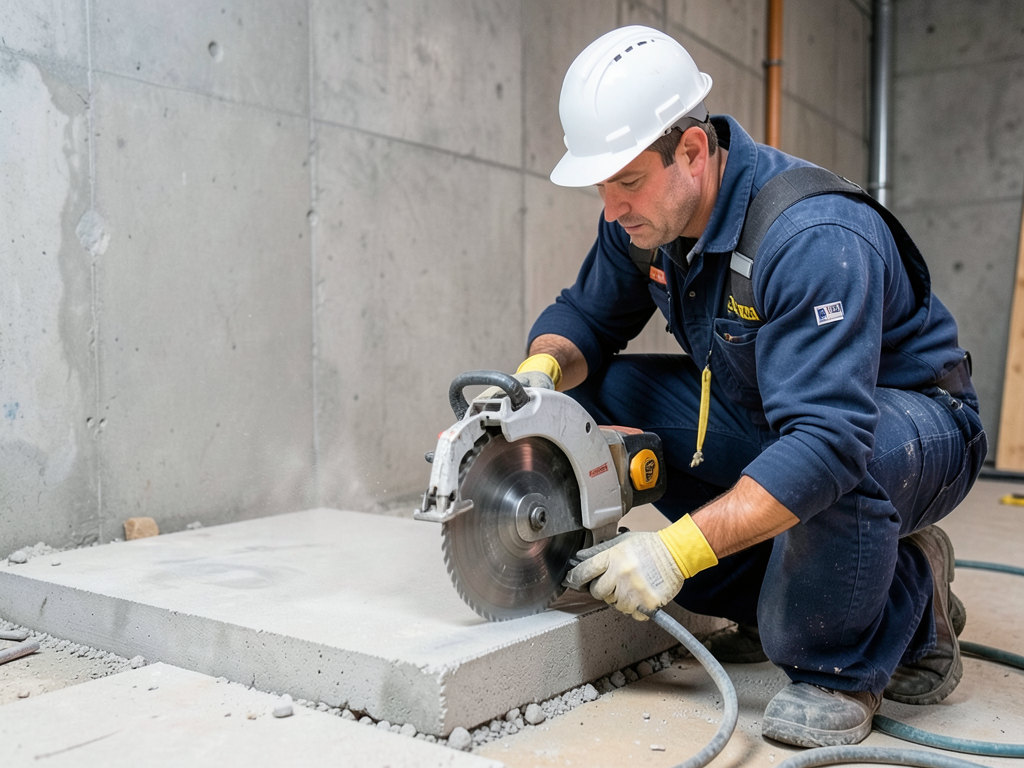
Cut concrete slabs using diamond blades, remove debris, and excavate trenches for pipes. Expect to remove 4-6 inches of concrete in work areas.
- Installing Drain Lines
Place PVC or cast iron pipes with proper slopes, install cleanouts at key points, and pressure test all connections before backfilling.
- Setting the Ejector Pump
Install the sewage basin, connect discharge pipes, and ensure proper electrical connections with GFCI protection.
- Water Supply Installation
Run PEX or copper supply lines, install shutoff valves, and pressure test the system.
- Final Inspection
Schedule rough-in inspection with Harrisburg inspectors before closing walls or pouring concrete.
Navigating Harrisburg Building Permits and Inspections
Harrisburg requires plumbing permits for basement bathroom installations. The permit process includes plan review, where inspectors verify your design meets code requirements. You’ll need to show pipe sizes, slopes, and pump specifications.
The city conducts multiple inspections. The rough-in inspection happens before walls are closed, checking pipe slopes, venting, and pump installation. A final inspection occurs after fixtures are installed but before use.
Permit fees vary based on project scope. A typical basement bathroom rough-in costs $150-300 in permit fees, plus additional fees for electrical work if required. The process takes 5-10 business days for initial review.
Harrisburg inspectors look for specific compliance items: proper backflow prevention, adequate venting, correct pipe materials for the application, and proper support for all plumbing components. They also verify that ejector pumps meet capacity requirements for the fixtures being served.
Choosing the Right Sewage Ejector Pump System
Sewage ejector pumps are essential for basement bathrooms because waste must travel uphill. Harrisburg’s variable water table means you need a pump with adequate horsepower and solid handling capability. A typical bathroom setup requires a 1/2 to 3/4 horsepower pump.. Read more about Upgrading Your Water Line for Better Shower Pressure in Myers Park.
Pump sizing depends on fixture units. A standard basement bathroom with toilet, sink, and shower equals approximately 5-6 fixture units, requiring a pump that can handle 30-40 gallons per minute. Larger setups with laundry or additional fixtures need bigger pumps. Professional Toilet Repair and Installation Services in Matthews.
Consider backup systems for Harrisburg’s occasional power outages. Battery backup pumps or water-powered alternatives provide protection during storms. The city’s aging electrical infrastructure makes backup systems particularly valuable in older neighborhoods.
Installation requires a properly sized basin. A 30-gallon basin works for most residential bathrooms, but larger households benefit from 40-50 gallon capacity. The basin must be vented to prevent pressure buildup and allow proper pump operation.
Common Basement Plumbing Mistakes to Avoid
Incorrect pipe slopes are the most frequent error. Basement drains need careful calculation because space constraints often limit vertical drop. Using too steep a slope can cause liquids to outrun solids, creating clogs.
Improper venting leads to sewer gas problems. Some homeowners skip vents to save money, but this violates code and creates health hazards. Harrisburg’s building code requires vents for all fixtures, even in basements.
Undersized ejector pumps cause frequent backups. Many homeowners choose pumps based on initial cost rather than capacity requirements. A pump that’s too small for your fixtures will fail repeatedly.
Ignoring local soil conditions leads to pipe movement. Harrisburg’s clay soil expands when wet and contracts when dry, potentially shifting pipes over time. Proper bedding and support prevent these problems.
Cost Factors for Basement Bathroom Plumbing in Harrisburg
Basement bathroom rough-in costs vary based on several factors. Simple installations with existing access might cost $2,000-3,000, while complex projects requiring extensive concrete cutting can reach $5,000-8,000.
Concrete cutting represents a significant cost factor. Harrisburg’s older homes often have thicker concrete slabs that require more time and specialized equipment to cut. Expect to pay $4-8 per square foot for concrete removal.
Pump system costs vary by capacity. Basic 1/2 horsepower pumps cost $400-600, while heavy-duty 3/4 horsepower units with battery backup run $800-1,200. Installation labor adds $300-500 to these costs.
Permit fees, inspections, and potential repairs to surrounding areas add to the total. Budget an additional 15-20% for these miscellaneous costs beyond the basic plumbing work. Gas Line Repair & Installation.
Materials and Code Compliance for Harrisburg Homes
Harrisburg follows Pennsylvania’s adoption of the International Plumbing Code with local amendments. PVC is the most common material for drain lines, but cast iron remains acceptable and sometimes required for certain applications.
Water supply lines in basements typically use PEX due to its flexibility and freeze resistance. Copper remains an option but costs more and requires more skill to install properly in confined spaces.
Backflow prevention devices are mandatory for basement plumbing. Harrisburg requires reduced pressure zone (RPZ) devices on main water lines serving basements with pumps or chemical systems.
Support requirements for basement plumbing are strict. Pipes must be properly secured every 4-6 feet to prevent movement and noise. Harrisburg inspectors check for adequate strapping and support during rough-in inspections.
Working with Existing Harrisburg Home Systems
Older Harrisburg homes present unique challenges. Many homes built before 1960 have cast iron drain stacks that require special connection techniques. These connections need proper transition fittings to prevent leaks.
Galvanized water pipes in older homes may need replacement when adding new fixtures. These pipes corrode internally, reducing water pressure and potentially contaminating new fixtures.
Electrical systems in older basements often need upgrading to handle pump requirements. Harrisburg’s electrical code requires GFCI protection for all basement outlets, including those serving pumps.
Foundation walls in Harrisburg’s historic districts may have restrictions on modifications. Always check with the Historic Preservation Board before cutting into exterior walls or making visible changes.
Final Connections and Testing Procedures
After rough-in inspection approval, you can proceed with final connections. This includes installing fixtures, connecting supply lines, and testing the entire system. Harrisburg requires a final inspection before use.
Pressure testing is mandatory. Supply lines must hold 60-80 PSI for 15 minutes without pressure drop. Drain lines require visual inspection and smoke testing to check for leaks and proper venting.
Pump testing involves running multiple fixtures simultaneously to verify capacity. The pump should handle peak loads without overflowing the basin or causing backups.
Check valve installation prevents backflow when the pump shuts off. These devices are critical for preventing sewer gas entry and protecting the pump from damage.
Maintenance and Troubleshooting for Basement Plumbing
Basement plumbing requires different maintenance than above-grade systems. Ejector pumps need annual cleaning and testing. Harrisburg’s hard water can cause mineral buildup, reducing pump efficiency over time.
Listen for unusual pump noises. Grinding sounds indicate worn bearings, while frequent cycling suggests the pump is undersized or the basin is too small. Address these issues promptly to prevent failures.
Check for proper drainage slopes periodically. Over time, soil movement or settling can affect pipe slopes, causing slow drains or frequent clogs. Minor adjustments may be needed every few years.
Backup power is essential for Harrisburg’s occasional storms. Test battery backups quarterly and replace batteries every 2-3 years to ensure reliable operation during outages.
Frequently Asked Questions
How long does basement bathroom plumbing rough-in take?
Most basement bathroom rough-ins take 2-4 days for the plumbing work itself. This includes excavation, pipe installation, pump setup, and initial testing. Additional time is needed for inspections and concrete curing.
Can I install a basement bathroom without an ejector pump?
Only if your sewer line enters the basement at a lower elevation than the fixtures. Most Harrisburg homes require ejector pumps because sewer lines typically exit near the foundation top. A plumber can verify your specific situation.
What size sewage ejector pump do I need?
A standard basement bathroom with toilet, sink, and shower needs a 1/2 to 3/4 horsepower pump. Add 1/4 horsepower for each additional bathroom or laundry connection. Your plumber will calculate exact requirements based on fixture units.
Are permits required for basement bathroom plumbing in Harrisburg?
Yes, Harrisburg requires permits for all basement bathroom plumbing work. This includes rough-in installation, fixture replacement, and pump installation. Work without permits can result in fines and complications when selling your home.
How much slope do basement drain pipes need?
Basement drain pipes typically need 1/8 inch per foot slope due to space constraints. This is less than standard above-grade plumbing but sufficient when combined with proper pipe sizing and venting.
What happens if my ejector pump fails?
Without a working ejector pump, waste cannot leave your basement fixtures. Most pumps have alarms that sound when water rises in the basin. Have a backup pump or portable pumping system ready for emergencies.
Can I finish my basement bathroom before plumbing inspection?
No, walls and fixtures must remain accessible for the rough-in inspection. Covering plumbing before approval can result in failed inspections and costly rework. Schedule inspections before final finishing work.
Ready to Start Your Basement Bathroom Project?
Moving plumbing for a basement bathroom in Harrisburg requires expertise in local codes, proper equipment selection, and careful installation techniques. Don’t risk costly mistakes or code violations by attempting this work yourself.
Our team understands Harrisburg’s specific requirements, from permit processes to soil conditions. We handle everything from initial planning through final inspection, ensuring your basement bathroom meets all code requirements and functions reliably for years to come.
Call (980) 342-9933 today to schedule your basement bathroom plumbing consultation. We’ll assess your specific situation, explain your options, and provide a detailed plan for your project. Don’t wait until problems arise – get professional help now for a successful basement bathroom installation.
{
“@context”: “https://schema.org”,
“@type”: “BlogPosting”,
“headline”: “Moving Plumbing for a Basement Bathroom Finish in Your Harrisburg Home”,
“description”: “Learn how to move plumbing for a basement bathroom in Harrisburg. Expert guide covering local codes, ejector pumps, and proper rough-in techniques for Central PA homes.”,
“wordCount”: 2078,
“datePublished”: “2026-05-02T07:37:00.000Z”,
“dateModified”: “2026-05-02T07:37:00.000Z”,
“inLanguage”: “en-US”,
“mainEntityOfPage”: {
“@type”: “WebPage”,
“@id”: “https://keystoneplumbingcharlotte.com”
},
“publisher”: {
“@type”: “LocalBusiness”,
“name”: “Keystone Plumbing Charlotte”,
“url”: “https://keystoneplumbingcharlotte.com”
},
“author”: {
“@type”: “Organization”,
“name”: “Keystone Plumbing Charlotte”,
“url”: “https://keystoneplumbingcharlotte.com”
},
“image”: {
“@type”: “ImageObject”,
“url”: “https://keystoneplumbingcharlotte.com/wp-content/uploads/2026/03/moving-plumbing-for-a-basement-bathroom-finish-in-1.png”
}
}
{
“@context”: “https://schema.org”,
“@type”: “Plumber”,
“name”: “Keystone Plumbing Charlotte”,
“url”: “https://keystoneplumbingcharlotte.com”,
“address”: {
“@type”: “PostalAddress”,
“addressLocality”: “Charlotte”
},
“areaServed”: {
“@type”: “City”,
“name”: “Charlotte”
}
}
{
“@context”: “https://schema.org”,
“@type”: “FAQPage”,
“mainEntity”: [
{
“@type”: “Question”,
“name”: “How long does basement bathroom plumbing rough-in take?”,
“acceptedAnswer”: {
“@type”: “Answer”,
“text”: “Most basement bathroom rough-ins take 2-4 days for the plumbing work itself. This includes excavation, pipe installation, pump setup, and initial testing. Additional time is needed for inspections and concrete curing.”
}
},
{
“@type”: “Question”,
“name”: “Can I install a basement bathroom without an ejector pump?”,
“acceptedAnswer”: {
“@type”: “Answer”,
“text”: “Only if your sewer line enters the basement at a lower elevation than the fixtures. Most Harrisburg homes require ejector pumps because sewer lines typically exit near the foundation top. A plumber can verify your specific situation.”
}
},
{
“@type”: “Question”,
“name”: “What size sewage ejector pump do I need?”,
“acceptedAnswer”: {
“@type”: “Answer”,
“text”: “A standard basement bathroom with toilet, sink, and shower needs a 1/2 to 3/4 horsepower pump. Add 1/4 horsepower for each additional bathroom or laundry connection. Your plumber will calculate exact requirements based on fixture units.”
}
},
{
“@type”: “Question”,
“name”: “Are permits required for basement bathroom plumbing in Harrisburg?”,
“acceptedAnswer”: {
“@type”: “Answer”,
“text”: “Yes, Harrisburg requires permits for all basement bathroom plumbing work. This includes rough-in installation, fixture replacement, and pump installation. Work without permits can result in fines and complications when selling your home.”
}
},
{
“@type”: “Question”,
“name”: “How much slope do basement drain pipes need?”,
“acceptedAnswer”: {
“@type”: “Answer”,
“text”: “Basement drain pipes typically need 1/8 inch per foot slope due to space constraints. This is less than standard above-grade plumbing but sufficient when combined with proper pipe sizing and venting.”
}
},
{
“@type”: “Question”,
“name”: “What happens if my ejector pump fails?”,
“acceptedAnswer”: {
“@type”: “Answer”,
“text”: “Without a working ejector pump, waste cannot leave your basement fixtures. Most pumps have alarms that sound when water rises in the basin. Have a backup pump or portable pumping system ready for emergencies.”
}
},
{
“@type”: “Question”,
“name”: “Can I finish my basement bathroom before plumbing inspection?”,
“acceptedAnswer”: {
“@type”: “Answer”,
“text”: “No, walls and fixtures must remain accessible for the rough-in inspection. Covering plumbing before approval can result in failed inspections and costly rework. Schedule inspections before final finishing work.”
}
},
{
“@type”: “Question”,
“name”: “Ready to Start Your Basement Bathroom Project?”,
“acceptedAnswer”: {
“@type”: “Answer”,
“text”: “Moving plumbing for a basement bathroom in Harrisburg requires expertise in local codes, proper equipment selection, and careful installation techniques. Don’t risk costly mistakes or code violations by attempting this work yourself.”
}
}
]
}
{
“@context”: “https://schema.org”,
“@type”: “HowTo”,
“name”: “Basement Plumbing Rough-In Process”,
“step”: [
{
“@type”: “HowToStep”,
“position”: 1,
“name”: “Planning and Permits”,
“text”: “Obtain Harrisburg plumbing permits, submit plans to the Building Department, and schedule inspections. This typically takes 1-2 weeks.”
},
{
“@type”: “HowToStep”,
“position”: 2,
“name”: “Locating Existing Utilities”,
“text”: “Call PA One Call to mark underground utilities before any excavation. Harrisburg has aging gas and water lines that require careful navigation. Signs You Need a Main Water Line Replacement in Pineville.”
},
{
“@type”: “HowToStep”,
“position”: 3,
“name”: “Breaking Concrete and Excavation”,
“text”: “Cut concrete slabs using diamond blades, remove debris, and excavate trenches for pipes. Expect to remove 4-6 inches of concrete in work areas.”
},
{
“@type”: “HowToStep”,
“position”: 4,
“name”: “Installing Drain Lines”,
“text”: “Place PVC or cast iron pipes with proper slopes, install cleanouts at key points, and pressure test all connections before backfilling.”
},
{
“@type”: “HowToStep”,
“position”: 5,
“name”: “Setting the Ejector Pump”,
“text”: “Install the sewage basin, connect discharge pipes, and ensure proper electrical connections with GFCI protection.”
},
{
“@type”: “HowToStep”,
“position”: 6,
“name”: “Water Supply Installation”,
“text”: “Run PEX or copper supply lines, install shutoff valves, and pressure test the system.”
},
{
“@type”: “HowToStep”,
“position”: 7,
“name”: “Final Inspection”,
“text”: “Schedule rough-in inspection with Harrisburg inspectors before closing walls or pouring concrete.”
}
],
“image”: “https://keystoneplumbingcharlotte.com/wp-content/uploads/2026/03/moving-plumbing-for-a-basement-bathroom-finish-in-1.png”
}
{
“@context”: “https://schema.org”,
“@type”: “BreadcrumbList”,
“itemListElement”: [
{
“@type”: “ListItem”,
“position”: 1,
“name”: “Home”,
“item”: “https://keystoneplumbingcharlotte.com”
},
{
“@type”: “ListItem”,
“position”: 2,
“name”: “Blog”,
“item”: “https://keystoneplumbingcharlotte.com/blog”
},
{
“@type”: “ListItem”,
“position”: 3,
“name”: “Moving Plumbing for a Basement Bathroom Finish in Your Harrisburg Home”
}
]
}
{
“@context”: “https://schema.org”,
“@type”: “Service”,
“serviceType”: “Plumbing”,
“provider”: {
“@type”: “LocalBusiness”,
“name”: “Keystone Plumbing Charlotte”,
“url”: “https://keystoneplumbingcharlotte.com”
},
“areaServed”: {
“@type”: “City”,
“name”: “Charlotte”
},
“description”: “Learn how to move plumbing for a basement bathroom in Harrisburg. Expert guide covering local codes, ejector pumps, and proper rough-in techniques for Central PA homes.”
}