
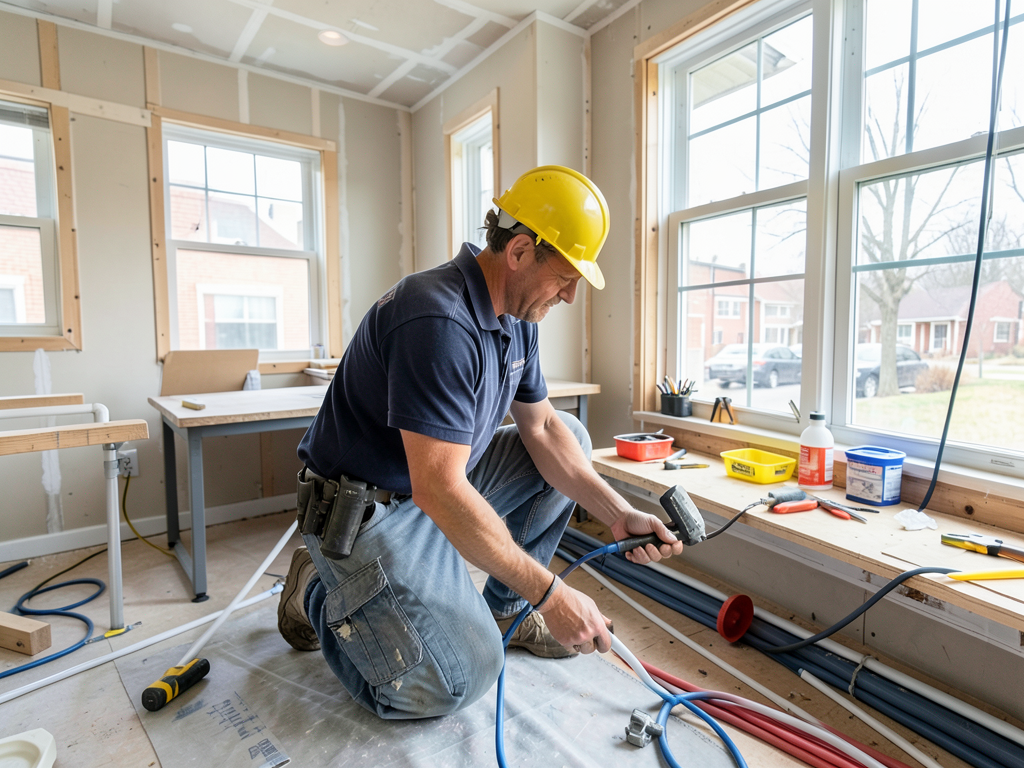
Planning the plumbing for your new detached home office or studio in Plaza Midwood
Adding plumbing to a detached home office or studio in Plaza Midwood transforms your backyard workspace into a fully functional retreat. Whether you want a bathroom for client meetings, a kitchenette for coffee breaks, or just a sink for cleanup, proper plumbing planning is essential. The process involves navigating Charlotte building codes, understanding local soil conditions, and making smart decisions about water heating and drainage. This guide walks you through everything you need to know before breaking ground on your Plaza Midwood backyard project. Is a Tankless Water Heater Worth It for Your Ballantyne Home?.
Understanding Charlotte’s permitting requirements for detached structures
Before installing any plumbing in your detached office, you must comply with Mecklenburg County and Charlotte regulations. The Unified Development Ordinance (UDO) requires permits for any structure with plumbing, regardless of size. Your detached office will need both a building permit and a plumbing permit from Mecklenburg County LUESA (Land Use and Environmental Services Agency). Mecklenburg County LUESA.
The permitting process starts with submitting detailed plans showing your structure’s dimensions, setbacks from property lines, and proposed plumbing layout. Charlotte Water requires a separate tap fee for any new water service, and you’ll need to demonstrate that your property can handle the additional wastewater load. For properties near Freedom Park or along the Plaza Midwood corridor, soil conditions and drainage patterns may affect your approval timeline. EPA Backflow Prevention Regulations.
Most permits take 2-4 weeks to process, but complex projects involving sewer connections or water heaters can extend to 6-8 weeks. During this time, inspectors will review your plans for code compliance, including proper venting, backflow prevention, and freeze protection for our occasional North Carolina winters. Signs You Need a Main Water Line Replacement in Pineville.
Trenching through Plaza Midwood’s red clay soil
Charlotte’s famous red clay presents unique challenges for plumbing installation. This dense, expansive soil requires deeper trenching than you might expect. North Carolina Plumbing Code mandates a minimum depth of 12 inches for water lines and 18 inches for sewer lines below finished grade. In Plaza Midwood’s older neighborhoods, you may encounter shallow utilities from previous installations or unexpected rock formations. Common Sewer Line Issues for Historic Dilworth Properties and How to Fix Them.
Red clay retains moisture and expands when wet, creating pressure on buried pipes. Professional plumbers install Schedule 40 PVC for main water lines and use proper bedding material like sand or gravel to prevent pipe damage. The clay’s poor drainage means you’ll need to consider French drains or surface grading to prevent water pooling around your foundation. Professional Toilet Repair and Installation Services in Matthews.
Soil composition affects trenching costs significantly. Clay soil requires more excavation time and specialized equipment compared to sandy soils found in other parts of Mecklenburg County. Expect trenching labor to account for 30-40% of your total plumbing installation cost in Plaza Midwood. Plumbing Mint Hill.
Connecting to Charlotte Water and sewer systems
Your detached office needs either a connection to Charlotte Water’s municipal system or a private septic solution. Most Plaza Midwood properties connect to city water and sewer, but the distance from your main house affects installation complexity. Water lines typically use 3/4-inch PEX piping for small offices, while sewer lines require 3-inch PVC for bathroom installations.. Read more about Installing a utility sink in your Charlotte garage or laundry room.
Charlotte Water charges tap fees based on meter size and connection distance. A typical 3/4-inch residential tap costs between $2,000-$3,500, plus additional charges for line extensions beyond 50 feet from the existing meter. Sewer connections require similar fees and may need additional inspection points depending on your property’s grade.. Read more about Installing an irrigation meter to lower your monthly water bill in Mooresville.
For properties with older clay sewer lines, you might need to replace the lateral connection when adding new plumbing. This prevents future clogs and ensures proper drainage for your new office. The North Carolina Plumbing Code requires all new connections to have cleanouts accessible from the surface.
Hot water solutions for small spaces
Choosing the right water heater for your detached office affects both comfort and energy efficiency. Tankless water heaters work well for small spaces, providing endless hot water without the footprint of a traditional tank. For a simple sink and toilet setup, a 2-3 gallon point-of-use electric heater under the sink might suffice.
Gas tankless units offer higher flow rates but require proper venting and gas line installation. In Plaza Midwood’s older homes, gas line capacity may limit your options. Electric tankless heaters eliminate venting concerns but may strain older electrical panels not designed for continuous high-amp loads.
Point-of-use heaters eliminate the wait for hot water and reduce energy waste. These compact units install directly at the fixture and heat water instantly. For a kitchenette with minimal hot water needs, they provide the most cost-effective solution while maintaining professional functionality.
Drainage and ventilation considerations
Proper drainage prevents the most common problems in detached structures. Gravity-fed systems require correct slope calculations – typically 1/4 inch per foot for horizontal runs. Plaza Midwood’s relatively flat terrain means you may need a sewage ejector pump if your office sits lower than the main sewer line.
Ventilation prevents sewer gases from entering your workspace. The North Carolina Plumbing Code requires vent pipes to extend through the roof, typically 2 inches for bathroom installations. Without proper venting, you’ll experience slow drains, gurgling sounds, and unpleasant odors that make your office uncomfortable for work.
Floor drains in workshops or art studios need trap primers to prevent the water seal from evaporating. This simple addition prevents sewer gas infiltration during periods when the space isn’t used regularly. For high-moisture areas like darkrooms or pottery studios, consider a dedicated sump pump system.
Winterization and freeze protection
Charlotte’s occasional hard freezes can damage unprotected plumbing. While our winters are mild compared to northern states, temperatures below 20°F occur several times each winter. Exposed pipes in detached structures are particularly vulnerable since they lack the heat from your main house.
Proper insulation includes both pipe wrap and strategic placement. Run water lines through interior walls when possible, and use frost-proof hose bibs for exterior connections. Heat tape provides additional protection for pipes in unheated spaces, though it requires electricity and regular maintenance to ensure safe operation.
Drain all water lines if you plan extended absences during winter months. This prevents frozen pipes and potential bursts that could flood your office. Install shut-off valves at the main connection point for quick emergency isolation if problems occur.
Cost factors specific to Plaza Midwood projects
Plumbing installation costs vary based on several Plaza Midwood-specific factors. Older properties often have unknown utility locations, requiring utility locates before excavation begins. The dense tree canopy common in Plaza Midwood can complicate trenching routes and may require root pruning or alternative routing.
Labor rates in Charlotte’s urban core run 15-20% higher than suburban areas due to traffic congestion and limited parking for work vehicles. Expect to pay $85-$125 per hour for licensed plumber labor, with total installation costs ranging from $3,500-$12,000 depending on complexity.
Distance from your main house significantly impacts costs. Each additional 10 feet of trenching adds approximately $200-$300 to your project. For properties with long setbacks common in Plaza Midwood’s larger lots, this can substantially increase your budget.
Common mistakes to avoid
DIY plumbing installations often violate local codes and create expensive problems. Common errors include inadequate slope for drainage lines, missing cleanouts, and improper venting that leads to slow drains and sewer gas issues. These mistakes typically cost more to fix than professional installation would have initially.
Underestimating electrical requirements is another frequent error. Tankless water heaters, sewage ejector pumps, and heat tape all require dedicated circuits. Older electrical panels may need upgrades to handle these loads safely.
Ignoring future expansion needs can limit your office’s functionality. Even if you only need a basic sink now, installing larger water lines and proper drainage allows for easy upgrades to a full bathroom or kitchenette later without major reconstruction.
Frequently Asked Questions
Do I need a separate water meter for my detached office?
Most detached structures connect to your existing water service rather than requiring a separate meter. However, if your office will have high water usage or you want separate billing, Charlotte Water can install a dedicated meter. This requires additional permits and increases your initial installation costs by $2,000-$3,000.
Can I use a macerating toilet in my backyard office?
Macerating toilets work well for detached structures where traditional plumbing is difficult or expensive to install. These units grind waste and pump it uphill to your main sewer line, eliminating the need for below-grade drainage. They’re ideal for Plaza Midwood’s flat terrain but require regular maintenance and have higher operating costs than standard toilets.
How long does the entire plumbing installation process take?
From initial design to final inspection, expect 4-8 weeks for most projects. This includes 2-4 weeks for permits, 1-2 days for excavation and rough-in plumbing, 1-2 days for fixture installation, and 1-2 weeks for inspections and final connections. Complex projects involving sewer line replacements or electrical upgrades may extend to 10-12 weeks.
What happens if I skip permits and install plumbing anyway?
Unpermitted plumbing work can result in fines from Mecklenburg County, mandatory removal of the work, and difficulties selling your home later. Insurance companies may deny claims for damage caused by unpermitted work. The small savings from skipping permits rarely justify the legal and financial risks involved.
Making your decision: DIY vs. professional installation
Simple projects like installing a sink with cold water only might be DIY-friendly for experienced homeowners. However, any project involving hot water, drainage, or gas lines should use licensed professionals. The North Carolina Plumbing Code requires licensed plumbers for most residential installations, and violations can create safety hazards.
Professional installation ensures code compliance, proper permits, and warranty protection. Licensed plumbers carry insurance that covers damage from installation errors, providing peace of mind for your investment. They also have experience with Charlotte’s specific requirements and can navigate the permitting process efficiently.
Consider your long-term plans for the space. If you might convert your office to a rental unit or ADU in the future, professional installation with proper permits protects your investment and makes future modifications easier.
Next steps for your Plaza Midwood project
Start by contacting Mecklenburg County LUESA to discuss your specific property requirements. They can provide guidance on setbacks, permit requirements, and any neighborhood-specific restrictions. Next, consult with a licensed plumber familiar with Plaza Midwood’s older infrastructure and Charlotte’s building codes.
Obtain quotes from multiple contractors, but verify their licensing and insurance before making decisions. Ask for references from similar projects in the Plaza Midwood area. A good contractor will provide detailed proposals showing permit costs, excavation requirements, and timeline estimates specific to your property.
Finally, factor in contingency funds for unexpected issues common in older Charlotte neighborhoods. Plan for 10-15% over your initial budget to cover utility conflicts, soil conditions, or code compliance upgrades that become apparent during excavation.
Ready to transform your Plaza Midwood backyard into a fully functional workspace? Call (980) 342-9933 today to schedule your inspection and get started on your project. Our licensed plumbers understand Charlotte’s unique requirements and can guide you through every step of the process.
Don’t let plumbing complications delay your dream office. Pick up the phone and call (980) 342-9933 before the next storm hits. We’ll help you navigate permits, design the perfect layout, and ensure your new space meets all local codes while staying within your budget.
You may also find this helpful. Moving your laundry room to the second floor (What every Dilworth homeowner should know).
You may also find this helpful. Dealing with a clogged AC condensate line that is leaking into your Cotswold home.
{
“@context”: “https://schema.org”,
“@type”: “BlogPosting”,
“headline”: “Planning the plumbing for your new detached home office or studio in Plaza Midwood”,
“description”: “Learn how to plan plumbing for your Plaza Midwood home office. Expert tips on permits, trenching through red clay, and Charlotte building codes from local plumbers.”,
“wordCount”: 1915,
“datePublished”: “2026-05-26T13:31:00.000Z”,
“dateModified”: “2026-05-26T13:31:00.000Z”,
“inLanguage”: “en-US”,
“mainEntityOfPage”: {
“@type”: “WebPage”,
“@id”: “https://keystoneplumbingcharlotte.com”
},
“publisher”: {
“@type”: “LocalBusiness”,
“name”: “Keystone Plumbing Charlotte”,
“url”: “https://keystoneplumbingcharlotte.com”
},
“author”: {
“@type”: “Organization”,
“name”: “Keystone Plumbing Charlotte”,
“url”: “https://keystoneplumbingcharlotte.com”
},
“image”: {
“@type”: “ImageObject”,
“url”: “https://keystoneplumbingcharlotte.com/wp-content/uploads/2026/03/planning-the-plumbing-for-your-new-detached-home-o-1.png”
}
}
{
“@context”: “https://schema.org”,
“@type”: “Plumber”,
“name”: “Keystone Plumbing Charlotte”,
“url”: “https://keystoneplumbingcharlotte.com”,
“address”: {
“@type”: “PostalAddress”,
“addressLocality”: “Charlotte”
},
“areaServed”: {
“@type”: “City”,
“name”: “Charlotte”
}
}
{
“@context”: “https://schema.org”,
“@type”: “FAQPage”,
“mainEntity”: [
{
“@type”: “Question”,
“name”: “Do I need a separate water meter for my detached office?”,
“acceptedAnswer”: {
“@type”: “Answer”,
“text”: “Most detached structures connect to your existing water service rather than requiring a separate meter. However, if your office will have high water usage or you want separate billing, Charlotte Water can install a dedicated meter. This requires additional permits and increases your initial installation costs by $2,000-$3,000.”
}
},
{
“@type”: “Question”,
“name”: “Can I use a macerating toilet in my backyard office?”,
“acceptedAnswer”: {
“@type”: “Answer”,
“text”: “Macerating toilets work well for detached structures where traditional plumbing is difficult or expensive to install. These units grind waste and pump it uphill to your main sewer line, eliminating the need for below-grade drainage. They’re ideal for Plaza Midwood’s flat terrain but require regular maintenance and have higher operating costs than standard toilets.”
}
},
{
“@type”: “Question”,
“name”: “How long does the entire plumbing installation process take?”,
“acceptedAnswer”: {
“@type”: “Answer”,
“text”: “From initial design to final inspection, expect 4-8 weeks for most projects. This includes 2-4 weeks for permits, 1-2 days for excavation and rough-in plumbing, 1-2 days for fixture installation, and 1-2 weeks for inspections and final connections. Complex projects involving sewer line replacements or electrical upgrades may extend to 10-12 weeks.”
}
},
{
“@type”: “Question”,
“name”: “What happens if I skip permits and install plumbing anyway?”,
“acceptedAnswer”: {
“@type”: “Answer”,
“text”: “Unpermitted plumbing work can result in fines from Mecklenburg County, mandatory removal of the work, and difficulties selling your home later. Insurance companies may deny claims for damage caused by unpermitted work. The small savings from skipping permits rarely justify the legal and financial risks involved.”
}
}
]
}
{
“@context”: “https://schema.org”,
“@type”: “BreadcrumbList”,
“itemListElement”: [
{
“@type”: “ListItem”,
“position”: 1,
“name”: “Home”,
“item”: “https://keystoneplumbingcharlotte.com”
},
{
“@type”: “ListItem”,
“position”: 2,
“name”: “Blog”,
“item”: “https://keystoneplumbingcharlotte.com/blog”
},
{
“@type”: “ListItem”,
“position”: 3,
“name”: “Planning the plumbing for your new detached home office or studio in Plaza Midwood”
}
]
}
{
“@context”: “https://schema.org”,
“@type”: “Service”,
“serviceType”: “Plumbing”,
“provider”: {
“@type”: “LocalBusiness”,
“name”: “Keystone Plumbing Charlotte”,
“url”: “https://keystoneplumbingcharlotte.com”
},
“areaServed”: {
“@type”: “City”,
“name”: “Charlotte”
},
“description”: “Learn how to plan plumbing for your Plaza Midwood home office. Expert tips on permits, trenching through red clay, and Charlotte building codes from local plumbers.”
}