
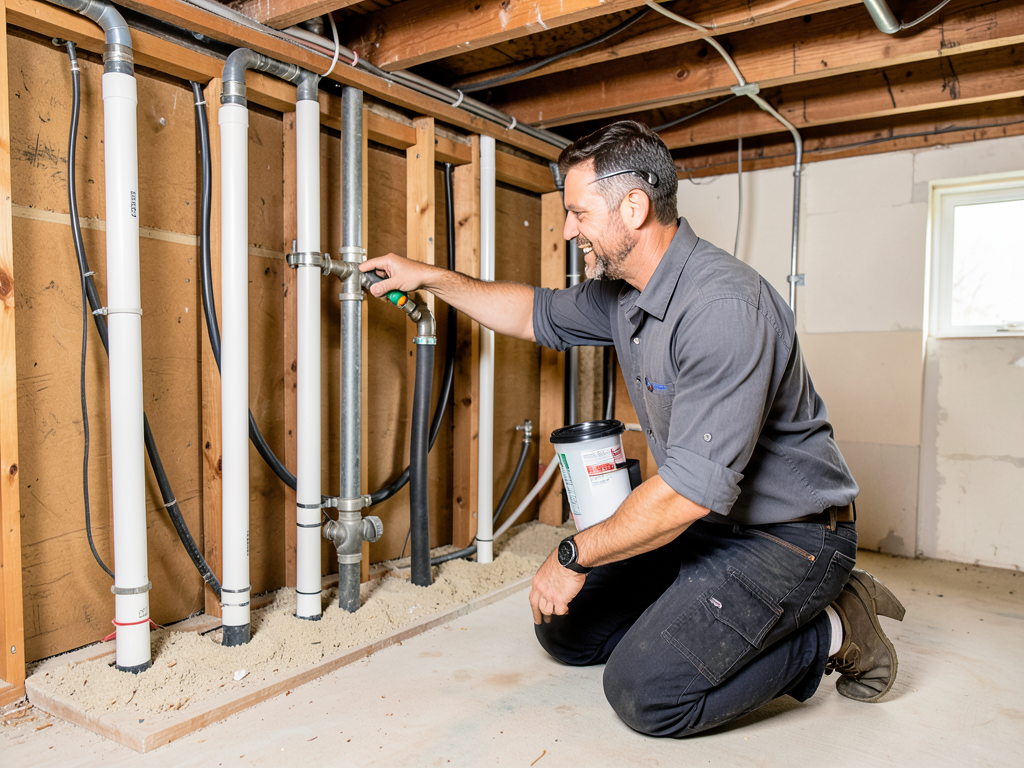
Replacing Old Galvanized Pipes in Your Mid-Century Charlotte Home
If your Charlotte home was built between the 1950s and 1970s, you’re likely dealing with galvanized steel pipes that have reached the end of their lifespan. These pipes corrode from the inside out, causing low water pressure, rusty water, and frequent leaks. The humid Piedmont climate accelerates this deterioration, making whole house repiping a necessity rather than an option for many Charlotte homeowners. Is a Tankless Water Heater Worth It for Your Ballantyne Home?.
The typical mid-century home in neighborhoods like Myers Park, Eastover, or Cotswold faces unique plumbing challenges. Charlotte’s clay soil expands and contracts with moisture changes, putting additional stress on aging pipe joints. Many of these homes also contain Polybutylene pipes installed during the 1980s construction boom, which are notorious for sudden failures. You need a solution that addresses both the immediate problems and prevents future emergencies.
Why Mid-Century Charlotte Homes Need Repiping
Charlotte’s rapid growth from the 1950s through 1970s created thousands of homes with similar plumbing systems. These galvanized pipes were coated with zinc to prevent rust, but the coating breaks down over decades. Once corrosion begins, it accelerates rapidly. You’ll notice water pressure dropping throughout your home, rust-colored water when you first turn on a tap, and cold showers when hot water can’t reach your fixtures fast enough. Signs You Need a Main Water Line Replacement in Pineville.
The Polybutylene crisis compounds this problem. Between 1978 and 1995, many Charlotte builders installed this plastic piping because it was cheap and easy to install. However, Polybutylene reacts poorly with oxidants in Charlotte’s municipal water supply, causing the pipes to become brittle and fail without warning. Insurance companies often refuse coverage for homes with Polybutylene pipes, making replacement urgent for both safety and financial reasons.
Common Signs Your Home Needs Repiping
You might be experiencing multiple symptoms that indicate your plumbing system is failing. Low water pressure throughout your home suggests internal pipe corrosion is restricting water flow. Rusty or brown water when you first turn on a tap indicates rust flakes are breaking loose from inside your pipes. Frequent pinhole leaks in multiple locations mean the pipe walls have thinned to the point of failure.
Visible corrosion on exposed pipes in your basement or crawlspace confirms the problem exists throughout your system. If you hear banging or knocking sounds when you turn water on or off, your pipes may be expanding and contracting due to internal pressure changes. These aren’t minor inconveniences—they’re warning signs that a major failure could happen at any time.
PEX vs Copper: Which Material Works Best in Charlotte?
Choosing the right piping material affects your home’s plumbing performance for decades. PEX (cross-linked polyethylene) offers flexibility that’s ideal for Charlotte’s shifting clay soil. It expands slightly when frozen, reducing burst risk during rare cold snaps. PEX installation is typically faster and less expensive than copper, often completed in 2-3 days versus 4-5 days for copper repiping.
Copper provides superior longevity and resists UV damage better than PEX. However, it’s more expensive and requires more fittings that can become leak points. In Charlotte’s humid climate, copper can develop pinhole leaks from the outside due to moisture exposure, especially in crawlspaces. The material you choose should match your home’s specific needs and your budget constraints.
Consider these factors when making your decision: PEX resists the acidic water common in Mecklenburg County better than copper. Copper handles high water pressure more effectively. PEX doesn’t corrode like galvanized steel, while copper can still develop external corrosion in our humid environment. Both materials meet North Carolina State Plumbing Code requirements when installed correctly. Mecklenburg County Building Standards.
Understanding Mecklenburg County Permit Requirements
Charlotte homeowners must obtain proper permits before any major plumbing work. Mecklenburg County requires a plumbing permit for whole house repiping, which includes inspection of the new piping before walls are closed. The permit process ensures your installation meets current building codes and protects your home’s value. You’ll need to submit detailed plans showing pipe routing, fixture locations, and material specifications.
City inspectors check for proper pipe support, adequate water pressure, and correct fixture connections. They verify that all work complies with the North Carolina State Plumbing Code, which mandates specific requirements for pipe sizing, venting, and fixture placement. Without proper permits, you could face fines, insurance complications, or problems when selling your home.
The permitting process typically takes 3-5 business days. Once approved, you’ll receive an inspection schedule. Most whole house repiping projects require two inspections: one during rough-in when pipes are exposed, and another final inspection after completion. Your plumber should handle all permit applications and coordinate inspections as part of their service.
The 5-Step Repiping Process
Professional repiping follows a systematic approach to minimize disruption and ensure quality results. First, your plumber conducts a thorough inspection of your existing system, documenting pipe locations, fixture counts, and any structural obstacles. They’ll create a detailed plan showing how new pipes will route through your home and provide a written estimate with timeline projections. Professional Toilet Repair and Installation Services in Matthews.
Second, your home is prepared for construction. This includes protecting floors and furniture with drop cloths, setting up dust containment barriers, and establishing temporary water access points. For homes with Polybutylene pipes, this step includes safely removing all hazardous materials according to EPA guidelines for plastic pipe disposal. EPA WaterSense program.
Third, the installation begins. Technicians cut access holes in walls and ceilings where pipes need replacement, typically following the most direct routes between fixtures and the main water line. They install new piping using proper support spacing and secure all connections with approved methods for your chosen material.
Fourth, the system undergoes pressure testing. Your plumber fills the new pipes with water and pressurizes them to check for leaks. This test must hold pressure for a specified time according to code requirements. They also test water flow to each fixture to ensure proper pressure and temperature control.
Finally, wall repairs and cleanup complete the project. Technicians patch access holes with drywall, match existing textures when possible, and paint to blend repairs with surrounding surfaces. They remove all construction debris and conduct a final walkthrough with you to demonstrate the new system and answer questions. Gas Line Repair & Installation.
Cost Factors for Whole House Repiping in Charlotte
Several variables affect your repiping project’s total cost. Home size directly impacts material requirements and labor hours. A 1,500-square-foot ranch requires less piping than a 3,000-square-foot two-story home with multiple bathrooms. The number of fixtures multiplies both material needs and installation complexity.
Wall construction type affects access difficulty. Plaster walls require more careful cutting than drywall, increasing labor time. Homes with finished basements or complex floor plans need more wall penetrations, raising costs. The presence of Polybutylene pipes adds hazardous material handling fees and disposal costs.
Material choice significantly impacts your budget. PEX typically costs 30-40% less than copper for both materials and installation. However, copper’s longevity might provide better long-term value if you plan to stay in your home for many years. Your plumber should provide detailed cost breakdowns showing material, labor, permit, and finishing work line items.
Most Charlotte homeowners invest between $4,000 and $15,000 for whole house repiping, depending on these factors. Some companies offer financing options to spread payments over time. Consider getting multiple quotes and asking about warranty coverage, which should protect your investment for at least 10-25 years depending on the material.
Timeline and Disruption Expectations
Understanding the timeline helps you plan for the disruption. Most whole house repiping projects take 3-7 days from start to finish. The first day involves inspection and preparation. Days 2-4 typically focus on pipe installation, with technicians working in sections to maintain some water access when possible.
Water service interruptions are usually limited to 4-6 hours per day during active work periods. Your plumber should provide advance notice of scheduled outages so you can plan accordingly. Many homeowners choose to stay elsewhere during the most disruptive phases, especially if they work from home or have young children.
After pipe installation, pressure testing takes 4-6 hours. Wall repairs and painting require 2-3 additional days for materials to dry properly. The total project timeline depends on your home’s complexity, weather conditions affecting material delivery, and inspection scheduling with Mecklenburg County.
During the project, you’ll have limited water access but not complete loss of service. Technicians typically restore water to at least one bathroom and the kitchen each evening. They’ll also provide bottled water and coordinate with you about specific needs like medical equipment or work-from-home requirements.
Preventing Future Plumbing Problems
Once your new piping system is installed, proper maintenance prevents future issues. Charlotte’s water chemistry affects pipe longevity. Our municipal water supply from the Catawba River contains minerals that can cause scale buildup in copper pipes. Installing a water softener or scale inhibitor system extends pipe life and improves water heater efficiency.
Regular inspections catch minor issues before they become major problems. Have your plumber check visible pipe connections annually, especially in crawlspaces where humidity accelerates corrosion. Monitor water pressure with a simple gauge—pressure above 80 psi stresses pipes and fixtures. Install a pressure-reducing valve if needed.
Be aware of tree root intrusion in older neighborhoods with large trees. Roots seek water sources and can penetrate pipe joints or cause foundation shifts that stress plumbing connections. If you notice slow drains or recurring clogs, have your sewer lines inspected with a camera to check for root damage. Common Sewer Line Issues for Historic Dilworth Properties and How to Fix Them.
Consider whole house water filtration to remove sediment and chemicals that contribute to pipe corrosion. This is especially important if your home has copper piping, as Charlotte’s water can be slightly acidic. Filtration also improves drinking water quality and protects water-using appliances from mineral buildup.
Why Choose Local Charlotte Expertise
Local knowledge makes a significant difference in repiping success. Charlotte plumbers understand our specific soil conditions, water chemistry, and building patterns. They know which neighborhoods have the most Polybutylene issues and can identify potential problems before work begins. This expertise prevents costly surprises and ensures code compliance.
North Carolina State Plumbing Code has specific requirements that differ from other states. Local plumbers stay current with Mecklenburg County inspection practices and permit requirements. They understand how Charlotte’s clay soil affects foundation movement and can recommend pipe support methods that accommodate seasonal soil expansion and contraction.
Emergency response matters when you’re dealing with aging pipes. Local companies can respond faster to unexpected issues and have relationships with local suppliers for quick material delivery. They’re also familiar with Charlotte’s weather patterns and can schedule work to avoid conflicts with hurricane season or winter freeze warnings.
Community reputation drives local business success. Charlotte plumbing companies rely on word-of-mouth referrals and maintain high standards to protect their local standing. They’re invested in your long-term satisfaction because they’ll likely work in your neighborhood for years to come.
Financing Your Repiping Project
Whole house repiping represents a significant investment, but several financing options make it manageable. Many plumbing companies partner with financing firms to offer low-interest loans or payment plans. These typically feature fixed monthly payments over 12-60 months, making the cost more predictable than credit card financing.
Home equity loans or lines of credit often provide the lowest interest rates for home improvement projects. These use your home’s equity as collateral, which can result in tax-deductible interest payments. However, they require good credit and sufficient home equity to qualify.
Some homeowners use credit cards for smaller repiping projects or emergency repairs. While convenient, credit card interest rates are typically higher than loan options. Consider this only if you can pay off the balance quickly or have a card with a promotional 0% APR period.
Check with your homeowner’s insurance about potential coverage. While repiping itself isn’t usually covered, some policies offer discounts for homes with updated plumbing systems. The reduction in insurance premiums might offset a portion of your investment over time.
Energy efficiency improvements sometimes qualify for rebates or tax credits. While repiping isn’t typically eligible for energy incentives, combining it with water heater replacement or insulation upgrades might provide additional financial benefits through local utility programs.
Frequently Asked Questions
How long does whole house repiping take?
Most whole house repiping projects in Charlotte take 3-7 days total. The actual pipe installation typically requires 2-4 days, with additional time for pressure testing, wall repairs, and inspections. Complex homes or those with difficult access might take up to 10 days.
Can I stay in my home during repiping?
Yes, most homeowners remain in their homes during repiping. Water service is usually interrupted for 4-6 hours per day during active work. Technicians provide temporary water access each evening and coordinate with you about specific needs. Some homeowners choose to stay elsewhere during the most disruptive phases.
Will repiping increase my home’s value?
Whole house repiping typically provides good return on investment by preventing future water damage and making your home more attractive to buyers. It eliminates a major concern for potential purchasers and can help your home pass inspections more easily. The peace of mind and prevention of costly water damage also adds significant value.
Ready to Replace Your Old Pipes?
Don’t wait for a major leak to force emergency repairs. If your Charlotte home shows signs of aging plumbing, call (980) 342-9933 today to schedule your inspection. Our experienced technicians will evaluate your system, explain your options, and provide a detailed plan for updating your home’s plumbing infrastructure.
Pick up the phone and call (980) 342-9933 before the next storm hits or the next pipe fails. We serve homeowners throughout Charlotte, Matthews, Mint Hill, and surrounding areas with expert repiping services backed by our satisfaction guarantee. Your home deserves reliable, modern plumbing that will serve you for decades to come.
Visit our website to learn more about our whole house repiping services and see examples of completed projects in your neighborhood. Don’t let old pipes put your home at risk any longer.
{
“@context”: “https://schema.org”,
“@type”: “BlogPosting”,
“headline”: “Replacing Old Galvanized Pipes in Your Mid-Century Charlotte Home”,
“description”: “Learn why Charlotte’s mid-century homes need whole house repiping. Expert guide covering PEX vs copper, costs, and the Polybutylene crisis affecting thousands of local homes.”,
“wordCount”: 2347,
“datePublished”: “2026-03-02T14:03:00.000Z”,
“dateModified”: “2026-03-02T14:03:00.000Z”,
“inLanguage”: “en-US”,
“mainEntityOfPage”: {
“@type”: “WebPage”,
“@id”: “https://keystoneplumbingcharlotte.com”
},
“publisher”: {
“@type”: “LocalBusiness”,
“name”: “Keystone Plumbing Charlotte”,
“url”: “https://keystoneplumbingcharlotte.com”
},
“author”: {
“@type”: “Organization”,
“name”: “Keystone Plumbing Charlotte”,
“url”: “https://keystoneplumbingcharlotte.com”
},
“image”: {
“@type”: “ImageObject”,
“url”: “https://keystoneplumbingcharlotte.com/wp-content/uploads/2026/03/replacing-old-galvanized-pipes-in-your-mid-century-1.png”
}
}
{
“@context”: “https://schema.org”,
“@type”: “Plumber”,
“name”: “Keystone Plumbing Charlotte”,
“url”: “https://keystoneplumbingcharlotte.com”,
“address”: {
“@type”: “PostalAddress”,
“addressLocality”: “Charlotte”
},
“areaServed”: {
“@type”: “City”,
“name”: “Charlotte”
}
}
{
“@context”: “https://schema.org”,
“@type”: “FAQPage”,
“mainEntity”: [
{
“@type”: “Question”,
“name”: “PEX vs Copper: Which Material Works Best in Charlotte?”,
“acceptedAnswer”: {
“@type”: “Answer”,
“text”: “Choosing the right piping material affects your home’s plumbing performance for decades. PEX (cross-linked polyethylene) offers flexibility that’s ideal for Charlotte’s shifting clay soil. It expands slightly when frozen, reducing burst risk during rare cold snaps. PEX installation is typically faster and less expensive than copper, often completed in 2-3 days versus 4-5 days for copper repiping.”
}
},
{
“@type”: “Question”,
“name”: “How long does whole house repiping take?”,
“acceptedAnswer”: {
“@type”: “Answer”,
“text”: “Most whole house repiping projects in Charlotte take 3-7 days total. The actual pipe installation typically requires 2-4 days, with additional time for pressure testing, wall repairs, and inspections. Complex homes or those with difficult access might take up to 10 days.”
}
},
{
“@type”: “Question”,
“name”: “Can I stay in my home during repiping?”,
“acceptedAnswer”: {
“@type”: “Answer”,
“text”: “Yes, most homeowners remain in their homes during repiping. Water service is usually interrupted for 4-6 hours per day during active work. Technicians provide temporary water access each evening and coordinate with you about specific needs. Some homeowners choose to stay elsewhere during the most disruptive phases.”
}
},
{
“@type”: “Question”,
“name”: “Will repiping increase my home’s value?”,
“acceptedAnswer”: {
“@type”: “Answer”,
“text”: “Whole house repiping typically provides good return on investment by preventing future water damage and making your home more attractive to buyers. It eliminates a major concern for potential purchasers and can help your home pass inspections more easily. The peace of mind and prevention of costly water damage also adds significant value.”
}
},
{
“@type”: “Question”,
“name”: “Ready to Replace Your Old Pipes?”,
“acceptedAnswer”: {
“@type”: “Answer”,
“text”: “Don’t wait for a major leak to force emergency repairs. If your Charlotte home shows signs of aging plumbing, call (980) 342-9933 today to schedule your inspection. Our experienced technicians will evaluate your system, explain your options, and provide a detailed plan for updating your home’s plumbing infrastructure.”
}
}
]
}
{
“@context”: “https://schema.org”,
“@type”: “BreadcrumbList”,
“itemListElement”: [
{
“@type”: “ListItem”,
“position”: 1,
“name”: “Home”,
“item”: “https://keystoneplumbingcharlotte.com”
},
{
“@type”: “ListItem”,
“position”: 2,
“name”: “Blog”,
“item”: “https://keystoneplumbingcharlotte.com/blog”
},
{
“@type”: “ListItem”,
“position”: 3,
“name”: “Replacing Old Galvanized Pipes in Your Mid-Century Charlotte Home”
}
]
}
{
“@context”: “https://schema.org”,
“@type”: “Service”,
“serviceType”: “Plumbing”,
“provider”: {
“@type”: “LocalBusiness”,
“name”: “Keystone Plumbing Charlotte”,
“url”: “https://keystoneplumbingcharlotte.com”
},
“areaServed”: {
“@type”: “City”,
“name”: “Charlotte”
},
“description”: “Learn why Charlotte’s mid-century homes need whole house repiping. Expert guide covering PEX vs copper, costs, and the Polybutylene crisis affecting thousands of local homes.”
}