
Soundproofing Your Pipes to Stop Hearing Your Neighbors Flush in Your Uptown Apartment
Living in an Uptown Charlotte apartment means enjoying the city’s vibrant energy, but it also means dealing with the constant noise of plumbing systems in close quarters. That unmistakable sound of water rushing through pipes or the sudden thud of a neighbor’s toilet flushing can disrupt your peace and quiet. These noises are not just annoying; they can affect your sleep, concentration, and overall comfort. The good news is that with the right soundproofing techniques, you can significantly reduce or even eliminate these intrusive sounds. This guide will walk you through identifying the source of the noise, choosing the best materials, and deciding when it’s time to call a professional plumber in Charlotte to handle the job. Is a Tankless Water Heater Worth It for Your Ballantyne Home?.
Identifying the Noise: Water Hammer vs. Vibration vs. Flow
Before you start soundproofing, it’s crucial to understand what kind of noise you’re dealing with. Plumbing noises generally fall into three categories, each requiring a different approach. Water hammer is a loud banging sound that occurs when a valve closes suddenly, causing a pressure wave to travel through the pipes. This can happen with washing machines, dishwashers, or even when someone turns off a faucet quickly. Vibration noise happens when pipes physically touch wood framing or other structures, transmitting sound throughout the building. Flow noise is the whooshing or rushing sound of water moving through pipes, which can be particularly noticeable in PVC piping common in newer constructions. Signs You Need a Main Water Line Replacement in Pineville.
In Uptown Charlotte’s high-rise buildings, these noises can be amplified due to the density of living spaces and the shared plumbing infrastructure. Older buildings with cast iron pipes tend to have better sound dampening properties than newer ones with PVC, but even cast iron can develop issues over time. Understanding the specific type of noise you’re experiencing is the first step toward finding the right solution.. Read more about What to do if your neighbor’s plumbing leak is damaging your Uptown condo.
Best Materials for Soundproofing Pipes
Choosing the right materials is essential for effective pipe soundproofing. Not all insulation products are created equal when it comes to blocking sound. Mass Loaded Vinyl (MLV) is one of the most effective materials for soundproofing pipes. It’s a dense, flexible material that adds mass to the pipes, reducing the transmission of sound waves. MLV is particularly useful for wrapping around existing pipes without requiring major modifications.
Acoustic foam is another option, though it’s generally less effective than MLV for pipe applications. It can help absorb some sound but doesn’t provide the same level of mass-based sound blocking. Rubber pipe insulators are commonly used for thermal insulation but can also help reduce noise by creating a barrier between the pipe and surrounding structures. For new installations or major renovations, cast iron pipe alternatives offer built-in soundproofing benefits due to their density and mass. Common Sewer Line Issues for Historic Dilworth Properties and How to Fix Them.
When selecting materials, consider the specific needs of your apartment. Uptown Charlotte buildings often have limited access to pipes, so materials that are easy to install in tight spaces are preferable. Additionally, look for products with fire safety ratings appropriate for multi-family dwellings, as building codes in Mecklenburg County require specific fire-resistant materials in certain applications.
Step-by-Step Installation Process
Installing pipe soundproofing can be a DIY project for some situations, but it requires careful planning and execution. Here’s a step-by-step process for soundproofing your pipes:
- Identify Access Points
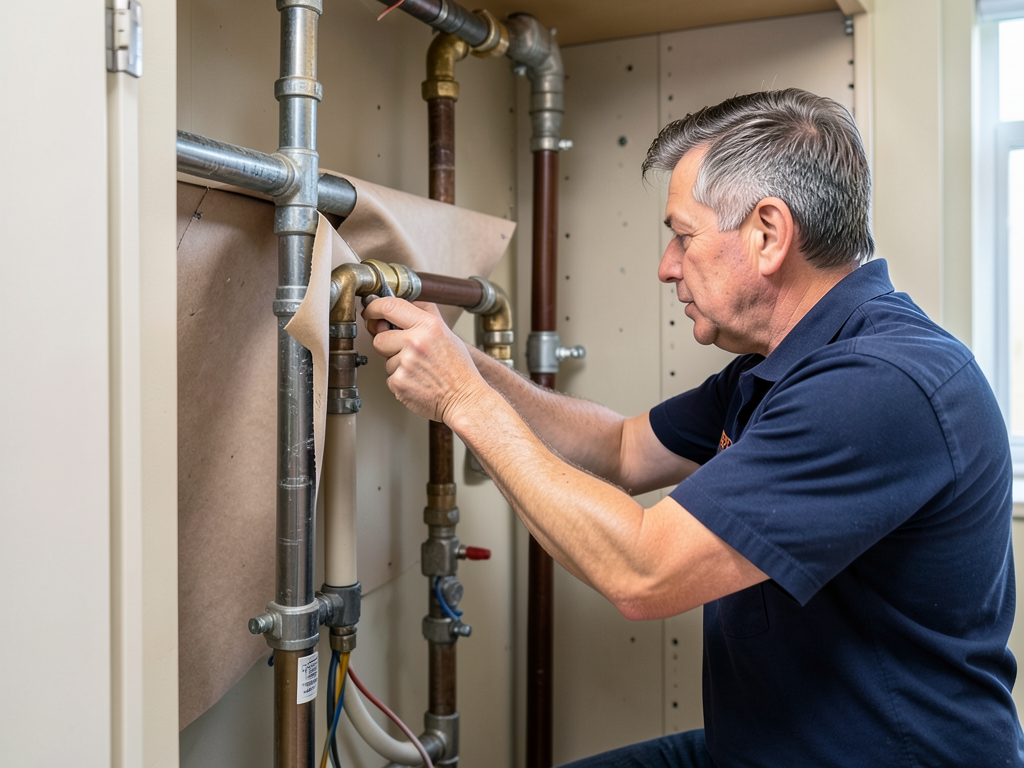
Locate where the pipes are accessible, typically in utility closets, behind access panels, or in unfinished basement areas. In Uptown apartments, you may need to work within the constraints of finished walls and limited space.
- Clean and Prepare Pipes
Before applying any soundproofing material, clean the pipes thoroughly to remove dust, grease, and any existing insulation. This ensures proper adhesion of the soundproofing material.
- Measure and Cut Materials
Measure the length of pipe you need to cover and cut your soundproofing material accordingly. For MLV, allow for some overlap to ensure complete coverage.
- Apply the Soundproofing Material
Wrap the MLV or other material around the pipe using the overlap method, where each layer overlaps the previous one by about an inch. This creates a more effective sound barrier.
- Secure the Material
Use zip ties, foil tape, or specialized pipe insulation tape to secure the soundproofing material in place. Make sure the material is tight against the pipe with no gaps.
- Check for Accessibility
Ensure that any valves or connections you may need to access in the future are still reachable after soundproofing. You may need to create removable sections for maintenance access.
For more complex situations, such as pipes running through shared walls or in areas with limited access, professional installation may be necessary. A licensed plumber can assess your specific situation and recommend the best approach for your Uptown apartment. Professional Toilet Repair and Installation Services in Matthews.
When to Call a Professional in Charlotte
While some soundproofing projects can be handled as DIY, there are several situations where calling a professional plumber in Charlotte is the best choice. If you’re dealing with water hammer that’s causing damage to your pipes or fixtures, a professional can install water hammer arrestors or adjust your water pressure regulator. These solutions require knowledge of your building’s plumbing system and may involve modifications that aren’t suitable for DIY work.
Accessing pipes behind finished drywall is another scenario where professional help is valuable. A plumber can safely cut access panels, perform the necessary soundproofing work, and repair the walls to their original condition. They also have specialized tools for detecting and addressing issues like thermal expansion, which can cause creaking or popping sounds as pipes heat up and cool down. EPA WaterSense.
In older Uptown buildings, the plumbing may have unique characteristics that require expert knowledge. A professional plumber familiar with Charlotte’s historic districts and building codes can ensure that any modifications comply with local regulations while effectively addressing your noise concerns.
Frequently Asked Questions about Pipe Soundproofing
How much does pipe soundproofing typically cost in Charlotte?
The cost varies widely depending on the scope of the project. Simple DIY materials might cost $50-200, while professional installation in an entire apartment could range from $500-2,000. Factors affecting cost include the type of material used, accessibility of pipes, and whether any repairs are needed. Gas Line Repair & Installation.
Is pipe soundproofing safe in terms of fire codes?
Yes, when using appropriate materials. Look for products with fire safety ratings suitable for your building type. In Mecklenburg County, building codes require specific fire-resistant materials in multi-family dwellings. A professional plumber can ensure your soundproofing project meets all local safety requirements.
Will soundproofing my pipes increase my home’s value?
While soundproofing may not dramatically increase your home’s market value, it can make your property more attractive to potential buyers, especially in high-density areas like Uptown Charlotte where noise is a common concern. It also improves your quality of life while you’re living there.
How long does pipe soundproofing typically last?
Quality soundproofing materials can last 10-20 years or more, depending on the conditions. MLV and other durable materials maintain their effectiveness over time, though you may need to replace sections if you access pipes for maintenance or repairs.
Can I soundproof pipes without professional help?
Simple applications like wrapping accessible pipes with MLV can be DIY projects. However, if you’re dealing with complex plumbing systems, need to access pipes behind walls, or want to ensure code compliance, professional installation is recommended.
Comparing Soundproofing Materials
| Material | Sound Reduction (STC) | Installation Difficulty | Cost per Linear Foot | Best For |
|---|---|---|---|---|
| Mass Loaded Vinyl (MLV) | 25-30 | Moderate | $3-5 | High-traffic areas, maximum sound blocking |
| Rubber Pipe Insulation | 15-20 | Easy | $1-2 | Basic noise reduction, thermal insulation |
| Acoustic Foam | 10-15 | Easy | $2-3 | Auxiliary sound absorption |
| Cast Iron Alternatives | 30-35 | Professional | $10-15 | New installations, major renovations |
Local Considerations for Uptown Charlotte Apartments
Uptown Charlotte presents unique challenges for pipe soundproofing due to the density of high-rise buildings and the age of many structures. Many buildings in the area were constructed during the 1970s and 1980s boom, featuring PVC piping that transmits sound more readily than older cast iron systems. The humid subtropical climate in Charlotte also affects soundproofing materials, as moisture can impact the longevity and effectiveness of certain products.
Mecklenburg County building codes have specific requirements for multi-family dwellings that affect soundproofing projects. The North Carolina State Building Code includes provisions for sound transmission in residential buildings, particularly in areas where privacy and noise reduction are critical. When planning a soundproofing project, it’s important to work with a plumber who understands these local requirements and can ensure your project complies with all applicable codes. North Carolina State Building Code.
Another local factor to consider is the availability of materials and services in the Charlotte area. While national chains carry many soundproofing products, local plumbing supply stores in Charlotte may have specialized materials better suited to the region’s specific needs. A local professional can recommend the best products available in the area and may have access to materials not readily available to the general public.
Benefits of Professional Pipe Soundproofing
While DIY soundproofing can address some noise issues, professional installation offers several advantages. A licensed plumber can conduct a comprehensive assessment of your plumbing system to identify all sources of noise, not just the most obvious ones. They can also address underlying issues that may be contributing to the noise, such as high water pressure or loose pipe supports.
Professional installation ensures that soundproofing materials are applied correctly and effectively. This includes proper sealing of joints, appropriate overlap of materials, and secure fastening that won’t come loose over time. Professionals also understand how to work within the constraints of finished spaces, minimizing damage to walls and other structures during installation.
Perhaps most importantly, a professional plumber can provide warranties on their work and ensure that all modifications comply with local building codes. This peace of mind is particularly valuable in multi-family buildings where modifications must meet strict safety and quality standards.
Maintaining Your Soundproofed Pipes
Once you’ve invested in pipe soundproofing, proper maintenance will help ensure its longevity and effectiveness. Regular inspections can identify any areas where the soundproofing material may have become loose or damaged. This is particularly important in Charlotte’s climate, where humidity and temperature fluctuations can affect materials over time.
If you need to access pipes for maintenance or repairs, be sure to replace any soundproofing material you remove. Cutting corners on reinstallation can compromise the effectiveness of your soundproofing investment. For apartments with professional soundproofing installation, consult with your plumber about the best approach for accessing pipes without damaging the soundproofing system.
Additionally, be mindful of any new plumbing work or modifications that could affect your soundproofing. If you’re renovating your apartment or having new fixtures installed, ensure that any changes to the plumbing system are properly soundproofed to maintain the quiet environment you’ve created.
Living in an Uptown Charlotte apartment doesn’t mean you have to tolerate the constant noise of your neighbors’ plumbing. With the right approach to soundproofing, you can create a more peaceful living environment while ensuring your plumbing system remains functional and code-compliant. Whether you choose to tackle a DIY project or work with a professional plumber, the investment in pipe soundproofing can significantly improve your quality of life in the heart of Charlotte.
Ready to stop hearing every flush from your neighbors? Call (980) 342-9933 today to schedule a professional inspection of your plumbing system. Our experienced team understands the unique challenges of Uptown Charlotte apartments and can recommend the best soundproofing solutions for your specific situation. Don’t let noisy pipes disrupt your peace any longer – take the first step toward a quieter home by calling us now.
You may also find this helpful. Moving your laundry room to the second floor (What every Dilworth homeowner should know).
You may also find this helpful. Why your toilet takes forever to refill (and how to speed it up).
{
“@context”: “https://schema.org”,
“@type”: “BlogPosting”,
“headline”: “Soundproofing Your Pipes to Stop Hearing Your Neighbors Flush in Your Uptown Apartment”,
“description”: “Tired of hearing every flush from your Uptown neighbors? Learn expert pipe soundproofing solutions for Charlotte high-rises. Call (980) 342-9933 for a professional inspection.”,
“wordCount”: 1973,
“datePublished”: “2026-05-21T09:26:00.000Z”,
“dateModified”: “2026-05-21T09:26:00.000Z”,
“inLanguage”: “en-US”,
“mainEntityOfPage”: {
“@type”: “WebPage”,
“@id”: “https://keystoneplumbingcharlotte.com”
},
“publisher”: {
“@type”: “LocalBusiness”,
“name”: “Keystone Plumbing Charlotte”,
“url”: “https://keystoneplumbingcharlotte.com”
},
“author”: {
“@type”: “Organization”,
“name”: “Keystone Plumbing Charlotte”,
“url”: “https://keystoneplumbingcharlotte.com”
},
“image”: {
“@type”: “ImageObject”,
“url”: “https://keystoneplumbingcharlotte.com/wp-content/uploads/2026/03/soundproofing-your-pipes-to-stop-hearing-your-neig-1.png”
}
}
{
“@context”: “https://schema.org”,
“@type”: “Plumber”,
“name”: “Keystone Plumbing Charlotte”,
“url”: “https://keystoneplumbingcharlotte.com”,
“address”: {
“@type”: “PostalAddress”,
“addressLocality”: “Charlotte”
},
“areaServed”: {
“@type”: “City”,
“name”: “Charlotte”
}
}
{
“@context”: “https://schema.org”,
“@type”: “FAQPage”,
“mainEntity”: [
{
“@type”: “Question”,
“name”: “How much does pipe soundproofing typically cost in Charlotte?”,
“acceptedAnswer”: {
“@type”: “Answer”,
“text”: “The cost varies widely depending on the scope of the project. Simple DIY materials might cost $50-200, while professional installation in an entire apartment could range from $500-2,000. Factors affecting cost include the type of material used, accessibility of pipes, and whether any repairs are needed. Gas Line Repair & Installation.”
}
},
{
“@type”: “Question”,
“name”: “Is pipe soundproofing safe in terms of fire codes?”,
“acceptedAnswer”: {
“@type”: “Answer”,
“text”: “Yes, when using appropriate materials. Look for products with fire safety ratings suitable for your building type. In Mecklenburg County, building codes require specific fire-resistant materials in multi-family dwellings. A professional plumber can ensure your soundproofing project meets all local safety requirements.”
}
},
{
“@type”: “Question”,
“name”: “Will soundproofing my pipes increase my home’s value?”,
“acceptedAnswer”: {
“@type”: “Answer”,
“text”: “While soundproofing may not dramatically increase your home’s market value, it can make your property more attractive to potential buyers, especially in high-density areas like Uptown Charlotte where noise is a common concern. It also improves your quality of life while you’re living there.”
}
},
{
“@type”: “Question”,
“name”: “How long does pipe soundproofing typically last?”,
“acceptedAnswer”: {
“@type”: “Answer”,
“text”: “Quality soundproofing materials can last 10-20 years or more, depending on the conditions. MLV and other durable materials maintain their effectiveness over time, though you may need to replace sections if you access pipes for maintenance or repairs.”
}
},
{
“@type”: “Question”,
“name”: “Can I soundproof pipes without professional help?”,
“acceptedAnswer”: {
“@type”: “Answer”,
“text”: “Simple applications like wrapping accessible pipes with MLV can be DIY projects. However, if you’re dealing with complex plumbing systems, need to access pipes behind walls, or want to ensure code compliance, professional installation is recommended.”
}
}
]
}
{
“@context”: “https://schema.org”,
“@type”: “HowTo”,
“name”: “How to Soundproof Plumbing Pipes”,
“step”: [
{
“@type”: “HowToStep”,
“position”: 1,
“name”: “Identify Access Points”,
“text”: “Locate where the pipes are accessible, typically in utility closets, behind access panels, or in unfinished basement areas. In Uptown apartments, you may need to work within the constraints of finished walls and limited space.”
},
{
“@type”: “HowToStep”,
“position”: 2,
“name”: “Clean and Prepare Pipes”,
“text”: “Before applying any soundproofing material, clean the pipes thoroughly to remove dust, grease, and any existing insulation. This ensures proper adhesion of the soundproofing material.”
},
{
“@type”: “HowToStep”,
“position”: 3,
“name”: “Measure and Cut Materials”,
“text”: “Measure the length of pipe you need to cover and cut your soundproofing material accordingly. For MLV, allow for some overlap to ensure complete coverage.”
},
{
“@type”: “HowToStep”,
“position”: 4,
“name”: “Apply the Soundproofing Material”,
“text”: “Wrap the MLV or other material around the pipe using the overlap method, where each layer overlaps the previous one by about an inch. This creates a more effective sound barrier.”
},
{
“@type”: “HowToStep”,
“position”: 5,
“name”: “Secure the Material”,
“text”: “Use zip ties, foil tape, or specialized pipe insulation tape to secure the soundproofing material in place. Make sure the material is tight against the pipe with no gaps.”
},
{
“@type”: “HowToStep”,
“position”: 6,
“name”: “Check for Accessibility”,
“text”: “Ensure that any valves or connections you may need to access in the future are still reachable after soundproofing. You may need to create removable sections for maintenance access.”
}
],
“image”: “https://keystoneplumbingcharlotte.com/wp-content/uploads/2026/03/soundproofing-your-pipes-to-stop-hearing-your-neig-1.png”
}
{
“@context”: “https://schema.org”,
“@type”: “BreadcrumbList”,
“itemListElement”: [
{
“@type”: “ListItem”,
“position”: 1,
“name”: “Home”,
“item”: “https://keystoneplumbingcharlotte.com”
},
{
“@type”: “ListItem”,
“position”: 2,
“name”: “Blog”,
“item”: “https://keystoneplumbingcharlotte.com/blog”
},
{
“@type”: “ListItem”,
“position”: 3,
“name”: “Soundproofing Your Pipes to Stop Hearing Your Neighbors Flush in Your Uptown Apartment”
}
]
}
{
“@context”: “https://schema.org”,
“@type”: “Service”,
“serviceType”: “Plumbing”,
“provider”: {
“@type”: “LocalBusiness”,
“name”: “Keystone Plumbing Charlotte”,
“url”: “https://keystoneplumbingcharlotte.com”
},
“areaServed”: {
“@type”: “City”,
“name”: “Charlotte”
},
“description”: “Tired of hearing every flush from your Uptown neighbors? Learn expert pipe soundproofing solutions for Charlotte high-rises. Call (980) 342-9933 for a professional inspection.”
}