
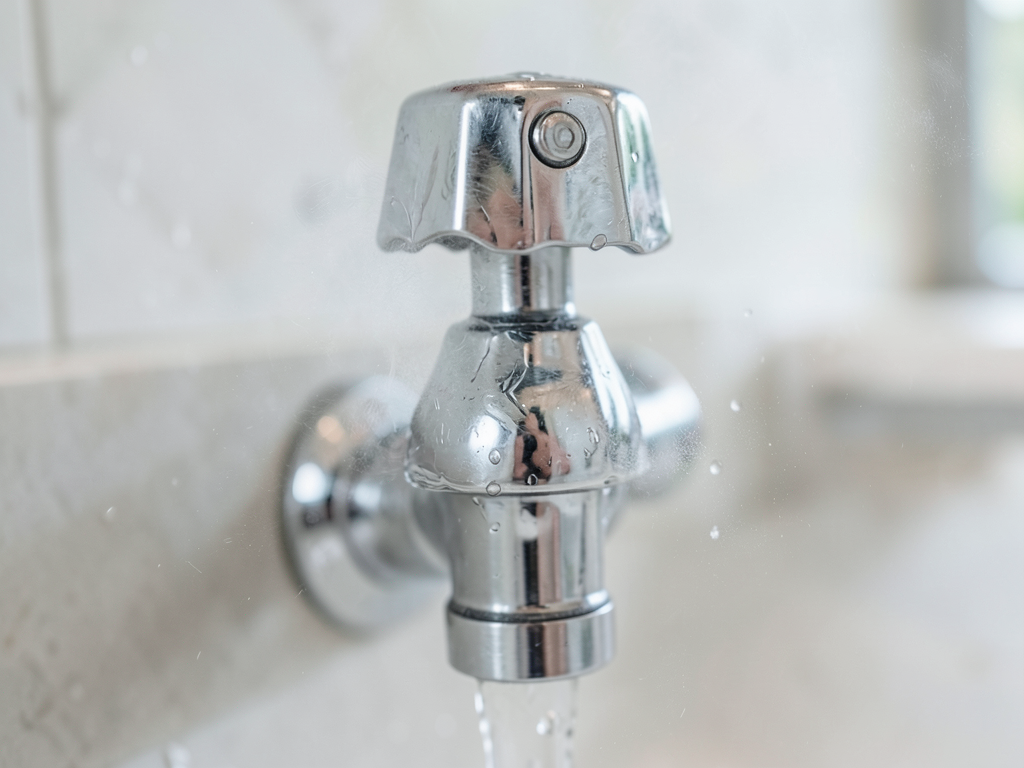
Why Your Charlotte Tap Water Smells Like a Swimming Pool
Your tap water smells like chlorine because Charlotte Water uses chlorine to kill harmful bacteria and keep your water safe as it travels through miles of pipes. That bleach-like odor is actually a sign the treatment system is working but it can be annoying. If you notice a strong chemical smell especially after a water main break or during seasonal maintenance it usually means the chlorine levels are higher than normal. The good news is it is almost always safe to drink and there are simple ways to reduce the smell at home. Is a Tankless Water Heater Worth It for Your Ballantyne Home?.
Charlotte’s water comes from the Catawba River and is treated at facilities like the Franklin Water Treatment Plant before it reaches your faucet. Chlorine is added to prevent contamination but sometimes it lingers longer than expected. Cold water holds onto chlorine gas more than warm water so you might notice it more in the morning. If the smell is only in your hot water it could be your water heater’s anode rod reacting with the chlorine. If it is in both hot and cold water it is likely coming from the city supply. Signs You Need a Main Water Line Replacement in Pineville.
Charlotte Water follows EPA rules that limit chlorine to 4.0 mg/L which is well below harmful levels. Still some people are more sensitive to the taste and smell. The smell can get stronger during system flushing or after repairs when chlorine is boosted to clear the pipes. If you are on well water or have old galvanized pipes the problem could be different and might need a plumber to check for bacteria or pipe corrosion. EPA National Secondary Drinking Water Regulations.
To get rid of the smell you can let water sit in an open pitcher for a few hours so the chlorine gas escapes. Boiling water for one minute also removes chlorine but that is not practical for drinking all the time. For a long-term fix a whole-home activated carbon filter or reverse osmosis system can remove chlorine and other chemicals before they reach your tap. These systems are especially helpful if you have sensitive skin or notice the smell in your shower too.
If the smell suddenly gets much stronger or you see discoloration or sediment it is worth calling a plumber to rule out a plumbing issue. Sometimes a failing water heater or a cross-connection in your pipes can cause strange odors. A professional can test your water and recommend the right filtration system for your home. Professional Toilet Repair and Installation Services in Matthews.
Call (980) 342-9933 today to schedule your water quality inspection. We will test your water and recommend the best filtration system to make your tap water taste fresh again.
How Charlotte’s Water Treatment Creates That Pool Smell
Charlotte Water uses a process called chlorination to disinfect water before it leaves the treatment plant. Chlorine is added in a controlled amount to kill bacteria viruses and other pathogens. As water travels through the city’s network of pipes the chlorine slowly breaks down. If your home is far from the treatment plant or if there was a recent water main repair the chlorine may still be active when it reaches you which is why you smell it. EPA Chlorine Emergency Disinfection Guidelines.
During certain times of the year Charlotte Water performs system flushing which temporarily boosts chlorine levels to clean out sediment and biofilms. This is when many homeowners notice the strongest pool-like smell. The flushing usually lasts a few days and is announced in advance. If you are sensitive to the smell you might want to use a filter during these periods.
Another factor is water temperature. Cold water holds dissolved gases including chlorine better than warm water. That is why the smell is often strongest when you first turn on the cold tap in the morning. If you only smell it in hot water the problem might be inside your water heater. The anode rod inside the tank can react with chlorine and create a sulfur or bleach odor. Replacing the rod or flushing the tank can fix this.
Charlotte’s water also contains naturally occurring minerals that can interact with chlorine. For example high levels of organic matter in the source water can create disinfection byproducts like trihalomethanes. While these are regulated by the EPA they can contribute to the overall chemical smell. A professional water test can tell you exactly what is in your water and whether a filter is needed.
If you live in an older home with galvanized pipes the inside of the pipes may be corroding. This can release iron and other metals into the water which then react with chlorine to create a stronger odor. In this case repiping might be the only permanent solution. A plumber can inspect your pipes and recommend the best course of action.
Call (980) 342-9933 to schedule a professional water quality test. We will identify the source of the smell and recommend the right fix for your home.
Is Chlorine in Your Water Dangerous
According to the EPA the maximum safe level of chlorine in drinking water is 4.0 mg/L. Charlotte Water consistently stays below this limit. At these levels chlorine is not considered harmful to healthy adults. However some people especially those with asthma or skin conditions may experience irritation from long-term exposure. The smell itself is not a health risk but it can be unpleasant.
Chlorine can react with organic matter in water to form disinfection byproducts like trihalomethanes. The EPA regulates these byproducts because high levels over many years may increase cancer risk. Charlotte Water tests for these compounds regularly and publishes the results in its annual water quality report. If you are concerned about byproducts a reverse osmosis system can remove them more effectively than a basic carbon filter.
For most people the bigger issue is the taste and smell rather than safety. If you are pregnant nursing or have a compromised immune system you might want to use a filter as a precaution. Bottled water is an option but it is expensive and creates plastic waste. A home filtration system is more cost effective and environmentally friendly.
If you notice a sudden change in water color or smell it could indicate a problem with the distribution system. For example a broken water main can stir up sediment and cause the utility to boost chlorine levels temporarily. In rare cases a cross-connection between your plumbing and a non-potable source can introduce contaminants. If you are ever unsure about your water quality contact Charlotte Water or a licensed plumber for testing. Plumbing Mint Hill.
Call (980) 342-9933 if you are concerned about your water quality. We offer professional testing and can recommend the best filtration system for your needs.
How to Remove Chlorine Smell from Your Tap Water
The easiest way to reduce chlorine smell is to let water sit in an open container for a few hours. Chlorine is a gas and will naturally dissipate into the air. This works well for drinking water but is not practical for cooking or bathing. Boiling water for one minute also removes chlorine but again it is not a long-term solution.
For a more permanent fix consider installing a point-of-use carbon filter on your kitchen faucet. These filters use activated carbon to trap chlorine and other chemicals. They are inexpensive and easy to install but only treat water at one tap. If you want chlorine free water throughout your home you will need a whole-house carbon filter installed where the water enters your home.
Reverse osmosis systems are more comprehensive. They use a semi-permeable membrane to remove chlorine along with lead arsenic and other contaminants. These systems are installed under the sink and include a separate faucet for drinking water. They are more expensive than carbon filters but provide the highest quality water.
If you have a water softener it will not remove chlorine. In fact some softeners can make the smell worse by releasing sodium into the water. If you have both a softener and a chlorine problem you may need a separate carbon filter before or after the softener.
For those with sensitive skin a shower filter can make a big difference. These attach to the shower arm and remove chlorine before it touches your skin. They are especially helpful for people with eczema or dry skin. Some models also reduce scale buildup which can extend the life of your showerhead.
Call (980) 342-9933 to learn more about water filtration options. We can help you choose the right system for your home and budget.
When to Call a Professional Plumber in Charlotte
If the chlorine smell is constant and strong it is worth having a plumber test your water. A sudden change in odor color or taste could indicate a problem with your plumbing or the city supply. For example a failing water heater anode rod can create a sulfur smell that is mistaken for chlorine. A plumber can inspect your system and recommend the right fix.
If you have old galvanized pipes the inside may be corroding. This can release metals into the water which then react with chlorine to create a stronger odor. In this case repiping with PEX or copper may be the only permanent solution. A professional can assess your pipes and provide a quote.
If you are on a well or have a private water system the rules are different. Well water is not treated with chlorine so a strong chemical smell could indicate contamination. A plumber can test for bacteria nitrates and other contaminants and recommend a treatment system.
If you are buying or selling a home a water quality test is often required. A plumber can provide documentation of your water’s safety and help you address any issues before closing. This can prevent delays and protect your investment.
If you are installing a new water heater or filtration system it is best to hire a licensed plumber. Improper installation can void warranties and create safety hazards. A professional will ensure everything is up to code and working properly.
Call (980) 342-9933 to schedule your water quality inspection. We will test your water and recommend the best solution for your home.
Frequently Asked Questions
Why does my water smell like chlorine only in the morning?
Cold water holds onto chlorine gas better than warm water. When water sits in your pipes overnight the chlorine does not dissipate as quickly. Running the tap for a few seconds usually clears the smell.
Is it safe to drink water that smells like chlorine?
Yes. Charlotte Water keeps chlorine levels well below the EPA limit of 4.0 mg/L. The smell is unpleasant but not harmful to most people.
Can I remove chlorine from my water without a filter?
Yes. Letting water sit in an open container for a few hours or boiling it for one minute will remove chlorine. These methods are not practical for all uses but work for drinking water.
How much does a whole-house water filter cost?
Prices vary by system type and home size. A basic carbon filter might cost $500 to $1500 installed. Reverse osmosis systems are more expensive at $1500 to $3000. Call us for a quote.
Does a water softener remove chlorine?
No. Water softeners remove hardness minerals like calcium and magnesium. They do not remove chlorine or other chemicals. You need a separate carbon filter for that.
{
“@context”: “https://schema.org”,
“@type”: “BlogPosting”,
“headline”: “Why your Charlotte tap water smells like a swimming pool”,
“description”: “Is your Charlotte tap water smelling like chlorine? Learn why CLTWater uses chlorine treatment, when it’s normal, and how to fix the smell with expert filtration solutions.”,
“wordCount”: 1932,
“datePublished”: “2026-05-27T07:55:00.000Z”,
“dateModified”: “2026-05-27T07:55:00.000Z”,
“inLanguage”: “en-US”,
“mainEntityOfPage”: {
“@type”: “WebPage”,
“@id”: “https://keystoneplumbingcharlotte.com”
},
“publisher”: {
“@type”: “LocalBusiness”,
“name”: “Keystone Plumbing Charlotte”,
“url”: “https://keystoneplumbingcharlotte.com”
},
“author”: {
“@type”: “Organization”,
“name”: “Keystone Plumbing Charlotte”,
“url”: “https://keystoneplumbingcharlotte.com”
},
“image”: {
“@type”: “ImageObject”,
“url”: “https://keystoneplumbingcharlotte.com/wp-content/uploads/2026/03/why-your-charlotte-tap-water-smells-like-a-swimmin-1.png”
}
}
{
“@context”: “https://schema.org”,
“@type”: “Plumber”,
“name”: “Keystone Plumbing Charlotte”,
“url”: “https://keystoneplumbingcharlotte.com”,
“address”: {
“@type”: “PostalAddress”,
“addressLocality”: “Charlotte”
},
“areaServed”: {
“@type”: “City”,
“name”: “Charlotte”
}
}
{
“@context”: “https://schema.org”,
“@type”: “FAQPage”,
“mainEntity”: [
{
“@type”: “Question”,
“name”: “Why does my water smell like chlorine only in the morning?”,
“acceptedAnswer”: {
“@type”: “Answer”,
“text”: “Cold water holds onto chlorine gas better than warm water. When water sits in your pipes overnight the chlorine does not dissipate as quickly. Running the tap for a few seconds usually clears the smell.”
}
},
{
“@type”: “Question”,
“name”: “Is it safe to drink water that smells like chlorine?”,
“acceptedAnswer”: {
“@type”: “Answer”,
“text”: “Yes. Charlotte Water keeps chlorine levels well below the EPA limit of 4.0 mg/L. The smell is unpleasant but not harmful to most people.”
}
},
{
“@type”: “Question”,
“name”: “Can I remove chlorine from my water without a filter?”,
“acceptedAnswer”: {
“@type”: “Answer”,
“text”: “Yes. Letting water sit in an open container for a few hours or boiling it for one minute will remove chlorine. These methods are not practical for all uses but work for drinking water.”
}
},
{
“@type”: “Question”,
“name”: “How much does a whole-house water filter cost?”,
“acceptedAnswer”: {
“@type”: “Answer”,
“text”: “Prices vary by system type and home size. A basic carbon filter might cost $500 to $1500 installed. Reverse osmosis systems are more expensive at $1500 to $3000. Call us for a quote.”
}
},
{
“@type”: “Question”,
“name”: “Does a water softener remove chlorine?”,
“acceptedAnswer”: {
“@type”: “Answer”,
“text”: “No. Water softeners remove hardness minerals like calcium and magnesium. They do not remove chlorine or other chemicals. You need a separate carbon filter for that.”
}
}
]
}
{
“@context”: “https://schema.org”,
“@type”: “BreadcrumbList”,
“itemListElement”: [
{
“@type”: “ListItem”,
“position”: 1,
“name”: “Home”,
“item”: “https://keystoneplumbingcharlotte.com”
},
{
“@type”: “ListItem”,
“position”: 2,
“name”: “Blog”,
“item”: “https://keystoneplumbingcharlotte.com/blog”
},
{
“@type”: “ListItem”,
“position”: 3,
“name”: “Why your Charlotte tap water smells like a swimming pool”
}
]
}
{
“@context”: “https://schema.org”,
“@type”: “Service”,
“serviceType”: “Plumbing”,
“provider”: {
“@type”: “LocalBusiness”,
“name”: “Keystone Plumbing Charlotte”,
“url”: “https://keystoneplumbingcharlotte.com”
},
“areaServed”: {
“@type”: “City”,
“name”: “Charlotte”
},
“description”: “Is your Charlotte tap water smelling like chlorine? Learn why CLTWater uses chlorine treatment, when it’s normal, and how to fix the smell with expert filtration solutions.”
}