
Why your new shower head has terrible pressure (and how to fix it)
Few things ruin a morning shower faster than weak water pressure. You just installed a shiny new shower head expecting a refreshing spray but instead get a disappointing trickle. Before you blame the fixture or start shopping for replacements the problem might be right in your Charlotte home’s plumbing system. Charlotte Plumbing Code.
Charlotte’s water supply from Mecklenburg County often contains minerals that build up inside pipes and fixtures over time. When you swap out an old shower head for a new one those deposits can suddenly restrict flow through the new fixture. Sometimes the issue is as simple as a flow restrictor that needs adjustment or a valve that is not fully open. Mecklenburg County Water Quality.
This guide walks you through the most common causes of low pressure after installing a new shower head and shows you exactly how to fix each one. You will learn when a quick DIY fix works and when it is time to call a licensed Charlotte plumber to protect your pipes from damage. Common Sewer Line Issues for Historic Dilworth Properties and How to Fix Them.
Check these first before blaming the shower head
Before you start taking things apart confirm the problem is isolated to the shower. Turn on other faucets in the bathroom and kitchen. If they all have low pressure the issue is likely with your main water supply or pressure reducing valve. If only the shower is affected the problem is in that fixture or its supply line. Is a Tankless Water Heater Worth It for Your Ballantyne Home?.
Next check your main water shut off valve. It should be fully open. A partially closed valve can choke off pressure to your entire home. This is especially common after plumbing work when valves get nudged closed. Signs You Need a Main Water Line Replacement in Pineville.
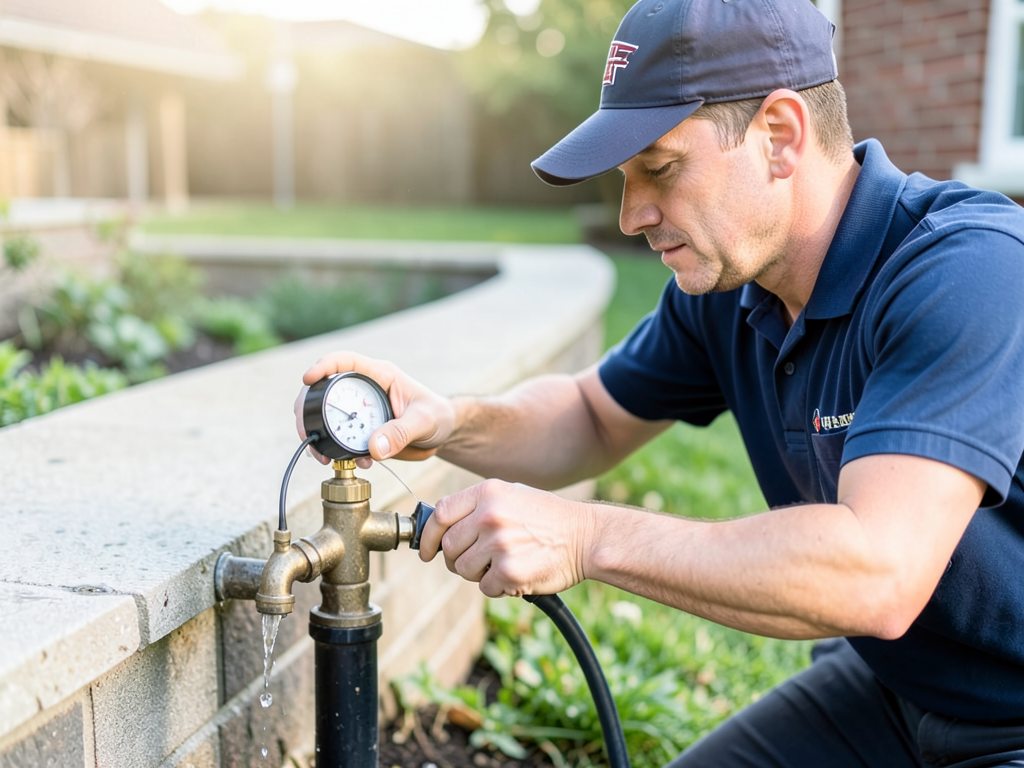
Also test your home’s overall water pressure with a gauge. Normal pressure ranges from 45 to 80 PSI. Anything below 40 PSI will feel weak at every fixture. If your pressure is too low you may need a professional to adjust or replace your pressure reducing valve. Professional Toilet Repair and Installation Services in Matthews.
Clean mineral buildup from your shower head
Charlotte’s water contains calcium and magnesium that leave white crusty deposits inside shower heads. These deposits clog the tiny spray nozzles and reduce water flow. The fix is simple and costs almost nothing.
Remove the shower head and soak it in white vinegar for at least two hours. The acid dissolves mineral buildup without damaging the fixture. After soaking scrub the nozzles with an old toothbrush then rinse thoroughly. If you cannot remove the head fill a plastic bag with vinegar and secure it around the fixture with a rubber band.
Once clean test the pressure. You should notice a dramatic improvement if mineral buildup was the culprit. This works on any shower head whether it is new or old.
Inspect and adjust the flow restrictor
Most modern shower heads include a small plastic or rubber disc called a flow restrictor. This device limits water usage to meet EPA WaterSense standards typically capping flow at 1.8 gallons per minute. While great for conservation it can feel like weak pressure. EPA WaterSense Standards.
Remove the shower head and look inside the connection point. You will see a small disc with a star shaped or round hole in the center. Use a flathead screwdriver to pop it out. Be careful not to damage the rubber washer that seals the connection.
If you prefer to keep the restrictor but want more pressure try drilling the hole slightly larger with a 1/8 inch bit. This increases flow without completely removing the water saving feature. Always test after any modification to ensure you do not create leaks.
Check the shower arm and supply line
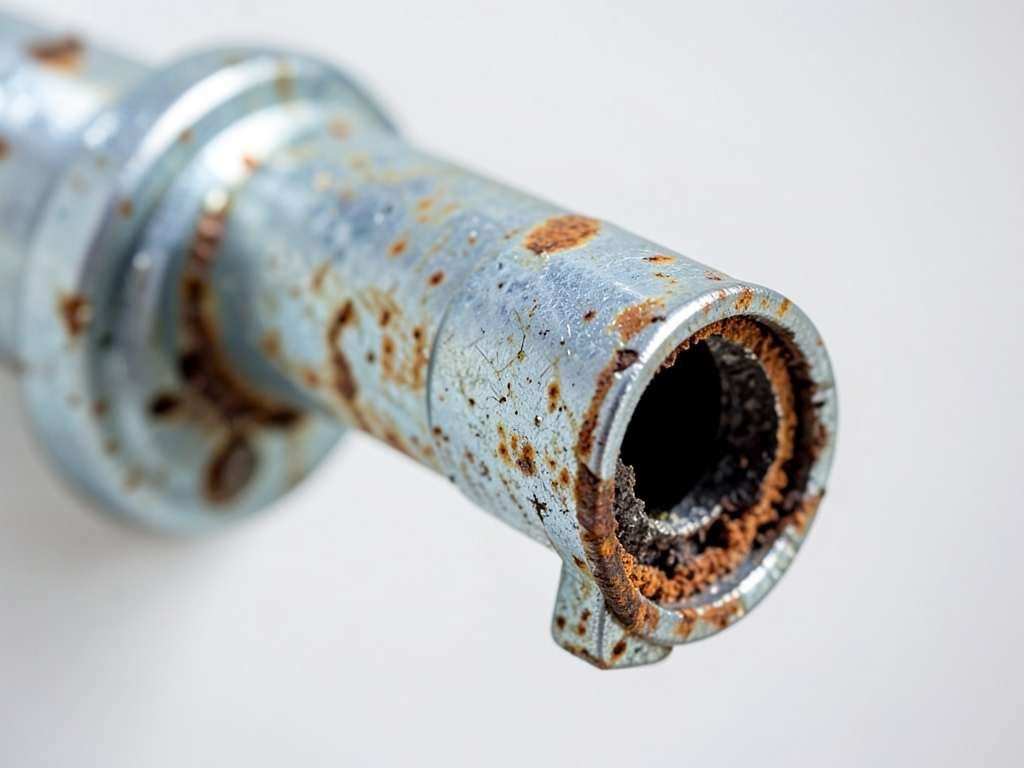
The shower arm is the pipe that connects your shower head to the wall. Old galvanized steel arms common in Charlotte’s older neighborhoods can corrode inside narrowing the passage for water. Even a small amount of internal rust can cut flow by half.
Remove the shower head and look inside the arm with a flashlight. If you see rust flakes or mineral buildup the arm needs replacement. Use two pipe wrenches to unscrew it from the wall fitting. Wrap threads with plumber’s tape before installing a new chrome or brass arm.
While you have the arm off check the supply line inside the wall. If you hear a whistling sound when water runs it could indicate a partially closed valve or debris in the line. These issues require a plumber to access and repair safely. Gas Line Repair & Installation.
Test and adjust your home’s pressure reducing valve
Many Charlotte homes built in the last twenty years have a pressure reducing valve or PRV installed where the main water line enters the house. This device protects pipes from high municipal pressure but can fail or drift out of adjustment over time.
Locate your PRV usually in a utility area near the main shut off valve. It looks like a bell shaped device with a screw on top. Use a pressure gauge on an outdoor spigot to check your home’s pressure. If it reads below 45 PSI try turning the PRV adjustment screw clockwise a quarter turn.
Wait a few minutes then test again. Never exceed 80 PSI as high pressure can damage fixtures and cause leaks. If adjusting does not help the PRV may need replacement which requires a licensed plumber.
Flush your water heater to remove sediment
Hard water minerals settle at the bottom of your water heater forming a layer of sediment. This reduces the tank’s efficiency and can cause fluctuating pressure when hot water runs. If your shower pressure drops when you switch from cold to hot this could be the cause.
Turn off the water heater and let it cool for several hours. Connect a garden hose to the drain valve at the bottom and run it to a floor drain or outside. Open the valve and let the tank empty completely. This flushes out sediment that restricts flow.
After flushing close the valve refill the tank and restore power. You should notice better hot water pressure and more consistent temperature in your shower.
Know when to call a Charlotte plumber
Some pressure problems go beyond simple fixes. If you have galvanized pipes in a historic Dilworth or Myers Park home corrosion may have narrowed the pipes throughout your house. This requires professional repiping to restore proper flow.
Leaks in walls or under slabs also cause pressure drops. Signs include water stains on ceilings or walls unexplained wet spots in the yard or the sound of running water when all fixtures are off. These issues waste water and can cause structural damage if ignored.
A plumber can also test for problems with your main water line such as tree root intrusion or pipe collapse. These issues affect your entire home and require specialized equipment to diagnose and repair.
Compare DIY fixes vs professional repairs
| Problem | DIY Fix | Professional Repair | Cost Range | Time to Complete | Success Rate |
|---|---|---|---|---|---|
| Mineral buildup in shower head | Vinegar soak and cleaning | NA | Under $10 | 2-4 hours | 90% |
| Flow restrictor adjustment | Remove or modify restrictor | NA | Under $20 | 30-60 minutes | 85% |
| Corroded shower arm | Replace with new arm | Replace with access panel | $30-$150 | 1-2 hours | 95% |
| PRV adjustment or replacement | NA | Adjust or replace PRV | $150-$400 | 2-4 hours | 100% |
| Galvanized pipe corrosion | NA | Whole house repiping | $2000-$8000 | 2-5 days | 100% |
| Main line leak | NA | Locate and repair leak | $500-$3000 | 4-8 hours | 95% |
Prevent future pressure problems
Once you restore good pressure take steps to keep it that way. Install a whole house water softener if your water tests high in hardness minerals. This protects all your fixtures and appliances from scale buildup.
Replace old galvanized pipes before they fail completely. Modern PEX or copper piping resists corrosion and maintains better flow. This is especially important in Charlotte’s older neighborhoods where pipes may be fifty years old or more.
Schedule annual plumbing inspections to catch small issues before they become big problems. A plumber can test pressure flush your water heater and check for early signs of corrosion or leaks.
Charlotte’s water quality and your plumbing
Mecklenburg County’s water comes from the Catawba and Yadkin River basins. While treated to high standards the water naturally contains minerals that affect your plumbing over time. Homes in areas like Ballantyne and SouthPark often see faster mineral buildup due to water chemistry and pipe materials used in newer construction.
Historic neighborhoods like Dilworth face different challenges. Many homes still have original galvanized steel pipes that corrode from the inside out. The clay soil common in Charlotte’s Piedmont region also shifts slightly with seasonal changes putting stress on underground pipes.
Understanding these local factors helps you make better decisions about maintenance and repairs. What works in one Charlotte neighborhood might not be the best choice for another.
Frequently Asked Questions
Why does my new shower head have no pressure when the old one worked fine?
The old head was likely clogged with mineral deposits that restricted flow. The new head has clean nozzles so you notice the actual pressure in your pipes. This often reveals existing plumbing issues like partially closed valves or corroded pipes.
Can I remove the flow restrictor from any shower head?
Most modern shower heads have removable restrictors but some are integrated into the fixture. Check your model online before attempting removal. Some manufacturers void warranties if you modify the restrictor.
How do I know if my pressure is too low?
Normal household pressure ranges from 45 to 80 PSI. You can test with a simple gauge from a hardware store. Pressure below 40 PSI will feel weak at every fixture and may indicate a problem with your main supply or PRV.
Restore your shower’s power today
Weak shower pressure wastes your time and ruins your morning routine. Many fixes are simple enough for any homeowner but some problems need professional tools and expertise. If you have tried cleaning and adjusting your shower head without success the issue might be deeper in your plumbing system.
Call (980) 342-9933 today to schedule a professional water pressure inspection. Our licensed Charlotte plumbers will diagnose the problem quickly and recommend the most cost effective solution. Do not let another disappointing shower start your day.
Pick up the phone and call (980) 342-9933 before the next storm hits. Charlotte’s changing weather can stress older plumbing systems and turn small pressure issues into big emergencies. We are ready to help seven days a week.
[IMAGE_PLACEHOLDER_3>
{
“@context”: “https://schema.org”,
“@type”: “BlogPosting”,
“headline”: “Why your new shower head has terrible pressure (and how to fix it)”,
“description”: “Fix weak shower pressure after installing a new shower head. Learn DIY solutions and when to call a Charlotte plumber. Call (980) 342-9933 for help.”,
“wordCount”: 1796,
“datePublished”: “2026-06-04T08:17:00.000Z”,
“dateModified”: “2026-06-04T08:17:00.000Z”,
“inLanguage”: “en-US”,
“mainEntityOfPage”: {
“@type”: “WebPage”,
“@id”: “https://keystoneplumbingcharlotte.com”
},
“publisher”: {
“@type”: “LocalBusiness”,
“name”: “Keystone Plumbing Charlotte”,
“url”: “https://keystoneplumbingcharlotte.com”
},
“author”: {
“@type”: “Organization”,
“name”: “Keystone Plumbing Charlotte”,
“url”: “https://keystoneplumbingcharlotte.com”
},
“image”: {
“@type”: “ImageObject”,
“url”: “https://keystoneplumbingcharlotte.com/wp-content/uploads/2026/03/why-your-new-shower-head-has-terrible-pressure-and-1.png”
}
}
{
“@context”: “https://schema.org”,
“@type”: “Plumber”,
“name”: “Keystone Plumbing Charlotte”,
“url”: “https://keystoneplumbingcharlotte.com”,
“address”: {
“@type”: “PostalAddress”,
“addressLocality”: “Charlotte”
},
“areaServed”: {
“@type”: “City”,
“name”: “Charlotte”
}
}
{
“@context”: “https://schema.org”,
“@type”: “FAQPage”,
“mainEntity”: [
{
“@type”: “Question”,
“name”: “Why does my new shower head have no pressure when the old one worked fine?”,
“acceptedAnswer”: {
“@type”: “Answer”,
“text”: “The old head was likely clogged with mineral deposits that restricted flow. The new head has clean nozzles so you notice the actual pressure in your pipes. This often reveals existing plumbing issues like partially closed valves or corroded pipes.”
}
},
{
“@type”: “Question”,
“name”: “Can I remove the flow restrictor from any shower head?”,
“acceptedAnswer”: {
“@type”: “Answer”,
“text”: “Most modern shower heads have removable restrictors but some are integrated into the fixture. Check your model online before attempting removal. Some manufacturers void warranties if you modify the restrictor.”
}
}
]
}
{
“@context”: “https://schema.org”,
“@type”: “BreadcrumbList”,
“itemListElement”: [
{
“@type”: “ListItem”,
“position”: 1,
“name”: “Home”,
“item”: “https://keystoneplumbingcharlotte.com”
},
{
“@type”: “ListItem”,
“position”: 2,
“name”: “Blog”,
“item”: “https://keystoneplumbingcharlotte.com/blog”
},
{
“@type”: “ListItem”,
“position”: 3,
“name”: “Why your new shower head has terrible pressure (and how to fix it)”
}
]
}
{
“@context”: “https://schema.org”,
“@type”: “Service”,
“serviceType”: “Plumbing”,
“provider”: {
“@type”: “LocalBusiness”,
“name”: “Keystone Plumbing Charlotte”,
“url”: “https://keystoneplumbingcharlotte.com”
},
“areaServed”: {
“@type”: “City”,
“name”: “Charlotte”
},
“description”: “Fix weak shower pressure after installing a new shower head. Learn DIY solutions and when to call a Charlotte plumber. Call (980) 342-9933 for help.”
}