
Why Your Pipes Are Sweating and Drip Throughout the Hidden Valley Summer
Your Hidden Valley home feels damp this summer and you notice water droplets forming on exposed pipes in your crawl space or basement. Before you panic about a plumbing leak, let me explain what’s really happening. Charlotte’s summer humidity creates perfect conditions for pipe condensation, a common issue that affects hundreds of homes in our area each year. Charlotte Water system.
When cold water flows through your pipes during our hot, humid summer months, the temperature difference between the cold water inside and the warm, moist air outside causes moisture in the air to condense on the pipe surface. This creates the appearance of a leak, but it’s actually just physics at work. The real concern isn’t the condensation itself, but what happens when that moisture accumulates on wood framing, insulation, and drywall over time. Is a Tankless Water Heater Worth It for Your Ballantyne Home?.
Understanding the difference between harmless condensation and a true plumbing leak could save you hundreds in unnecessary service calls. Let me show you how to identify the problem, understand the risks, and implement solutions that work specifically for Hidden Valley homes. Hidden Slab Leak Detection for Homeowners in South Park.
Understanding Pipe Condensation vs. Pipe Leaks
Many Hidden Valley homeowners mistake pipe sweating for a leak, especially when they discover wet spots on basement floors or damp insulation in crawl spaces. Here’s how to tell the difference before calling for emergency service.
The Tissue Test is your first diagnostic step. Take a dry tissue and wipe the pipe surface where you see moisture. If the tissue comes away wet with clear water and the moisture appears uniformly across the pipe length, you’re likely dealing with condensation. If the tissue shows dirty or rusty water concentrated at a single spot or joint, you may have a pinhole leak that requires immediate attention. Signs You Need a Main Water Line Replacement in Pineville.
Another key indicator is timing. Condensation typically appears when humidity rises above 60% and disappears when humidity drops or when the cold water stops flowing. A true leak continues regardless of weather conditions or water usage patterns.. Read more about Why Your Attic Water Heater Needs a Secondary Drain Pan in Mooresville.
Hidden Valley homes, particularly those built before 2000, often have exposed copper or galvanized pipes in unconditioned spaces where temperature swings are most extreme. The older your plumbing, the more likely you are to experience condensation issues as pipes lose their factory-applied protective coatings over time. Plumbing Mint Hill.
The Physics of Sweating Pipes in the Queen City
Charlotte’s humid subtropical climate creates the perfect storm for pipe condensation. During July and August, our average relative humidity hovers around 70-75%, with dew point temperatures often reaching 70°F or higher. When cold water from your municipal supply (typically 50-55°F) flows through pipes exposed to this warm, moist air, condensation forms rapidly.
The science is straightforward but powerful. Air can only hold so much moisture at a given temperature. When warm air contacts a surface colder than its dew point temperature, water vapor condenses into liquid form. In Hidden Valley, where many homes sit on crawl space foundations with poor ventilation, this process accelerates dramatically.
Mecklenburg County’s clay soil also plays a role. Our heavy Piedmont clay retains moisture and releases it slowly into the surrounding air, creating a microclimate around your foundation that’s even more humid than the general Charlotte area. This explains why neighbors just a few miles away might not experience the same level of pipe sweating.
Water pressure fluctuations from Charlotte Water’s system can compound the problem. When pressure drops suddenly and then surges back, it causes temperature variations in your pipes that trigger additional condensation cycles throughout the day.
Hidden Dangers: Why You Shouldn’t Ignore the Drip
While pipe condensation might seem harmless, the moisture it creates can lead to serious structural and health problems in Hidden Valley homes. The constant dampness provides ideal conditions for mold growth, wood rot, and pest infestations.
Wood framing in crawl spaces and basements can absorb moisture from sweating pipes, causing it to swell, warp, and eventually rot. This process can weaken floor joists and support beams over time. In Hidden Valley’s older homes, where many have original wood framing from the 1970s and 1980s, this deterioration happens faster than in newer construction.
Mold thrives in environments with consistent moisture and organic material to feed on. The combination of damp wood, paper-faced insulation, and our warm summer temperatures creates perfect mold-growing conditions. Once established, mold can spread rapidly through your home’s air circulation system, causing respiratory issues and allergic reactions.
Termites and carpenter ants are attracted to moisture-damaged wood. A small pipe condensation problem can escalate into a major pest infestation if left untreated. These pests can cause thousands in structural damage before you even notice their presence.
Electrical systems in crawl spaces and basements are particularly vulnerable. Water dripping from sweating pipes can corrode electrical connections, create short circuits, and pose serious fire hazards. The National Electrical Code requires proper protection of electrical components in these areas, but many older Hidden Valley homes don’t meet current standards.
5 Effective Solutions to Stop Pipe Condensation
Addressing pipe condensation requires a multi-pronged approach that tackles both the immediate moisture problem and the underlying humidity issues in your home. Here are five proven solutions that work well for Hidden Valley properties.
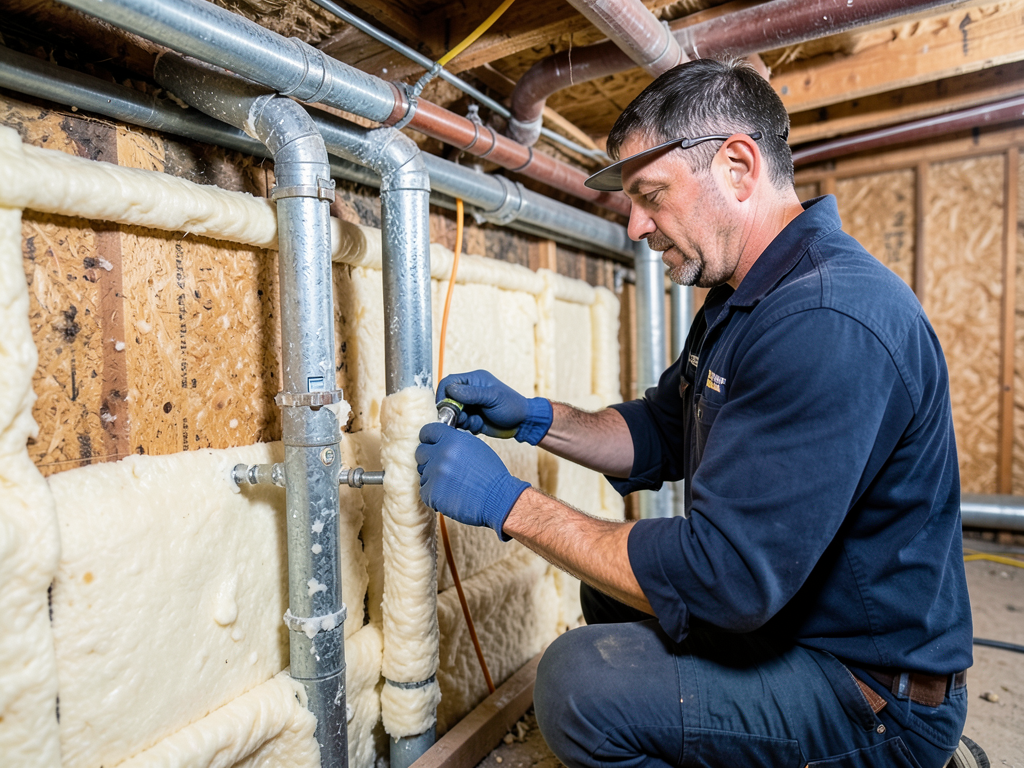
Foam pipe insulation is your first line of defense. Polyethylene foam sleeves slip easily over existing pipes and provide a thermal barrier that prevents warm, moist air from contacting cold pipe surfaces. For Hidden Valley homes, I recommend the thicker 3/4-inch wall insulation rather than standard 1/2-inch options, as our humidity levels demand extra protection. The closed-cell structure also resists moisture absorption, unlike older fiberglass options.
Rubber insulation offers superior performance in extreme conditions. While more expensive than foam, rubber pipe insulation provides better thermal resistance and durability. It’s particularly effective for pipes that experience frequent temperature swings or are located in areas with poor air circulation.
Crawl space encapsulation can dramatically reduce overall humidity levels. This process involves installing a heavy-duty vapor barrier on the ground and sealing foundation vents. Many Hidden Valley homes built before the 2000s have vented crawl spaces that allow humid outdoor air to circulate freely, creating the perfect environment for pipe sweating.. Read more about Should You Install a French Drain or a Sump Pump in Your Charlotte Basement?.
Dehumidification systems specifically designed for crawl spaces and basements can maintain relative humidity below 60%, the threshold where condensation becomes problematic. These units are more powerful than standard room dehumidifiers and can handle the square footage typical of Hidden Valley homes.
Anti-sweat valves for toilets and other fixtures mix a small amount of hot water with cold water lines, raising the temperature just enough to prevent condensation while maintaining comfortable water temperatures. This solution works particularly well for Hidden Valley homes where toilet tanks frequently sweat during summer months. Professional Toilet Repair and Installation Services in Matthews.
When to Call a Professional Plumber
While many condensation issues can be addressed with DIY solutions, certain situations require professional intervention. Knowing when to call for help can prevent minor problems from becoming major structural issues.
If you notice corrosion on pipe fittings or valves, this indicates prolonged moisture exposure that may have compromised the pipe integrity. Copper pipes develop a green patina when exposed to moisture over time, while galvanized steel shows white oxidation. These signs suggest the condensation problem has been active for months or years.
Localized condensation at a single joint or connection point often indicates a slow leak rather than simple sweating. The moisture concentrates at the failure point rather than spreading evenly along the pipe length. This requires immediate professional diagnosis to prevent water damage and potential mold growth.
When condensation appears on hot water lines, this signals a different problem entirely. Hot water pipes should never sweat under normal conditions. This typically indicates a cross-connection with cold water lines or a malfunctioning mixing valve that’s allowing cold water to enter the hot water system.
If you discover mold growth around pipes or on nearby surfaces, the moisture problem has progressed beyond simple condensation. Professional remediation is necessary to safely remove the mold and address the underlying moisture source. The EPA recommends professional mold removal for areas larger than 10 square feet. EPA mold removal guidelines.
Hidden Valley homes with slab foundations present unique challenges. Condensation can travel through concrete and appear as water spots on floors far from the actual pipe location. Professional moisture mapping with infrared cameras can pinpoint the true source and prevent unnecessary demolition work.
Frequently Asked Questions
Is pipe condensation covered by homeowners insurance?
Standard homeowners insurance policies typically don’t cover damage from pipe condensation because it’s considered a maintenance issue rather than sudden damage. However, if condensation leads to secondary damage like mold growth or structural rot, some policies may provide coverage if you can demonstrate you took reasonable steps to prevent the problem.
How much does professional pipe insulation cost in Hidden Valley?
Professional pipe insulation installation for a typical Hidden Valley home ranges from $500 to $1,500 depending on the scope of work. This includes labor, materials, and any necessary preparation like cleaning corroded pipes. The investment typically pays for itself within 2-3 years through reduced energy costs and prevented water damage.
Can I use regular insulation from the hardware store?
While hardware store foam insulation can work for minor condensation issues, it’s often not sufficient for Hidden Valley’s extreme humidity levels. Professional-grade insulation has a higher R-value, better moisture resistance, and often includes antimicrobial treatments that prevent mold growth on the insulation itself.
How long does pipe insulation last?
Quality pipe insulation typically lasts 10-15 years in Charlotte’s climate. However, insulation in crawl spaces may need replacement sooner due to pest damage, moisture accumulation behind the insulation, or degradation from constant humidity exposure. Annual inspections can help you identify when replacement is needed.
Will insulating my pipes make my water take longer to get hot?
Actually, pipe insulation helps maintain water temperature during transit, which can reduce the time you wait for hot water at fixtures. The insulation prevents heat loss from hot water lines and can slightly raise the temperature of water that’s been sitting in pipes, reducing the amount of hot water needed to reach your desired temperature.
Moisture Comparison Table
| Solution | Initial Cost | Effectiveness | Lifespan | Best For |
|---|---|---|---|---|
| Foam Insulation | $2-4 per linear foot | Moderate | 10-15 years | Exposed pipes in conditioned spaces |
| Rubber Insulation | $4-7 per linear foot | High | 15-20 years | Crawl spaces and basements |
| Crawl Space Encapsulation | $3,000-8,000 | Very High | 20-25 years | Whole-home moisture control |
| Dehumidifier System | $1,500-3,500 | High | 5-10 years | Continuous humidity control |
| Anti-Sweat Valves | $150-300 per fixture | High | 10-15 years | Toilet tanks and specific fixtures |
Don’t let pipe condensation damage your Hidden Valley home this summer. The moisture problems that seem minor now can escalate into major structural and health issues if left unaddressed. Whether you need professional diagnosis, insulation installation, or complete crawl space encapsulation, our team understands the unique challenges Charlotte’s climate creates for local homeowners.
Call (980) 342-9933 today to schedule your inspection. We’ll identify the source of your moisture problems and recommend solutions that protect your home and your family’s health. Don’t wait until that small drip becomes a big problem.
Pick up the phone and call (980) 342-9933 before the next storm hits. Our Hidden Valley plumbing experts are ready to help you stop the sweat and protect your home from moisture damage.
You may also find this helpful. Fixing a Leaking Ceiling Under Your Second Floor Bathroom in Eastover.
{
“@context”: “https://schema.org”,
“@type”: “BlogPosting”,
“headline”: “Why Your Pipes Are Sweating and Drip Throughout the Hidden Valley Summer”,
“description”: “Stop pipe condensation in Hidden Valley homes. Learn why your pipes sweat in Charlotte’s humidity and how to protect your home from moisture damage.”,
“wordCount”: 1913,
“datePublished”: “2026-04-11T09:31:00.000Z”,
“dateModified”: “2026-04-11T09:31:00.000Z”,
“inLanguage”: “en-US”,
“mainEntityOfPage”: {
“@type”: “WebPage”,
“@id”: “https://keystoneplumbingcharlotte.com”
},
“publisher”: {
“@type”: “LocalBusiness”,
“name”: “Keystone Plumbing Charlotte”,
“url”: “https://keystoneplumbingcharlotte.com”
},
“author”: {
“@type”: “Organization”,
“name”: “Keystone Plumbing Charlotte”,
“url”: “https://keystoneplumbingcharlotte.com”
},
“image”: {
“@type”: “ImageObject”,
“url”: “https://keystoneplumbingcharlotte.com/wp-content/uploads/2026/03/why-your-pipes-are-sweating-and-drip-throughout-th-1.png”
}
}
{
“@context”: “https://schema.org”,
“@type”: “Plumber”,
“name”: “Keystone Plumbing Charlotte”,
“url”: “https://keystoneplumbingcharlotte.com”,
“address”: {
“@type”: “PostalAddress”,
“addressLocality”: “Charlotte”
},
“areaServed”: {
“@type”: “City”,
“name”: “Charlotte”
}
}
{
“@context”: “https://schema.org”,
“@type”: “FAQPage”,
“mainEntity”: [
{
“@type”: “Question”,
“name”: “Is pipe condensation covered by homeowners insurance?”,
“acceptedAnswer”: {
“@type”: “Answer”,
“text”: “Standard homeowners insurance policies typically don’t cover damage from pipe condensation because it’s considered a maintenance issue rather than sudden damage. However, if condensation leads to secondary damage like mold growth or structural rot, some policies may provide coverage if you can demonstrate you took reasonable steps to prevent the problem.”
}
},
{
“@type”: “Question”,
“name”: “How much does professional pipe insulation cost in Hidden Valley?”,
“acceptedAnswer”: {
“@type”: “Answer”,
“text”: “Professional pipe insulation installation for a typical Hidden Valley home ranges from $500 to $1,500 depending on the scope of work. This includes labor, materials, and any necessary preparation like cleaning corroded pipes. The investment typically pays for itself within 2-3 years through reduced energy costs and prevented water damage.”
}
},
{
“@type”: “Question”,
“name”: “Can I use regular insulation from the hardware store?”,
“acceptedAnswer”: {
“@type”: “Answer”,
“text”: “While hardware store foam insulation can work for minor condensation issues, it’s often not sufficient for Hidden Valley’s extreme humidity levels. Professional-grade insulation has a higher R-value, better moisture resistance, and often includes antimicrobial treatments that prevent mold growth on the insulation itself.”
}
},
{
“@type”: “Question”,
“name”: “How long does pipe insulation last?”,
“acceptedAnswer”: {
“@type”: “Answer”,
“text”: “Quality pipe insulation typically lasts 10-15 years in Charlotte’s climate. However, insulation in crawl spaces may need replacement sooner due to pest damage, moisture accumulation behind the insulation, or degradation from constant humidity exposure. Annual inspections can help you identify when replacement is needed.”
}
},
{
“@type”: “Question”,
“name”: “Will insulating my pipes make my water take longer to get hot?”,
“acceptedAnswer”: {
“@type”: “Answer”,
“text”: “Actually, pipe insulation helps maintain water temperature during transit, which can reduce the time you wait for hot water at fixtures. The insulation prevents heat loss from hot water lines and can slightly raise the temperature of water that’s been sitting in pipes, reducing the amount of hot water needed to reach your desired temperature.”
}
}
]
}
{
“@context”: “https://schema.org”,
“@type”: “BreadcrumbList”,
“itemListElement”: [
{
“@type”: “ListItem”,
“position”: 1,
“name”: “Home”,
“item”: “https://keystoneplumbingcharlotte.com”
},
{
“@type”: “ListItem”,
“position”: 2,
“name”: “Blog”,
“item”: “https://keystoneplumbingcharlotte.com/blog”
},
{
“@type”: “ListItem”,
“position”: 3,
“name”: “Why Your Pipes Are Sweating and Drip Throughout the Hidden Valley Summer”
}
]
}
{
“@context”: “https://schema.org”,
“@type”: “Service”,
“serviceType”: “Plumbing”,
“provider”: {
“@type”: “LocalBusiness”,
“name”: “Keystone Plumbing Charlotte”,
“url”: “https://keystoneplumbingcharlotte.com”
},
“areaServed”: {
“@type”: “City”,
“name”: “Charlotte”
},
“description”: “Stop pipe condensation in Hidden Valley homes. Learn why your pipes sweat in Charlotte’s humidity and how to protect your home from moisture damage.”
}