
Why Your Charlotte Home’s Toilet Takes Forever to Refill (and How to Fix It)
Your toilet should refill in 30 to 90 seconds after flushing. If it takes 5 minutes or longer you waste water risk overflow and deal with an annoying household problem that disrupts your daily routine. Is a Tankless Water Heater Worth It for Your Ballantyne Home?.
The good news is that most slow-filling toilet issues have simple causes you can fix yourself. But before you grab your wrench you need to understand what’s happening inside your toilet tank and how Charlotte’s specific water conditions might be affecting your plumbing. Charlotte Water.
Let’s walk through the most common reasons your toilet is slow to refill and show you exactly how to fix each one. Professional Toilet Repair and Installation Services in Matthews.
Common Causes of a Slow-Filling Toilet
Before you start replacing parts you need to identify the root cause. Here are the most frequent culprits we see in Charlotte homes:
1. Clogged or Partially Closed Supply Line
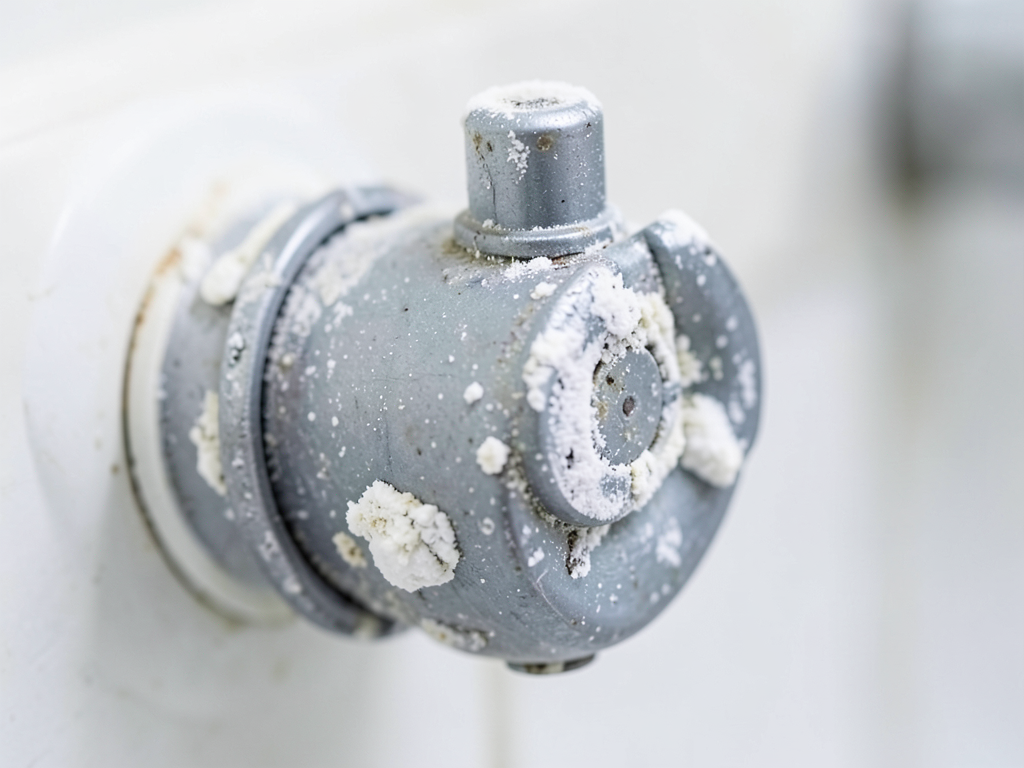
Your toilet’s supply line connects the wall valve to the toilet tank. Over time mineral deposits from Charlotte’s hard water can build up inside these lines restricting water flow. You might also have a partially closed shut-off valve that’s limiting water pressure. Signs You Need a Main Water Line Replacement in Pineville.
Symptoms: Water trickles in slowly tank takes 3-5 minutes to fill or you hear a hissing sound from the supply line.
2. Faulty Fill Valve
The fill valve controls water entering your tank. When it fails water flow becomes restricted or erratic. This is especially common in older toilets or those exposed to high mineral content. Common Sewer Line Issues for Historic Dilworth Properties and How to Fix Them.
Symptoms: Weak water stream inconsistent fill times or water stops filling before the tank is full.
3. Debris in the Fill Valve
Small particles from your water supply can get trapped in the fill valve mechanism preventing it from opening fully. This creates a bottleneck that slows water flow.
Symptoms: Intermittent filling water spurts instead of flowing steadily or the valve makes clicking sounds.
4. Misadjusted Float
The float controls when the fill valve shuts off. If it’s set too low or stuck the valve might close prematurely making it seem like the tank is filling slowly when it’s actually stopping early.
Symptoms: Tank never fills completely or water level drops between flushes.
5. Water Pressure Issues
Low water pressure throughout your home can affect toilet refill times. This might be due to municipal supply issues or problems with your home’s pressure regulator.. Read more about Why your new shower head has terrible pressure (and how to fix it).
Symptoms: Multiple fixtures have weak flow or you notice pressure changes throughout the day.
Step-by-Step DIY Troubleshooting Guide
Before calling a plumber try these diagnostic steps. Most slow-filling toilet problems can be resolved in under 30 minutes with basic tools.
Step 1: Check the Shut-Off Valve
Locate the valve on the wall behind your toilet. Turn it clockwise to ensure it’s fully open. If it’s a multi-turn valve count the turns – it should be fully open (usually 2-3 full turns).
Pro Tip: If the valve is hard to turn or leaks when you operate it that’s a sign it needs replacement. Don’t force it – call a professional if it’s stuck.
Step 2: Inspect the Supply Line
Disconnect the supply line from the toilet (turn off the shut-off valve first). Hold the line over a bucket and briefly turn the valve on. If water flows weakly you’ve found your problem.
Diagnostic Test: A healthy supply line should fill a 1-gallon bucket in under 30 seconds. If it takes longer the line is restricted.
Step 3: Clean or Replace the Fill Valve
Turn off the water flush the toilet to empty the tank then remove the fill valve cap. Look for debris or mineral buildup. Clean with vinegar or replace the entire valve if it’s old or damaged.
Technical Note: Fluidmaster 400A and Korky QuietFILL are the two most common fill valves in Charlotte homes. They have different cleaning procedures – check your model number before disassembly.
Step 4: Adjust the Float
For float cup valves squeeze the metal clip and slide the float up to increase water level. For ball floats gently bend the arm upward. The water should stop about 1 inch below the overflow tube.
Safety Check: Never set the float so high that water reaches the overflow tube – this wastes water and can cause continuous running.
Step 5: Test Water Pressure
Turn on multiple faucets in your home. If pressure drops significantly you might have a pressure regulator issue or municipal supply problem.
Warning Sign: If pressure is consistently low throughout the house don’t just fix the toilet – you need to address the root cause.
When the Issue Isn’t the Toilet: Water Pressure and Hard Water in Charlotte
Charlotte’s water comes from the Catawba and Yadkin river systems and contains moderate to high levels of dissolved minerals. This hard water (typically 80-120 mg/L as calcium carbonate) creates unique challenges for local plumbing systems.
Local Impact: The Piedmont region’s limestone bedrock contributes to mineral-rich water that accelerates scale buildup in valves supply lines and fixtures. Homes in areas like Ballantyne Matthews and SouthPark often experience faster mineral accumulation due to higher water usage patterns.
Understanding Your Water Pressure
Charlotte Water (CLTWater) typically maintains system pressure between 40-80 psi. However pressure can fluctuate based on:
- Time of day (higher usage during morning/evening)
- Elevation changes (higher areas may have lower pressure)
- Seasonal variations (summer irrigation demands)
- Local infrastructure projects
Diagnostic Tool: A simple pressure gauge (available at hardware stores) can tell you if your home’s pressure is within the ideal 45-65 psi range.
Hard Water Effects on Toilet Components
Mineral deposits don’t just slow fill times – they can cause complete valve failure. Common signs include:
- White or greenish crusty buildup on valves
- Stiff or stuck float mechanisms
- Reduced water flow through supply lines
- Premature wear of rubber seals
Local Standard: According to the North Carolina State Plumbing Code water pressure reducing valves are required when supply pressure exceeds 80 psi. Many Charlotte homes need these regulators to protect plumbing fixtures.
Average Costs for Professional Toilet Repair in North Carolina
Understanding repair costs helps you decide between DIY and professional service. Here’s what Charlotte homeowners typically pay: Gas Line Repair & Installation.
| Repair Type | DIY Cost Range | Professional Cost Range | Time Required |
|---|---|---|---|
| Fill Valve Replacement | $15-$30 | $150-$250 | 15-30 minutes |
| Supply Line Replacement | $10-$25 | $120-$200 | 20-40 minutes |
| Shut-Off Valve Replacement | $8-$20 | $180-$300 | 30-60 minutes |
| Complete Toilet Rebuild | $50-$100 | $300-$500 | 1-2 hours |
Cost Factor: Professional plumbers charge more due to expertise warranty coverage and proper disposal of old parts. However they can also diagnose related issues you might miss.
Modern Toilet Considerations: High-Efficiency and Dual-Flush Models
If your slow-filling toilet is a newer high-efficiency model (HET) the troubleshooting process differs slightly. These toilets use less water and have more sophisticated fill mechanisms.
High-Efficiency Toilet Specifics
HET models (1.28 gallons per flush or less) often use:
- Pressure-assisted fill valves
- Adjustable flush volumes
- Specialized fill tube configurations
Important Note: Don’t use standard replacement parts in HET toilets – they’re calibrated for specific water volumes and pressures.
Dual-Flush System Troubleshooting
Dual-flush toilets have separate buttons for partial and full flushes. Slow refill can affect one function while the other works normally.
Diagnostic Step: Test both flush buttons. If only one is slow the issue is likely in the corresponding valve mechanism rather than the main fill system.
When to Call a Professional Plumber
While many slow-filling toilet issues are DIY-friendly certain situations require professional expertise:
- You’ve tried basic troubleshooting without success
- The shut-off valve is stuck or leaking
- You suspect water pressure regulator problems
- Your home has older galvanized steel pipes
- You’re dealing with a commercial or multi-unit property
- You need warranty coverage on repairs
Safety Warning: If you smell gas or sewage while working on plumbing stop immediately and call a professional. These odors indicate serious problems beyond a simple refill issue.
Professional plumbers bring specialized tools like:
- Pressure testing equipment
- Video inspection cameras for supply lines
- Hardness testing kits
- Electronic leak detection devices
Preventative Maintenance for Charlotte Homes
Regular maintenance can prevent slow-filling toilet issues and extend the life of your plumbing fixtures:
Monthly Checks
Inspect toilet components for signs of wear or mineral buildup. Listen for unusual sounds during refill cycles.
Annual Service
Consider having a plumber inspect your toilet’s internal components annually especially if you have hard water or an older home.
Water Quality Management
Consider installing a whole-house water softener if you experience frequent mineral buildup issues. This protects all your plumbing fixtures not just toilets.
Local Resource: Charlotte Water offers water quality reports that detail mineral content and hardness levels for different areas of the city.
Frequently Asked Questions
How long should it take for a toilet to refill?
A properly functioning toilet should refill in 30 to 90 seconds after flushing. Anything longer indicates a problem that needs attention.
Can I use vinegar to clean my toilet’s fill valve?
Yes white vinegar can dissolve mineral deposits. Soak the valve components for 2-3 hours then rinse thoroughly before reassembly. This works well for minor buildup.
Is it normal for toilet refill time to vary throughout the day?
Minor variations are normal due to municipal water pressure changes. However significant differences or consistently slow refill times indicate a problem that needs fixing.
Will a slow-filling toilet increase my water bill?
Potentially yes. If the toilet runs intermittently or the fill valve is malfunctioning you could waste hundreds of gallons per month without realizing it.
Should I replace my old toilet if it has frequent refill issues?
If your toilet is over 15 years old and requires frequent repairs replacement might be more cost-effective. Modern toilets are more efficient and have better components.
Take Action Today
Don’t let a slow-filling toilet disrupt your daily routine or waste water. Most problems can be diagnosed and fixed quickly saving you money and frustration.
If you’ve tried the DIY steps above without success or if you’d rather have a professional handle the repair call Keystone Plumbing at (980) 342-9933. Our experienced technicians understand Charlotte’s unique water conditions and can get your toilet working properly again – often the same day you call.
Pick up the phone and call (980) 342-9933 before the next storm hits. Charlotte’s humid climate and occasional pressure fluctuations can make plumbing problems worse if left unaddressed.
Remember: a toilet that takes forever to refill isn’t just annoying – it’s a sign that something needs attention. Whether you choose the DIY route or prefer professional service addressing the issue now will save you time water and money in the long run. For more information, visit North Carolina State Plumbing Code.
{
“@context”: “https://schema.org”,
“@type”: “BlogPosting”,
“headline”: “Why your toilet takes forever to refill (and how to speed it up)”,
“description”: “Fix your slow-filling toilet with Charlotte-specific solutions. Learn about hard water, supply lines, and local plumbing issues affecting homes in 28202, 28203, and 28204.”,
“wordCount”: 1804,
“datePublished”: “2026-05-29T08:02:00.000Z”,
“dateModified”: “2026-05-29T08:02:00.000Z”,
“inLanguage”: “en-US”,
“mainEntityOfPage”: {
“@type”: “WebPage”,
“@id”: “https://keystoneplumbingcharlotte.com”
},
“publisher”: {
“@type”: “LocalBusiness”,
“name”: “Keystone Plumbing Charlotte”,
“url”: “https://keystoneplumbingcharlotte.com”
},
“author”: {
“@type”: “Organization”,
“name”: “Keystone Plumbing Charlotte”,
“url”: “https://keystoneplumbingcharlotte.com”
},
“image”: {
“@type”: “ImageObject”,
“url”: “https://keystoneplumbingcharlotte.com/wp-content/uploads/2026/03/why-your-toilet-takes-forever-to-refill-and-how-to-1.png”
}
}
{
“@context”: “https://schema.org”,
“@type”: “Plumber”,
“name”: “Keystone Plumbing Charlotte”,
“url”: “https://keystoneplumbingcharlotte.com”,
“address”: {
“@type”: “PostalAddress”,
“addressLocality”: “Charlotte”
},
“areaServed”: {
“@type”: “City”,
“name”: “Charlotte”
}
}
{
“@context”: “https://schema.org”,
“@type”: “FAQPage”,
“mainEntity”: [
{
“@type”: “Question”,
“name”: “How long should it take for a toilet to refill?”,
“acceptedAnswer”: {
“@type”: “Answer”,
“text”: “A properly functioning toilet should refill in 30 to 90 seconds after flushing. Anything longer indicates a problem that needs attention.”
}
},
{
“@type”: “Question”,
“name”: “Can I use vinegar to clean my toilet’s fill valve?”,
“acceptedAnswer”: {
“@type”: “Answer”,
“text”: “Yes white vinegar can dissolve mineral deposits. Soak the valve components for 2-3 hours then rinse thoroughly before reassembly. This works well for minor buildup.”
}
},
{
“@type”: “Question”,
“name”: “Is it normal for toilet refill time to vary throughout the day?”,
“acceptedAnswer”: {
“@type”: “Answer”,
“text”: “Minor variations are normal due to municipal water pressure changes. However significant differences or consistently slow refill times indicate a problem that needs fixing.”
}
},
{
“@type”: “Question”,
“name”: “Will a slow-filling toilet increase my water bill?”,
“acceptedAnswer”: {
“@type”: “Answer”,
“text”: “Potentially yes. If the toilet runs intermittently or the fill valve is malfunctioning you could waste hundreds of gallons per month without realizing it.”
}
},
{
“@type”: “Question”,
“name”: “Should I replace my old toilet if it has frequent refill issues?”,
“acceptedAnswer”: {
“@type”: “Answer”,
“text”: “If your toilet is over 15 years old and requires frequent repairs replacement might be more cost-effective. Modern toilets are more efficient and have better components.”
}
}
]
}
{
“@context”: “https://schema.org”,
“@type”: “BreadcrumbList”,
“itemListElement”: [
{
“@type”: “ListItem”,
“position”: 1,
“name”: “Home”,
“item”: “https://keystoneplumbingcharlotte.com”
},
{
“@type”: “ListItem”,
“position”: 2,
“name”: “Blog”,
“item”: “https://keystoneplumbingcharlotte.com/blog”
},
{
“@type”: “ListItem”,
“position”: 3,
“name”: “Why your toilet takes forever to refill (and how to speed it up)”
}
]
}
{
“@context”: “https://schema.org”,
“@type”: “Service”,
“serviceType”: “Plumbing”,
“provider”: {
“@type”: “LocalBusiness”,
“name”: “Keystone Plumbing Charlotte”,
“url”: “https://keystoneplumbingcharlotte.com”
},
“areaServed”: {
“@type”: “City”,
“name”: “Charlotte”
},
“description”: “Fix your slow-filling toilet with Charlotte-specific solutions. Learn about hard water, supply lines, and local plumbing issues affecting homes in 28202, 28203, and 28204.”
}