
Why your water heater is rusting from the inside (and how the anode rod saves it)
Your water heater tank is constantly under attack from the water flowing through it. Every day, minerals and oxygen in Charlotte’s water supply slowly eat away at the steel interior, creating rust that weakens the tank from the inside out. Without protection, your water heater would fail in just a few years instead of the typical 10-15 year lifespan. Charlotte Water (CLTWater).
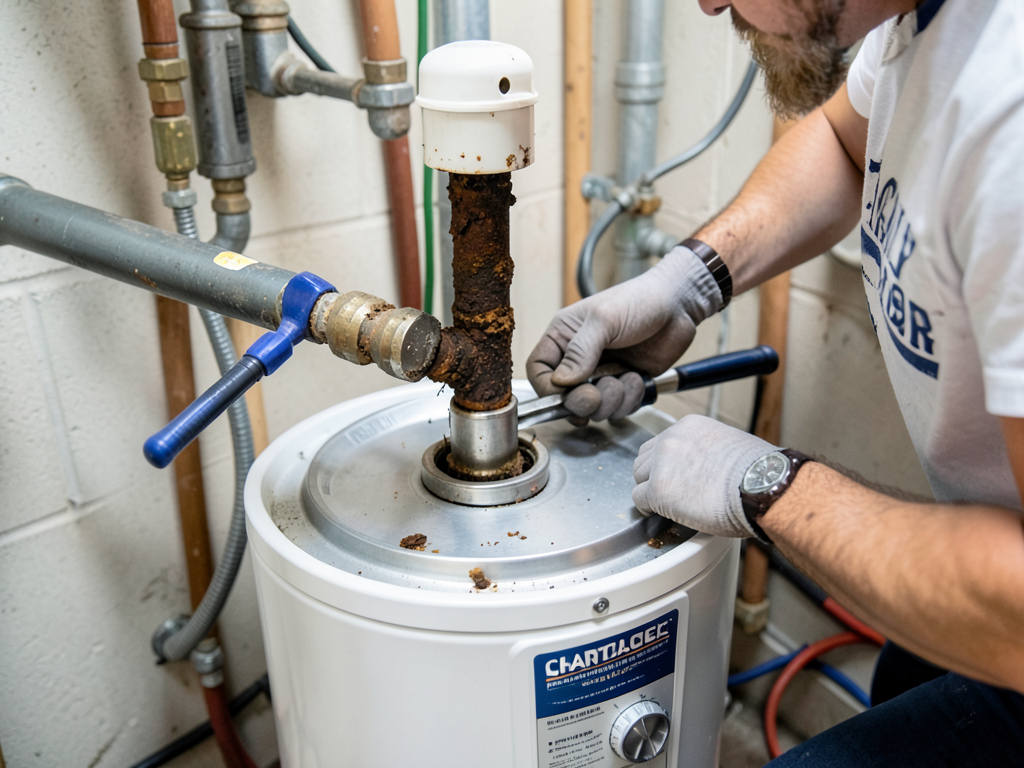
The unsung hero preventing this corrosion is the anode rod – a long metal rod that sacrifices itself to protect your tank. This sacrificial component attracts corrosive elements in the water, corroding instead of your tank’s steel walls. When the rod becomes too corroded, your tank loses its protection and begins to rust rapidly, leading to leaks, rusty water, and eventual tank failure. Is a Tankless Water Heater Worth It for Your Ballantyne Home?.
Charlotte homeowners need to pay special attention to their anode rods because our local water conditions can accelerate corrosion. The moderately hard water from Charlotte Water (CLTWater) contains minerals that can eat through a standard anode rod in just 3-5 years, leaving your tank vulnerable to rust damage much sooner than expected. Signs You Need a Main Water Line Replacement in Pineville.
Signs your anode rod needs replacement
Several warning signs indicate your anode rod has reached the end of its life and your tank is at risk. The most common sign is rusty or discolored water coming from your hot water taps. When the rod can no longer protect the tank, rust particles begin flaking off the interior walls and mixing with your hot water supply. Common Sewer Line Issues for Historic Dilworth Properties and How to Fix Them.
A rotten egg smell in your hot water is another clear indicator of anode rod failure. This sulfur odor occurs when the rod corrodes completely and allows hydrogen sulfide gas to form inside the tank. The smell is especially noticeable when you first turn on hot water after it’s been sitting in the pipes.. Read more about How to find your main water shutoff valve before an emergency happens.
Unusual popping or rumbling noises from your water heater indicate sediment buildup, which often accompanies anode rod failure. As the rod deteriorates, it can no longer prevent mineral scale from forming on the tank bottom. These hardened deposits create pockets of steam that burst through the sediment, creating the characteristic popping sounds.. Read more about Troubleshooting a gas water heater that keeps shutting off in your Huntersville home.
Water leaking around the base of your heater is a late-stage warning sign that the tank is rusting through. By this point, the internal corrosion has likely been progressing for months or years, and the tank’s structural integrity is compromised. A small leak can quickly become a major flood, causing thousands of dollars in water damage to your home.
Magnesium vs. aluminum vs. powered anodes: which is right for Charlotte water?
The type of anode rod in your water heater significantly impacts how well it protects against Charlotte’s specific water conditions. Standard magnesium rods offer excellent protection but corrode faster in our moderately hard water, typically lasting only 3-4 years before needing replacement.
Aluminum anode rods last longer than magnesium – often 5-7 years – but provide less effective protection against corrosion. They’re also more prone to developing a coating that reduces their effectiveness over time. Some homeowners report a metallic taste in their water with aluminum rods, though this is less common with modern manufacturing.
Powered anode rods represent the latest technology in water heater protection. These rods use an electrical current to provide continuous protection without corroding away. They’re ideal for Charlotte’s water conditions because they maintain consistent protection regardless of mineral content or pH levels. While more expensive upfront, they can last the lifetime of your water heater.
For Charlotte’s specific water chemistry, many local plumbers recommend aluminum-zinc alloy rods for homes with sulfur odor issues. The zinc component helps neutralize the hydrogen sulfide gas that causes the rotten egg smell while still providing adequate corrosion protection for your tank.
The cost of neglect: how a $50 part prevents a $2,000 tank replacement
Replacing an anode rod costs between $150 and $300 when done professionally, including labor and the new rod. This relatively small investment can extend your water heater’s life by 5-10 years, potentially saving you $1,500 to $2,500 in premature replacement costs. Professional Toilet Repair and Installation Services in Matthews.
When an anode rod fails completely, the tank begins corroding from the inside out. Rust weakens the steel walls, creating microscopic holes that grow larger over time. Once rust penetrates the tank, there’s no practical repair option – the entire unit must be replaced. A new 50-gallon water heater installation in Charlotte typically costs $1,200 to $2,000, not including potential water damage repairs. EPA WaterSense.
Beyond the replacement cost, a failing water heater creates additional risks. Tank failure often occurs without warning, potentially flooding your basement or utility closet. Water damage to flooring, walls, and personal belongings can easily exceed $5,000 in severe cases. If the leak occurs while you’re away from home, the damage multiplies exponentially.
Energy efficiency also suffers when anode rods fail. As rust builds up inside the tank, it creates an insulating layer that forces your heater to work harder to maintain temperature. This increased energy consumption can add $10 to $30 monthly to your utility bills, costs that continue until you replace the unit.
Our professional replacement process
Professional anode rod replacement requires specific tools and expertise that most homeowners lack. The process begins with shutting off power and water supply to the heater, then draining several gallons of water to reduce pressure in the tank. This step is crucial – attempting removal with full pressure can cause serious injury.. Read more about Why your new shower head has terrible pressure (and how to fix it).
Removing the old rod requires a 1-1/16 inch socket and significant torque, as the rod is typically tightened to over 200 foot-pounds at the factory. In tight utility closets common in Charlotte homes, we may need to use flexible sockets or even drain the entire tank to create enough clearance for removal. Some rods break during extraction, requiring tank draining and specialized removal techniques.
Once the old rod is removed, we inspect the tank interior for signs of advanced corrosion. If we see significant rust flakes or pitting on the tank walls, we’ll recommend a full water heater replacement rather than just installing a new rod. This inspection can prevent unexpected failures and save you from investing in a temporary fix.
The new rod is installed with pipe thread sealant and tightened to manufacturer specifications. We then refill the tank, purge air from the system, and check for leaks. Finally, we test all hot water fixtures to ensure proper operation and provide maintenance recommendations based on your specific water heater model and Charlotte’s water conditions.
Why choose Keystone Plumbing for water heater maintenance in Charlotte
Keystone Plumbing has served Charlotte and surrounding areas for over 15 years, providing expert water heater maintenance and repair. Our technicians understand the specific challenges Charlotte’s water presents to water heaters and can recommend the right anode rod type for your home’s needs. Gas Line Repair & Installation.
We serve neighborhoods throughout Charlotte including Ballantyne, Myers Park, Dilworth, and Matthews, as well as Rock Hill, SC. Our team is familiar with the water quality variations across these areas – from the moderately hard water in central Charlotte to the slightly softer water in some South Carolina communities.
Every Keystone technician carries the proper North Carolina plumbing license and maintains current insurance coverage. We follow all Mecklenburg County and Charlotte Water regulations for water heater work, ensuring your installation meets local code requirements. Our upfront pricing means no surprises – you’ll know the exact cost before we begin any work.
We also offer comprehensive water heater maintenance plans that include annual anode rod inspections and sediment flushing. These preventative services can extend your heater’s life by years and prevent the emergency replacements that often occur at the worst possible times.
Frequently Asked Questions
How often should I replace my water heater’s anode rod?
Most anode rods need replacement every 3-5 years, but Charlotte’s water conditions may require more frequent replacement. Homes with water softeners or extremely hard water might need replacement every 2-3 years. We recommend annual inspections to check rod condition and determine the optimal replacement schedule for your specific situation.
Can I replace the anode rod myself?
While DIY replacement is possible, it requires specific tools and can be dangerous if done incorrectly. The rod is tightly secured and can break during removal, potentially damaging your tank. Professional replacement ensures proper installation and includes inspection for other potential issues. The $150-$300 professional cost is often worth the peace of mind and warranty protection.
Will replacing the anode rod void my water heater warranty?
No, professional anode rod replacement will not void your warranty. In fact, regular maintenance including anode rod replacement is often required to maintain warranty coverage. Keep records of all maintenance work and use parts that meet or exceed manufacturer specifications to ensure warranty compliance.
What happens if I ignore the signs of anode rod failure?
Ignoring anode rod failure leads to rapid tank corrosion, rusty water, and eventual tank failure. Once the tank begins leaking, replacement is the only option. You’ll also face higher energy bills from reduced efficiency and potential water damage costs if the tank fails while you’re away from home.
Do tankless water heaters need anode rods?
No, tankless water heaters don’t use anode rods because they don’t store water in a tank. However, they have their own maintenance requirements including annual flushing to remove scale buildup. If you’re considering switching to tankless, we can help you understand the maintenance differences and cost implications.
Don’t wait until your water heater starts leaking or your hot water turns rusty. Regular anode rod maintenance is the most cost-effective way to protect your investment and ensure reliable hot water for your family. Call (980) 342-9933 today to schedule your professional inspection and keep your water heater running safely for years to come.
{
“@context”: “https://schema.org”,
“@type”: “BlogPosting”,
“headline”: “Why your water heater is rusting from the inside (and how the anode rod saves it)”,
“description”: “Learn why your Charlotte water heater is corroding from the inside and how the sacrificial anode rod prevents tank failure. Local expert service available.”,
“wordCount”: 1676,
“datePublished”: “2026-05-23T10:04:00.000Z”,
“dateModified”: “2026-05-23T10:04:00.000Z”,
“inLanguage”: “en-US”,
“mainEntityOfPage”: {
“@type”: “WebPage”,
“@id”: “https://keystoneplumbingcharlotte.com”
},
“publisher”: {
“@type”: “LocalBusiness”,
“name”: “Keystone Plumbing Charlotte”,
“url”: “https://keystoneplumbingcharlotte.com”
},
“author”: {
“@type”: “Organization”,
“name”: “Keystone Plumbing Charlotte”,
“url”: “https://keystoneplumbingcharlotte.com”
},
“image”: {
“@type”: “ImageObject”,
“url”: “https://keystoneplumbingcharlotte.com/wp-content/uploads/2026/03/why-your-water-heater-is-rusting-from-the-inside-a-1.png”
}
}
{
“@context”: “https://schema.org”,
“@type”: “Plumber”,
“name”: “Keystone Plumbing Charlotte”,
“url”: “https://keystoneplumbingcharlotte.com”,
“address”: {
“@type”: “PostalAddress”,
“addressLocality”: “Charlotte”
},
“areaServed”: {
“@type”: “City”,
“name”: “Charlotte”
}
}
{
“@context”: “https://schema.org”,
“@type”: “FAQPage”,
“mainEntity”: [
{
“@type”: “Question”,
“name”: “Magnesium vs. aluminum vs. powered anodes: which is right for Charlotte water?”,
“acceptedAnswer”: {
“@type”: “Answer”,
“text”: “The type of anode rod in your water heater significantly impacts how well it protects against Charlotte’s specific water conditions. Standard magnesium rods offer excellent protection but corrode faster in our moderately hard water, typically lasting only 3-4 years before needing replacement.”
}
},
{
“@type”: “Question”,
“name”: “How often should I replace my water heater’s anode rod?”,
“acceptedAnswer”: {
“@type”: “Answer”,
“text”: “Most anode rods need replacement every 3-5 years, but Charlotte’s water conditions may require more frequent replacement. Homes with water softeners or extremely hard water might need replacement every 2-3 years. We recommend annual inspections to check rod condition and determine the optimal replacement schedule for your specific situation.”
}
},
{
“@type”: “Question”,
“name”: “Can I replace the anode rod myself?”,
“acceptedAnswer”: {
“@type”: “Answer”,
“text”: “While DIY replacement is possible, it requires specific tools and can be dangerous if done incorrectly. The rod is tightly secured and can break during removal, potentially damaging your tank. Professional replacement ensures proper installation and includes inspection for other potential issues. The $150-$300 professional cost is often worth the peace of mind and warranty protection.”
}
},
{
“@type”: “Question”,
“name”: “Will replacing the anode rod void my water heater warranty?”,
“acceptedAnswer”: {
“@type”: “Answer”,
“text”: “No, professional anode rod replacement will not void your warranty. In fact, regular maintenance including anode rod replacement is often required to maintain warranty coverage. Keep records of all maintenance work and use parts that meet or exceed manufacturer specifications to ensure warranty compliance.”
}
},
{
“@type”: “Question”,
“name”: “What happens if I ignore the signs of anode rod failure?”,
“acceptedAnswer”: {
“@type”: “Answer”,
“text”: “Ignoring anode rod failure leads to rapid tank corrosion, rusty water, and eventual tank failure. Once the tank begins leaking, replacement is the only option. You’ll also face higher energy bills from reduced efficiency and potential water damage costs if the tank fails while you’re away from home.”
}
},
{
“@type”: “Question”,
“name”: “Do tankless water heaters need anode rods?”,
“acceptedAnswer”: {
“@type”: “Answer”,
“text”: “No, tankless water heaters don’t use anode rods because they don’t store water in a tank. However, they have their own maintenance requirements including annual flushing to remove scale buildup. If you’re considering switching to tankless, we can help you understand the maintenance differences and cost implications.”
}
}
]
}
{
“@context”: “https://schema.org”,
“@type”: “BreadcrumbList”,
“itemListElement”: [
{
“@type”: “ListItem”,
“position”: 1,
“name”: “Home”,
“item”: “https://keystoneplumbingcharlotte.com”
},
{
“@type”: “ListItem”,
“position”: 2,
“name”: “Blog”,
“item”: “https://keystoneplumbingcharlotte.com/blog”
},
{
“@type”: “ListItem”,
“position”: 3,
“name”: “Why your water heater is rusting from the inside (and how the anode rod saves it)”
}
]
}
{
“@context”: “https://schema.org”,
“@type”: “Service”,
“serviceType”: “Plumbing”,
“provider”: {
“@type”: “LocalBusiness”,
“name”: “Keystone Plumbing Charlotte”,
“url”: “https://keystoneplumbingcharlotte.com”
},
“areaServed”: {
“@type”: “City”,
“name”: “Charlotte”
},
“description”: “Learn why your Charlotte water heater is corroding from the inside and how the sacrificial anode rod prevents tank failure. Local expert service available.”
}