
A Simple Guide to Flushing Your Water Heater in Oakhurst
Flushing your water heater is one of the most important maintenance tasks you can perform to keep your hot water flowing reliably in your Oakhurst home. Over time, minerals from Charlotte’s water supply settle at the bottom of your tank, creating a layer of sediment that reduces efficiency and can lead to premature failure. This guide walks you through the process step by step, helping you maintain your water heater like a professional plumber would. Is a Tankless Water Heater Worth It for Your Ballantyne Home?.
Charlotte’s water contains moderate levels of calcium carbonate and other minerals that naturally accumulate in your tank. In older Oakhurst neighborhoods where homes were built in the 1970s and 1980s, this sediment buildup happens faster due to the age of both the plumbing infrastructure and the water heaters themselves. A simple annual flush can extend your water heater’s life by 3-5 years and reduce your energy bills by improving heating efficiency. Signs You Need a Main Water Line Replacement in Pineville.
Why Flushing Your Water Heater is Essential in Oakhurst
The sediment that collects in your water heater acts like insulation between the burner and the water, forcing your unit to work harder and use more energy. In Oakhurst’s older homes, where many water heaters are already 10-15 years old, this extra strain can be the difference between a unit that lasts 12 years versus one that fails at 8. The popping and crackling sounds you hear are actually pockets of superheated water exploding through the sediment layer.. Read more about The Importance of Proper Water Heater Venting for Your Yorkmount Home.
Charlotte Water’s annual water quality reports show that Mecklenburg County’s water hardness averages between 3-5 grains per gallon, which is considered moderately hard. While this is better than some areas of the country, it’s still enough to create significant sediment in your tank over time. Homes in the Oakhurst area, particularly those near the intersection of Central Avenue and Sharon Amity Road, often experience slightly higher mineral content due to the age of the local water distribution system.. Read more about Plumbing Mistakes We Often See New Homeowners Make in Grier Heights.
Tools and Supplies You’ll Need
- Garden hose (50-foot length recommended)
- 5-gallon bucket
- Adjustable wrench
- Heavy-duty work gloves
- Safety goggles
- Rags or towels
- Channel-lock pliers
Before starting, locate your water heater and identify whether it’s gas or electric. This determines how you’ll shut it down safely. In Oakhurst’s typical ranch-style homes, water heaters are often in the garage or a utility closet near the center of the house.. Read more about Getting Instant Hot Water in Your Quail Hollow Estate With a Recirculation Pump.
Safety First: Pre-Flush Checklist
Safety is paramount when working with hot water systems. The water in your tank can be 120-140 degrees Fahrenheit, hot enough to cause severe burns in seconds. Always wear protective gear and ensure children and pets are kept away from the work area.
For electric water heaters, locate your circuit breaker panel and switch off the breaker labeled for your water heater. This is typically a 30-amp double-pole breaker. For gas units, turn the gas control valve to the “pilot” position. Never attempt to drain a water heater while it’s still heating.
Allow your water heater to cool for at least 2-3 hours before beginning the flush. In Oakhurst’s summer months, when incoming water temperatures can be higher, you may need to wait longer. Touch the tank carefully to ensure it’s cool enough to work on safely.. Read more about Why Your Freedom Park Shower Temperature Keeps Fluctuating (And How to Fix It).
The 6-Step Water Heater Flush Process
- Turn Off Power and Water Supply
Switch off the appropriate power source (breaker for electric, gas valve for gas). Close the cold water supply valve located above the water heater. This valve is typically a lever or round handle on the cold water pipe entering the top of the tank.
- Connect the Garden Hose
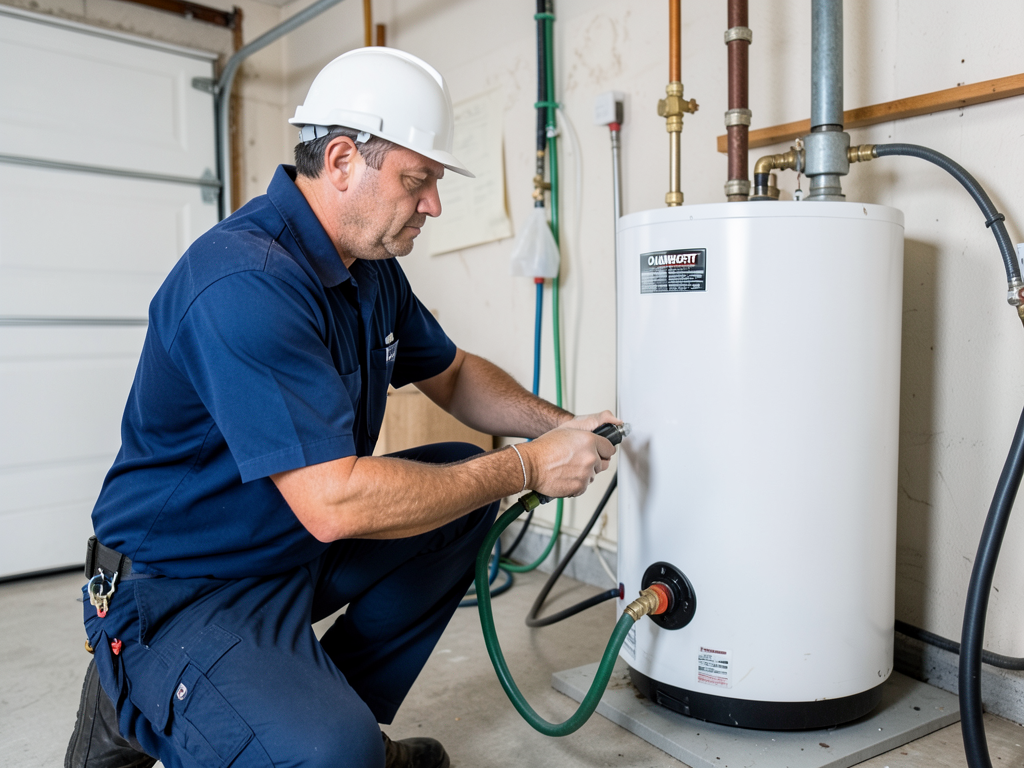
Attach one end of your garden hose to the drain valve at the bottom of the water heater. The drain valve looks like an outdoor faucet. Place the other end of the hose in a suitable drainage location like a floor drain, bathtub, or outside where the hot water won’t damage plants or grass.
- Open the Pressure Relief Valve
Locate the temperature and pressure relief valve (TPR valve) on the side or top of the tank. Lift the lever to allow air into the system, which helps the water drain more quickly. You may hear a slight hissing sound as air enters.
- Drain the Tank
Open the drain valve by turning it counterclockwise. Water will begin flowing through the hose. For the first few minutes, the water may appear rusty or cloudy due to sediment. Let the tank drain completely, which typically takes 20-30 minutes for a 40-gallon tank.. Read more about What Causes Sandy Sediment in the Water at Your Mountain Island Lake Property.
- Flush with Cold Water
Once the tank is empty, briefly open the cold water supply valve for 30 seconds to stir up any remaining sediment. Let this water drain out, then repeat 2-3 times until the water runs clear. This step is crucial for removing stubborn mineral deposits.
- Refill and Restart
Close the drain valve tightly. Remove the hose and close the TPR valve if you opened it. Turn the cold water supply back on and allow the tank to fill completely. You’ll know it’s full when water flows steadily from the hot water faucet you left open earlier. Finally, restore power to the unit.
Troubleshooting Common Issues
If your drain valve won’t open or is leaking, it may be clogged with sediment. Try gently tapping the valve with a wrench to loosen debris. If it still won’t open, you may need to replace the valve. In older Oakhurst homes, drain valves can become brittle over time due to mineral buildup and temperature fluctuations.
Sometimes the water won’t drain at all, even with the valve open. This usually means a vacuum has formed in the tank. Open a hot water faucet somewhere in your house to break the vacuum and allow drainage to begin.
If you notice water leaking around the base of the tank during the flush, this could indicate a cracked tank or failing drain valve. In this case, stop the process and call a professional immediately. A leaking water heater can cause significant water damage to your Oakhurst home’s flooring and walls. Professional Toilet Repair and Installation Services in Matthews.
When to Call a Professional Charlotte Plumber
While flushing a water heater is a manageable DIY task, certain situations require professional expertise. If your water heater is over 10 years old and hasn’t been flushed regularly, the drain valve may be corroded shut. Forcing it could cause a leak or break the valve completely.
Signs you need professional help include: water that remains cloudy after multiple flushes, visible rust in the water, unusual noises that persist after flushing, or if you discover the anode rod needs replacement. The anode rod sacrifices itself to protect your tank from corrosion, and in Charlotte’s moderately hard water, it typically needs replacement every 3-5 years.
Professional plumbers also have specialized tools to handle stubborn sediment and can perform a complete system inspection while they’re there. They’ll check the TPR valve operation, inspect the heating elements or burner assembly, and test the tank for structural integrity. For Oakhurst residents, local plumbers understand the specific challenges of Charlotte’s water quality and can recommend appropriate maintenance schedules.
Local Water Quality and Your Water Heater
Charlotte’s water comes primarily from the Catawba River and Mountain Island Lake, treated by Charlotte Water (CLTWater). The utility’s 2024 Water Quality Report shows that Mecklenburg County’s water has a pH between 7.2 and 7.8, which is slightly alkaline. This pH level, combined with moderate hardness, creates conditions where calcium carbonate precipitates out of the water and forms scale inside your tank.
Oakhurst’s elevation, approximately 750 feet above sea level, means your water enters the house at slightly lower pressure than areas closer to downtown Charlotte. This can actually be beneficial for your water heater, as lower pressure reduces stress on tank seams and connections. However, it also means sediment can settle more readily in the bottom of your tank.
The Piedmont region’s geology, with its mix of clay and metamorphic rock, contributes to the mineral content in our water. Homes in the 28205 zip code area, which includes Oakhurst, may experience slightly different water characteristics than those in 28204 or 28207, affecting how quickly sediment builds up in your system.
Cost Comparison: DIY vs. Professional Flush
DIY water heater flushing typically costs $20-30 in supplies if you need to purchase a new hose or have tools. A professional flush in the Charlotte area ranges from $100-150, depending on your location within the metro area and the complexity of your system.
Consider the value of your time and the risk of potential water damage. A DIY flush takes 2-3 hours including cooling time, while a professional can complete the job in 45-60 minutes. For many Oakhurst homeowners, the peace of mind and professional inspection that comes with a service call justifies the cost, especially for units over 8 years old.
Professional service also includes disposal of the flushed water, which can contain high concentrations of minerals and may not be suitable for your lawn or garden. They’ll ensure proper drainage and cleanup, protecting your home from water damage during the process.
Maintenance Schedule for Charlotte Homes
For optimal performance, flush your water heater annually if you have moderately hard water like Charlotte’s. Homes with water softeners may only need flushing every 18-24 months, while those without water treatment might benefit from twice-yearly flushes.
Mark your calendar for spring or fall maintenance when temperatures are moderate. This timing helps ensure your water heater is ready for the high-demand winter months or the increased summer usage from outdoor activities and guests.
Keep a maintenance log noting the date of each flush, any issues discovered, and the water clarity after flushing. This record helps you track your water heater’s condition over time and provides valuable information if you ever need warranty service or decide to sell your Oakhurst home.
Energy Efficiency Benefits
A clean water heater operates 20-30% more efficiently than a sediment-filled one. In Charlotte’s climate, where we use hot water year-round but experience peak demand in winter, this efficiency translates to noticeable savings on your utility bills.
The sediment layer acts as an insulator, forcing your heating elements or burner to work longer to achieve the desired temperature. By removing this barrier, you reduce the energy required to heat your water, potentially saving $50-100 annually depending on your household size and water usage patterns.
Beyond direct energy savings, a well-maintained water heater reduces strain on your home’s electrical system or gas supply. This can extend the life of related components like circuit breakers, wiring, and gas valves, providing additional long-term cost benefits.
Environmental Impact
Maintaining your water heater isn’t just good for your wallet—it’s good for the environment. A more efficient unit means less energy consumption, which reduces your carbon footprint. In Mecklenburg County, where much of our electricity still comes from fossil fuel sources, every efficiency gain matters.
Additionally, extending your water heater’s life through proper maintenance means fewer units end up in landfills. A typical water heater contains steel, copper, and other materials that require significant energy to produce. By maintaining your current unit, you’re reducing demand for new manufacturing and the associated environmental costs.
When it’s finally time to replace your water heater, consider a high-efficiency model or even a tankless system. Modern units can be up to 30% more efficient than older models, and many qualify for energy efficiency rebates through Duke Energy or Piedmont Natural Gas.
Frequently Asked Questions
How long does a water heater flush take?
A complete water heater flush takes 2-3 hours including cooling time, with the active work portion taking about 30-45 minutes. The cooling period is essential for safety and cannot be rushed.
Can I flush a tankless water heater the same way?
No, tankless water heaters require a different flushing process using food-grade white vinegar and a submersible pump. The procedure circulates the cleaning solution through the heat exchanger rather than draining a tank.
What if I see rust-colored water during the flush?
Light rust coloring is normal and usually comes from the anode rod or minor corrosion in the tank. However, if the water remains consistently rusty or you see flakes of metal, this indicates advanced tank deterioration requiring professional evaluation.
Is it normal for the water to smell during flushing?
A slight sulfur or rotten egg smell is common and usually comes from sulfate-reducing bacteria that can grow in the warm environment of your tank. This is more common in homes using well water but can occur with any water supply. The smell should dissipate once the tank is refilled with fresh water. Common Sewer Line Issues for Historic Dilworth Properties and How to Fix Them.
How do I know if my water heater needs flushing?
Signs include reduced hot water temperature, popping or rumbling noises from the tank, cloudy or rusty water from hot taps, or if it’s been more than 12 months since the last flush. Annual flushing is recommended even if you don’t notice these symptoms.
Don’t wait until your water heater fails. Regular maintenance prevents costly emergency repairs and ensures reliable hot water when you need it most. For professional water heater service in Oakhurst and throughout Charlotte, call Keystone Plumbing at (980) 342-9933. Our experienced technicians understand Charlotte’s unique water conditions and can keep your system running efficiently year-round. EPA WaterSense.
Pick up the phone and call (980) 342-9933 today to schedule your water heater inspection before the next cold snap hits. Your family deserves reliable hot water without the worry of unexpected breakdowns. For more information, visit Energy.gov Water Heater Guide.
{
“@context”: “https://schema.org”,
“@type”: “BlogPosting”,
“headline”: “A Simple Guide to Flushing Your Water Heater in Oakhurst”,
“description”: “Learn how to flush your water heater in Oakhurst with our step-by-step guide. Prevent sediment buildup and extend your unit’s life with expert tips from Keystone Plumbing.”,
“wordCount”: 2274,
“datePublished”: “2026-03-29T11:35:00.000Z”,
“dateModified”: “2026-03-29T11:35:00.000Z”,
“inLanguage”: “en-US”,
“mainEntityOfPage”: {
“@type”: “WebPage”,
“@id”: “https://keystoneplumbingcharlotte.com”
},
“publisher”: {
“@type”: “LocalBusiness”,
“name”: “Keystone Plumbing Charlotte”,
“url”: “https://keystoneplumbingcharlotte.com”
},
“author”: {
“@type”: “Organization”,
“name”: “Keystone Plumbing Charlotte”,
“url”: “https://keystoneplumbingcharlotte.com”
},
“image”: {
“@type”: “ImageObject”,
“url”: “https://keystoneplumbingcharlotte.com/wp-content/uploads/2026/03/a-simple-guide-to-flushing-your-water-heater-in-oa-1.png”
}
}
{
“@context”: “https://schema.org”,
“@type”: “Plumber”,
“name”: “Keystone Plumbing Charlotte”,
“url”: “https://keystoneplumbingcharlotte.com”,
“address”: {
“@type”: “PostalAddress”,
“addressLocality”: “Charlotte”
},
“areaServed”: {
“@type”: “City”,
“name”: “Charlotte”
}
}
{
“@context”: “https://schema.org”,
“@type”: “FAQPage”,
“mainEntity”: [
{
“@type”: “Question”,
“name”: “How long does a water heater flush take?”,
“acceptedAnswer”: {
“@type”: “Answer”,
“text”: “A complete water heater flush takes 2-3 hours including cooling time, with the active work portion taking about 30-45 minutes. The cooling period is essential for safety and cannot be rushed.”
}
},
{
“@type”: “Question”,
“name”: “Can I flush a tankless water heater the same way?”,
“acceptedAnswer”: {
“@type”: “Answer”,
“text”: “No, tankless water heaters require a different flushing process using food-grade white vinegar and a submersible pump. The procedure circulates the cleaning solution through the heat exchanger rather than draining a tank.”
}
},
{
“@type”: “Question”,
“name”: “What if I see rust-colored water during the flush?”,
“acceptedAnswer”: {
“@type”: “Answer”,
“text”: “Light rust coloring is normal and usually comes from the anode rod or minor corrosion in the tank. However, if the water remains consistently rusty or you see flakes of metal, this indicates advanced tank deterioration requiring professional evaluation.”
}
},
{
“@type”: “Question”,
“name”: “Is it normal for the water to smell during flushing?”,
“acceptedAnswer”: {
“@type”: “Answer”,
“text”: “A slight sulfur or rotten egg smell is common and usually comes from sulfate-reducing bacteria that can grow in the warm environment of your tank. This is more common in homes using well water but can occur with any water supply. The smell should dissipate once the tank is refilled with fresh water. Common Sewer Line Issues for Historic Dilworth Properties and How to Fix Them.”
}
},
{
“@type”: “Question”,
“name”: “How do I know if my water heater needs flushing?”,
“acceptedAnswer”: {
“@type”: “Answer”,
“text”: “Signs include reduced hot water temperature, popping or rumbling noises from the tank, cloudy or rusty water from hot taps, or if it’s been more than 12 months since the last flush. Annual flushing is recommended even if you don’t notice these symptoms.”
}
}
]
}
{
“@context”: “https://schema.org”,
“@type”: “HowTo”,
“name”: “How to Flush a Water Heater”,
“step”: [
{
“@type”: “HowToStep”,
“position”: 1,
“name”: “Turn Off Power and Water Supply”,
“text”: “Switch off the appropriate power source (breaker for electric, gas valve for gas). Close the cold water supply valve located above the water heater. This valve is typically a lever or round handle on the cold water pipe entering the top of the tank.”
},
{
“@type”: “HowToStep”,
“position”: 2,
“name”: “Connect the Garden Hose”,
“text”: “Attach one end of your garden hose to the drain valve at the bottom of the water heater. The drain valve looks like an outdoor faucet. Place the other end of the hose in a suitable drainage location like a floor drain, bathtub, or outside where the hot water won’t damage plants or grass.”
},
{
“@type”: “HowToStep”,
“position”: 3,
“name”: “Open the Pressure Relief Valve”,
“text”: “Locate the temperature and pressure relief valve (TPR valve) on the side or top of the tank. Lift the lever to allow air into the system, which helps the water drain more quickly. You may hear a slight hissing sound as air enters.”
},
{
“@type”: “HowToStep”,
“position”: 4,
“name”: “Drain the Tank”,
“text”: “Open the drain valve by turning it counterclockwise. Water will begin flowing through the hose. For the first few minutes, the water may appear rusty or cloudy due to sediment. Let the tank drain completely, which typically takes 20-30 minutes for a 40-gallon tank.”
},
{
“@type”: “HowToStep”,
“position”: 5,
“name”: “Flush with Cold Water”,
“text”: “Once the tank is empty, briefly open the cold water supply valve for 30 seconds to stir up any remaining sediment. Let this water drain out, then repeat 2-3 times until the water runs clear. This step is crucial for removing stubborn mineral deposits.”
},
{
“@type”: “HowToStep”,
“position”: 6,
“name”: “Refill and Restart”,
“text”: “Close the drain valve tightly. Remove the hose and close the TPR valve if you opened it. Turn the cold water supply back on and allow the tank to fill completely. You’ll know it’s full when water flows steadily from the hot water faucet you left open earlier. Finally, restore power to the unit.”
}
],
“image”: “https://keystoneplumbingcharlotte.com/wp-content/uploads/2026/03/a-simple-guide-to-flushing-your-water-heater-in-oa-1.png”
}
{
“@context”: “https://schema.org”,
“@type”: “BreadcrumbList”,
“itemListElement”: [
{
“@type”: “ListItem”,
“position”: 1,
“name”: “Home”,
“item”: “https://keystoneplumbingcharlotte.com”
},
{
“@type”: “ListItem”,
“position”: 2,
“name”: “Blog”,
“item”: “https://keystoneplumbingcharlotte.com/blog”
},
{
“@type”: “ListItem”,
“position”: 3,
“name”: “A Simple Guide to Flushing Your Water Heater in Oakhurst”
}
]
}
{
“@context”: “https://schema.org”,
“@type”: “Service”,
“serviceType”: “Plumbing”,
“provider”: {
“@type”: “LocalBusiness”,
“name”: “Keystone Plumbing Charlotte”,
“url”: “https://keystoneplumbingcharlotte.com”
},
“areaServed”: {
“@type”: “City”,
“name”: “Charlotte”
},
“description”: “Learn how to flush your water heater in Oakhurst with our step-by-step guide. Prevent sediment buildup and extend your unit’s life with expert tips from Keystone Plumbing.”
}