
Should You Upgrade Your Garbage Disposal or Start Composting in Belmont?
Choosing between a garbage disposal and composting is a common kitchen dilemma for Belmont homeowners. Your decision affects more than just convenience—it impacts your plumbing system, local wastewater treatment, and the environment. Let’s break down the technical realities of each option so you can make the right choice for your home and Charlotte’s infrastructure. Is a Tankless Water Heater Worth It for Your Ballantyne Home?.
How Garbage Disposals Impact Belmont Plumbing Systems
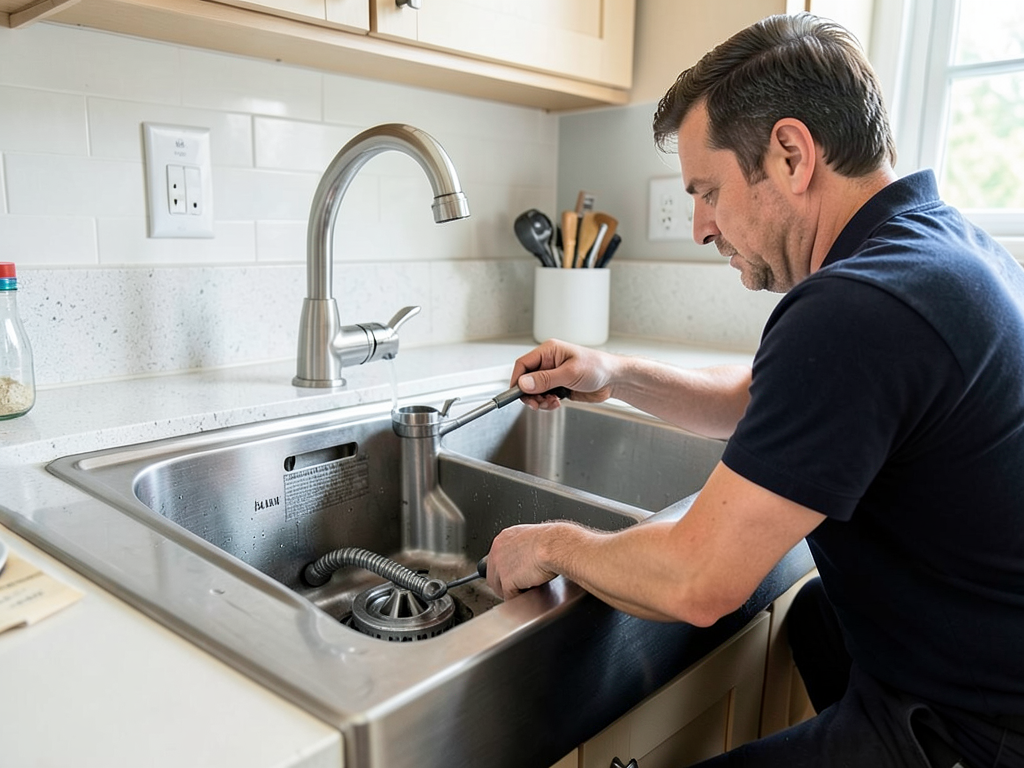
Garbage disposals grind food waste into small particles that flow through your pipes to the city sewer system. Modern units range from 1/2 horsepower for basic use to 3/4 or 1 horsepower for heavy-duty grinding. In Belmont’s older homes near Central Avenue, many properties still have original cast iron drain lines that can corrode over time when exposed to acidic food waste. Common Sewer Line Issues for Historic Dilworth Properties and How to Fix Them.
The biggest plumbing concern is FOG—fats, oils, and grease. When hot grease enters your disposal, it cools and solidifies in pipes, creating stubborn clogs. Mecklenburg County’s FOG program specifically warns against this practice, as these blockages cost taxpayers millions in sewer maintenance annually. Mecklenburg County FOG Program.
Pro plumbing tip: Never put coffee grounds, eggshells, or fibrous vegetables like celery down your disposal. These materials create a cement-like sludge that traps other debris. Instead, use a sink strainer and dispose of these items in your trash or compost bin.
Composting in Mecklenburg County’s Climate
Charlotte’s humid subtropical climate creates ideal conditions for backyard composting, but also presents challenges. The high humidity accelerates decomposition but can also create unpleasant odors if your pile isn’t properly balanced with brown materials like dried leaves or shredded cardboard.
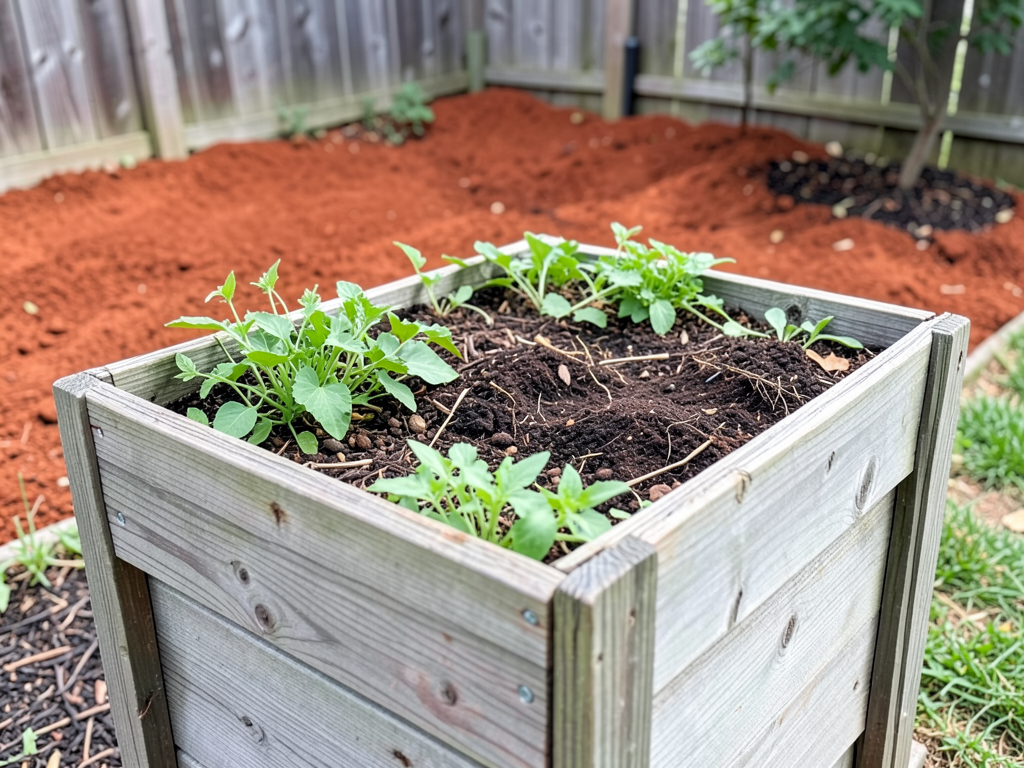
North Carolina’s red clay soil benefits tremendously from compost amendments. The organic matter improves soil structure, allowing better water retention during our hot summers and improved drainage during heavy spring rains. A well-maintained compost pile can produce usable soil in 3-6 months. Signs You Need a Main Water Line Replacement in Pineville.
For Belmont apartment dwellers or those without yard space, Crown Town Compost offers residential pickup service throughout Charlotte’s inner belt. They collect your food scraps weekly and return finished compost twice yearly. This service costs approximately $25-30 monthly and accepts items that shouldn’t go in disposals, like citrus peels and coffee grounds.. Read more about Quick Garbage Disposal Repair and Replacement in Elizabeth.
Side-by-Side Comparison: Cost, Maintenance, and Eco-Footprint
| Factor | Garbage Disposal | Composting |
|---|---|---|
| Initial Cost | $150-400 + installation | $50-200 for bin setup |
| Annual Water Use | 500-700 gallons | 0 gallons |
| Maintenance | Clean monthly, avoid FOG | Turn weekly, monitor moisture |
| Environmental Impact | Increases wastewater load | Reduces landfill methane |
| Best For | Convenience, small scraps | Large volumes, gardeners |
The Hybrid Approach: Using Both Effectively
Most Belmont homeowners find a middle ground works best. Use your disposal for small amounts of vegetable scraps and plate scrapings, but compost larger quantities and problematic items. This approach minimizes plumbing risks while maximizing waste reduction. Plumbing Mint Hill.
Here’s what should never go down any drain in Charlotte:. Read more about How to Deal With Constant Drain Clogs in Older NoDa and Plaza Midwood Homes.
- Eggshells (create granular sediment)
- Coffee grounds (form cement-like sludge)
- Cooking oils and grease
- Pasta and rice (expand in pipes)
- Fibrous vegetables (wrap around blades)
For items like meat scraps or dairy products, the compost bin is also the better choice. These materials can create odors in your disposal and attract pests to your outdoor compost pile if not managed properly.
Charlotte-Specific Plumbing Considerations
Belmont’s proximity to downtown means many homes connect to Charlotte Water’s combined sewer system. When you use a garbage disposal, that waste travels through the same pipes as stormwater during heavy rains. The McAlpine Creek Wastewater Treatment Plant processes over 100 million gallons daily, and food waste increases the biological oxygen demand, requiring more energy to treat.. Read more about Converting from Septic to City Sewer in Mint Hill (Everything You Need to Know).
Older Belmont homes built before 1970 often have 1.5-inch drain lines instead of the current 2-inch standard. These smaller pipes are more susceptible to clogging from food waste. If your home falls into this category, composting becomes the safer choice for your plumbing system.
Frequently Asked Questions
Are garbage disposals legal in Charlotte?
Yes, garbage disposals are legal throughout Mecklenburg County. However, the county’s “Wipe Out Waste” guidelines recommend minimizing food waste in the sewer system to reduce treatment costs and environmental impact.
Do disposals hurt septic systems in Union County?
Yes, garbage disposals significantly increase the solid load in septic tanks, requiring more frequent pumping—typically every 1-2 years instead of 3-5 years. For homes with septic systems, composting is the more cost-effective and environmentally responsible choice.
What’s the best garbage disposal for Belmont homes?
For most Belmont kitchens, a 3/4 horsepower unit with stainless steel grinding components offers the best balance of power and durability. Look for models with anti-jam features and sound insulation, especially important in older Belmont homes with open floor plans.. Read more about Why Your University City Kitchen Sink Keeps Making Gurgling Noises.
How can I tell if my pipes can handle a disposal?
Call (980) 342-9933 for a professional inspection. We’ll check your pipe diameter, material, and slope to determine if your system can handle a disposal without risking clogs or backups. Professional Toilet Repair and Installation Services in Matthews.
The Verdict: What’s Right for Your Belmont Home?
For Belmont homeowners, the choice between upgrading your garbage disposal or starting composting depends on your specific situation. If you have newer plumbing, limited outdoor space, and primarily deal with small food scraps, a quality disposal might be your best option. If you generate large amounts of food waste, have older pipes, or want to improve your garden soil, composting is the clear winner.
The most sustainable approach combines both methods: use your disposal sparingly for small scraps while composting the majority of your food waste. This protects your plumbing while maximizing environmental benefits.. Read more about The Best Low Flow Toilets for Sustainable Living in Wilmore.
Ready to make the right choice for your home? Call (980) 342-9933 today to schedule a plumbing inspection or get expert advice on composting solutions for Belmont residents. Don’t wait until a clogged drain forces your decision—be proactive about your kitchen waste management today. For more information, visit EPA Home Composting Guide.
You may also find this helpful. Undermount vs Drop In Sinks for Your Sedgefield Kitchen Refresh.
{
“@context”: “https://schema.org”,
“@type”: “BlogPosting”,
“headline”: “Should You Upgrade Your Garbage Disposal or Start Composting in Belmont?”,
“description”: “Compare garbage disposals vs composting for Belmont homes. Learn about Charlotte plumbing codes, FOG impact, and local composting services like Crown Town Compost.”,
“wordCount”: 1007,
“datePublished”: “2026-03-08T07:58:00.000Z”,
“dateModified”: “2026-03-08T07:58:00.000Z”,
“inLanguage”: “en-US”,
“mainEntityOfPage”: {
“@type”: “WebPage”,
“@id”: “https://keystoneplumbingcharlotte.com”
},
“publisher”: {
“@type”: “LocalBusiness”,
“name”: “Keystone Plumbing Charlotte”,
“url”: “https://keystoneplumbingcharlotte.com”
},
“author”: {
“@type”: “Organization”,
“name”: “Keystone Plumbing Charlotte”,
“url”: “https://keystoneplumbingcharlotte.com”
},
“image”: {
“@type”: “ImageObject”,
“url”: “https://keystoneplumbingcharlotte.com/wp-content/uploads/2026/03/should-you-upgrade-your-garbage-disposal-or-start-1.png”
}
}
{
“@context”: “https://schema.org”,
“@type”: “Plumber”,
“name”: “Keystone Plumbing Charlotte”,
“url”: “https://keystoneplumbingcharlotte.com”,
“address”: {
“@type”: “PostalAddress”,
“addressLocality”: “Charlotte”
},
“areaServed”: {
“@type”: “City”,
“name”: “Charlotte”
}
}
{
“@context”: “https://schema.org”,
“@type”: “FAQPage”,
“mainEntity”: [
{
“@type”: “Question”,
“name”: “Are garbage disposals legal in Charlotte?”,
“acceptedAnswer”: {
“@type”: “Answer”,
“text”: “Yes, garbage disposals are legal throughout Mecklenburg County. However, the county’s \”Wipe Out Waste\” guidelines recommend minimizing food waste in the sewer system to reduce treatment costs and environmental impact.”
}
},
{
“@type”: “Question”,
“name”: “Do disposals hurt septic systems in Union County?”,
“acceptedAnswer”: {
“@type”: “Answer”,
“text”: “Yes, garbage disposals significantly increase the solid load in septic tanks, requiring more frequent pumping—typically every 1-2 years instead of 3-5 years. For homes with septic systems, composting is the more cost-effective and environmentally responsible choice.”
}
},
{
“@type”: “Question”,
“name”: “What’s the best garbage disposal for Belmont homes?”,
“acceptedAnswer”: {
“@type”: “Answer”,
“text”: “For most Belmont kitchens, a 3/4 horsepower unit with stainless steel grinding components offers the best balance of power and durability. Look for models with anti-jam features and sound insulation, especially important in older Belmont homes with open floor plans.”
}
},
{
“@type”: “Question”,
“name”: “How can I tell if my pipes can handle a disposal?”,
“acceptedAnswer”: {
“@type”: “Answer”,
“text”: “Call (980) 342-9933 for a professional inspection. We’ll check your pipe diameter, material, and slope to determine if your system can handle a disposal without risking clogs or backups. Professional Toilet Repair and Installation Services in Matthews.”
}
},
{
“@type”: “Question”,
“name”: “The Verdict: What’s Right for Your Belmont Home?”,
“acceptedAnswer”: {
“@type”: “Answer”,
“text”: “For Belmont homeowners, the choice between upgrading your garbage disposal or starting composting depends on your specific situation. If you have newer plumbing, limited outdoor space, and primarily deal with small food scraps, a quality disposal might be your best option. If you generate large amounts of food waste, have older pipes, or want to improve your garden soil, composting is the clear winner.”
}
}
]
}
{
“@context”: “https://schema.org”,
“@type”: “BreadcrumbList”,
“itemListElement”: [
{
“@type”: “ListItem”,
“position”: 1,
“name”: “Home”,
“item”: “https://keystoneplumbingcharlotte.com”
},
{
“@type”: “ListItem”,
“position”: 2,
“name”: “Blog”,
“item”: “https://keystoneplumbingcharlotte.com/blog”
},
{
“@type”: “ListItem”,
“position”: 3,
“name”: “Should You Upgrade Your Garbage Disposal or Start Composting in Belmont?”
}
]
}
{
“@context”: “https://schema.org”,
“@type”: “Service”,
“serviceType”: “Plumbing”,
“provider”: {
“@type”: “LocalBusiness”,
“name”: “Keystone Plumbing Charlotte”,
“url”: “https://keystoneplumbingcharlotte.com”
},
“areaServed”: {
“@type”: “City”,
“name”: “Charlotte”
},
“description”: “Compare garbage disposals vs composting for Belmont homes. Learn about Charlotte plumbing codes, FOG impact, and local composting services like Crown Town Compost.”
}