
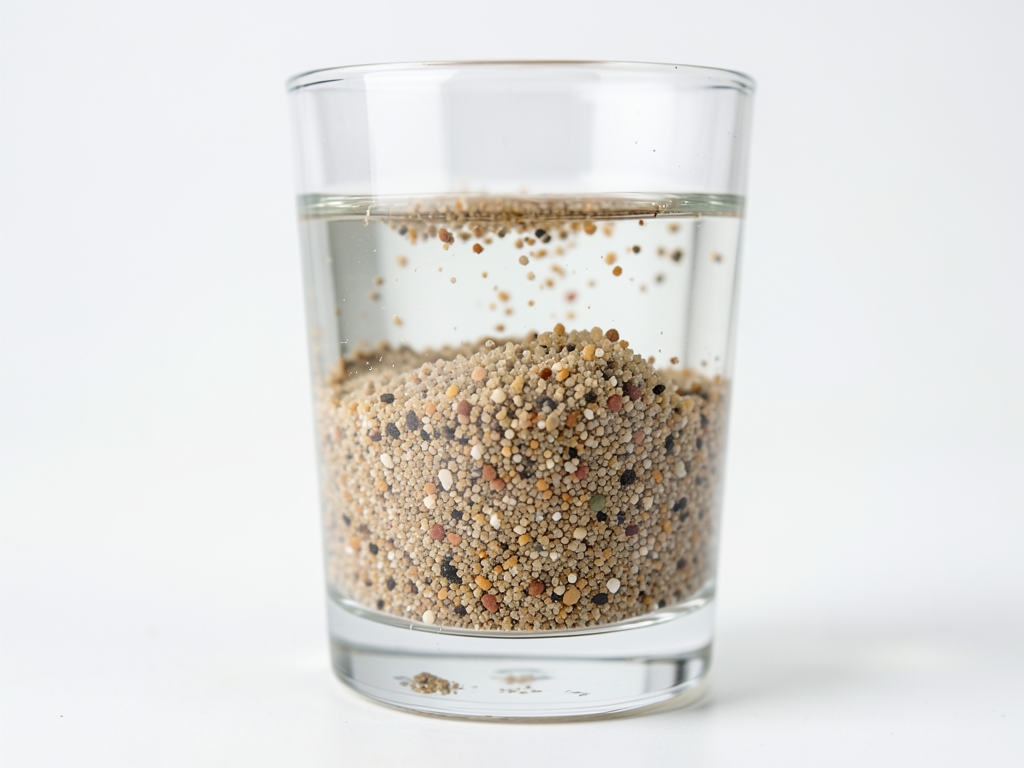
What Causes Sandy Sediment in the Water at Your Mountain Island Lake Property
If you’ve noticed sandy sediment in your tap water at your Mountain Island Lake property you’re not alone. Many Charlotte homeowners near the lake experience this common issue. The sediment can range from fine sand particles to larger grit and understanding what causes it is the first step toward solving the problem. Charlotte Water quality reports.
Sandy sediment in your water typically comes from three main sources: your home’s plumbing system the city water supply or natural groundwater conditions. The good news is that most sediment issues are fixable once properly diagnosed. Is a Tankless Water Heater Worth It for Your Ballantyne Home?.
Common Types of Sediment Found in Charlotte Water
Before we dive into solutions let’s identify what you might be seeing in your water. Different types of sediment have different causes and require different approaches to fix. Signs You Need a Main Water Line Replacement in Pineville.
- Visual Inspection
Fill a clear glass with cold water and let it sit for 30 minutes. Sandy sediment will settle to the bottom while other particles may float or dissolve.. Read more about Maintaining Your Tankless Water Heater to Prevent System Failure in Huntersville.
- Texture Test
Rub the sediment between your fingers. Sand feels gritty while silt feels smooth and powdery.
- Color Analysis
White or tan sediment often indicates mineral scale. Brown or reddish particles usually mean rust or iron. Black specks could be manganese or pipe deterioration.
Why Mountain Island Lake Properties Experience More Sediment
Mountain Island Lake properties face unique sediment challenges due to Charlotte’s specific geology and water infrastructure. The area sits on ancient riverbeds and floodplains where sandy soil naturally occurs.
The Catawba River watershed which feeds Mountain Island Lake contains high levels of suspended sediment especially after heavy rains. When Charlotte Water draws from this source some sediment inevitably makes its way into the distribution system.
Properties near the lake often have private wells or older plumbing systems that can introduce additional sediment. The combination of lakefront location aging infrastructure and Charlotte’s clay-heavy soil creates perfect conditions for sediment problems.
Top Causes of Sandy Sediment in Your Water
Understanding the specific cause of your sediment issue helps determine the right solution. Here are the most common culprits we see in the Mountain Island Lake area. Common Sewer Line Issues for Historic Dilworth Properties and How to Fix Them.
1. Well Water Issues
If your property uses a private well sandy sediment is often the most common complaint. Wells naturally draw water from underground aquifers where sand and silt can be present.
Well pump problems can also introduce sediment. A failing pump might suck sand from the well bottom or have a damaged screen that allows particles through.
2. Municipal Water Main Problems
Charlotte Water maintains over 3 800 miles of water mains across Mecklenburg County. Main breaks construction work or hydrant flushing can stir up sediment that travels through the system to your home.
Older cast iron pipes in the city’s infrastructure can release rust particles that mix with naturally occurring sand creating a gritty mixture in your water.
3. Water Heater Sediment Buildup
Your water heater can be a hidden source of sediment. Over time minerals from Charlotte’s water supply settle at the bottom of the tank creating a layer of white or tan sediment. Hidden Slab Leak Detection for Homeowners in South Park.
When the heater fires up this sediment can get stirred up and travel through your hot water lines. You might notice more sediment when you first turn on hot water in the morning.
4. Corroded Pipes
Homes built before 1980 in Charlotte often have galvanized steel pipes. These pipes corrode from the inside creating rust flakes that mix with any existing sand creating a brown gritty sediment.
The corrosion process accelerates in areas with slightly acidic water like parts of Mecklenburg County where the pH can drop below 7.0.
5. Water Softener Malfunctions
If you have a water softener it can sometimes be the source of sediment. A broken resin bed releases tiny beads that look like sand. Clogged filters or malfunctioning valves can also allow sediment through.
Charlotte’s water hardness averaging 1.0-1.2 grains per gallon means many homes use water softeners even though the water isn’t extremely hard by national standards.
Health and Safety Considerations
While sandy sediment is usually more of a nuisance than a health hazard it’s important to understand when you should be concerned.
The Environmental Protection Agency sets standards for drinking water quality under the Safe Drinking Water Act. These standards cover turbidity (cloudiness) and specific contaminants but don’t directly regulate sand particles.
Most sediment in Charlotte water meets EPA standards for turbidity. However excessive sediment can harbor bacteria provide food for microorganisms or indicate larger plumbing problems. EPA Safe Drinking Water Act.
If you notice a sudden increase in sediment or if it’s accompanied by changes in water pressure odor or color you should have your water tested. The Mecklenburg County Health Department offers water testing services for private wells.. Read more about Replacing a Failed Pressure Reducing Valve in Your Mountain Island Home.
DIY Solutions for Sandy Sediment
Before calling a professional try these steps to identify and possibly solve your sediment problem. Professional Toilet Repair and Installation Services in Matthews.
- Check Multiple Faucets
Run cold water at several faucets. If only one has sediment the problem is likely in that fixture’s aerator or supply line.
- Inspect Aerators
Unscrew faucet aerators and check for sediment buildup. Clean them with vinegar and a small brush.
- Flush Your Water Heater
Drain a few gallons from your water heater to see if sediment comes from there. If the drained water is cloudy with particles your heater may need flushing.
- Check Your Pressure Tank
If you have a well system check the pressure tank for sediment. A failing bladder can release particles into your water.
Professional Solutions for Persistent Sediment
When DIY methods don’t solve the problem it’s time to call in a professional plumber who understands Charlotte’s specific water conditions.
Whole House Sediment Filters
A sediment filter installed where water enters your home can catch sand silt and other particles before they reach your fixtures. These filters come in different micron ratings for different particle sizes.
For Mountain Island Lake properties we typically recommend starting with a 50-micron filter and adjusting based on what we find in your water.
Water Softener Upgrades
If your water softener is old or improperly sized it might not be handling Charlotte’s specific mineral content effectively. Modern systems can be tuned to your exact water chemistry.
We test your water’s hardness iron content and pH to recommend the right system. This is especially important for lakefront properties where water chemistry can vary seasonally.
Well Rehabilitation
For properties with wells sediment problems often require well rehabilitation. This process involves cleaning the well casing and sometimes deepening the well to access cleaner water-bearing zones.
We also check well pump placement. Pumps should sit at least 10-20 feet above the well bottom to avoid sucking up bottom sediment.
Repiping Solutions
If your home has old galvanized pipes replacing them with modern PEX or copper can eliminate rust sediment. This is a bigger investment but often necessary for homes over 40 years old.
We typically recommend replacing pipes section by section starting with the main supply line and working through the house.
Prevention and Maintenance
Once you’ve solved your sediment problem prevention is key to keeping your water clean.
Schedule annual water heater flushing to prevent mineral buildup. Replace filter cartridges on schedule and test your water quality annually especially if you have a well.
For lakefront properties be aware that sediment levels often increase during rainy seasons. Consider scheduling maintenance checks in late fall after the summer rainy season.
If you’re buying a home near Mountain Island Lake ask about the age of plumbing systems and whether the property has any history of water quality issues.. Read more about The Truth About Septic Tank Additives for Homeowners in Clover and York.
When to Call a Professional
Call a plumber if you notice any of these warning signs:
- Sediment appears suddenly without explanation
- Water pressure drops significantly
- You see rust colored water consistently
- Sediment is accompanied by unusual odors
- DIY fixes don’t resolve the issue within a week
Professional plumbers can perform water quality tests inspect your entire plumbing system and recommend solutions specific to your home’s construction and Charlotte’s water conditions.
Frequently Asked Questions
Is sandy sediment in my water dangerous to drink?
Most sandy sediment is not directly harmful but can indicate plumbing problems that might affect water quality. The EPA regulates turbidity but not sand particles specifically. If you’re concerned have your water tested.
Why does my sediment get worse after it rains?
Heavy rain can stir up sediment in the Catawba River watershed affect well water quality and cause main breaks in older parts of Charlotte’s water system. Lakefront properties often see increased sediment during rainy seasons.
How much does it cost to fix sediment problems?
Costs vary widely depending on the cause. Simple solutions like filter installation might cost $300-800 while well rehabilitation or repiping can range from $2 000-15 000. We provide free estimates to diagnose your specific issue.
Can I install a sediment filter myself?
While basic filters are available at hardware stores proper installation requires knowledge of your home’s plumbing and local codes. Improper installation can cause leaks water pressure issues or void warranties.
How often should I replace my sediment filter?
Most sediment filters need replacement every 3-6 months but this varies based on your water quality and household usage. Homes near Mountain Island Lake often need more frequent changes due to higher sediment levels.
Take Action on Your Water Quality
Sandy sediment in your water isn’t just annoying it’s a sign that something needs attention. Whether you need a simple filter installation well testing or a complete plumbing inspection the first step is understanding your specific situation.
Our team has been serving Charlotte and the Mountain Island Lake area for years. We understand the unique water quality challenges that come with lakefront living and Charlotte’s specific geology.
Don’t let sediment problems damage your plumbing fixtures or affect your family’s water quality. Call (980) 342-9933 today to schedule your water quality inspection. We’ll test your water identify the sediment source and recommend solutions that fit your home and budget.
Pick up the phone and call (980) 342-9933 before the next storm hits. Your clear clean water is just one call away.
You may also find this helpful. Installing an Outdoor Shower for Your Lake Norman Pool or Dock.
{
“@context”: “https://schema.org”,
“@type”: “BlogPosting”,
“headline”: “What Causes Sandy Sediment in the Water at Your Mountain Island Lake Property”,
“description”: “Discover why sandy sediment appears in your Mountain Island Lake water and how Charlotte’s unique geology affects your plumbing. Learn to identify and fix sediment issues.”,
“wordCount”: 1731,
“datePublished”: “2026-04-08T11:55:00.000Z”,
“dateModified”: “2026-04-08T11:55:00.000Z”,
“inLanguage”: “en-US”,
“mainEntityOfPage”: {
“@type”: “WebPage”,
“@id”: “https://keystoneplumbingcharlotte.com”
},
“publisher”: {
“@type”: “LocalBusiness”,
“name”: “Keystone Plumbing Charlotte”,
“url”: “https://keystoneplumbingcharlotte.com”
},
“author”: {
“@type”: “Organization”,
“name”: “Keystone Plumbing Charlotte”,
“url”: “https://keystoneplumbingcharlotte.com”
},
“image”: {
“@type”: “ImageObject”,
“url”: “https://keystoneplumbingcharlotte.com/wp-content/uploads/2026/03/what-causes-sandy-sediment-in-the-water-at-your-mo-1.png”
}
}
{
“@context”: “https://schema.org”,
“@type”: “Plumber”,
“name”: “Keystone Plumbing Charlotte”,
“url”: “https://keystoneplumbingcharlotte.com”,
“address”: {
“@type”: “PostalAddress”,
“addressLocality”: “Charlotte”
},
“areaServed”: {
“@type”: “City”,
“name”: “Charlotte”
}
}
{
“@context”: “https://schema.org”,
“@type”: “FAQPage”,
“mainEntity”: [
{
“@type”: “Question”,
“name”: “Is sandy sediment in my water dangerous to drink?”,
“acceptedAnswer”: {
“@type”: “Answer”,
“text”: “Most sandy sediment is not directly harmful but can indicate plumbing problems that might affect water quality. The EPA regulates turbidity but not sand particles specifically. If you’re concerned have your water tested.”
}
},
{
“@type”: “Question”,
“name”: “Why does my sediment get worse after it rains?”,
“acceptedAnswer”: {
“@type”: “Answer”,
“text”: “Heavy rain can stir up sediment in the Catawba River watershed affect well water quality and cause main breaks in older parts of Charlotte’s water system. Lakefront properties often see increased sediment during rainy seasons.”
}
},
{
“@type”: “Question”,
“name”: “How much does it cost to fix sediment problems?”,
“acceptedAnswer”: {
“@type”: “Answer”,
“text”: “Costs vary widely depending on the cause. Simple solutions like filter installation might cost $300-800 while well rehabilitation or repiping can range from $2 000-15 000. We provide free estimates to diagnose your specific issue.”
}
},
{
“@type”: “Question”,
“name”: “Can I install a sediment filter myself?”,
“acceptedAnswer”: {
“@type”: “Answer”,
“text”: “While basic filters are available at hardware stores proper installation requires knowledge of your home’s plumbing and local codes. Improper installation can cause leaks water pressure issues or void warranties.”
}
},
{
“@type”: “Question”,
“name”: “How often should I replace my sediment filter?”,
“acceptedAnswer”: {
“@type”: “Answer”,
“text”: “Most sediment filters need replacement every 3-6 months but this varies based on your water quality and household usage. Homes near Mountain Island Lake often need more frequent changes due to higher sediment levels.”
}
}
]
}
{
“@context”: “https://schema.org”,
“@type”: “HowTo”,
“name”: “Identifying Water Sediment”,
“step”: [
{
“@type”: “HowToStep”,
“position”: 1,
“name”: “Visual Inspection”,
“text”: “Fill a clear glass with cold water and let it sit for 30 minutes. Sandy sediment will settle to the bottom while other particles may float or dissolve.”
},
{
“@type”: “HowToStep”,
“position”: 2,
“name”: “Texture Test”,
“text”: “Rub the sediment between your fingers. Sand feels gritty while silt feels smooth and powdery.”
},
{
“@type”: “HowToStep”,
“position”: 3,
“name”: “Color Analysis”,
“text”: “White or tan sediment often indicates mineral scale. Brown or reddish particles usually mean rust or iron. Black specks could be manganese or pipe deterioration.”
}
],
“image”: “https://keystoneplumbingcharlotte.com/wp-content/uploads/2026/03/what-causes-sandy-sediment-in-the-water-at-your-mo-1.png”
}
{
“@context”: “https://schema.org”,
“@type”: “BreadcrumbList”,
“itemListElement”: [
{
“@type”: “ListItem”,
“position”: 1,
“name”: “Home”,
“item”: “https://keystoneplumbingcharlotte.com”
},
{
“@type”: “ListItem”,
“position”: 2,
“name”: “Blog”,
“item”: “https://keystoneplumbingcharlotte.com/blog”
},
{
“@type”: “ListItem”,
“position”: 3,
“name”: “What Causes Sandy Sediment in the Water at Your Mountain Island Lake Property”
}
]
}
{
“@context”: “https://schema.org”,
“@type”: “Service”,
“serviceType”: “Plumbing”,
“provider”: {
“@type”: “LocalBusiness”,
“name”: “Keystone Plumbing Charlotte”,
“url”: “https://keystoneplumbingcharlotte.com”
},
“areaServed”: {
“@type”: “City”,
“name”: “Charlotte”
},
“description”: “Discover why sandy sediment appears in your Mountain Island Lake water and how Charlotte’s unique geology affects your plumbing. Learn to identify and fix sediment issues.”
}