Menu

Gas Line Repair & Installation in Charlotte – Complete Residential and Commercial Natural Gas Solutions

From gas pipe repair and new gas piping installation to emergency gas leak repair, Keystone Plumbing Charlotte delivers safe, code-compliant gas line services for homes and businesses across the Charlotte metro.

Slider Image 1
Slider Image 2
Slider Image 3
Slider Image 4
Slider Image 5
Slider Image 7
Slider Image 8
Slider Image 9
Slider Image 10
Slider Image 11

Why Gas Line Issues in Charlotte Demand Immediate Professional Attention

Charlotte's underground clay soil creates unique challenges for gas piping systems. The expansive clay common throughout Mecklenburg County shifts with seasonal moisture changes, placing stress on buried gas lines and causing joint separations, micro-cracks, and connection failures. When you add the region's temperature swings between summer heat and winter freezes, these ground movements accelerate wear on aging gas infrastructure.

Natural gas powers water heaters, furnaces, stoves, and dryers in thousands of Charlotte homes and commercial buildings. A compromised gas line creates immediate safety risks. Even small gas leaks pose explosion hazards, carbon monoxide dangers, and health threats to occupants. You might notice a sulfur smell near gas appliances, hear hissing sounds near the meter, see dead vegetation above buried lines, or experience pilot lights that won't stay lit.

Charlotte's building codes require gas line replacement and gas piping installation to meet strict safety standards. Older homes in neighborhoods like Dilworth, Myers Park, and Plaza Midwood often have outdated black iron pipes that corrode over time. Commercial properties face additional complexity with larger diameter lines, multiple meter configurations, and pressure regulation systems.

Gas pipe repair is not a DIY project. Improper connections, inadequate pressure testing, or wrong pipe materials create catastrophic failure points. Professional gas line plumbers use specialized tools, pressure gauges, and leak detection equipment to ensure every joint is secure and every connection meets code. When your property needs gas line services, the work must be done right the first time.

Why Gas Line Issues in Charlotte Demand Immediate Professional Attention
How Professional Gas Line Services Protect Your Property

How Professional Gas Line Services Protect Your Property

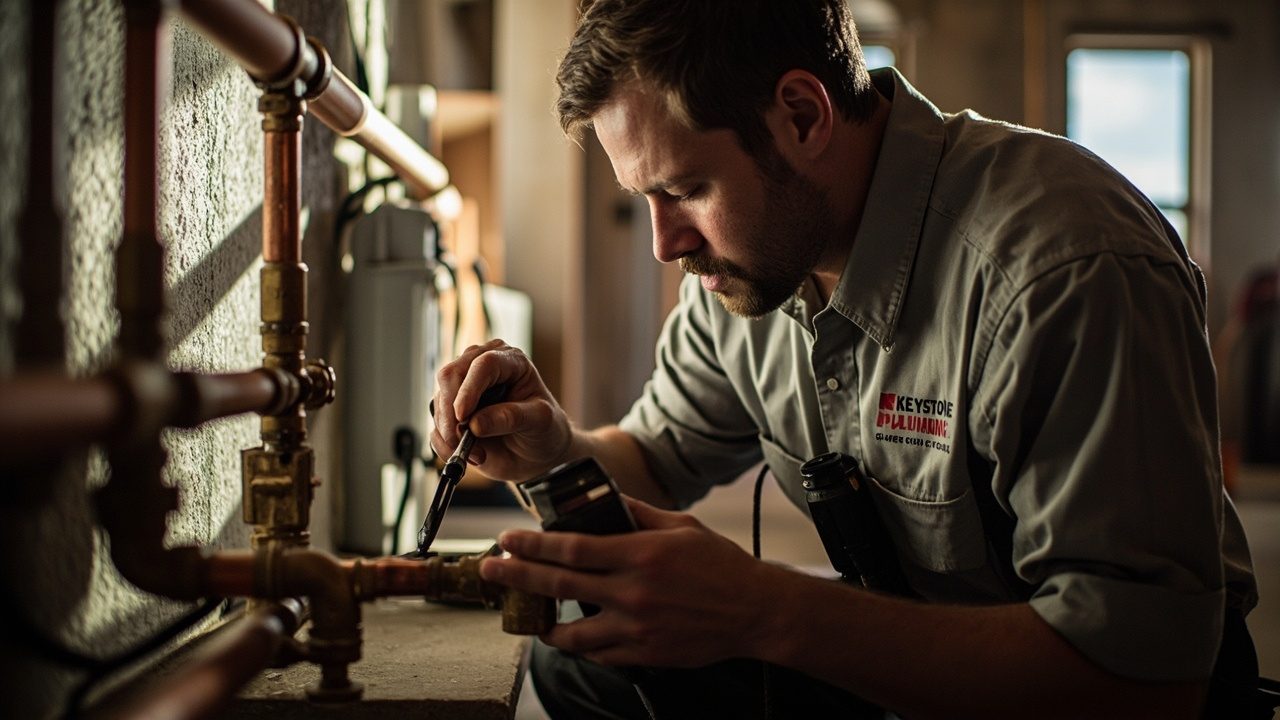
Gas line repair and installation requires precision, proper materials, and thorough testing. We start every job with electronic gas detection equipment to map the entire system and identify leak points. For buried lines, we use acoustic sensors and tracer wire systems to locate pipes without excavation. This diagnostic phase reveals not just the immediate problem but potential weak points that could fail soon.

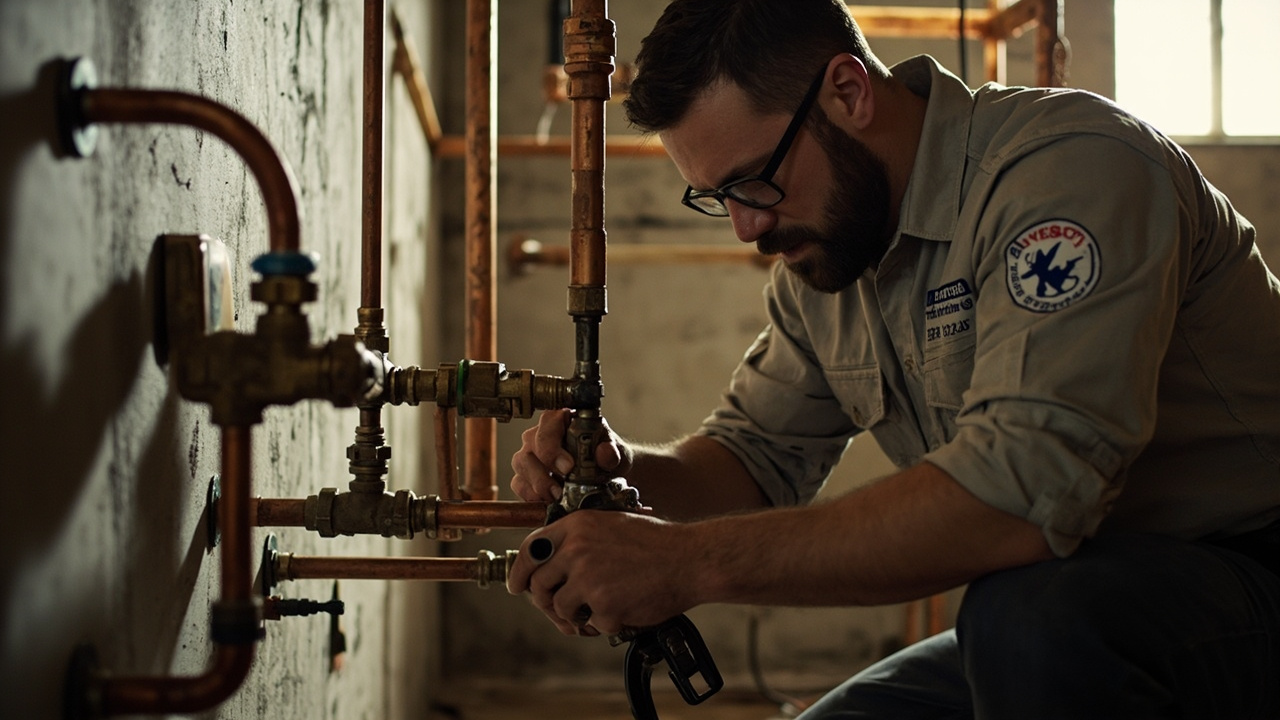
Gas pipe repair techniques vary based on pipe material, age, and location. Black iron pipe repairs require threading, proper dope application, and torque specifications to prevent joint leaks. CSST (corrugated stainless steel tubing) repairs demand specialized fittings and grounding verification. We pressure test every repair to 150% of operating pressure, holding for 30 minutes minimum before releasing the line back to service.

New gas piping installation follows a systematic approach. We calculate BTU loads for all appliances to size pipes correctly, preventing pressure drops that cause burner inefficiency. Pipe routing considers structural members, clearances from electrical systems, and accessibility for future service. Every penetration through foundation walls gets proper sleeving and sealing to prevent gas migration into living spaces.

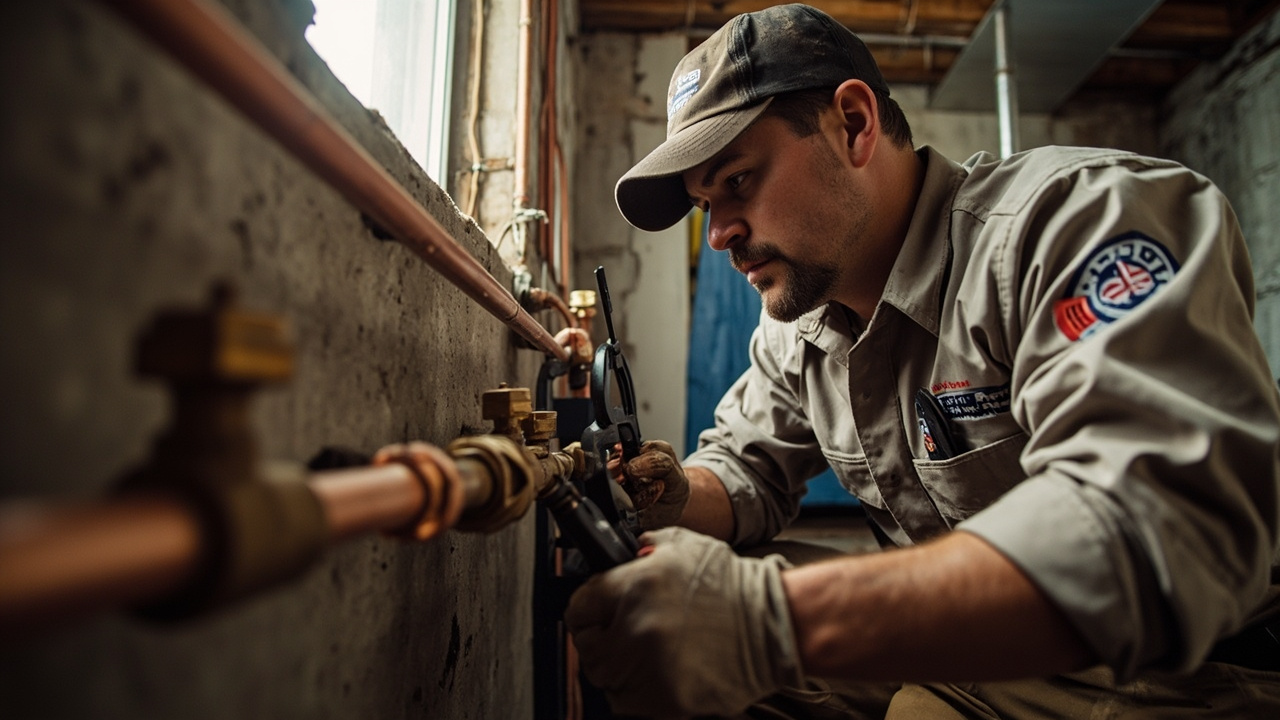
Gas line replacement often makes more sense than repeated repairs on corroded systems. We trench or bore new lines, install proper depth according to Charlotte code requirements, and use tracer wire for future locating. The meter connection requires utility coordination and inspection scheduling. We handle the permits, the inspections, and the final pressure testing that certifies the system safe for use.

Charlotte's commercial properties need gas line plumbers who understand industrial applications. Restaurant kitchens, medical facilities, and manufacturing operations cannot afford extended downtime. We schedule work during off-hours, stage materials in advance, and complete installations efficiently to minimize business interruption.

What Happens During Your Gas Line Service

Gas Line Repair & Installation in Charlotte – Complete Residential and Commercial Natural Gas Solutions
01

System Evaluation and Detection

We start with electronic combustible gas detectors to scan your entire system, from the meter through every branch line to each appliance connection. You see exactly where problems exist. We document pipe materials, connection types, and system age. For suspected leaks, we apply soap solution to joints and use pressure decay testing to quantify leak rates. This diagnostic phase typically takes 30 to 90 minutes depending on property size and system complexity.
02

Repair or Installation Work

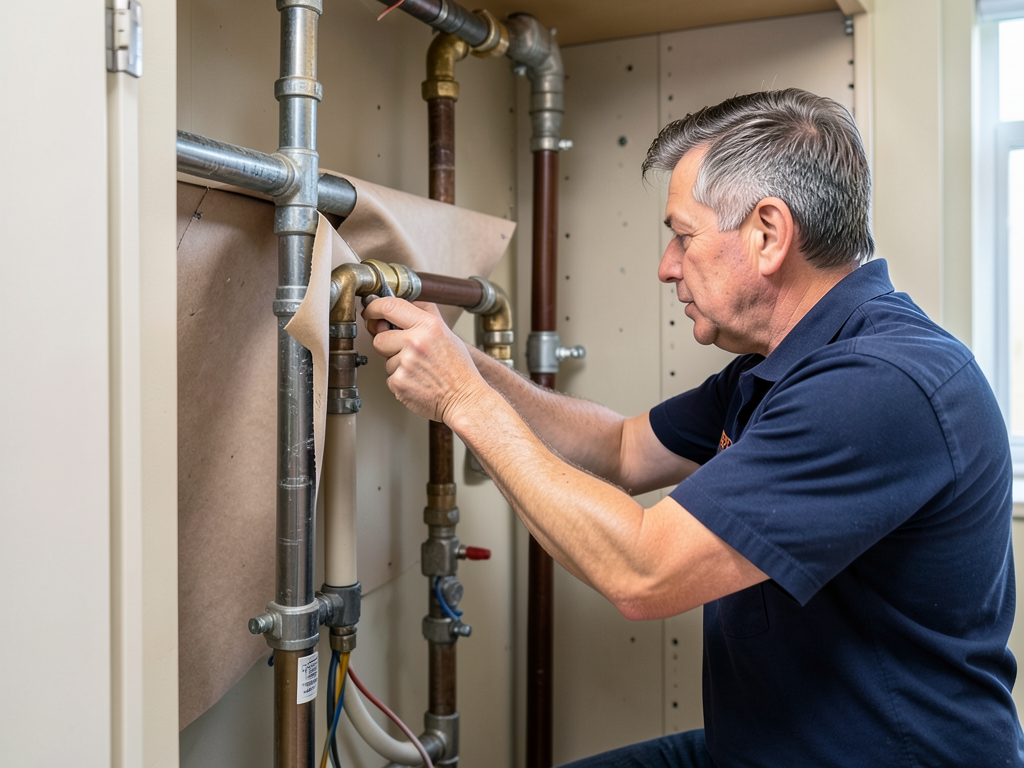
The actual work depends on your specific situation. Gas pipe repair might involve replacing corroded sections, re-threading connections, or installing new valves. Gas piping installation requires precise measurements, proper pitch for condensation drainage, and secure mounting. We cut and thread black iron on site or pre-fabricate CSST runs. Every joint gets checked twice. We maintain ventilation during work and use gas-safe power tools. Most residential repairs complete in two to four hours.
03

Pressure Testing and Certification

Before we restore gas service, every connection undergoes pressure testing. We isolate the repaired section, pressurize it with air or nitrogen to test pressure, and monitor with a precision gauge. The pressure must hold steady for the duration of the test. We then check every joint with leak detection solution. Only after passing all tests do we restore gas flow, light pilots, and verify proper appliance operation. You receive documentation of the testing for your records.

Why Charlotte Properties Need Local Gas Line Expertise

Gas line work in Charlotte requires specific knowledge of local conditions and regulations. Mecklenburg County enforces the North Carolina State Building Code with local amendments that affect gas piping installations. Permit requirements, inspection protocols, and approved materials lists change periodically. Keystone Plumbing Charlotte maintains current knowledge of these requirements and established relationships with local inspectors, which streamlines the approval process for your project.

Charlotte's soil conditions create unique installation challenges. The red clay throughout the region requires specific trenching techniques to prevent cave-ins during gas line replacement projects. Proper backfill and compaction prevent future settling that could stress pipes. We understand frost line depths, minimum burial requirements, and how to protect lines from root intrusion in areas with mature trees.

Commercial properties in South End, University area, and the airport corridor need gas line plumbers who understand business operations. We coordinate with facility managers to schedule work during low-impact periods. Our trucks carry extensive inventory to complete jobs without delays for parts runs. We communicate clearly about timeline expectations and potential complications before work begins.

Older Charlotte neighborhoods present specific challenges. Homes built before 1970 often have undersized gas lines that struggle to supply modern high-efficiency appliances. Adding a tankless water heater or upgrading to a larger furnace might require complete gas piping installation from the meter. We evaluate your existing system capacity and recommend solutions that support both current needs and future appliance upgrades.

Emergency gas leak repair demands immediate response capability. We maintain on-call technicians, stocked service vehicles, and relationships with PSNC Energy for urgent utility coordination. When you smell gas, you need someone who answers the phone and arrives quickly with the tools to diagnose and repair the problem safely.

What to Expect From Your Gas Line Service

Response Time and Scheduling

Emergency gas leak repair receives immediate dispatch. We aim to arrive within 60 to 90 minutes for urgent safety situations anywhere in the Charlotte metro. For scheduled gas line replacement or new gas piping installation, we typically book within three to five business days. Commercial projects receive dedicated project timelines with milestone dates. We confirm appointments the day before and provide technician arrival windows. You receive direct contact information for your assigned plumber. Weather delays occasionally affect excavation work, but we communicate proactively about any schedule changes that impact your project timeline.

Initial Assessment Process

Your service begins with comprehensive system evaluation. We use electronic gas detectors, pressure gauges, and visual inspection to assess your entire gas distribution system. You learn what pipes you have, where problems exist, and what codes apply to your situation. We explain repair versus replacement trade-offs in plain terms. For new installations, we calculate BTU requirements for all appliances and design pipe sizing to deliver adequate pressure. The assessment includes photo documentation and written findings. You receive a detailed proposal outlining scope, materials, timeline, and investment required before any work begins.

Completed Work Quality

Every gas pipe repair and gas piping installation meets or exceeds Charlotte building codes. We use approved materials, proper joint compounds, and correct installation techniques. Black iron pipes get primed and painted. CSST installations include proper bonding and grounding. Exposed pipes are mounted securely with appropriate hangers and spacing. Underground lines receive tracer wire for future locating. You see clean, professional work that passes inspection on the first submission. All connections undergo pressure testing with documented results. We clean the work area, remove all debris, and restore landscaping or finished surfaces disturbed during installation.

Ongoing Support and Maintenance

Gas line systems require periodic inspection to maintain safety. We recommend annual checks of exposed pipes, connections, and appliance hookups. You receive guidance on warning signs that indicate developing problems, like unusual odors or appliance performance changes. Our service records document your system configuration, materials used, and test results for future reference. If you add appliances or modify your gas system later, we have the baseline information to design appropriate upgrades. Many commercial clients establish preventive maintenance agreements that include scheduled inspections and priority emergency response.

Frequently Asked Questions

You Have Questions,
We Have Answers

What is the average cost to install a gas line? +

Installation costs depend on the distance from your meter, the pipe material, and Charlotte's clay soil conditions. Running a line 20 feet for a gas range costs less than running 100 feet through crawl spaces or concrete slabs. Factors include excavation depth, required permits from the City of Charlotte, pressure testing, and whether walls or landscaping need repair. Black steel pipe costs less upfront than flexible CSST tubing, but installation complexity matters more. Most residential installations range from basic appliance hookups to whole-home conversions. Get a site evaluation first. Costs vary widely.

What is the cost of a gas line installation? +

The price reflects several variables specific to your Charlotte property. Distance from the gas meter to the appliance matters most. A 30-foot run underground costs more than a 10-foot basement install. Charlotte's expansive clay soil can shift, requiring deeper trenching and stabilization. Pipe material affects the total. Black iron pipe requires threading and fittings. CSST flexible tubing installs faster but costs more per foot. Permit fees, pressure testing, and inspections add to the final number. Obstacles like existing landscaping, driveways, or crawl space access change labor time. Request an onsite assessment.

How much does it cost to repair a natural gas line? +

Repair costs depend on leak location and damage severity. A simple fitting replacement at an exposed joint costs less than excavating a corroded underground section beneath your Charlotte driveway. If the leak affects multiple connections or requires soil excavation through clay, expect higher labor costs. Emergency repairs cost more than scheduled work. Repairs include leak detection, pipe section replacement, pressure testing, and inspection approval. Older homes in Charlotte's historic neighborhoods sometimes need multiple fittings replaced if corrosion spread. Small leaks caught early save money. Ignoring them risks bigger failures and safety hazards.

Do plumbers or HVAC run gas lines? +

Licensed plumbers handle gas line installation and repair in Charlotte. HVAC techs connect appliances like furnaces or water heaters to existing gas supplies, but they do not run new lines through walls or underground. Plumbers understand pipe sizing, pressure requirements, and local code compliance. Charlotte requires specific permits and inspections for gas work. A qualified plumber pulls permits, sizes lines correctly for BTU demand, pressure tests the system, and coordinates inspections. HVAC contractors focus on equipment hookup after the line exists. For new installs or repairs, call a licensed plumber with gas line experience.

Are gas lines covered by home insurance? +

Homeowners insurance typically covers sudden, accidental damage like a tree falling on an exposed gas line. It does not cover wear, corrosion, or neglect. If a covered peril damages your line, file a claim quickly. Insurance rarely covers routine maintenance or aging pipe replacement. Charlotte's clay soil movement can stress connections over time, but this counts as gradual deterioration. Review your policy exclusions. If a leak causes secondary damage like fire or explosion, coverage depends on the cause. Always repair leaks immediately. Insurance disputes happen when damage stems from deferred maintenance.

Do plumbers hook up gas lines? +

Yes. Licensed plumbers connect gas appliances to existing lines or new installations. They size the connection correctly, install shut-off valves, test for leaks, and ensure code compliance. In Charlotte, gas hookups require permits and inspections for safety. A plumber verifies the gas pressure matches appliance requirements, threads fittings properly, and applies approved sealants. They also check ventilation for appliances like water heaters or dryers. Improper hookups cause leaks, carbon monoxide risks, or appliance failure. Never attempt DIY gas connections. Hire a licensed plumber who understands Charlotte building codes and carries proper insurance.

Can I install a gas line myself? +

No. Gas line work requires a licensed professional in Charlotte. DIY gas installations violate local codes and void homeowners insurance. Gas leaks cause fires, explosions, and carbon monoxide poisoning. Licensed plumbers understand pipe sizing, pressure calculations, proper fittings, and leak testing procedures. Charlotte requires permits and inspections for all gas work. Improper installations fail pressure tests or leak at connections. You also risk fines or being forced to remove unpermitted work. Even small mistakes create dangerous conditions. Protect your family and property value. Hire a licensed plumber with gas line experience and let them handle permits and inspections.

How long does it take to install a gas line? +

Installation time depends on complexity and distance. A simple 15-foot line for a gas range takes a few hours if access is easy. Running 80 feet through a crawl space or under a Charlotte driveway takes one to two days. Excavation through clay soil, trenching around landscaping, or routing through finished walls adds time. Permit approval and inspection scheduling extend the timeline. Weather delays outdoor work. Most residential projects finish within one to three days after permits clear. Complex jobs involving multiple appliances or whole-home conversions take longer. Your plumber provides a timeline after evaluating your property.

How much does it cost to connect gas? +

Connection costs depend on whether the gas line already exists at the appliance location. Hooking up a dryer or range to an existing stubout with a shutoff valve takes an hour or two. If no line exists, you pay for installation from the meter to the appliance. Distance, pipe material, and obstacles affect pricing. Charlotte requires permits for new connections. The gas utility may charge a service initiation fee if you are activating service for the first time. Pressure testing and inspection add time. Get a detailed estimate that separates line installation from appliance connection costs.

Do plumbers repair gas lines? +

Yes. Licensed plumbers diagnose and repair gas line leaks, corrosion, and damaged fittings. They use leak detectors to locate problems, then replace faulty sections or joints. Repairs include pressure testing to confirm the fix and inspection approval. Charlotte's clay soil movement stresses underground lines over time, causing joint failures. Plumbers assess whether a small repair suffices or if a larger section needs replacement. They also verify proper venting and check for code violations from previous work. Emergency leak repairs happen fast. Routine repairs get scheduled after evaluation. Always use a licensed plumber for gas repairs.

How Charlotte's Clay Soil Affects Gas Line Integrity and Safety

Charlotte sits on expansive clay soil that swells when wet and shrinks when dry. This constant movement creates stress on buried gas lines, particularly at connection points and where pipes penetrate foundations. The seasonal cycle between summer humidity and winter dryness amplifies this effect. Older black iron pipes corrode faster in the acidic clay common throughout Mecklenburg County. Gas line replacement projects must account for soil movement by using flexible connections, proper bedding materials, and adequate depth to minimize stress from ground shifts. Properties in areas like Ballantyne, Huntersville, and Matthews experience similar soil conditions that demand careful attention to pipe support and joint integrity during gas piping installation.

Charlotte's rapid growth brings constant changes to building codes and safety standards. Keystone Plumbing Charlotte maintains active communication with Mecklenburg County inspections departments and stays current on code revisions that affect gas line work. We pull permits correctly, schedule inspections appropriately, and ensure all work meets current standards even when servicing older systems installed under previous codes. Our familiarity with local inspection priorities prevents delays and ensures your project passes on the first review. When you choose local gas line plumbers who work in Charlotte daily, you benefit from established relationships and detailed knowledge of specific requirements that out-of-area contractors often miss.
Plumbing Services in The Charlotte Area

Discover our service area and see how conveniently located Keystone Plumbing is to serve your residential and commercial needs. We are dedicated to bringing reliable, expert plumbing solutions right to your doorstep. Explore the map to visualize our reach and understand why we are the trusted local choice for all your plumbing requirements. We look forward to connecting with you and providing exceptional service wherever you are located within our service boundaries.

Address:
Keystone Plumbing Charlotte, 2015 Ayrsley Town Blvd #202, Charlotte, NC, 28273

Additional Services We Offer

Our news updates

Latest Articles & News from The Blogs

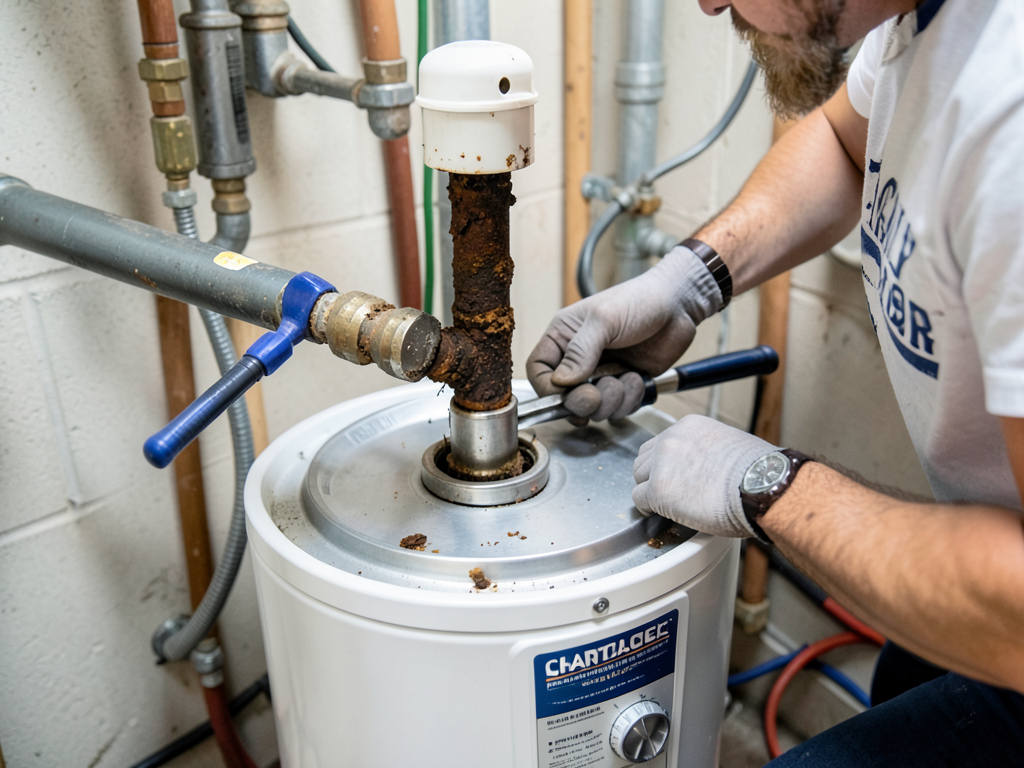
Why your water heater is rusting from the inside (and how the anode rod saves it) Your water heater tank…

Why your water heater is rusting from the inside (and how the anode rod saves it)

Why your water heater is rusting from the inside (and how the anode rod saves it) Your water heater tank…

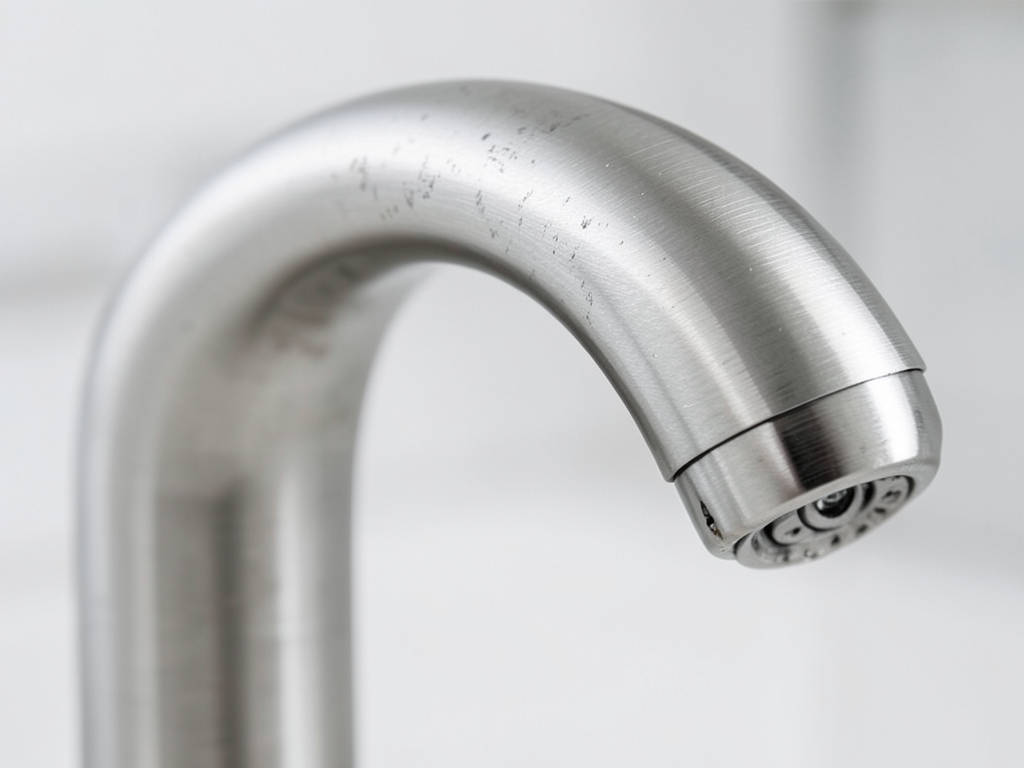
Best Kitchen Faucet Finishes That Won't Show Hard Water Spots in Harrisburg

Best Kitchen Faucet Finishes That Won’t Show Hard Water Spots in Harrisburg Hard water spots can ruin the look of…

Soundproofing Your Pipes to Stop Hearing Your Neighbors Flush in Your Uptown Apartment

Soundproofing Your Pipes to Stop Hearing Your Neighbors Flush in Your Uptown Apartment Living in an Uptown Charlotte apartment means…

Contact Us

Gas line problems demand immediate professional attention. Call Keystone Plumbing Charlotte at (980) 342-9933 for emergency gas leak repair or to schedule gas piping installation. We provide upfront assessments, code-compliant work, and thorough safety testing on every job.