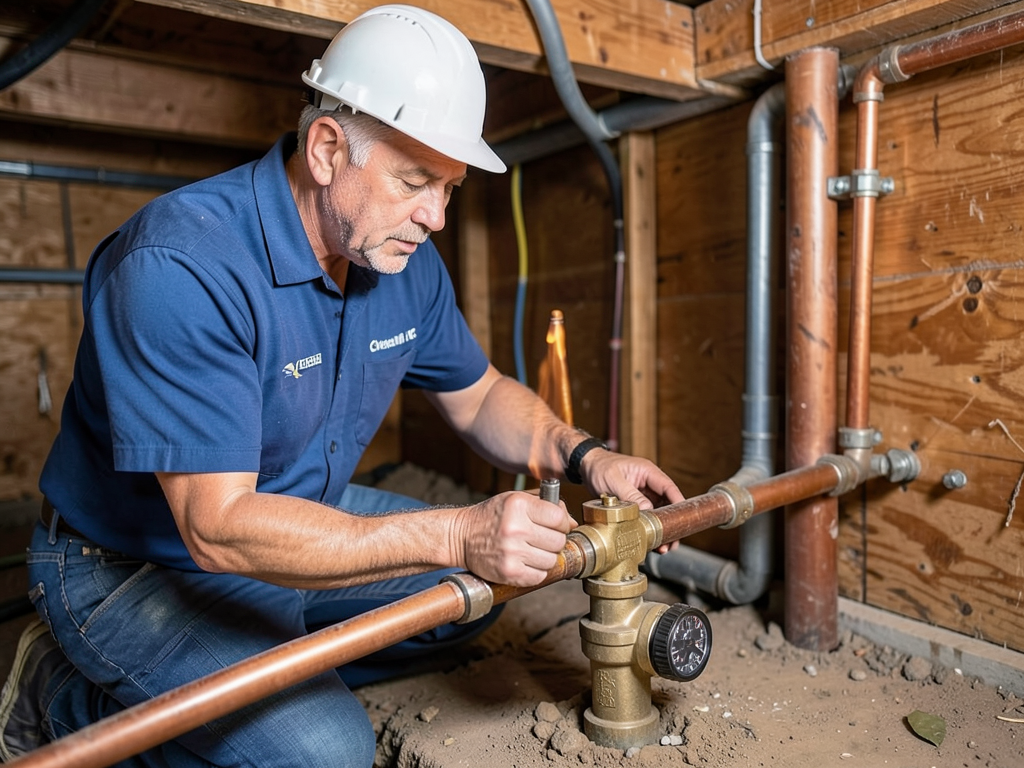
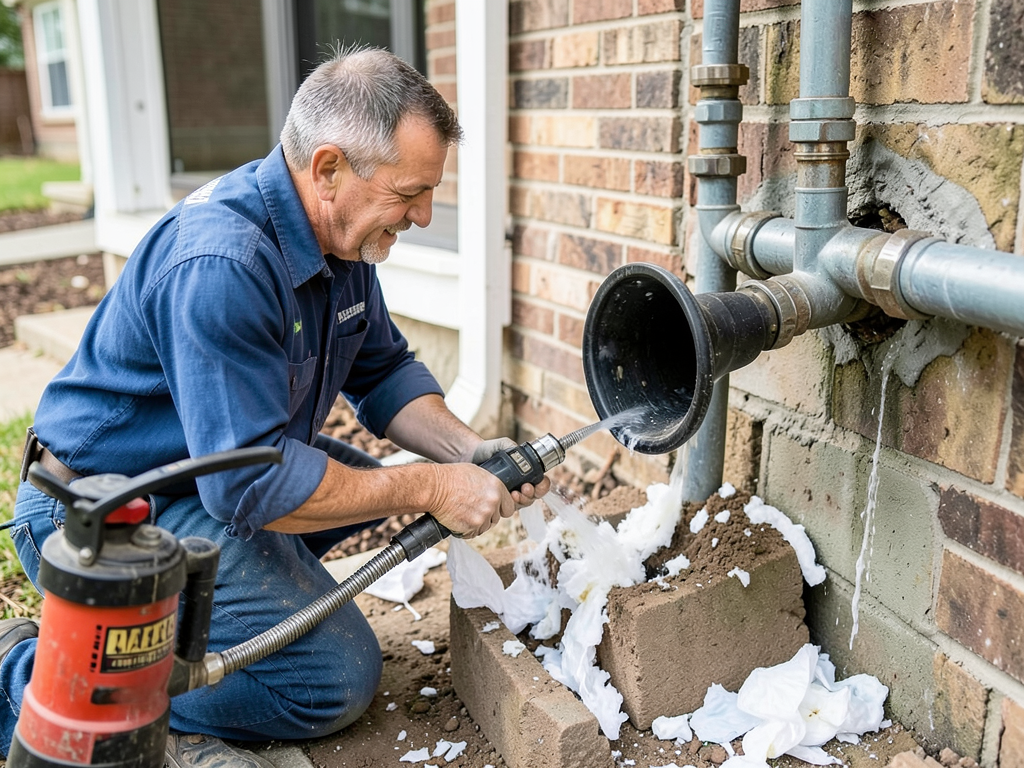
Charlotte-Mecklenburg Utilities treats water with chloramines and orthophosphates to prevent pipe corrosion in the distribution system. While this protects city infrastructure, it accelerates anode rod depletion in commercial water heaters. The chemical reaction between orthophosphates and magnesium anodes creates a thick sludge that settles in tank bottoms, reducing effective storage capacity and creating hot spots that stress tank welds. Large capacity water heaters in Charlotte require more frequent anode inspection than those in cities using different treatment methods. We test water chemistry before specifying anode materials and replacement intervals.
Charlotte's commercial plumbing sector operates under jurisdiction of the North Carolina State Board of Examiners of Plumbing, Heating and Fire Sprinkler Contractors. This means commercial water heater installations require licensed contractors who carry specific commercial liability coverage and worker's compensation insurance. Unlicensed contractors cannot pull mechanical permits in Mecklenburg County, which means their work remains illegal and uninsurable. Keystone Plumbing Charlotte maintains full commercial licensing and insurance, giving you legal protection and quality assurance that handyman services or residential-only contractors cannot provide.