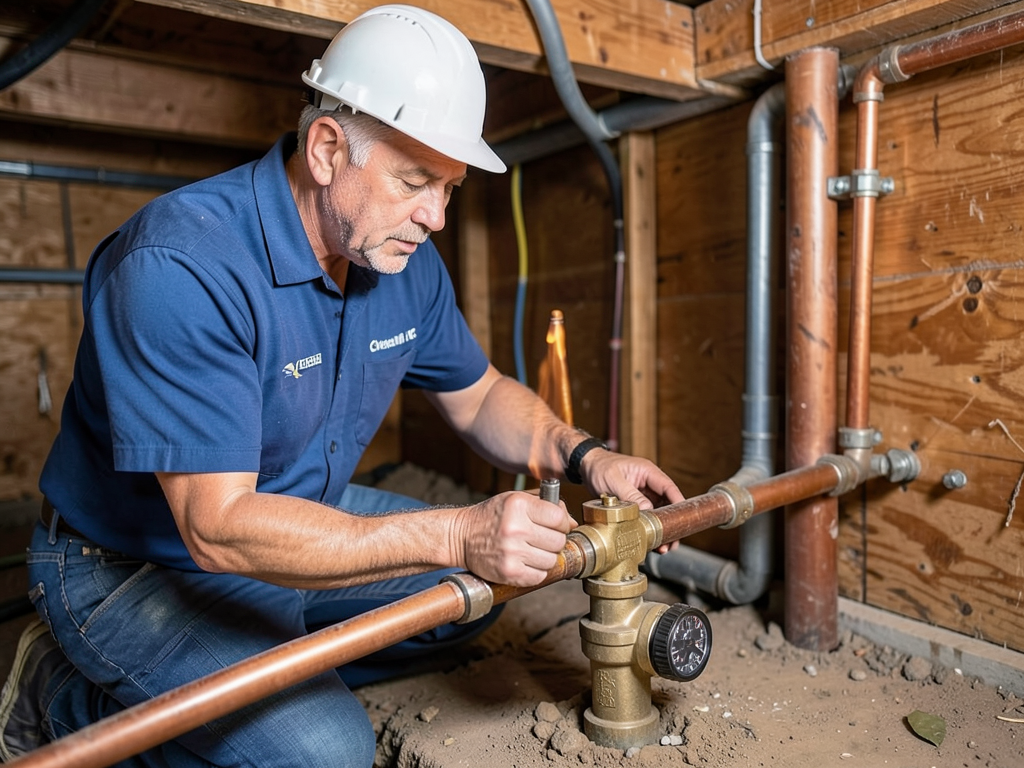
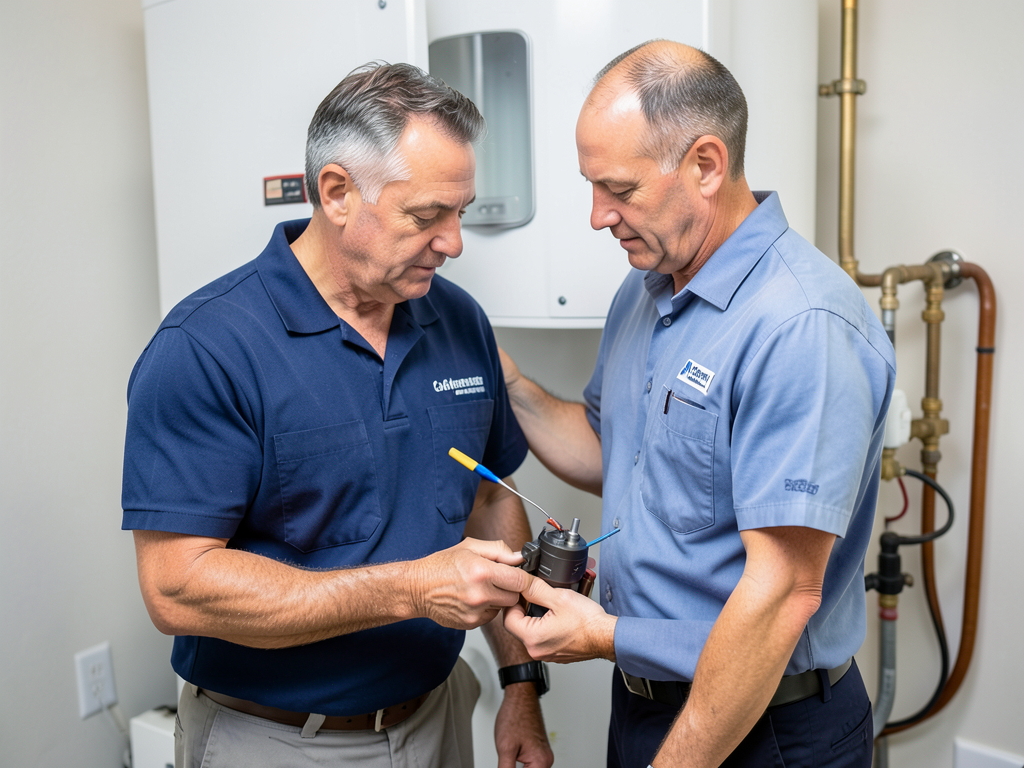
Charlotte-Mecklenburg Utilities sources water from Mountain Island Lake and Lake Norman, producing moderately hard water with 3-5 grains per gallon. This hardness level creates gradual mineral accumulation inside flushometer diaphragms and flush valve seats. Commercial facilities with high daily flush counts accelerate this buildup. A restaurant restroom cycling 300 flushes per day experiences calcification three times faster than a low-traffic office. The result is weak flushes, incomplete bowl clearing, and eventually stuck flush valves that run continuously. Commercial urinal maintenance must include descaling procedures that residential services ignore.
Mecklenburg County enforces North Carolina Plumbing Code with local amendments that affect commercial fixture installations. The county requires backflow prevention on all commercial water supplies and mandates specific fixture spacing in public restrooms. These requirements make commercial toilet work fundamentally different from residential service. Keystone Plumbing Charlotte maintains relationships with local inspectors and stays current on code interpretations that affect Charlotte facilities. When we perform industrial toilet repair services or commercial flush valve replacement, the work complies with local standards the first time. This local knowledge prevents failed inspections and the expensive corrections that follow.