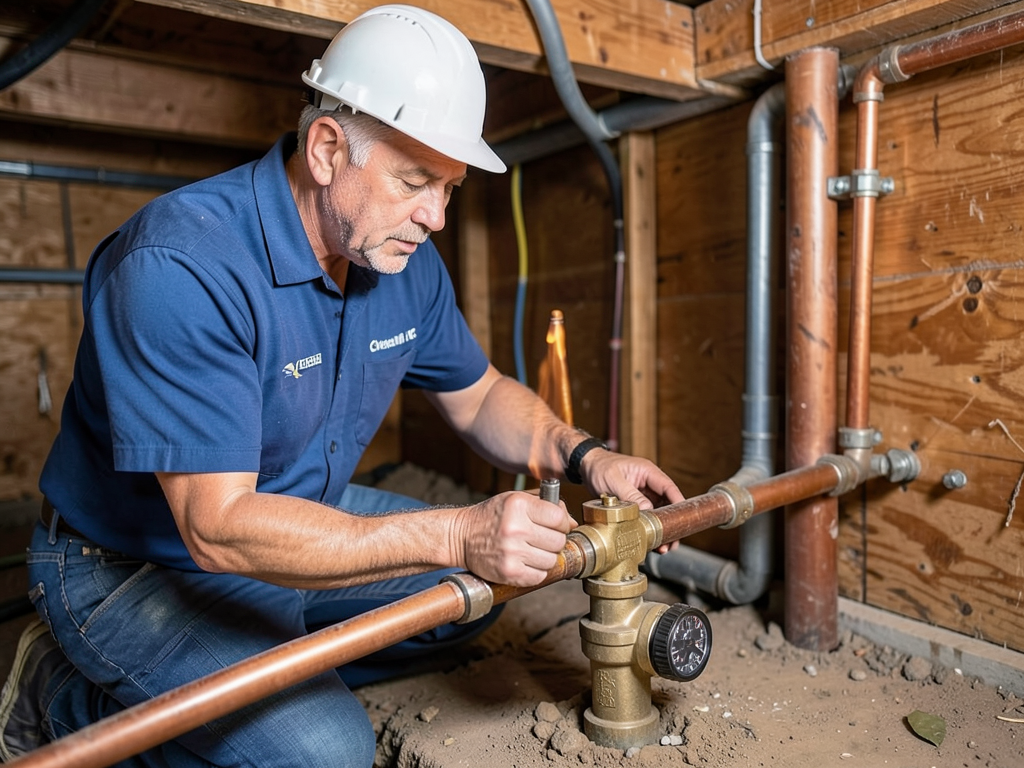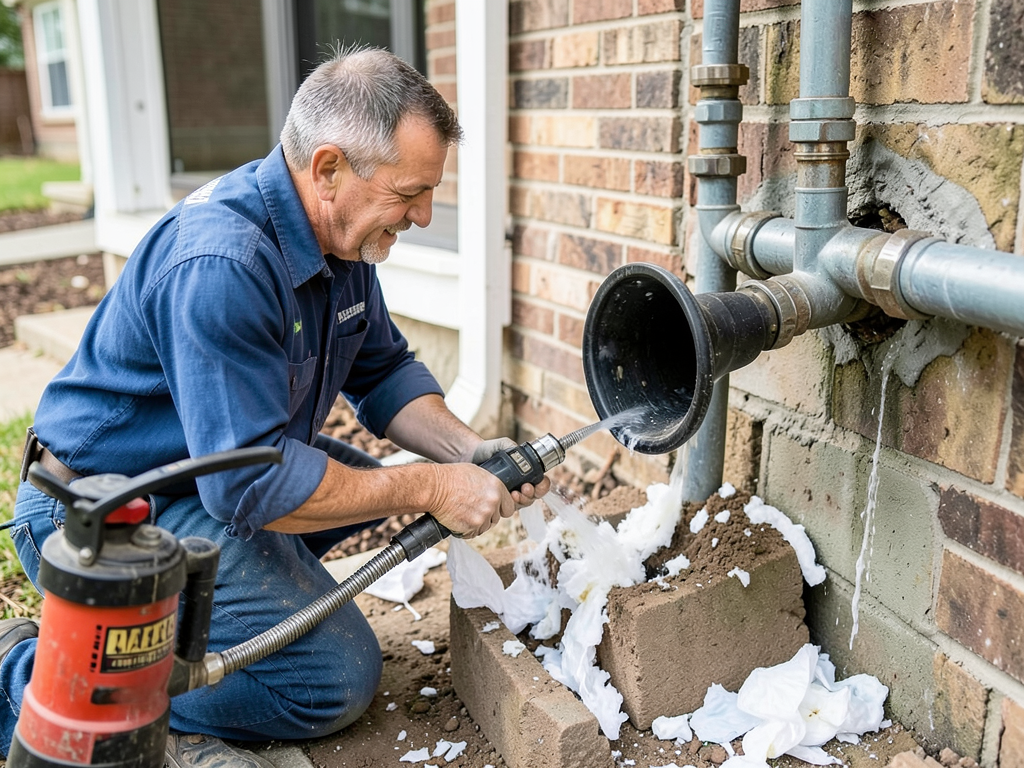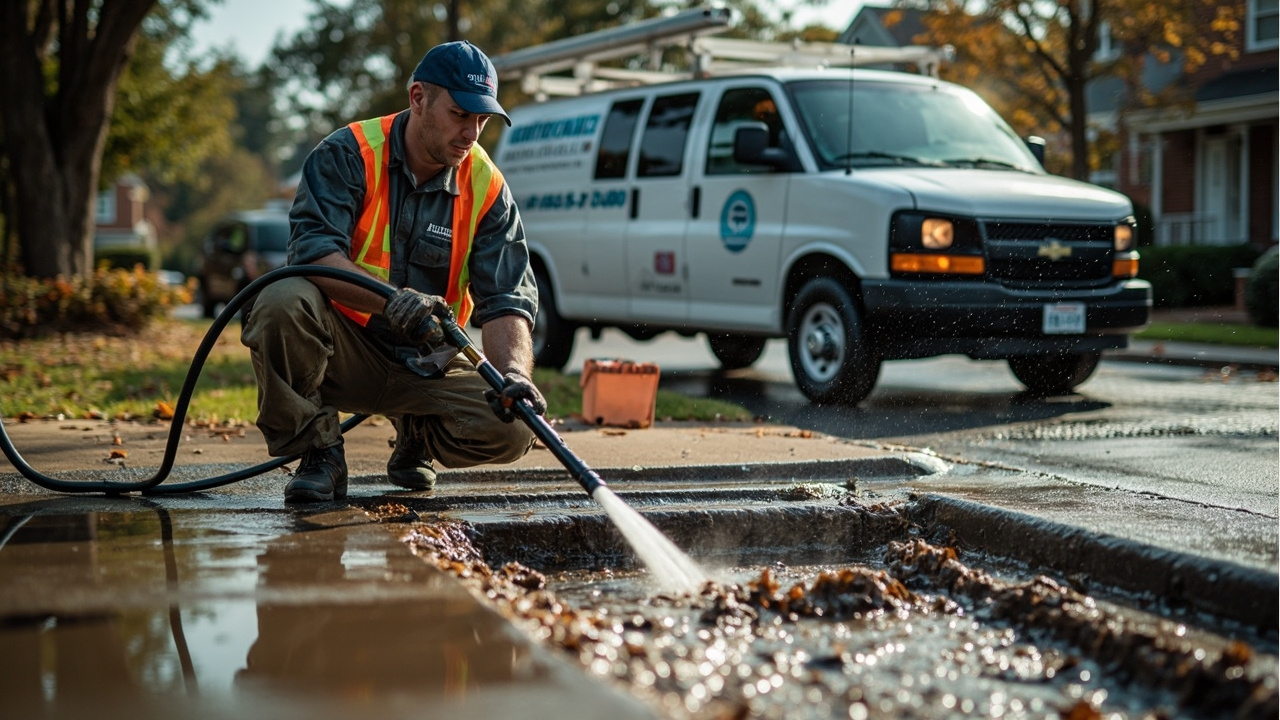


The Piedmont region's heavy clay soil creates unique challenges for commercial stormwater systems. Clay expands when saturated and shrinks during dry periods, creating cyclical stress on catch basin structures and underground piping. This movement causes joint separation, surface settling, and misalignment that reduces flow capacity and creates pooling. Charlotte's rainfall pattern compounds the problem. Summer thunderstorms deliver intense precipitation in short periods, overwhelming systems already compromised by structural movement. A catch basin that handles light rain adequately can fail catastrophically during a two-inch-per-hour downpour. Commercial properties with large impervious surfaces generate massive runoff volumes that stress every component of the drainage system. The clay soil also retards infiltration, meaning surface water has nowhere to go except through your storm drains or across your parking lot.
Charlotte-Mecklenburg Storm Water Services enforces post-construction stormwater ordinances that place maintenance obligations on property owners. Your storm drain system must function as designed to satisfy these requirements. Regular maintenance and documentation of service history provides evidence of compliance if questions arise. Local providers understand these regulations and Charlotte's specific soil and climate conditions. We work with the same clay soil, the same intense summer storms, and the same regulatory environment across every commercial property in the metro. This experience translates to accurate diagnostics, appropriate repair methods, and maintenance schedules calibrated to local conditions rather than generic national standards that may not apply to Charlotte's unique infrastructure challenges.