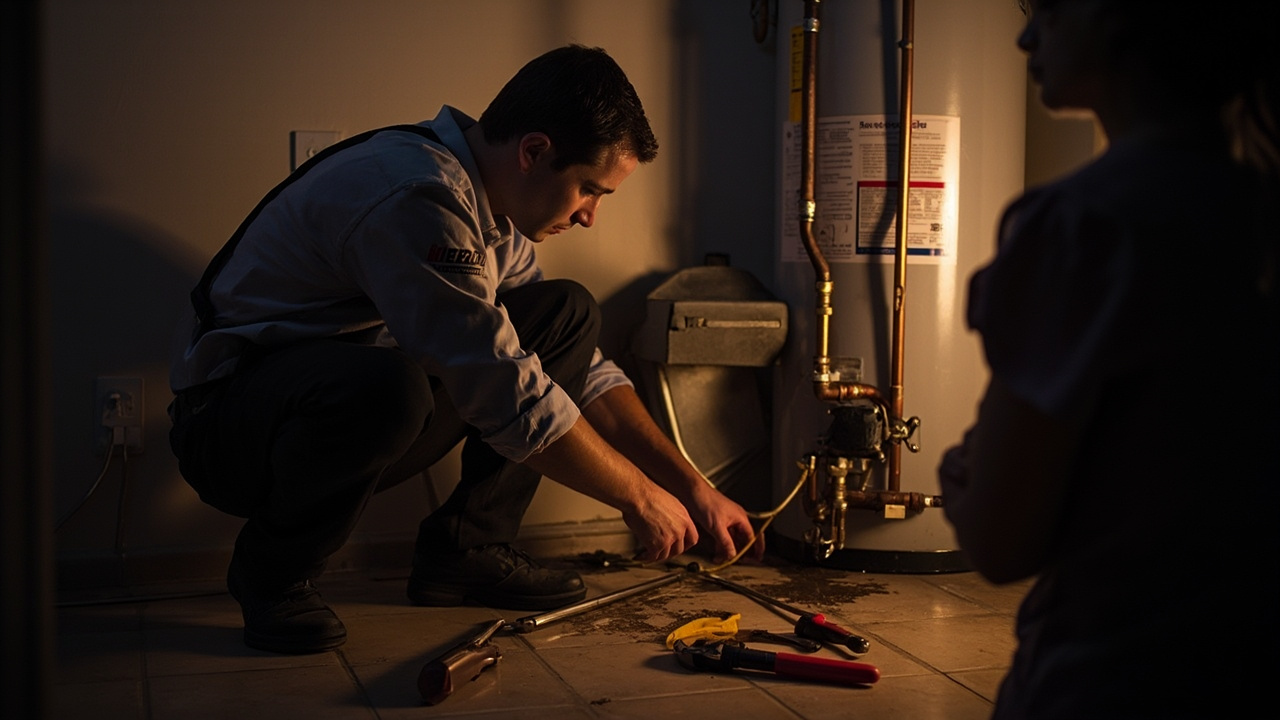
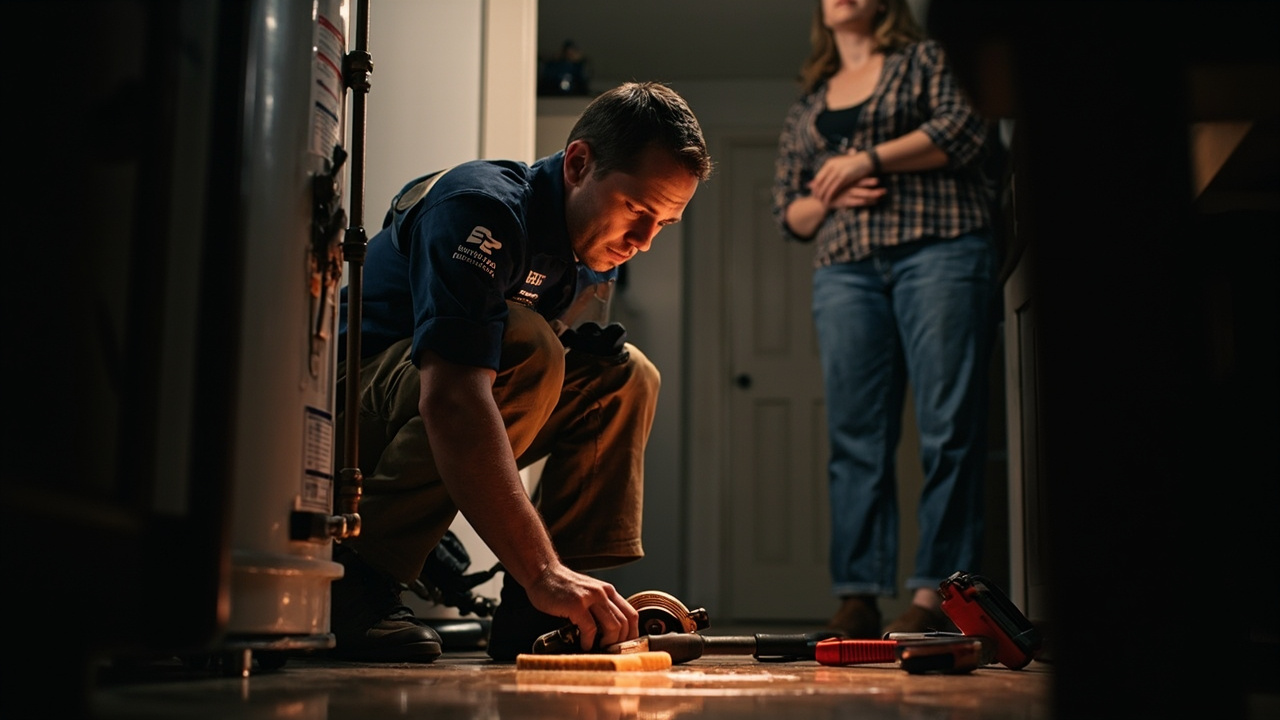
Charlotte sits at the edge of the Piedmont region, where moderately hard water carries enough calcium and magnesium to cause sediment buildup inside tank water heaters. This sediment layer insulates the heating element or burner from the water, forcing the system to work harder and run longer to heat water. Over time, this extra strain burns out heating elements on electric models and cracks heat exchangers on gas units. The high humidity during summer months also accelerates exterior corrosion on older tanks stored in basements or crawl spaces. When you combine mineral-heavy water with temperature swings between 90-degree summer days and occasional winter freezes, water heaters in Charlotte fail faster than in drier or more temperate climates. Regular maintenance helps, but even well-maintained units eventually reach end-of-life and fail without warning.
Charlotte's rapid growth over the past two decades means the metro area has a mix of aging housing stock in established neighborhoods like Plaza Midwood and brand-new construction in areas like Ballantyne and Huntersville. Older homes often have original water heaters that are 15 or 20 years old, well past the typical 10 to 12 year lifespan. Newer homes may have high-efficiency tankless or hybrid units that require specialized diagnostic tools and training. Keystone Plumbing Charlotte has served this community long enough to understand the unique challenges in each neighborhood, and our technicians are trained on both legacy equipment and modern high-efficiency systems. When you call us for emergency water heater repair, you are working with plumbers who understand Charlotte's housing, water quality, and building codes.