Menu

Hydro Jetting vs. Snaking in Charlotte – Choose the Right Method to Clear Your Drains Completely

Understanding the difference between hydro jetting and snaking helps you make informed decisions about drain cleaning, preventing recurring clogs and protecting your plumbing system from unnecessary damage.

Slider Image 1
Slider Image 2
Slider Image 3
Slider Image 4
Slider Image 5
Slider Image 7
Slider Image 8
Slider Image 9
Slider Image 10
Slider Image 11

Why Charlotte Homeowners Face Persistent Drain Problems

Charlotte's clay-heavy soil creates unique challenges for residential plumbing systems. Tree roots from the area's mature oak and pine trees aggressively seek moisture, penetrating sewer lines through even the smallest cracks. Once inside, these roots create blockages that trap grease, hair, and debris.

When you call a plumber about a slow drain or backup, you face a decision between two primary clearing methods. The hydro jet vs drain snake debate matters because the wrong choice wastes your money or leaves the problem unsolved.

A plumbing snake, also called a rooter or auger, physically bores through blockages using a rotating cable with a cutting head. This mechanical action punches a hole through the obstruction but often leaves residue coating your pipe walls. Grease, scale, and partial root masses remain, which means the clog returns within months.

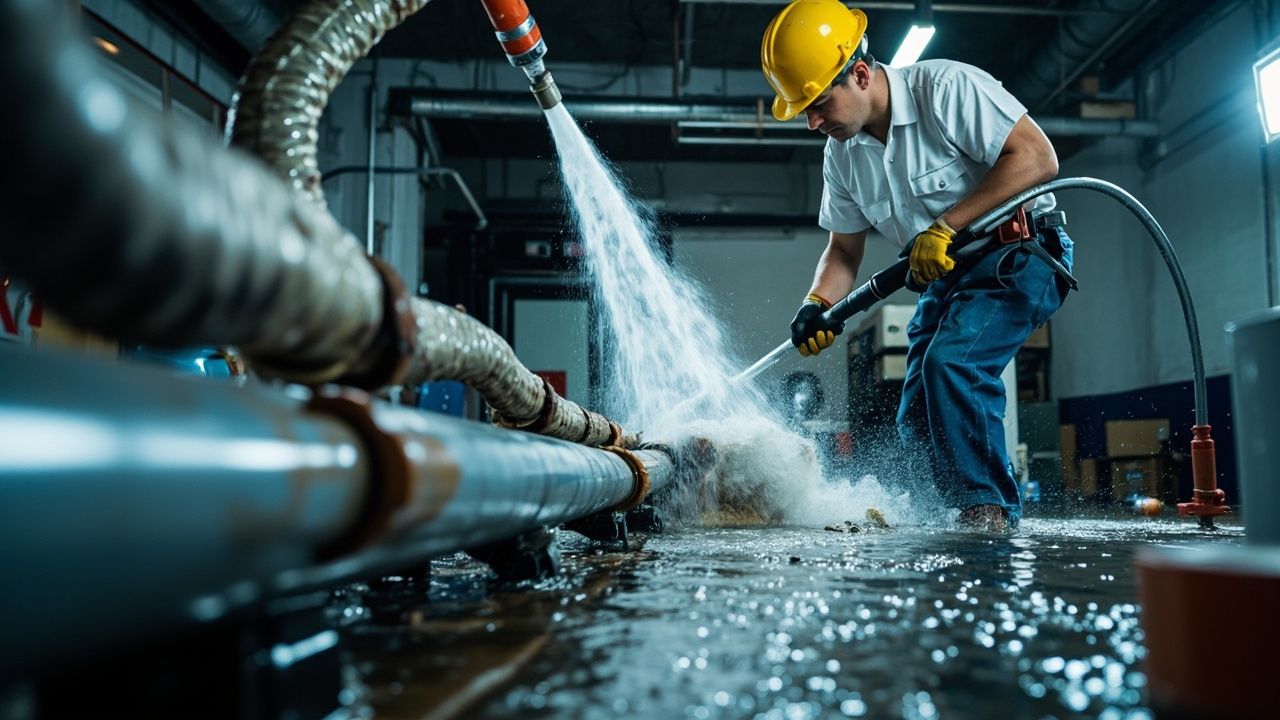
Water jetting uses high-pressure water streams, typically between 3,000 and 4,000 PSI, to scour pipe interiors completely clean. The difference between hydro jetting and snaking comes down to thoroughness. Snaking creates a pathway through the blockage. Jetting removes the blockage entirely, along with years of accumulated buildup.

Charlotte's older neighborhoods, particularly around Dilworth and Myers Park, feature cast iron and clay pipes from the 1940s and 1950s. These aging lines develop rough interiors that catch debris easily. The pros and cons of hydro jetting vs snaking shift dramatically based on your pipe material, age, and the nature of your blockage.

Most homeowners choose snaking first because it costs less upfront. But when the clog returns every few months, you end up paying for repeated service calls that exceed the one-time cost of proper hydro jetting.

Why Charlotte Homeowners Face Persistent Drain Problems
How Each Method Actually Works in Your Pipes

How Each Method Actually Works in Your Pipes

Plumbing snake technology has remained largely unchanged for decades. The technician feeds a flexible steel cable into your drain line through a cleanout access point or directly through the drain opening. As the cable advances, the motor rotates it between 400 and 800 RPM. Different cutting heads attach to the cable end depending on the suspected obstruction.

A spiral auger head works for soft blockages like paper and waste. A root cutting blade, which looks like a small saw blade, chews through root intrusions. The cable flexibility allows it to navigate bends in your drain line, following the pipe path to reach blockages up to 100 feet away.

The limitation appears after the snake clears the immediate blockage. The cable diameter rarely exceeds half the pipe's interior diameter, which means it clears a narrow channel while leaving substantial buildup untouched. Grease deposits, mineral scale, and root fragments remain adhered to pipe walls, ready to catch the next batch of debris flowing through.

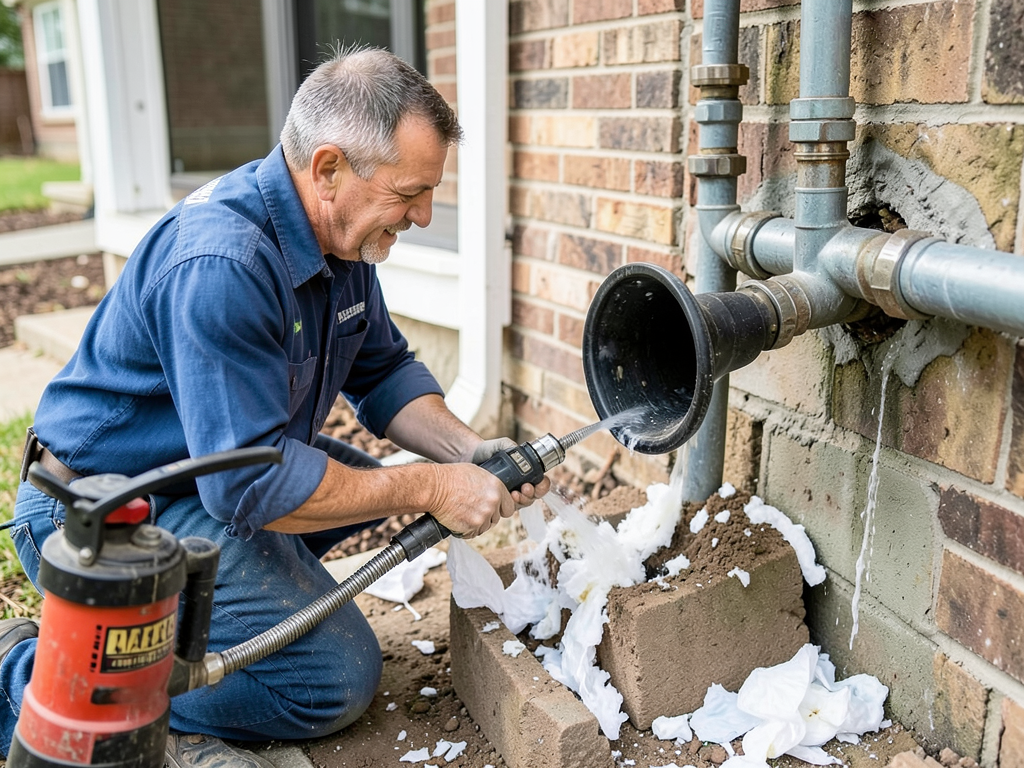
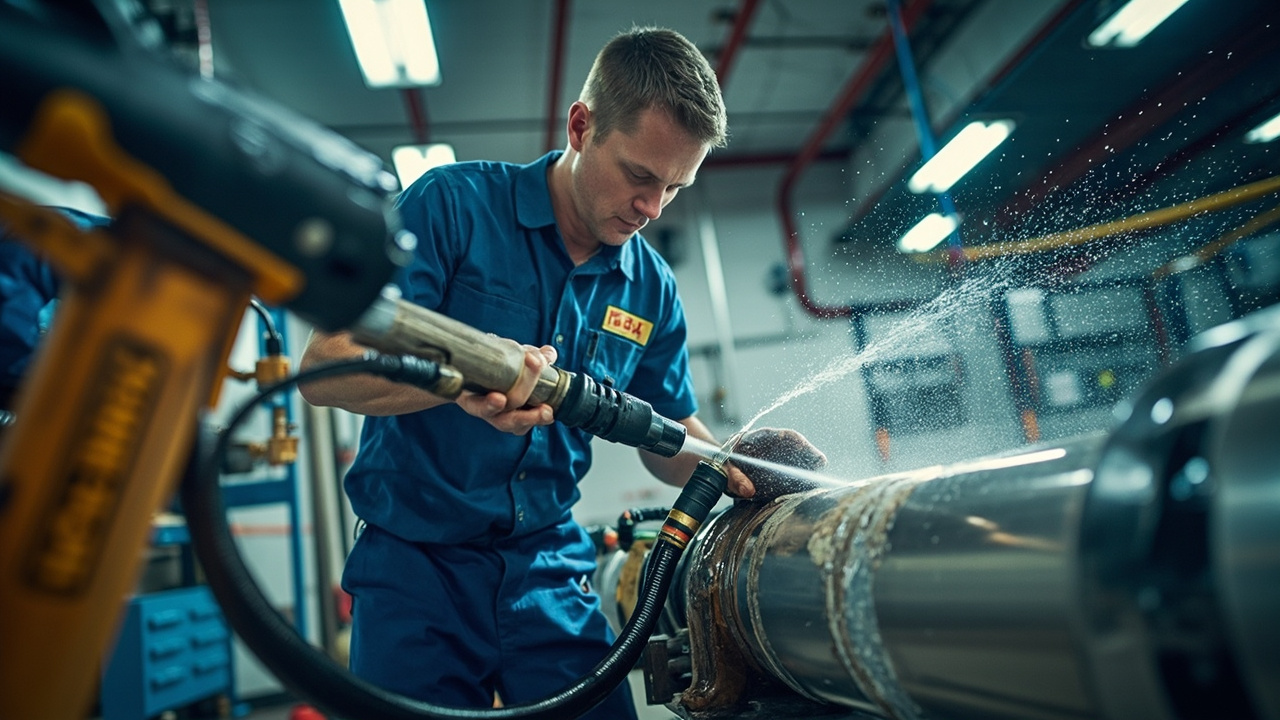
Hydro jetting equipment consists of a high-pressure pump, a water tank, and specialized nozzles designed for different applications. The technician inserts a flexible hose tipped with a forward-facing and rear-facing jet nozzle into your line. As water pumps through at controlled pressure, the rear-facing jets propel the hose forward while simultaneously blasting debris backward toward the entry point.

Different nozzle configurations handle specific problems. A penetrating nozzle breaks through heavy blockages. A chain flail nozzle removes hardened scale. A root cutting nozzle combines rotating chains with high-pressure streams to demolish root masses.

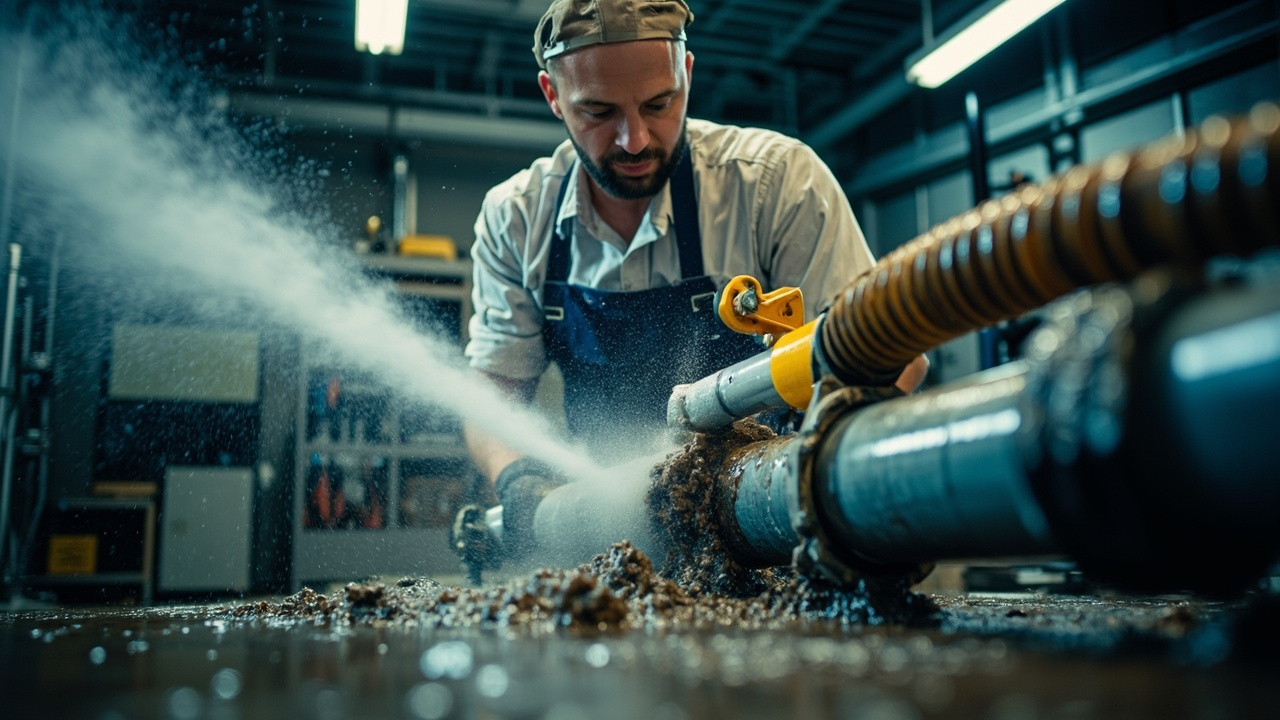
The hydro jetting vs rooter comparison favors jetting for complete pipe restoration. The pressurized water scours the entire pipe circumference, removing decades of accumulated grease, soap scum, mineral deposits, and organic matter. Your pipe returns to near-original flow capacity.

What Happens During Your Drain Cleaning Service

Hydro Jetting vs. Snaking in Charlotte – Choose the Right Method to Clear Your Drains Completely
01

Video Camera Inspection

Before selecting a clearing method, a trained technician runs a waterproof camera through your drain line to identify the blockage type, location, and pipe condition. This visual assessment reveals whether you face root intrusion, grease accumulation, collapsed sections, or foreign objects. The camera inspection also checks for cracks, corrosion, or joint separation that might complicate clearing efforts. This diagnostic step prevents applying the wrong solution and causing additional pipe damage.
02

Method Selection and Preparation

Based on camera findings, the plumber recommends snaking or jetting. Fragile older pipes with significant corrosion might require gentle snaking to avoid catastrophic failure. Heavy root masses or decades of grease buildup demand hydro jetting for effective removal. The technician locates the optimal entry point, whether through a rooftop vent, floor drain, or exterior cleanout. Proper access placement determines how effectively either method reaches and clears the problem area.
03

Clearing and Verification

The technician performs the selected clearing method, monitoring progress and adjusting technique as needed. After clearing, another camera inspection confirms complete blockage removal and verifies no pipe damage occurred during the process. You receive before and after video documentation showing the blockage, the clearing process results, and current pipe condition. This verification ensures you paid for actual results, not just the attempt to clear your line.

Why Local Expertise Matters for Charlotte Drain Problems

Keystone Plumbing Charlotte understands how Mecklenburg County's specific conditions affect your plumbing system. We work daily with the cast iron pipes common in established neighborhoods, the PVC installations typical of 1980s construction, and the modern PEX systems in recent developments.

Charlotte's water supply comes primarily from Mountain Island Lake and Lake Norman. The treatment process adds chlorine and adjusts pH, which over years creates mineral scaling inside pipes. This accumulation narrows effective pipe diameter and catches debris more easily. We account for this local water chemistry when recommending clearing methods.

The difference between hydro jetting and snaking becomes critical when dealing with Charlotte's mature landscaping. Willow oaks, popular throughout Myers Park and Eastover, send aggressive roots toward any moisture source. These roots enter through pipe joints and microscopic cracks, expanding into substantial blockages within months. Snaking cuts through roots but leaves fragments that regrow quickly. Hydro jetting removes root masses completely and scours pipe walls smooth, delaying regrowth significantly.

We also navigate Charlotte's specific building codes and permitting requirements. Mecklenburg County requires permits for certain drain line repairs and replacements. When camera inspection reveals damage beyond simple clearing, we guide you through the compliance process correctly the first time.

Our technicians train specifically on recognizing when aggressive jetting might damage compromised pipes versus when conservative snaking leaves problems unsolved. This judgment comes from experience with local pipe types, soil conditions, and common failure patterns specific to Charlotte construction practices across different decades.

You need a plumber who recognizes that a 1955 cast iron line in Cotswold requires different handling than a 2005 PVC installation in Ballantyne. Generic national chain approaches miss these critical local factors that determine whether your drain cleaning actually solves your problem or just delays the inevitable.

What You Can Expect from Professional Drain Clearing

Response Time and Availability

Drain emergencies do not follow business hours. Sewage backing into your home at 2 AM requires immediate response, not a next-day appointment. Professional plumbing companies maintain 24/7 availability with fully equipped trucks ready to dispatch. Standard drain snaking typically takes 30 to 90 minutes from arrival to completion, depending on blockage location and severity. Hydro jetting requires additional setup time for pressure equipment but usually completes within two to three hours for residential lines. The extended time investment pays off through superior results that last years rather than months.

Diagnostic Assessment Process

Camera inspection technology has revolutionized drain diagnostics. A waterproof camera head attached to a flexible cable travels through your entire drain system, transmitting real-time video to a monitor. The technician identifies not just the immediate blockage but also developing problems further down the line. You see exactly what clogs your drain, whether roots, grease, collapsed pipe sections, or foreign objects. This visual evidence eliminates guesswork and prevents paying for unnecessary procedures. The inspection also reveals pipe material, joint condition, and overall system health, informing long-term maintenance planning.

The Quality of Final Results

Proper drain clearing restores your plumbing to full function. Water drains quickly without gurgling, backing up, or slow drainage. The difference between hydro jetting and snaking becomes apparent in how long results last. Snaking typically provides three to twelve months of relief before the clog reforms. Hydro jetting often maintains clear pipes for two to five years, depending on usage patterns and what caused the original blockage. Professional service includes post-clearing camera inspection showing your pipes completely clear, documentation you can reference if problems recur, and honest assessment of any damage requiring repair.

Ongoing Maintenance Recommendations

After clearing your drain, a knowledgeable plumber provides specific maintenance guidance based on your system's condition and your household's usage patterns. This might include enzyme treatments to control grease buildup, root barriers to slow tree root intrusion, or scheduled preventive jetting every few years. Some companies offer maintenance plans with periodic camera inspections to catch developing problems before they become emergencies. These plans typically cost less than a single emergency service call and extend your plumbing system's functional life significantly. You also receive practical advice about what you can and cannot safely put down your drains.

Frequently Asked Questions

You Have Questions,
We Have Answers

How is hydrojetting different than snaking? +

Snaking uses a metal cable with a cutting head to break through clogs and pull out debris. It creates a hole in the blockage but leaves residue on pipe walls. Hydro jetting uses high-pressure water streams (up to 4,000 PSI) to scour the entire pipe interior, removing grease, scale, roots, and buildup completely. Think of snaking as punching a hole through a clog versus hydro jetting as power-washing the entire pipe clean. For Charlotte homes with clay soil that shifts and causes root intrusion, hydro jetting clears the full diameter and delays recurrence.

Is hydro jetting worth the cost? +

Hydro jetting costs more upfront than snaking but delivers better long-term value. Snaking provides temporary relief. You clear the clog today but face the same issue in months. Hydro jetting removes all buildup, which means fewer service calls and longer intervals between cleanings. For Charlotte properties with mature trees (common in neighborhoods like Myers Park and Dilworth), root intrusion recurs quickly after snaking. Hydro jetting cuts roots flush to pipe walls and removes the biofilm that attracts regrowth. You pay once and get years of clear drains instead of repeat emergency visits.

What are the signs I need hydro jetting? +

You need hydro jetting when you experience frequent drain backups despite snaking, slow drainage throughout the house, gurgling sounds from multiple fixtures, or foul sewer odors. If you had a recent camera inspection showing heavy grease buildup, scale accumulation, or root intrusion, hydro jetting is the fix. Charlotte homes built before 1980 often have cast iron or clay sewer lines where corrosion and scale narrow the pipe diameter. Snaking cannot remove this buildup. Hydro jetting restores full flow capacity and prevents sewage backups into your home during heavy rainstorms common in spring and summer.

Is hydro jetting safe for old pipes? +

Hydro jetting is safe for old pipes when performed by trained professionals who adjust pressure based on pipe material and condition. A camera inspection always comes first to check for cracks, severe corrosion, or weakened joints. For fragile clay or deteriorated cast iron lines common in older Charlotte neighborhoods, technicians reduce PSI and use specialized nozzles. The water pressure itself does not damage sound pipes. It only exposes existing damage that would have failed soon anyway. If pipes are too compromised, your plumber will recommend repair or replacement before jetting to prevent catastrophic failure.

Does hydro jetting have any disadvantages? +

Hydro jetting has two main disadvantages. First, it costs more than snaking because it requires specialized equipment, more time, and higher skill. Second, it can expose pre-existing pipe damage. If your sewer line has hairline cracks or weakened joints, the water pressure may cause a failure that requires excavation and repair. This is not damage caused by jetting but rather hidden problems revealed during cleaning. For Charlotte homes with older infrastructure, a camera inspection before jetting identifies these risks. You avoid emergency failures and plan repairs on your schedule instead of during a crisis.

Why do plumbers say not to use drain cleaner? +

Plumbers warn against chemical drain cleaners because they cause more problems than they solve. These products generate heat that can warp plastic pipes and corrode metal. The chemicals sit in your P-trap and create toxic fumes. They rarely clear full blockages, just burn a small hole through soft clogs while leaving buildup behind. For Charlotte's clay sewer lines, chemicals do nothing against root intrusion or scale. Repeated use weakens pipe integrity and leads to leaks. The caustic residue also endangers plumbers who later work on your system. Mechanical or hydro jetting methods clear clogs without damaging your plumbing.

How much do plumbers charge to hydrojet? +

Plumbers in Charlotte typically charge based on the severity of the blockage, pipe length, and accessibility. Residential hydro jetting ranges from a few hundred dollars for a simple cleanout to over a thousand for complex main line clearing with multiple access points. Commercial properties with grease traps or longer runs cost more. Most companies include a camera inspection in the service to verify results and identify any pipe damage. You pay for equipment, expertise, and the thoroughness that prevents repeat clogs. Request a detailed estimate after the initial assessment so you understand exactly what you are paying for.

Can I do hydro jetting myself? +

Do not attempt hydro jetting yourself. Professional hydro jetting machines produce 3,000 to 4,000 PSI of water pressure. Misuse can cause severe injury, including lacerations and eye damage. You also risk catastrophic pipe failure if you use excessive pressure on old or damaged lines. Consumer-grade pressure washers lack the specialized nozzles and controls needed to navigate pipe bends and clear buildup effectively. Licensed plumbers in Charlotte carry insurance and know how to adjust pressure for different pipe materials. The cost of property damage or personal injury from DIY attempts far exceeds professional service fees.

Can hydro jetting prevent future blockages? +

Hydro jetting prevents future blockages longer than any other method because it removes all buildup from pipe walls. Snaking leaves grease, scale, and biofilm behind. These residues catch debris and accelerate new clog formation. Hydro jetting scours pipes to near-original diameter, which means waste flows freely and does not accumulate as quickly. For Charlotte homes with mature landscaping, it cuts roots flush and removes the organic matter that encourages regrowth. You still need periodic maintenance, but intervals extend from months to years. Pair hydro jetting with camera inspections to monitor conditions and schedule cleanings before problems develop.

What is the strongest thing to unclog a drain? +

Hydro jetting is the most effective method to clear drains because it combines mechanical force with complete coverage. Chemical cleaners burn small holes. Snaking punches through clogs. Hydro jetting removes everything: grease, soap scum, mineral scale, root intrusion, and decades of buildup. The high-pressure water reaches every surface inside the pipe, restoring full flow capacity. For Charlotte properties dealing with clay soil, root systems, and older sewer infrastructure, hydro jetting solves recurring problems that other methods cannot touch. It is not the cheapest option, but it is the strongest and most thorough solution for serious drain issues.

How Charlotte's Clay Soil and Mature Trees Affect Your Drain Lines

Charlotte sits on heavy Piedmont clay that expands when wet and contracts during dry periods. This constant movement stresses underground pipes, creating microscopic cracks at joints and connection points. Tree roots from the area's abundant hardwoods detect moisture vapor escaping through these tiny openings and penetrate aggressively. Once inside, roots expand rapidly in the nutrient-rich environment. The pros and cons of hydro jetting vs snaking tilt heavily toward jetting for Charlotte properties with mature landscaping because root problems recur quickly after mechanical snaking.

Keystone Plumbing Charlotte has cleared thousands of drain lines throughout Mecklenburg County. We understand which neighborhoods have cast iron pipes prone to corrosion, which developments used problematic Orangeburg fiber pipe, and which areas face the worst root intrusion problems. This local knowledge prevents the trial-and-error approach that wastes your money. We also maintain relationships with Charlotte's permitting and inspection offices, streamlining any required compliance procedures when drain problems reveal larger system issues requiring repair or replacement.
Plumbing Services in The Charlotte Area

Discover our service area and see how conveniently located Keystone Plumbing is to serve your residential and commercial needs. We are dedicated to bringing reliable, expert plumbing solutions right to your doorstep. Explore the map to visualize our reach and understand why we are the trusted local choice for all your plumbing requirements. We look forward to connecting with you and providing exceptional service wherever you are located within our service boundaries.

Address:
Keystone Plumbing Charlotte, 2015 Ayrsley Town Blvd #202, Charlotte, NC, 28273

Additional Services We Offer

Our news updates

Latest Articles & News from The Blogs

How to Find Your Main Water Shutoff Valve in Charlotte, NC Water gushing from a burst pipe can flood your…

How to find your main water shutoff valve before an emergency happens

How to Find Your Main Water Shutoff Valve in Charlotte, NC Water gushing from a burst pipe can flood your…

Troubleshooting a gas water heater that keeps shutting off in your Huntersville home

Gas Water Heater Keeps Shutting Off? Here's What to Check in Your Huntersville Home Your morning shower turns cold. Again.…

Why you should never flush "flushable" wipes down your toilet in Matthews

Why you should never flush "flushable" wipes down your toilet in Matthews The short answer is simple. Those "flushable" wipes…

Contact Us

Stop dealing with slow drains and recurring backups. Call Keystone Plumbing Charlotte at (980) 342-9933 right now for expert diagnosis and the right clearing method for your specific problem. We provide camera inspection, honest recommendations, and lasting results.