Menu

Plumbing Inspection Checklist Charlotte – Catch Problems Before They Become Emergencies

Your complete residential plumbing checkup list for Charlotte homes, designed to identify hidden leaks, aging fixtures, and system failures before you face water damage or costly repairs.

Slider Image 1
Slider Image 2
Slider Image 3
Slider Image 4
Slider Image 5
Slider Image 7
Slider Image 8
Slider Image 9
Slider Image 10
Slider Image 11

Why Charlotte Homes Need Regular Plumbing System Inspections

Charlotte's unique combination of high humidity, seasonal temperature swings, and aging infrastructure creates specific plumbing vulnerabilities that many homeowners miss until damage occurs. The clay soil throughout Mecklenburg County shifts with moisture changes, placing constant stress on underground supply lines and sewer laterals. When summer humidity peaks above 70 percent, condensation forms on cold water pipes, masking small leaks that turn into mold farms inside walls.

Most Charlotte homes built before 2000 still have galvanized steel supply lines that corrode from the inside out. You see clear water at the tap, but rust particles accumulate in pipe walls, reducing flow and creating pinhole leaks that go unnoticed for months. A preventative plumbing maintenance checklist catches these issues before you discover water stains on ceilings or face a burst pipe during the first hard freeze in January.

The residential plumbing checkup list addresses common Charlotte problems like water heater sediment buildup from our moderately hard water, sump pump failures during heavy spring rains, and pressure regulator issues that cause fixture damage. Without a structured home plumbing inspection list, small problems compound. A dripping shut-off valve becomes a flooded basement. A slow drain becomes a broken sewer line. A whistling toilet fill valve becomes a $400 water bill.

Regular inspections using a plumbing system inspection guide give you documentation for insurance claims and buyer confidence if you sell. More important, they give you control over when repairs happen, instead of scrambling for an emergency plumber at midnight when something finally breaks.

Why Charlotte Homes Need Regular Plumbing System Inspections
What a Comprehensive Plumbing Maintenance Checklist Covers

What a Comprehensive Plumbing Maintenance Checklist Covers

A proper plumbing inspection checklist examines every water-using system in your home, from the main shut-off valve to the smallest fixture supply line. The process starts with static pressure testing at the water meter to establish baseline system pressure, which should read between 40 and 80 psi in most Charlotte neighborhoods. Pressure above 80 psi indicates a failing pressure reducing valve, which causes premature fixture failure and water hammer.

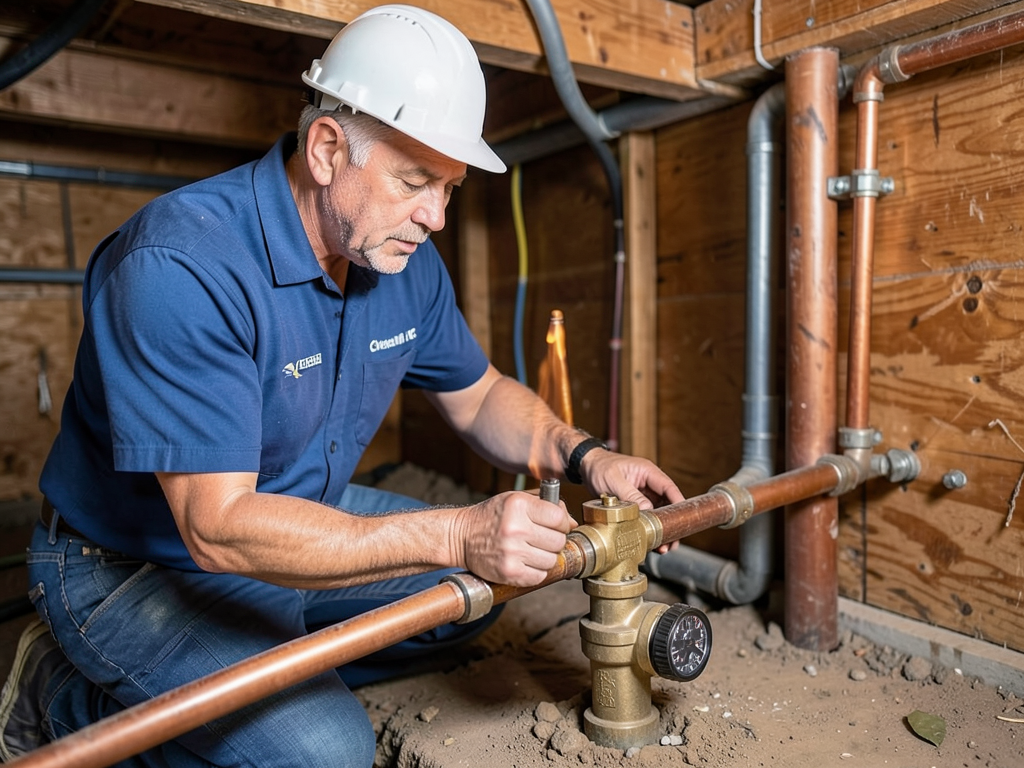
The supply side inspection includes visual examination of all accessible piping for corrosion, improper support spacing, and signs of previous repairs. Shut-off valves get cycled to verify they actually shut off water when needed. Most gate valves older than 15 years fail when you need them because the internal disc corrodes to the stem. Testing catches this before an emergency forces you to shut down your entire house at the meter.

Fixture inspections go beyond checking for drips. A residential plumbing checkup list includes testing toilet fill valves for phantom flushes, inspecting supply line braiding for fatigue cracks, checking aerator flow rates, and measuring drain performance. Slow drains indicate partial blockages or venting problems that lead to complete stoppages.

The drainage system inspection examines all visible trap assemblies, cleanout access points, and vent terminations. A camera scope inspection of the main sewer line identifies root intrusion, bellied sections, and joint separation before sewage backs up into your home. Water heater inspection includes checking the temperature-pressure relief valve, testing the drain valve, measuring sediment accumulation, and inspecting the anode rod condition. These components fail silently until the tank ruptures.

Each finding gets documented with photos, severity ratings, and recommended action timelines so you can budget repairs appropriately.

How the Inspection Process Works

Plumbing Inspection Checklist Charlotte – Catch Problems Before They Become Emergencies
01

Initial System Assessment

The inspection begins with reviewing your home's age, plumbing history, and any concerns you have noticed. We test static water pressure, locate your main shut-off valve, and identify the supply line material entering your home. This establishes baseline conditions and helps prioritize which systems need the most detailed examination. Older homes receive more scrutiny on galvanized piping and cast iron drains.
02

Detailed Component Testing

Each plumbing fixture, appliance connection, and accessible pipe section gets individual testing and documentation. We check shut-off valve operation, measure flow rates, test drainage performance, inspect supply line condition, and identify code violations or improper repairs. Water heaters receive combustion analysis for gas units and element testing for electric models. Sump pumps get load-tested with water to verify float switches and discharge capacity function properly.
03

Report and Recommendations

You receive a detailed written report with photos documenting every finding, organized by severity and system. Critical issues that risk immediate failure get flagged for urgent attention. Maintenance items and minor repairs get listed separately with suggested timelines. The report includes specific part numbers, estimated repair scope, and preventive maintenance recommendations. This documentation helps you budget for repairs and provides valuable records for insurance or home sales.

Why Charlotte Homeowners Trust Local Plumbing Experts

Charlotte's plumbing challenges require local knowledge that national chains and recent arrivals simply do not possess. The transition from Charlotte Water to private wells in areas like Ballantyne and Weddington creates unique pressure and treatment considerations. Homes in historic neighborhoods like Dilworth and Myers Park have plumbing systems that blend original cast iron with decades of piecemeal repairs, requiring experienced eyes to assess properly.

Understanding how seasonal ground movement affects homes built on Charlotte's red clay matters when evaluating foundation plumbing penetrations and sewer line integrity. A plumber familiar with local soil conditions recognizes warning signs that others miss. We know which neighborhoods experienced the 2020 water main breaks, which subdivisions have recurring sewer lateral problems, and which builders used substandard materials in the early 2000s construction boom.

Mecklenburg County has specific plumbing code requirements that differ from surrounding counties, particularly regarding backflow prevention, sewer line materials, and water heater installation. A home plumbing inspection list that ignores local code compliance creates liability when you sell or file an insurance claim. Inspectors who work regularly with Charlotte building inspectors know exactly what will trigger a red tag and what upgrades actually add value.

Local expertise also means understanding Charlotte Water's specific water chemistry and how it affects different pipe materials and fixture finishes. Our moderately hard water with chloramine disinfection behaves differently than municipalities using chlorine or those with very soft water. This affects everything from water heater anode rod selection to fixture finish warranties.

When you hire local plumbers who have spent years working in Charlotte homes, you get pattern recognition that prevents problems. We have seen how specific builders plumb homes, which materials fail first, and what repairs actually last in our climate.

What You Can Expect From Your Plumbing Inspection

Inspection Timeline

A thorough residential plumbing checkup takes between 90 minutes and three hours depending on your home's size, age, and complexity. Single-story homes with accessible plumbing move faster than multi-level homes with finished basements where piping hides behind walls. We schedule inspections with enough buffer time to investigate any concerns we discover without rushing through critical systems. You receive preliminary findings immediately after the inspection, with the detailed written report delivered within 24 hours. This quick turnaround helps you act on urgent issues before they worsen.

Inspection Scope and Access

The inspection covers all accessible plumbing components, from the water meter to fixtures and appliances. We examine supply piping, drainage systems, water heaters, shut-off valves, fixture connections, and visible gas lines. Areas behind finished walls cannot be inspected without invasive methods, but we check for evidence of hidden problems like water stains, mold odors, and unusual sounds. If your home has a crawlspace or unfinished basement, we access these areas to inspect piping directly. Sewer camera inspections are available as an add-on service to examine underground drainage lines from inside.

Quality of Documentation

Your inspection report includes high-resolution photos of every issue, clear descriptions using both technical and plain language, and specific recommendations for each finding. Critical problems get marked with red flags and include detailed explanations of the risks if left unaddressed. Maintenance items and minor issues receive priority rankings so you can budget repairs appropriately. The report format works for insurance claims, real estate transactions, and personal recordkeeping. You also receive a simplified one-page summary highlighting the most important findings so you can quickly assess your home's plumbing health.

Follow-Up and Maintenance Planning

After your inspection, we provide a prioritized action plan with realistic timelines for each repair or upgrade. You decide what work to authorize and when, without pressure tactics or inflated urgency. For homes with multiple issues, we help you understand which repairs prevent further damage and which can wait until your budget allows. Many homeowners establish annual or biannual inspection schedules to catch developing problems early. We keep inspection records on file so each subsequent visit builds on previous findings, creating a complete maintenance history. This ongoing relationship gives you a resource to call when questions arise between scheduled inspections.

Frequently Asked Questions

You Have Questions,
We Have Answers

What does a plumbing inspection consist of? +

A plumbing inspection examines your entire water supply and drainage system. The plumber checks all visible pipes for leaks, corrosion, and wear. They test water pressure at multiple fixtures, inspect shut-off valves, and examine your water heater for sediment buildup and proper venting. The sewer line gets scoped with a camera to detect clogs, tree root intrusion, or cracks. In Charlotte, plumbers pay extra attention to clay soil shifts that can crack underground pipes. They also check toilets for leaks, inspect faucets and fixtures, and evaluate your sump pump if you have one. You receive a detailed report listing any issues found.

What are the 5 main items you should inspect for at a drain detail? +

At a drain detail, inspect these five critical items. First, check for proper slope, drains need adequate pitch to move water efficiently. Second, look for clogs or slow drainage that signal blockages forming. Third, examine the trap seal to confirm it holds water and blocks sewer gas. Fourth, inspect for leaks at connections, joints, and the trap itself. Fifth, verify proper venting, inadequate vents cause gurgling sounds and slow drains. Charlotte homes with older cast iron drains often show corrosion inside the pipes. Use a flashlight to spot standing water, rust stains, or mineral buildup that reduces flow capacity.

What would make a house fail a home inspection? +

A house fails plumbing inspection when major defects threaten safety or functionality. Active leaks under sinks or at fixtures fail immediately. Improper drain venting that allows sewer gas inside the home fails. Water heaters without proper temperature and pressure relief valves fail due to explosion risk. Cross-connections between potable water and wastewater fail for contamination risk. In Charlotte, homes often fail when tree roots infiltrate sewer lines, causing backups. Galvanized pipes with severe corrosion that restrict water flow typically fail. Missing shut-off valves, improperly supported pipes, and backflow issues also trigger failures requiring correction before closing.

What should be included in the inspection checklist? +

A thorough plumbing inspection checklist must cover water supply lines, drainage systems, fixtures, and appliances. Include water heater condition, age, and safety devices. Check all visible pipes for leaks, corrosion, and proper support. Test water pressure and flow at each fixture. Inspect toilets for leaks and proper flush. Examine under sinks for moisture or damage. Include sewer line camera inspection to spot hidden problems. Check sump pumps and drainage systems. In Charlotte, add items specific to local clay soil like foundation pier inspections near plumbing penetrations. Document shut-off valve locations and functionality. Note any code violations or outdated materials requiring replacement.

What is the biggest red flag in a home inspection? +

The biggest red flag in a home inspection is evidence of water damage or active leaks. Water stains on ceilings, walls, or floors signal ongoing problems that cause mold and structural damage. Improperly vented plumbing that allows sewer gas inside creates health hazards. A failing sewer line requiring full replacement costs thousands and disrupts your yard. Charlotte homes built before 1980 with galvanized pipes often need complete repiping. Water heaters past their lifespan risk catastrophic failure and flooding. Foundation cracks near plumbing areas suggest soil settlement from chronic leaks. These issues require immediate attention and major investment to correct safely.

How much does it cost to have a plumbing inspection? +

Plumbing inspection costs in Charlotte typically range based on home size and scope. A basic visual inspection for a standard home runs lower, while comprehensive inspections including sewer camera scoping cost more. Older homes require more thorough evaluation due to aging infrastructure. Inspections for homes over 2,500 square feet or properties with multiple bathrooms increase in price. Most plumbers offer package pricing for pre-purchase inspections. The investment prevents buying a home with hidden plumbing disasters. Emergency inspections after suspected leaks or backups may carry premium pricing. Always request itemized quotes from licensed Charlotte plumbers before scheduling service.

How Charlotte's Clay Soil and Humidity Affect Your Plumbing System

Charlotte sits on expansive red clay soil that swells when wet and shrinks when dry, creating continuous movement beneath your home's foundation. This cycle places constant stress on rigid plumbing materials like cast iron, copper, and PVC where they penetrate foundations and transition from interior to exterior. A comprehensive plumbing system inspection guide for Charlotte homes must account for these soil-related stresses that cause joint separation, fitting cracks, and slab leak development. The high humidity levels from May through September accelerate corrosion on metal components and create ideal conditions for mold growth around undetected leaks. These environmental factors make preventative maintenance more critical here than in drier climates with stable soil conditions.

Keystone Plumbing Charlotte has built relationships with homeowners throughout Mecklenburg County by providing honest assessments without manufacturing urgency. We understand Charlotte's building code evolution, which neighborhoods have problematic plumbing installations from specific builders, and how local water chemistry affects system longevity. Our plumbing maintenance checklist addresses issues specific to Charlotte homes rather than using generic inspection protocols designed for other regions. When you work with plumbers who have diagnosed thousands of local plumbing systems, you benefit from pattern recognition that prevents expensive surprises. Local expertise means understanding how problems develop in Charlotte's specific conditions and catching them before they escalate.
Plumbing Services in The Charlotte Area

Discover our service area and see how conveniently located Keystone Plumbing is to serve your residential and commercial needs. We are dedicated to bringing reliable, expert plumbing solutions right to your doorstep. Explore the map to visualize our reach and understand why we are the trusted local choice for all your plumbing requirements. We look forward to connecting with you and providing exceptional service wherever you are located within our service boundaries.

Address:
Keystone Plumbing Charlotte, 2015 Ayrsley Town Blvd #202, Charlotte, NC, 28273

Additional Services We Offer

Our news updates

Latest Articles & News from The Blogs

Why Your South Park Home Needs a Point of Use Water Filter for Better Tasting Coffee \n\n Your morning coffee…

Why Your South Park Home Needs a Point of Use Water Filter for Better Tasting Coffee

Why Your South Park Home Needs a Point of Use Water Filter for Better Tasting Coffee \n\n Your morning coffee…

Choosing Between Wall-Hung and Standard Toilets for Your Modern South End Condo

Wall-Hung vs Standard Toilets: What Works Best for Your South End Condo? Choosing the right toilet for your modern South…

How to Stop the Cold Water Sandwich Effect With Your Tankless System in Ballantyne

How to Stop the Cold Water Sandwich Effect With Your Tankless System in Ballantyne If you live in Ballantyne and…

Contact Us

Take control of your home's plumbing health before small problems become expensive emergencies. Call Keystone Plumbing Charlotte at (980) 342-9933 to schedule your comprehensive inspection. We provide clear documentation, honest assessments, and practical recommendations that help you maintain your home's plumbing system efficiently.