Menu

How to Prevent Frozen Pipes in Charlotte – Protect Your Home Before Winter's First Hard Freeze

Learn the proven winterizing techniques Charlotte homeowners need to stop pipe bursts before they happen, including insulation methods, temperature guidelines, and emergency preparation steps tailored to our unpredictable Piedmont climate.

Slider Image 1
Slider Image 2
Slider Image 3
Slider Image 4
Slider Image 5
Slider Image 7
Slider Image 8
Slider Image 9
Slider Image 10
Slider Image 11

Why Charlotte's Freeze-Thaw Cycles Put Your Pipes at Risk

Charlotte sits in a peculiar climate zone where winter temperatures regularly swing from the mid-50s during the day to the low 20s overnight. These freeze-thaw cycles create perfect conditions for burst pipes because water expands by roughly 9% when it freezes. The pressure inside copper or PEX supply lines can reach 40,000 psi before the pipe fails.

Most Charlotte homes were built with crawl spaces rather than basements. This construction style leaves pipes exposed to frigid air moving through foundation vents. Pipes running along exterior walls in older neighborhoods like Dilworth and Myers Park face additional risk because these homes often lack modern insulation standards.

The real danger window hits when temperatures drop below 20 degrees for more than six consecutive hours. Charlotte typically sees this three to five times per winter, usually in January and February. One hard freeze can cause thousands in water damage when a pipe bursts and floods your crawl space, walls, or attic.

Stopping pipes from freezing requires understanding where your vulnerable points exist. Unheated garages, outdoor hose bibs, and pipes in exterior walls represent the highest risk zones. Keeping water pipes from freezing means addressing these weak points before the first hard freeze warning appears on your weather app.

The cost difference between prevention and repair tells the whole story. Winterizing plumbing pipes might require a few hours and basic materials. A burst pipe repair involves wall demolition, pipe replacement, water extraction, mold remediation, and reconstruction.

Why Charlotte's Freeze-Thaw Cycles Put Your Pipes at Risk
The Core Strategies for Protecting Pipes from Freezing

The Core Strategies for Protecting Pipes from Freezing

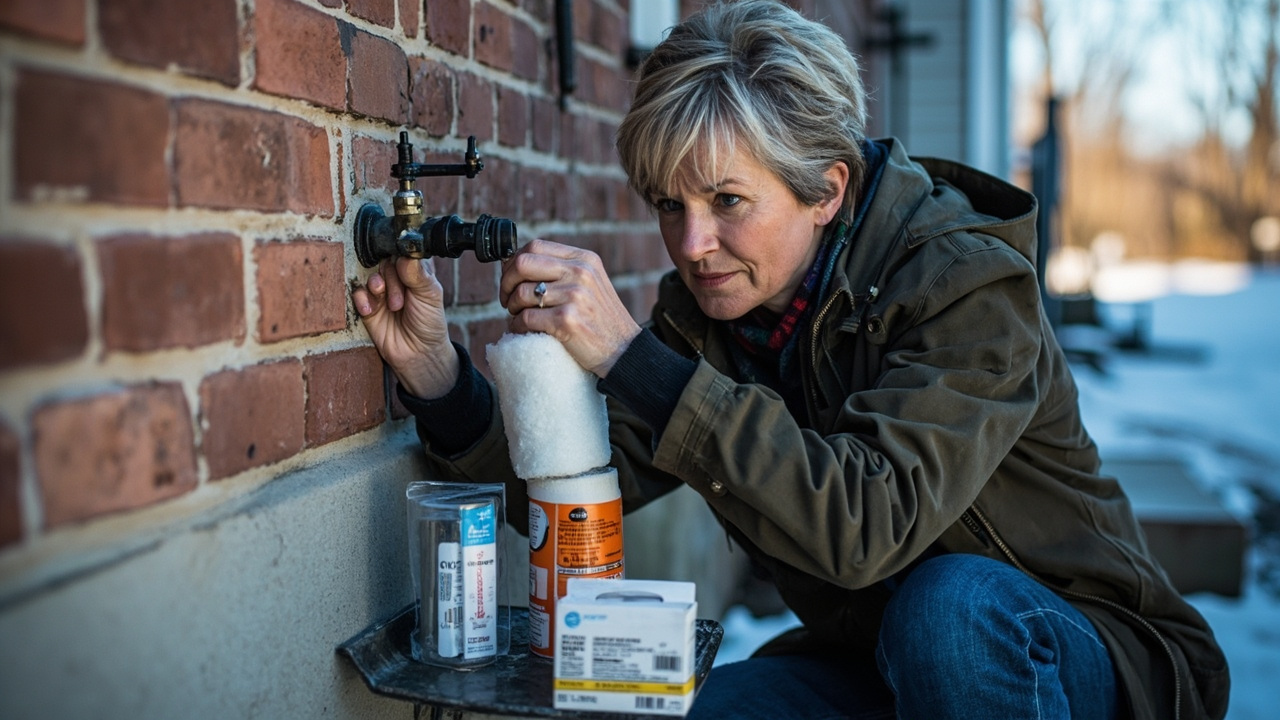
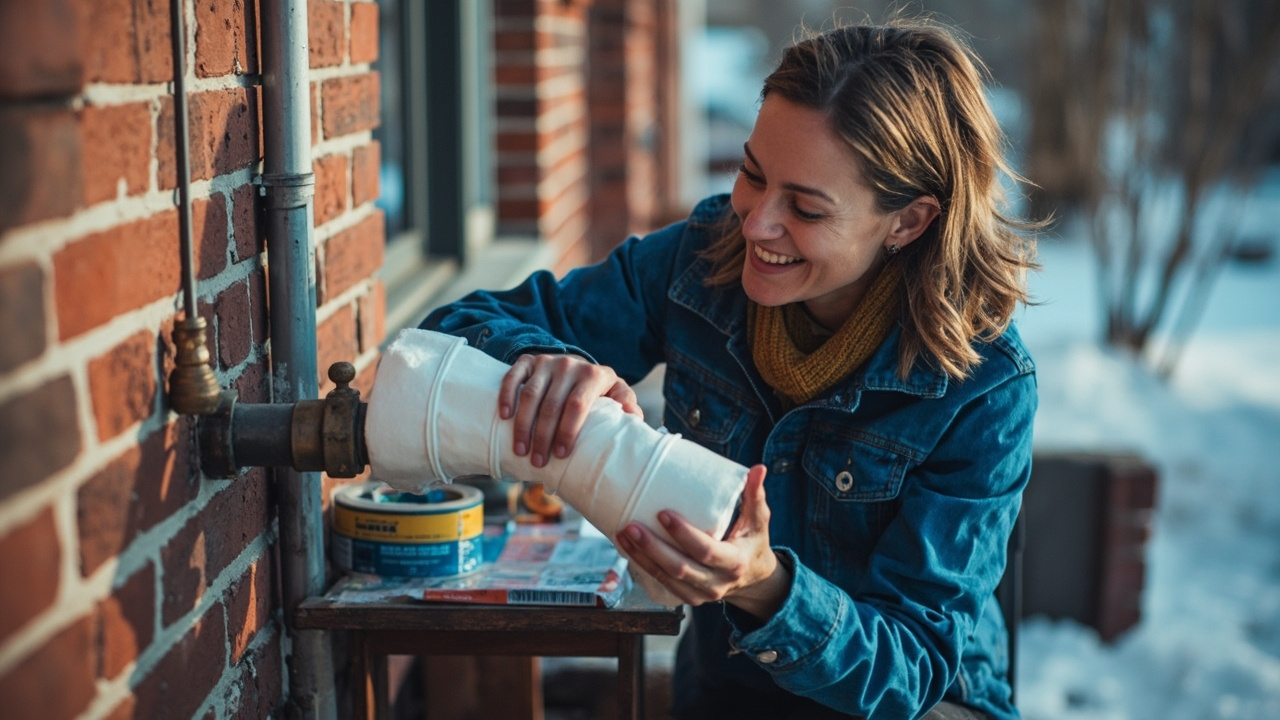
Frozen pipe prevention tips start with proper insulation. Foam pipe sleeves provide the first line of defense for exposed supply lines in crawl spaces and attics. These tubular sleeves slip over pipes and create a thermal barrier. The insulation slows heat loss from the water inside the pipe, buying you critical hours before freezing occurs.

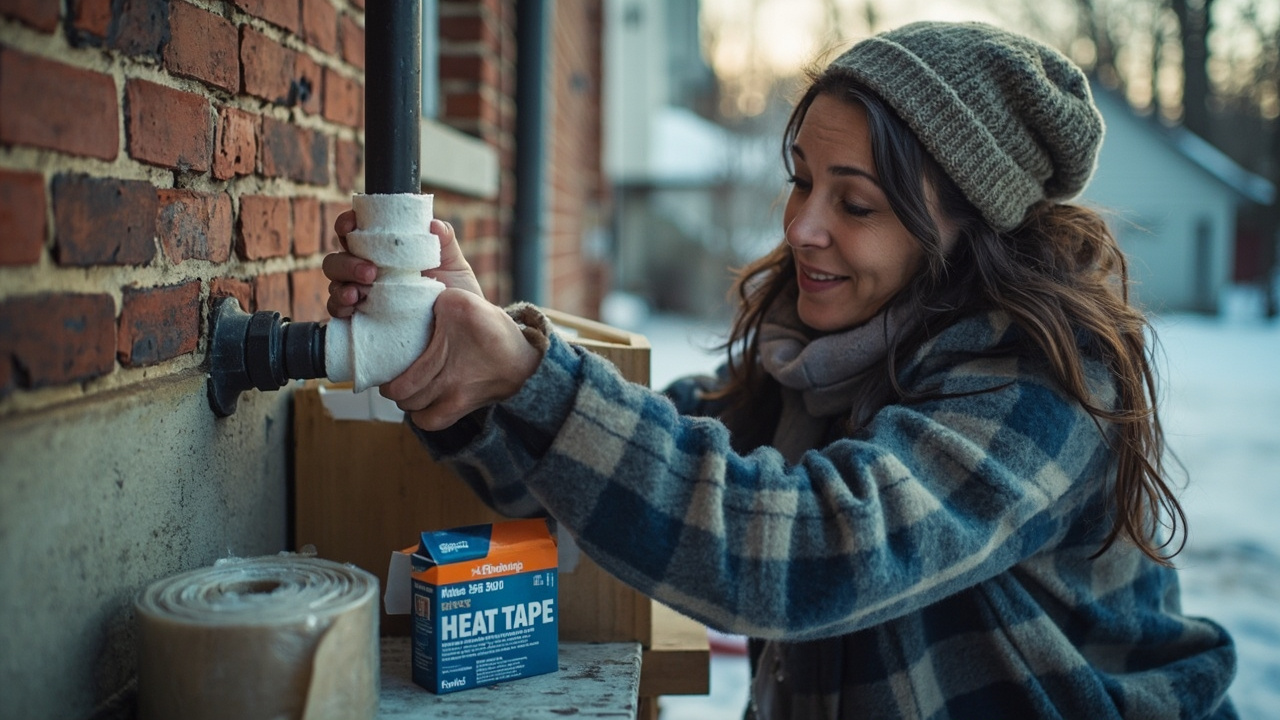
Heat tape offers active protection for pipes in especially vulnerable locations. This electrical cable wraps around the pipe and generates low-level heat when temperatures drop. You must follow manufacturer specifications exactly because improper installation creates fire hazards. Thermostatically controlled heat tape activates automatically at preset temperatures, while manual versions require you to plug them in when freezes threaten.

Sealing air leaks matters more than most people realize. Cold air infiltration through foundation vents, rim joists, and wall penetrations drops the ambient temperature around pipes faster than insulation can compensate. Expanding foam, weatherstripping, and vent covers stop this air movement. During freeze warnings, closing crawl space vents temporarily traps warmer air around your plumbing.

Cabinet doors under sinks should stay open during hard freezes. This simple step allows heated air from your living space to circulate around supply lines running through exterior walls. The temperature difference between a closed cabinet at 45 degrees and an open one at 68 degrees prevents freezing.

Dripping faucets create constant water movement through supply lines. Moving water resists freezing better than static water. A pencil-thin stream from both hot and cold taps costs a few dollars in water bills but prevents thousands in damage. This technique works best for pipes you cannot insulate or heat.

Your Step-by-Step Winterization Timeline

How to Prevent Frozen Pipes in Charlotte – Protect Your Home Before Winter's First Hard Freeze
01

Early Season Preparation

Start winterizing in November before the first freeze warning. Disconnect all garden hoses and drain outdoor hose bibs completely. Install foam faucet covers on exterior spigots. Locate your main water shutoff valve and test it to ensure it operates smoothly. Check crawl space insulation for gaps or damage. This preparation phase happens while temperatures remain mild enough to work comfortably in unheated spaces.
02

Active Freeze Protection

When the National Weather Service issues a hard freeze warning for Mecklenburg County, activate your protection measures. Open cabinet doors under sinks. Set your thermostat to at least 55 degrees if you travel. Allow faucets on exterior walls to drip. Plug in heat tape if you use manual systems. Check your crawl space temperature with a remote thermometer. These active steps happen in the 24 hours before forecast temperatures drop below 20 degrees.
03

Post-Freeze Inspection

After temperatures rise above freezing, inspect all exposed pipes for cracks, bulges, or frost accumulation. Turn on every faucet in your home and check for normal water pressure and flow. Reduced flow indicates ice blockage that has not yet caused a rupture. Listen for running water sounds when all fixtures are off, which signals a hidden leak. Document any problems immediately because freeze damage sometimes does not manifest until pipes thaw completely.

Why Local Knowledge Matters for Charlotte Freeze Protection

Charlotte's building patterns create unique vulnerabilities that generic winterization advice misses. Homes built in the rapid expansion periods of the 1980s and 1990s often have PEX supply lines run through exterior walls with minimal insulation. These neighborhoods stretch across South Charlotte, Ballantyne, and University City. The builders prioritized speed over cold weather resilience because hard freezes seemed rare at the time.

Historic neighborhoods present different challenges. Homes in Dilworth, Myers Park, and Plaza Midwood often have galvanized steel or old copper supply lines running through uninsulated crawl spaces. These pipes sit directly in the path of cold air flowing through foundation vents. The crawl space design made sense for moisture control in our humid climate, but it exposes plumbing to freeze risk.

Lake Norman area homes face additional complications from their proximity to water. The lake effect can drop overnight temperatures several degrees below the forecast for central Charlotte. Homes with boat houses or outdoor kitchens need specialized winterization for these auxiliary plumbing systems.

Understanding Charlotte's specific freeze patterns helps you time your protection efforts. Our cold snaps typically arrive with fast-moving arctic fronts that drop temperatures 40 degrees in 12 hours. You get minimal warning compared to northern cities that watch winter systems develop over days. This rapid onset means your winterization measures must already be in place, not scrambled together when the weather alert hits your phone.

Peak Plumbing Phoenix knows which Charlotte subdivisions used inferior pipe insulation, which builders skimped on crawl space details, and where freeze damage concentrates after each winter storm. This knowledge comes from responding to hundreds of freeze-related calls across Mecklenburg County over multiple winter seasons.

What Complete Pipe Protection Involves

Prevention Timeline

Effective winterizing happens in stages starting in early November. Initial preparation takes two to four hours for a typical Charlotte home. You will inspect all accessible supply lines, install foam insulation on exposed pipes, seal air leaks around foundation penetrations, and test shutoff valves. Active protection during freeze warnings requires 15 minutes to open cabinets, start faucet drips, and activate heat tape. Post-freeze inspections take 30 minutes to check all fixtures and crawl space pipes. This staged approach spreads the work across the season rather than creating one overwhelming project.

Risk Assessment Process

Proper protection starts with identifying your specific vulnerabilities. Walk your property looking for pipes in unheated spaces, supply lines running along exterior walls, and outdoor fixtures. Check your crawl space access and note which foundation vents align with prevailing northwest winds that carry the coldest air. Use a flashlight to trace visible supply lines and photograph problem areas. A thermal imaging camera reveals hidden pipes in walls, though this requires professional equipment. Document everything because you will reference these notes each time a freeze warning appears. The assessment reveals exactly where to focus your insulation, heat tape, and sealing efforts.

Material Selection Standards

Quality materials make the difference between protection that works and wasted effort. Foam pipe insulation should have an R-value of at least 3.0 for Charlotte's climate. Tubular foam works better than split foam for complete coverage. Heat tape must carry UL listing for the specific application, whether indoor or outdoor use. Self-regulating heat cable adjusts output based on pipe temperature, preventing both freezing and overheating. Faucet covers need thick foam construction, not the thin fabric versions that provide minimal protection. Expanding foam for air seals should be low-pressure formulation to avoid damaging pipes or electrical wiring during application.

Emergency Response Planning

Even with proper prevention, you need a response plan for worst-case scenarios. Know the exact location of your main water shutoff and how to operate it in darkness or during a power outage. Keep a waterproof flashlight and adjustable wrench near the shutoff valve. Program a reliable plumber's emergency number into your phone before you need it. Document your plumbing layout with photos so responders can quickly locate problem areas. Keep a shop vacuum and fans accessible for immediate water extraction if a pipe does burst. Understand your insurance policy's freeze damage coverage and deductible amounts. This preparation transforms a chaotic emergency into a manageable situation with clear next steps.

Frequently Asked Questions

You Have Questions,
We Have Answers

How do I stop my pipes from freezing? +

Insulate exposed pipes in crawl spaces, attics, and exterior walls using foam sleeves or fiberglass wrap. Seal gaps and cracks where cold air enters using caulk or spray foam. Disconnect garden hoses and drain outdoor faucets before freezing weather hits. Keep cabinet doors open under sinks to allow warm air circulation around pipes. During hard freezes, let faucets drip slightly to keep water moving. Charlotte's occasional hard freezes can catch homeowners off guard, especially in older homes with poor insulation. Pay special attention to north-facing walls and unheated spaces where pipes are vulnerable.

At what temperature will pipes freeze? +

Pipes begin freezing when temperatures drop to 20 degrees Fahrenheit or below for extended periods. However, risk increases significantly when outdoor temps hit 32 degrees combined with wind chill and poor insulation. Exposed pipes in unheated crawl spaces or attics freeze faster than interior plumbing. Charlotte typically sees brief freezes rather than sustained cold, but sudden temperature drops from 50 to 20 degrees create the worst conditions. Pipes with low water flow or stagnant water freeze first. Southern homes often lack the robust insulation found in northern climates, making Charlotte pipes more vulnerable at higher temperatures.

At what temperature should you let your faucets drip? +

Let faucets drip when outdoor temperatures drop to 28 degrees or below, especially overnight. Charlotte's unpredictable winter weather means you should monitor forecasts closely. Start dripping faucets when temperatures are predicted to stay below freezing for more than four hours. Focus on faucets connected to pipes running through exterior walls, crawl spaces, or unheated areas. A drip keeps water moving and prevents pressure buildup that causes pipe bursts. You need just a thin stream, about the width of a pencil lead. This small amount of water flow prevents freezing without wasting significant water.

Do ping pong balls keep water from freezing? +

Ping pong balls floating in toilet tanks can help prevent surface ice from forming, but they do not protect your plumbing system. This trick might stop a toilet tank from freezing in an unheated bathroom, but it does nothing for supply lines, drain pipes, or fixtures. Charlotte homeowners need real solutions like pipe insulation, heat tape, and maintaining indoor temperatures above 55 degrees. Relying on ping pong balls gives false security. Focus on proven methods like sealing air leaks, insulating vulnerable pipes, and keeping water moving during freezes. Save the ping pong balls for recreation.

How much water should I run to keep pipes from freezing? +

Run a steady drip about the thickness of a pencil lead, roughly five to ten drips per minute. This small flow rate keeps water moving through pipes without wasting gallons. You do not need a full stream. Focus on faucets farthest from your water heater or those connected to exterior walls. In Charlotte homes with crawl spaces, pay attention to bathroom and kitchen faucets on outside walls. Open both hot and cold taps slightly to protect both supply lines. A single faucet dripping overnight uses only one to two gallons, a small price compared to burst pipe repairs costing thousands.

How to properly drip faucets? +

Turn the faucet on just enough to create a steady drip, not a stream. The goal is continuous movement, not high flow. For single-handle faucets, position the handle between hot and cold to drip both lines. For separate hot and cold handles, open both slightly. Focus on fixtures with pipes running through exterior walls, crawl spaces, or unheated spaces. Charlotte homes often have pipes in vulnerable crawl spaces that need attention first. Check that water is actually dripping before walking away. A drip prevents pressure buildup and keeps water from sitting still long enough to freeze solid.

How do I know if my pipes are starting to freeze? +

Reduced water pressure or flow signals ice forming inside pipes. Turn on faucets and notice weak streams or sputtering. Frost or condensation on exposed pipes in crawl spaces or attics indicates freezing conditions. Strange gurgling sounds when using water suggest partial blockages from ice. In Charlotte's quick freeze events, check faucets connected to exterior walls first. No water at all means pipes may already be frozen solid. Catch freezing pipes early by monitoring water pressure during cold snaps. If you suspect frozen pipes, open cabinet doors and add gentle heat with space heaters, never open flames.

How warm to keep a house to prevent pipes from freezing? +

Keep your thermostat at 55 degrees minimum, even when away from home. Interior pipes benefit from consistent warmth radiating through walls and floors. Charlotte winters tempt homeowners to cut heat during brief cold snaps, but this risks expensive damage. Maintain temperature day and night during freezes. Open interior doors to circulate warm air throughout the house. Keep cabinet doors open under sinks so heat reaches pipes inside exterior walls. The cost of extra heating for a few days is minimal compared to burst pipe repairs. Consistent indoor warmth protects your entire plumbing system.

What type of pipes burst most easily? +

Copper pipes burst most easily because they are rigid and cannot expand when water freezes. PEX and PVC pipes have more flexibility and withstand pressure better, though they can still fail. Older galvanized steel pipes corrode internally, leaving weak points that rupture during freezes. Pipes with existing damage, corrosion, or weak joints fail first. In Charlotte's older neighborhoods, homes often have mixed plumbing systems with copper supply lines most vulnerable. Small diameter pipes freeze faster than larger mains. Exposed pipes in crawl spaces and exterior walls face the highest risk regardless of material.

Are some pipes more prone to freezing? +

Yes. Pipes in unheated crawl spaces, attics, and exterior walls freeze first. Supply lines carrying pressurized water are more vulnerable than drain lines. Pipes on north-facing walls receive less sunlight and stay colder longer. Older homes in Charlotte often have inadequate insulation around plumbing. Pipes near foundation vents or gaps where cold air enters face higher risk. Shallow pipes close to exterior walls freeze before deep interior plumbing. Any pipe with stagnant water freezes faster than those with regular flow. Identify your vulnerable pipes before winter and insulate them properly.

How Charlotte's Clay Soil and Foundation Settling Affect Freeze Risk

Charlotte sits on expansive clay soil that shrinks during dry periods and swells when wet. This constant movement causes foundation settling that opens gaps around pipe penetrations through crawl space walls and rim joists. These gaps create pathways for frigid air to reach supply lines even when the pipes themselves have proper insulation. A pipe passing through a foundation wall might have a quarter-inch gap around the copper that allows 20-degree air to flow directly onto the metal. The Piedmont region's red clay compounds this problem because it shifts more dramatically than sandy soils in eastern North Carolina or mountain soils in the western part of the state.

Charlotte plumbers familiar with local construction understand these soil-related vulnerabilities. They check not just the pipes but the penetrations, rim joists, and foundation details that create freeze exposure. A plumber from another region might miss these Piedmont-specific issues because their local geology behaves differently. Working with a Charlotte-based service like Keystone Plumbing Charlotte means getting expertise shaped by our specific soil conditions, building practices, and weather patterns. This local knowledge prevents the overlooked details that turn a normal cold snap into a plumbing disaster.
Plumbing Services in The Charlotte Area

Discover our service area and see how conveniently located Keystone Plumbing is to serve your residential and commercial needs. We are dedicated to bringing reliable, expert plumbing solutions right to your doorstep. Explore the map to visualize our reach and understand why we are the trusted local choice for all your plumbing requirements. We look forward to connecting with you and providing exceptional service wherever you are located within our service boundaries.

Address:
Keystone Plumbing Charlotte, 2015 Ayrsley Town Blvd #202, Charlotte, NC, 28273

Additional Services We Offer

Our news updates

Latest Articles & News from The Blogs

Why your water heater is rusting from the inside (and how the anode rod saves it) Your water heater tank…

Why your water heater is rusting from the inside (and how the anode rod saves it)

Why your water heater is rusting from the inside (and how the anode rod saves it) Your water heater tank…

Best Kitchen Faucet Finishes That Won't Show Hard Water Spots in Harrisburg

Best Kitchen Faucet Finishes That Won’t Show Hard Water Spots in Harrisburg Hard water spots can ruin the look of…

Soundproofing Your Pipes to Stop Hearing Your Neighbors Flush in Your Uptown Apartment

Soundproofing Your Pipes to Stop Hearing Your Neighbors Flush in Your Uptown Apartment Living in an Uptown Charlotte apartment means…

Contact Us

Stop worrying about burst pipes every time the temperature drops. Call Keystone Plumbing Charlotte at (980) 342-9933 for a winterization assessment. We will identify your vulnerable pipes and implement protection before the next hard freeze hits Mecklenburg County.